

The former child star and Heroes alum, Hayden Panettiere opens up about her struggle with alcohol and substance abuse and how those around her undermined her struggle with postpartum depression, only recognizing her as an alcoholic. The 33-year-old opened up about her life in an upcoming interview on Jada Pinkett Smith's show Red Table Talk and shared how the most heartbreaking thing in the world was when she was given no choice but to give up on her daughter's custody rights completely.
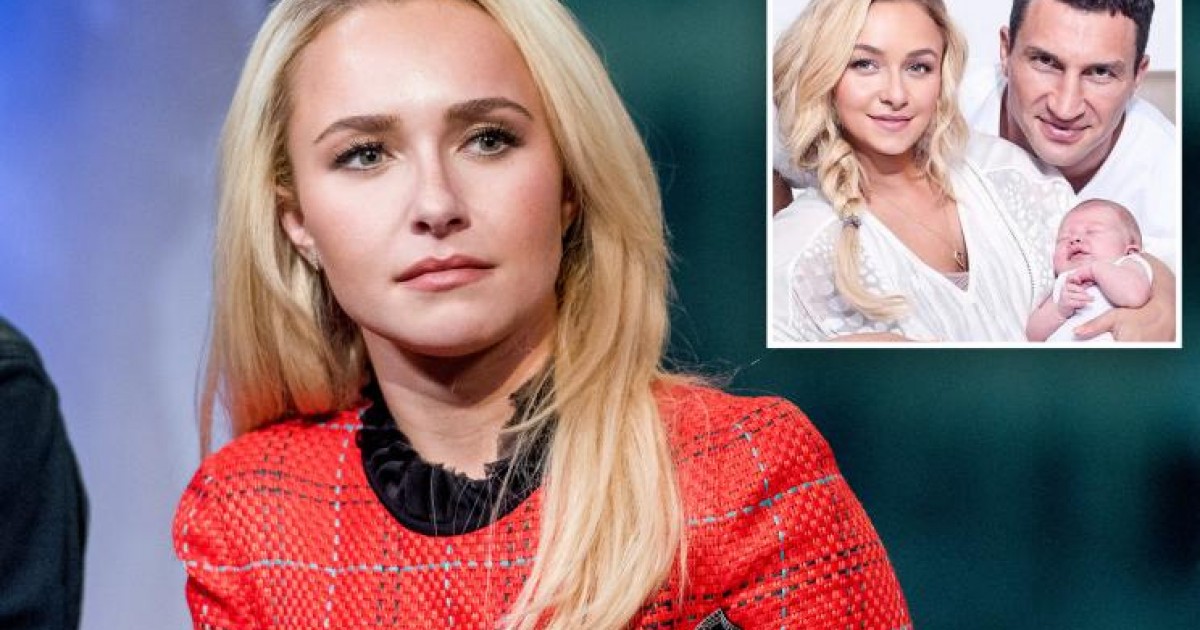
Hayden Panettiere Says Wladimir Klitschko Made Her Sign Full-Custody Of Daughter Kaya In 2018
By
Samantha in
Entertainment
On 28th September 2022
advertisement
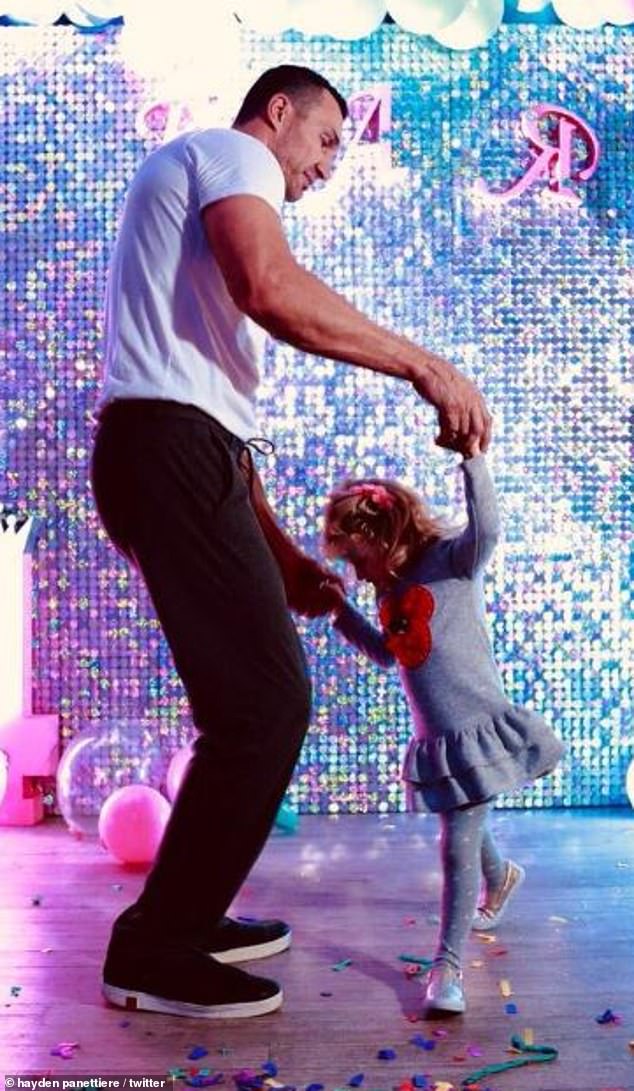
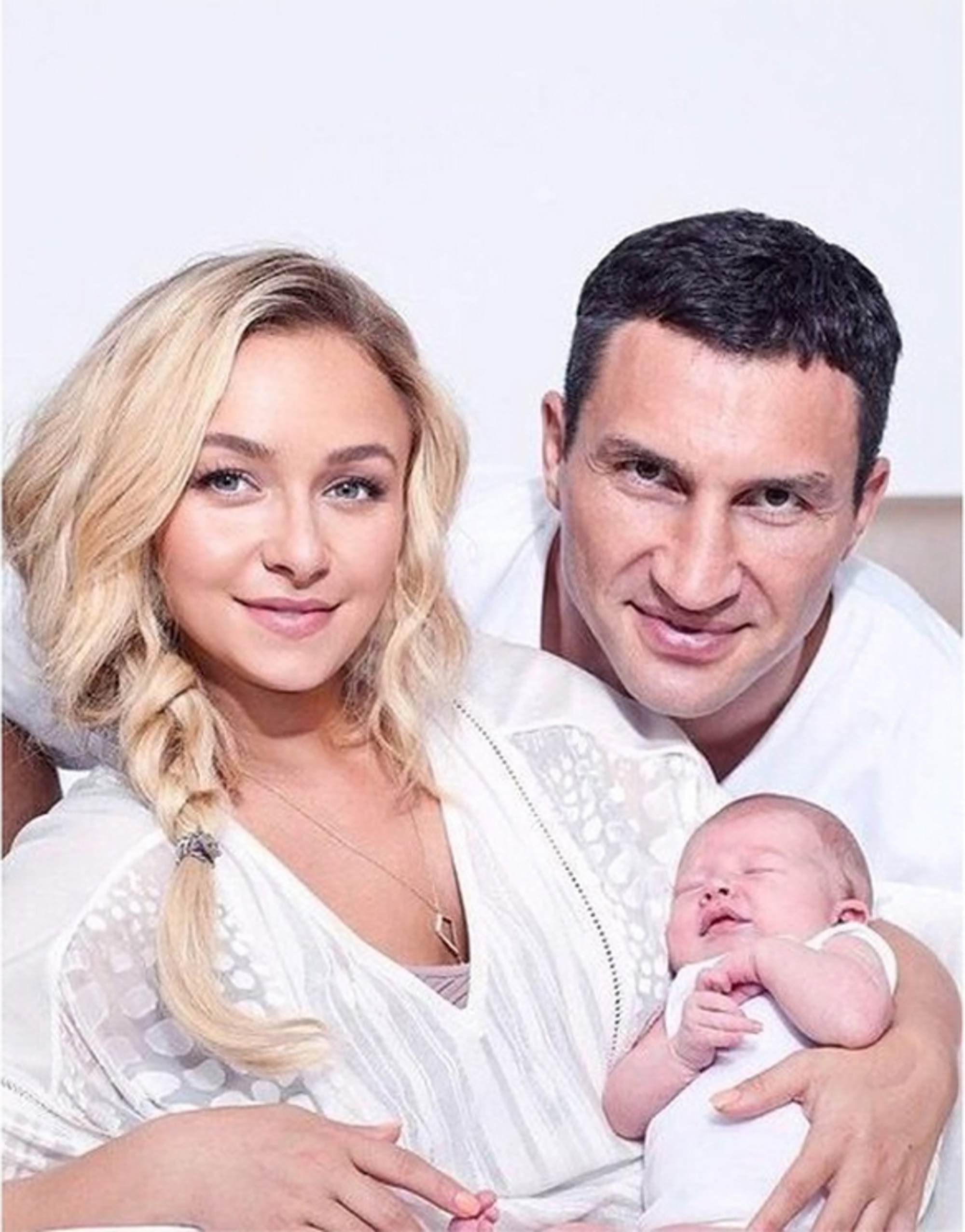
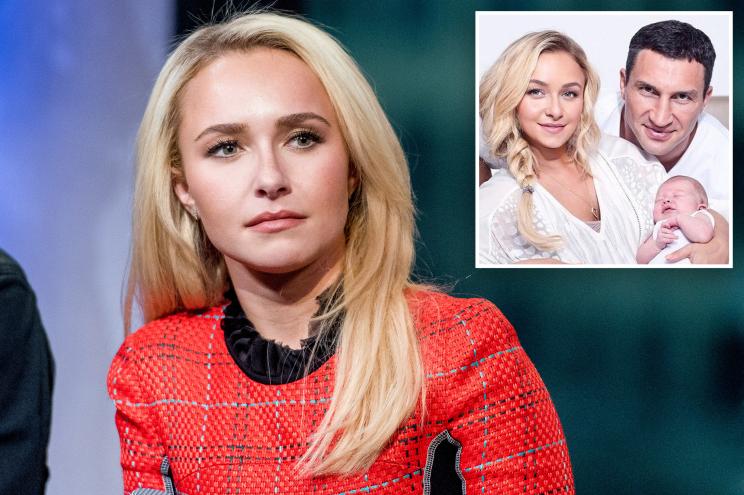
Hayden Panettiere, 33, has accused her former partner Wladimir Klitschko, of giving her no option but to give up on her full custody of their daughter Kaya, now7, back in 2018 when the actress was struggling with substance abuse issues.
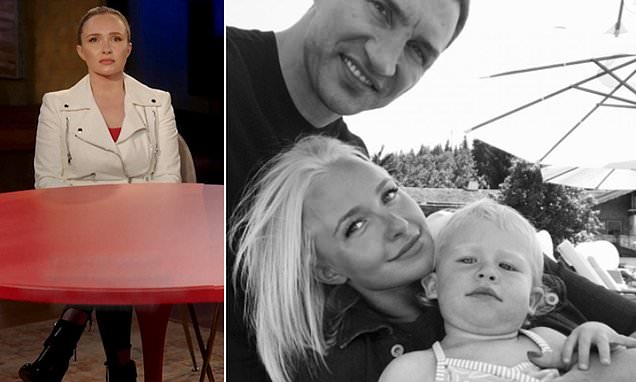
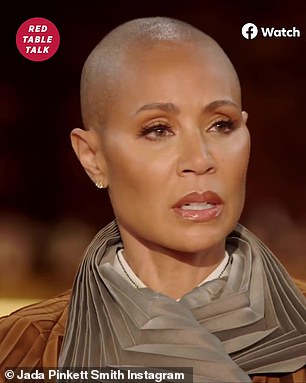
The Nashville star shared about the 'upsetting' moment that she sent her then-four-year-old child to live in Ukraine with Klitschko, 46, during an upcoming interview on Jada Pinkett Smith's show Red Table Talk.

NETFLIX
In a sneak peek at the episode, which airs in full on Wednesday but was previewed by People magazine, the actress hinted that the former boxer who she dated on and off for almost 9 years before they bid final goodbye in 2018, her former partner made her give up on her daughter, calling it 'the most heartbreaking thing she's ever had to do in her life.'
'It wasn't a discussion,' she told the host Pinkett Smith and her mom, Adrienne Banfield Norris. 'Because of the way that it was done, it was very upsetting.'

NETFLIX
advertisement
Panettiere has been open about her struggle with drugs and alcohol and has previously shared that she began this addiction when she was just 15 years old - and that her addiction spiraled out of control while she was battling postpartum depression after Kaya's birth in 2014.
'If [Klitschko] had come to me and said, "I think because of where you're at right now and your struggles that you're having it would be good for her to be over here with me for a while..."' she trailed off.
'If I had probably had enough of a conversation I would've said, "OK, that makes sense, I get it, I'll come there to visit," stuff like that.
'It was the worst signing those papers, the most heartbreaking thing I've ever, ever had to do in my life.'
Panettiere explained that she planned to 'work on herself' and as soon as she was 'better,' she was hoping that Kaya would go back to splitting her time between both of her parents, 'But that didn't happen,' she added.
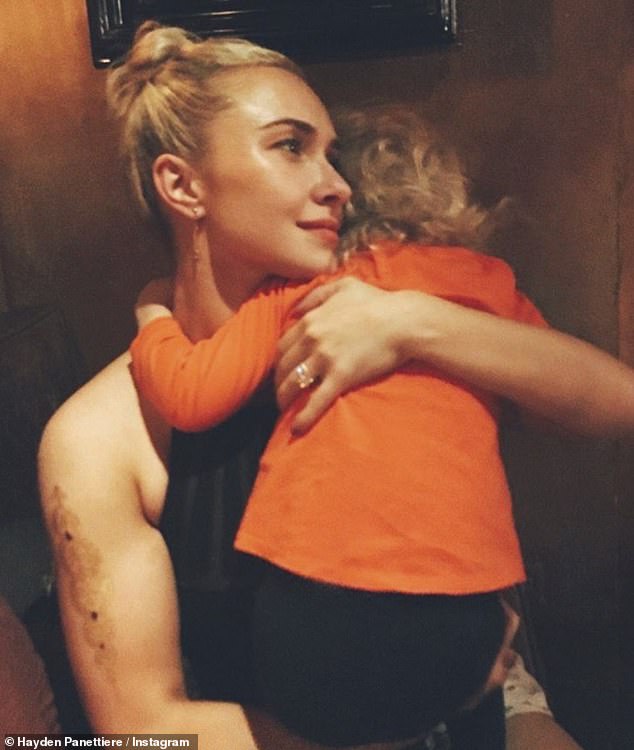
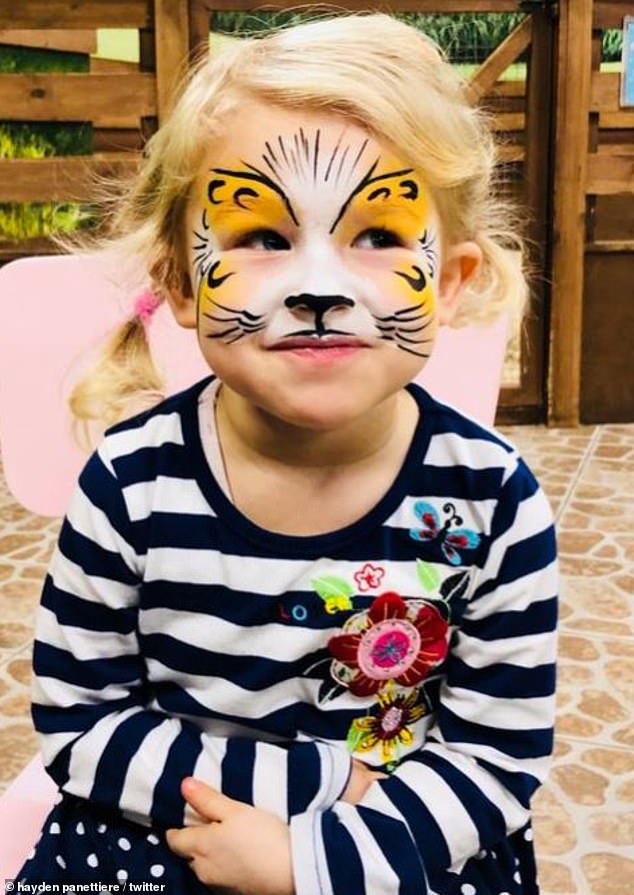
Apparently, Kaya still lives with her father, though it is not revealed if she still lives in Ukraine with her father amid Russia's war.
However, after the country got into the war in February, Hayden revealed in an Instagram post that her daughter was 'safe and not in Ukraine' anymore, but she has not specified where they're living now.
Hayden, who was a former child star and began acting at the age of 5 has been vocal about her past battle with addiction, telling People that it started when she was just 15 - one year before she began filming the hit TV series, Heroes.
advertisement
She claimed that members of her team began giving her 'happy pills' at the time in an effort to make her seem more 'peppy' during interviews.
'I had no idea that this was not an appropriate thing, or what door that would open for me when it came to my addiction,' she said.
'As I got older, the drugs and alcohol became something I almost couldn't live without.'
Panettiere shared with the outlet that she did not drink when she was pregnant but things worsened soon after her daughter was born.
advertisement
'I would have the shakes when I woke up and could only function with sipping alcohol,' she recalled.
'[Sending Kaya away] was the hardest thing I ever had to do. But I wanted to be a good mom to her - and sometimes that means letting them go.'
Speaking to Good Morning America, the actress also explained that her battle with postpartum depression made her alcoholism all the more difficult to deal with because she couldn't see where her battles with substance abuse 'ended' and where her depression 'began.'
'I didn't have any negative feelings towards my child, I just knew I was deeply depressed. And I didn't know where the alcoholism was ending and the postpartum was beginning and I ran myself pretty ragged,' she said.
'People around me were more concerned about my usage of alcohol than they ever were about the postpartum depression.'
advertisement
She says that people were quick to ignore her struggle with postpartum depression and alcoholism and dismiss them as signs that she was being 'overly emotional' or acting like 'a crazy woman,' which in turn made her feel all the more isolated.
'I felt like I was walking blind and there was nobody there that was able to support me in the way I needed to be supported,' she added.
'And I don't like to ask for help either. You know, I want to be that strong, stoic woman, but when you see a [previously] happy-go-lucky girl... suddenly on the floor in a puddle of mess and alcohol, you've got to know something is wrong.'
After Kaya moved to Europe, Panettiere said her drinking continued to worsen - to the point where she had to be hospitalized with jaundice.
advertisement
'Doctors told me my liver was going to give out,' she recalled to People. 'I was no longer a 20-year-old who could just bounce right back.'
However, when Panettiere realized her life was at risk, she finally found the strength to seek treatment for her addictions and ultimately entered rehab for eight months.
But her experiences at the rehab were no easy task because she was identified as an alcoholic, rather than someone also battling postpartum depression, which meant she struggled to make herself heard.
'Oh, it was horrible,' she said. 'Once you're the identified patient as the alcoholic - and not as a girl, a woman going through postpartum depression - then they don't believe anything that comes [out of] your mouth. So even when you're telling the truth, even when you're doing well, I've been told "No", almost gaslit, and told, "No, I wasn't."
Instagram
advertisement
'It's frustrating. It's heartbreaking. You want to break down and cry, which makes you look even worse. But not being believed, I think to anybody not being believed is - when they're telling the truth - is painful.'
While the actress is now sober, she admitted at the time that her struggles are still far from over.
'I'm good [but] it's an everyday battle, it really is,' she shared. 'I'm grateful to say I'm sober today.'
She also told People: 'It's an everyday choice, and I'm checking in with myself all the time. But I'm just so grateful to be part of this world again, and I will never take it for granted again.'
Twitter