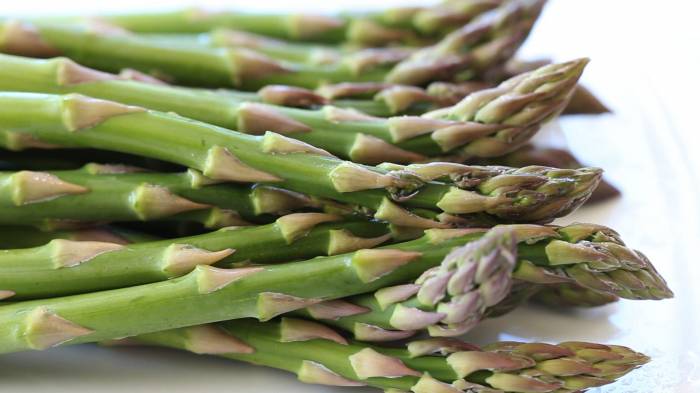
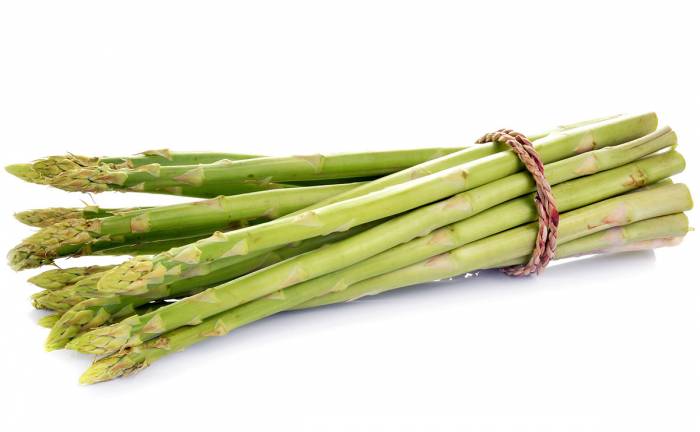
With the arrival of spring, one vegetable that hits the market is asparagus.
It comes in three varieties green, white and purple.
No matter the type you choose, asparagus is tasty and delicious to eat. It is commonly served as an appetizer or side dish. Lightly steaming, grilling, stir-frying or ovenroasting are the most preferred cooking methods.
Not only is asparagus delicious, it is packed with health benefits, thanks to its nutritional profile.

It contains vitamins like A, B1, B2, B3, B6, C, E and K.
It also has minerals like iron, folic acid, calcium, potassium, zinc, magnesium, manganese, phosphorus and amino acids. In addition, it has a good amount of dietary fiber, carbohydrates, protein and healthy fat.
Another good thing is that it is low in calories and sodium and high in water content. When it comes to health benefits, it is also important to mention its anti-inflammatory and antioxidant properties.
One drawback of asparagus is that it can cause a powerful and disagreeable smell in the urine. During digestion, its sulfurous amino acids break down into smelly chemical components, causing the odor in urine.
Also, compounds like fructans and raffinose present in asparagus may cause abdominal gas.
However, looking at the many plus sides of asparagus, you simply must include it in your diet.

1. Prevents Cancer
A leafy green vegetable that is rich in antioxidants, asparagus helps break down carcinogens and other harmful compounds like free radicals. This reduces the risk of many forms of cancer, such as bone, breast, colon, larynx and lung cancers.
Moreover, it is rich in glutathione, a detoxifying compound that can help destroy carcinogens. A 2004 study published in the Journal of Nutrition reports that glutathione deficiency contributes to oxidative stress, which plays a key role in aging and the pathogenesis of many diseases, including various cancers.
A 2011 study published in the European Journal of Cancer Prevention highlights the cancer chemopreventive efficacy of the roots of asparagus adscendens.
Another study published in the International Journal of Oncology in 2013 highlights the chemopreventive potential of asparagus shoot extract on colon carcinogenesis and its ability to promote normal cellular homeostasis.
2. Assists Digestion
The dietary fiber and laxative properties of asparagus help move food through the gut and keep your system regular. This is a key factor in keeping bloating and constipation at bay.
Plus, this green vegetable contains inulin, a prebiotic that is not broken down and digested until it reaches the large intestine.
There, it helps feed the good bacteria already in your digestive system, which improves the health of your digestive system and even helps strengthen your immune system.
Its high water content also helps prevent constipation and maintain a healthy digestive tract.
However, you should eat asparagus in moderation as it may cause stomach gas.
3. Keeps Bones Healthy
Being high in vitamin K, asparagus plays a key role in maintaining high bone density. It even repairs bones and joints damaged by wear and tear. This in turn reduces the risk of problems like osteoporosis and osteoarthritis.
A 2001 study published in Nutrition shows that vitamin K can modulate bone metabolism. It also positively affects calcium balance, a key mineral in bone metabolism.
Another study published in Nutrition of Clinical Practice in 2007 indicates that vitamin K has a positive effect on bone mineral density and decreases fracture risk.
Its high iron content also aids in maintaining the strength and elasticity of bones and joints.
Plus, it possesses anti-inflammatory properties that help relieve joint pain, commonly associated with arthritis.

4. Supports Heart Health
The excellent antioxidant and anti-inflammatory properties of asparagus make it highly beneficial for your heart.
The vitamin B in asparagus helps maintain healthy levels of homocysteine, which helps prevent serious cardiac disorders.
A 2005 study published in Circulation reports that elevated homocysteine levels indicate an increased risk of coronary artery disease and blood clots in the arteries and veins. To lower the elevated levels, folic acid and vitamins B6 and B12 help a lot.
Plus, its vitamin K content supports heart health by preventing hardening of the arteries and keeping calcium out of the arterial linings.
Being a natural diuretic, this green vegetable is highly beneficial for those who have high blood pressure or other heart-related conditions.

5. Brain Booster
This delicious spring veggie also helps your brain fight cognitive decline. The high amount of folate and vitamin B12 in asparagus play a key role in preventing cognitive impairment.
A 2016 study published in JAMA Psychiatry highlights the association between a low vitamin B12 level and brain aging.
However, more studies are needed to determine the importance of vitamin B12 supplementation on slowing brain aging in older adults.
An earlier 2007 study published in the Annals of Neurosciences demonstrates the neuroprotective effects of asparagus racemosus root extract in experimental animals as well as human subjects.
Regular intake of asparagus can protect your brain from neurodegenerative diseases that affect the neurons in the brain. Some of the neurodegenerative diseases are Alzheimer's, Parkinson's and Huntington's disease.

6. Prevents Birth Defects
If you are pregnant or trying to conceive, asparagus is one food that you should definitely include in your diet.
Folate is one of the most important nutrients for pregnant women and asparagus is a rich source of this nutrient.
Folate regulates the fetal and embryonic nerve cell formations. It even aids proper formation of nerve cells in the fetus, prevents premature births and lowers the risk of autistic disorders in babies.
A 2011 study published in the Journal of Pregnancy notes that folic acid intake by all pregnant women would reduce neural tube defects in fetuses by 79 percent.
Plus, the iron in asparagus supports the baby's overall growth.
7. Regulates Blood Sugar Level
Asparagus is a powerful culinary weapon to keep your blood sugar level under control and manage diabetes.
The B vitamins in it boost the body's production of insulin, the hormone that aids absorption of glucose. It also contains chromium, a trace mineral that enhances insulin's ability to transport glucose from the bloodstream into cells.
A 2012 study published in the British Journal of Nutrition states that asparagus officinalis extract controls blood glucose by improving insulin secretion and ß-cell function in streptozotocin-induced Type 2 diabetic rats.

8. Serves as a Natural Diuretic
Asparagus is a great natural diuretic. It promotes urine production, which increases the excretion of excess salt and fluid from the body. This in turn reduces the risk of urinary tract infections and other urinary tract conditions.
The diuretic property of asparagus is also beneficial for people who suffer from edema, which is a result of excess accumulation of fluids in the body's tissues.
Diuretic foods like asparagus help you lose some of the water weight, bloating and overall sense of discomfort.
9. Maintains Healthy Vision
Asparagus is also good for your eyes. The vitamin A in it helps your retinas absorb light to process images and send them to the brain. This is essential for healthy vision.
A deficiency of vitamin A can accelerate the onset of age-related vision loss due to weakening the retina over time.
It also contains zeaxanthin, a carotenoid that is good for eye health. Zeaxanthin acts like sunglass filters to protect your eyes from damage due to excessive exposure to the sun's harmful ultraviolet (UV) rays.
In fact, it plays a protective role against age-related macular degeneration and cataracts.

10. Fights Aging
Asparagus even slows down the aging process.
It is rich in vitamin E, a lipid-soluble antioxidant that prevents premature aging signs, such as wrinkles, sagging skin and fine lines. It even protects tissues from free-radical damage, which keeps your skin looking young and healthy.
A 1998 article published in the Lancet found that antioxidant glutathione slows the aging process. Glutathione protects your skin from sun damage and pollution, which accelerates the aging process.
Not just skin aging, asparagus also fights cognitive decline in the brain and helps prevent many diseases that come with increasing age.