

According to researchers, an "outpouring" of stress hormones, such as cortisol and adrenaline, occurs within working people on Mondays. These findings were substantiated in a study of 683 patients, predominantly middle-aged men with implanted defibrillators and a history of life-threatening ventricular arrhythmias. The data led researchers to conclude that Monday is the most stressful day of the week when it comes to risk factors for heart attack.

Heart Attacks Are More Common On Mondays
By
Editorial Staff in
Health and Fitness
On 8th August 2017
advertisement
#1
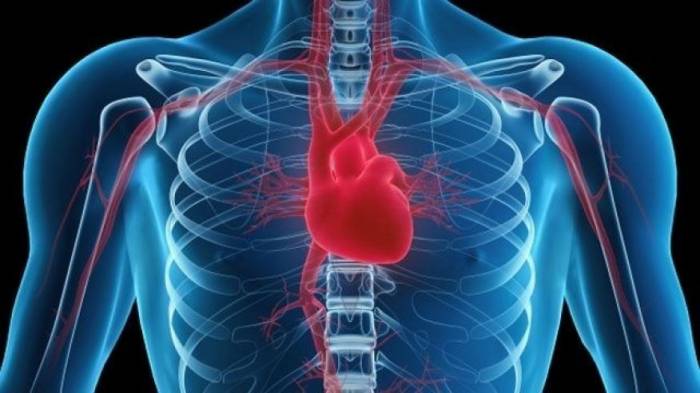
Your heart is a muscular organ that pumps blood to your body. Your heart is at the center of your circulatory system. This system consists of a network of blood vessels, such as arteries, veins, and capillaries. These blood vessels carry blood to and from all areas of your body.An electrical system controls your heart and uses electrical signals to contract the heart's walls. When the walls contract, blood is pumped into your circulatory system. Inlet and outlet valves in your heart chambers ensure that blood flows in the right direction.Your heart is vital to your health and nearly everything that goes on in your body. Without the heart's pumping action, blood can't move throughout your body.
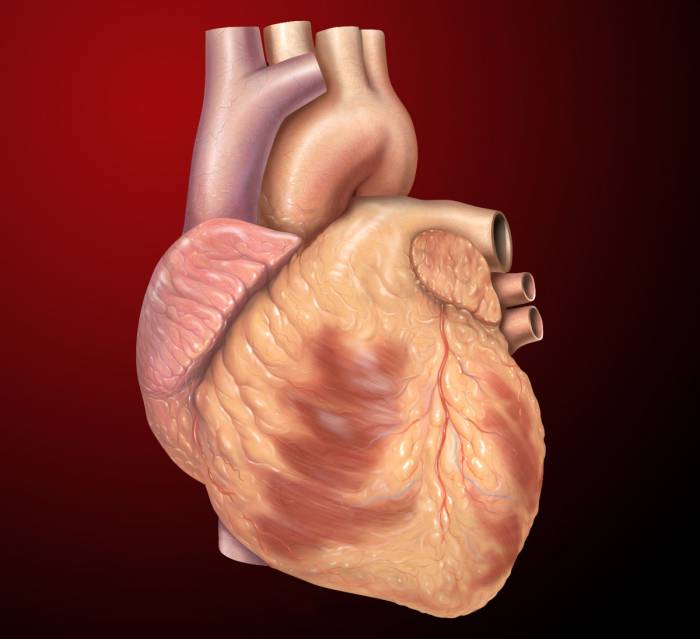
Your blood carries the oxygen and nutrients that your organs need to work well. Blood also carries carbon dioxide (a waste product) to your lungs so you can breathe it out.A healthy heart supplies your body with the right amount of blood at the rate needed to work well. If disease or injury weakens your heart, your body's organs won't receive enough blood to work normally.
#2 What Is a Heart Attack?
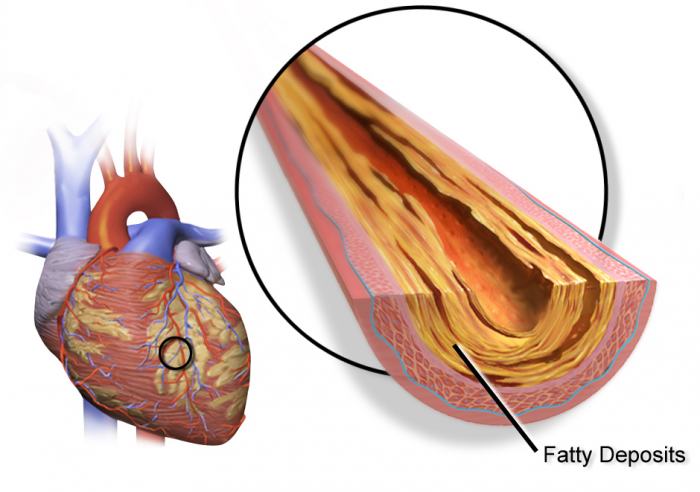
A heart attack happens when the flow of oxygen-rich blood to a section of heart muscle suddenly becomes blocked and the heart can’t get oxygen. If blood flow isn’t restored quickly, the section of heart muscle begins to die.Heart attacks most often occur as a result of coronary heart disease (CHD), also called coronary artery disease. CHD is a condition in which a waxy substance called plaque builds up inside the coronary arteries. These arteries supply oxygen-rich blood to your heart.When plaque builds up in the arteries, the condition is called atherosclerosis. The buildup of plaque occurs over many years.Eventually, an area of plaque can rupture (break open) inside of an artery. This causes a blood clot to form on the plaque's surface. If the clot becomes large enough, it can mostly or completely block blood flow through a coronary artery.
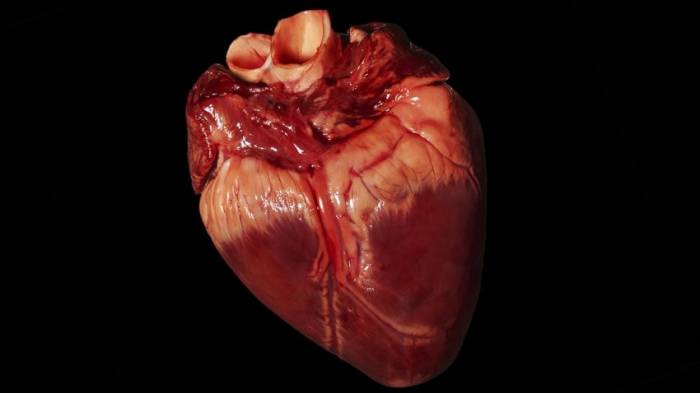
If the blockage isn't treated quickly, the portion of heart muscle fed by the artery begins to die. Healthy heart tissue is replaced with scar tissue. This heart damage may not be obvious, or it may cause severe or long-lasting problems.
advertisement
#3 Heart Failure Causes
Heart failure often develops after other conditions have damaged or weakened your heart. However, the heart doesn't need to be weakened to cause heart failure. It can also occur if the heart becomes too stiff.In heart failure, the main pumping chambers of your heart (the ventricles) may become stiff and not fill properly between beats. In some cases of heart failure, your heart muscle may become damaged and weakened, and the ventricles stretch (dilate) to the point that the heart can't pump blood efficiently throughout your body. Over time, the heart can no longer keep up with the normal demands placed on it to pump blood to the rest of your body.An ejection fraction is an important measurement of how well your heart is pumping and is used to help classify heart failure and guide treatment. In a healthy heart, the ejection fraction is 50 percent or higher — meaning that more than half of the blood that fills the ventricle is pumped out with each beat. But heart failure can occur even with a normal ejection fraction. This happens if the heart muscle becomes stiff from conditions such as high blood pressure.
#4 Heart attack
A heart attack occurs when a coronary artery becomes suddenly blocked, stopping the flow of blood to the heart muscle. A heart attack damages the heart muscle, resulting in a scarred area that does not function properly.

advertisement
#6 Coronary artery disease
Coronary artery disease (CAD), a disease of the arteries that supply blood and oxygen to the heart, causes decreased blood flow to the heart muscle. If the arteries become blocked or severely narrowed, the heart becomes starved for oxygen and nutrients.
advertisement
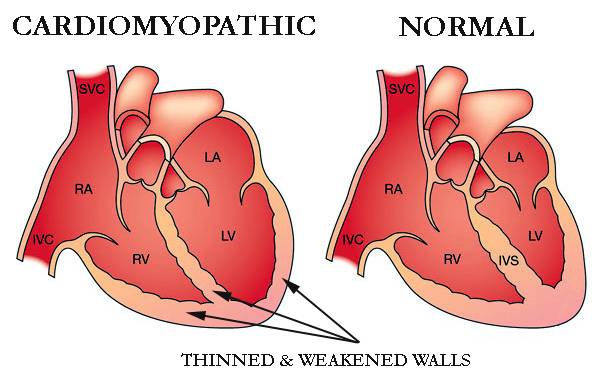
#7 Cardiomyopathy
Damage to the heart muscle from causes other than artery or blood flow problems, such as from infections or alcohol or drug abuse.
advertisement
#5 Heart attacks more likely on Mondays
More people are diagnosed with serious heart conditions, including heart attacks on Mondays than any other day of the week.According to the new research more than 45,000 heart patients treated at 11 public hospital emergency departments between 2008 and 2012, and showed the number of people presenting with heart conditions on a Monday was at least 27% higher compared to either Saturday or Sunday.Patients on a Monday were also more likely to make their own way to hospital rather than call an ambulance and more likely to show up during work hours from 9am to 5pm.Why do Mondays continue to be the peak day for arrhythmias? I believe that your body always remembers and anticipates stressful events. So, even though the participants in the study were not working, the fact that their bodies anticipated going to work on Monday triggered the identical biochemical stress hormones, increasing the heart attack risk factors that led to potentially lethal ventricular arrhythmias.
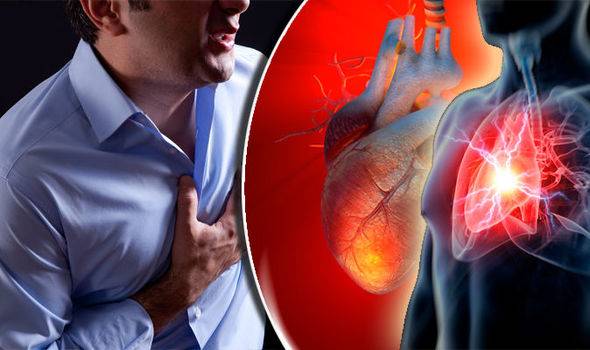
Remember that there is a strong link between stress and heart attack risk factors and cardiovascular disorders. On Sundays, plan a relaxing evening and turn in early so you get a sound night's rest. Also, avoid rushing to work, highly charged meetings and heavy exercise before midday Monday, all of which can be heart attack risk factors. Plus, do your best to avoid over-scheduling yourself on Mondays, so you can take the day at a more relaxed pace.