

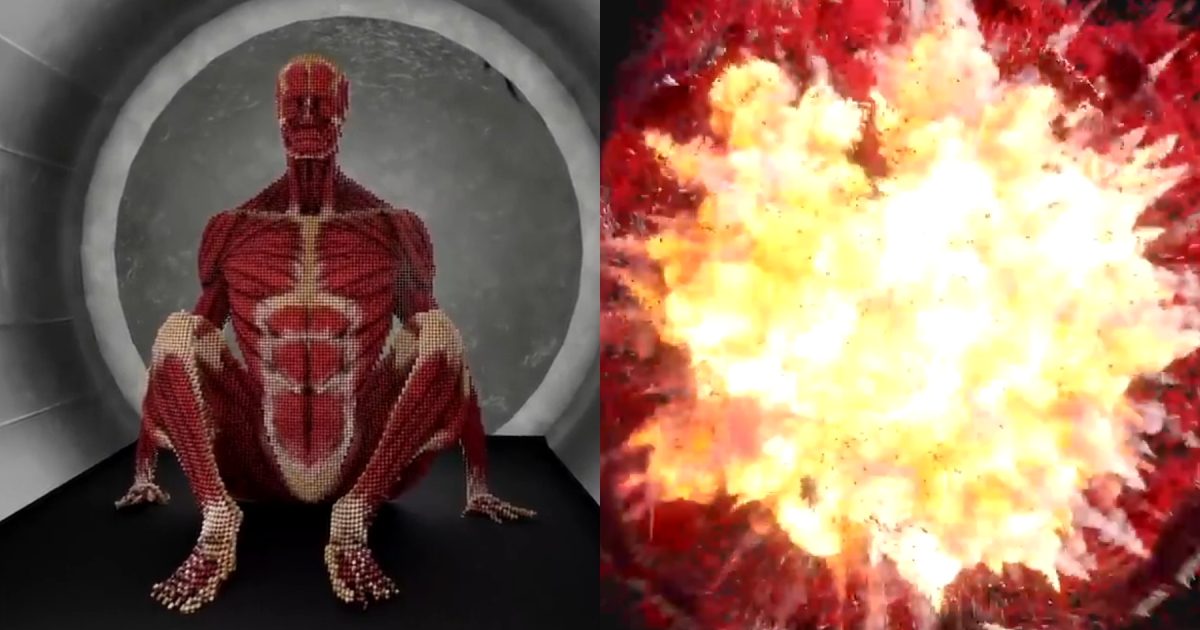
A chilling simulation reveals the effects on the body at a depth of 3,800 meters beneath the sea.
Horrifying Simulation Shows How A Human Body Implodes In The Deep Ocean
By
Harsh Rana in
Science and Technology
On 13th June 2024
advertisement
A chilling and sobering simulation vividly illustrates the profound effects on the human body when submerged 3,800 meters beneath the sea.
For many, diving to about 40 meters beneath the sea seems safe enough, but any underwater activity carries risks.
Even at just 20 meters deep, the water pressure is roughly three times stronger than at the surface — so you can imagine how intense it gets thousands of meters down.
The pressure would cause the lungs to collapse and blood vessels to rupture, resulting in severe internal bleeding.
Going too deep underwater can be fatal for humans.
Jeremy Bishop/Pexels
Experts indicate this would lead to death within minutes, as the body's tissues are compressed beyond their limits.
advertisement
The immense forces exerted by the waters at those depths illustrate the formidable challenges and dangers of deep-sea exploration.
According to one expert, the Titan passengers' deaths will have been 'sudden'.
As it's hard to fathom, a simulation was created to demonstrate the potential effects on the human body at nearly 4,000 meters beneath the ocean's surface.
This was specifically designed to replicate the conditions encountered by passengers aboard OceanGate's Titan submersible during their voyage last year.
advertisement
Despite being designed to withstand immense water pressure, reports during the tragic incident indicated that the submarine's hull collapsed under the extreme conditions.
This catastrophic failure resulted in the implosion of both the submersible and its occupants.
advertisement
The victims were identified as Hamish Harding, aged 58, Shahzada Dawood, aged 48, and his 19-year-old son Sulaiman Dawood, along with Paul-Henry Nargeolet and OceanGate CEO Stockton Rush.
Tragedy struck when the submarine lost contact with the surface at approximately 3,500 meters below sea level.
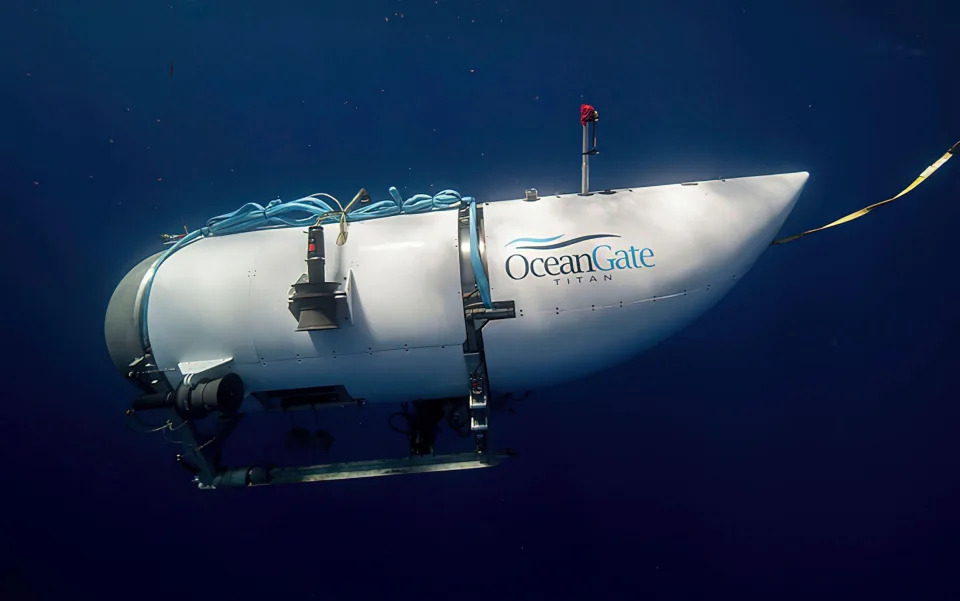
Titan suffered a 'catastrophic implosion', which killed all the passengers onboard.
OceanGate/Becky Kagan Schott
At that depth, the pressure of water above the vessel equaled the weight of the Eiffel Tower, according to a report by BBC News.
advertisement
The devastating event underscored the perilous nature of deep-sea exploration, highlighting the challenges even advanced technology faces in the abyssal depths of the ocean.
Consequently, both the submersible and its occupants suffered implosion. The conditions at such extreme ocean depths would be utterly crushing for a person.
advertisement
Last year, Dr. Dale Molé, who previously served as the director of undersea medicine and radiation health for the US Navy, provided insights to the Daily Mail:
"It would have been so sudden, that they wouldn't even have known that there was a problem, or what happened to them."
advertisement
"It's like being here one minute, and then the switch is turned off. You're alive one millisecond, and the next millisecond you're dead."
Molé continued: "They would have been ripped to shreds."
advertisement
"An implosion is when the wave of pressure is inward."
"Whereas, an explosion is when the pressure wave or the shock wave goes out from whatever the source of that is."
advertisement
Molé continued: "They would have been ripped to shreds. An implosion is when the wave of pressure is inward."
"Whereas, an explosion is when the pressure wave or the shock wave goes out from whatever the source of that is."