

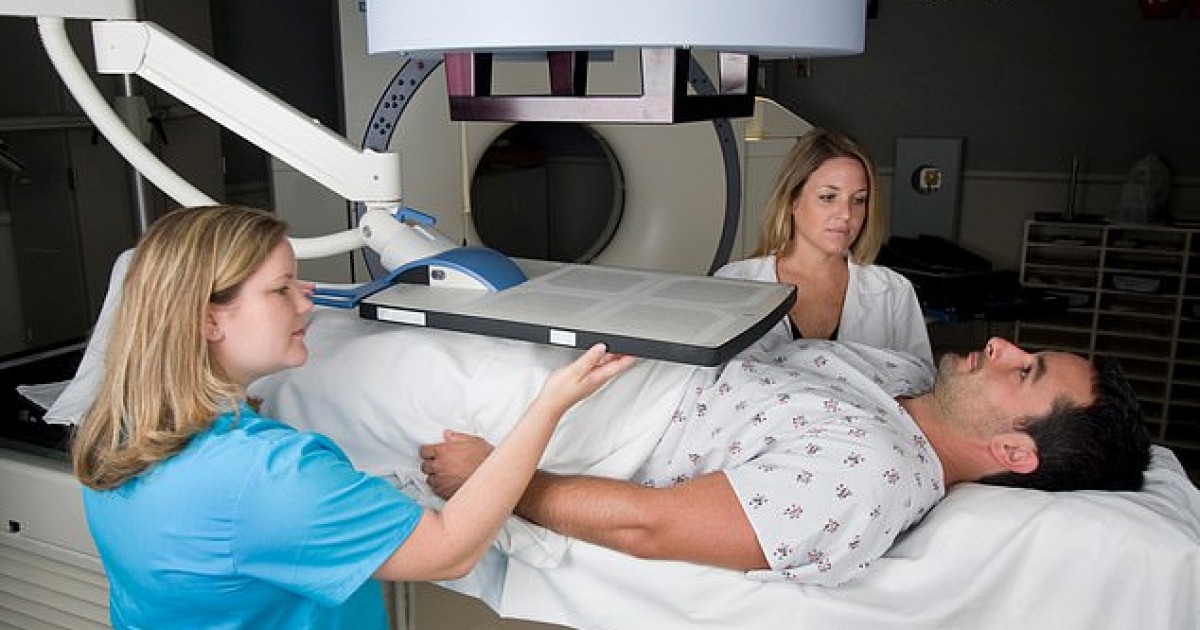
As the word 'female' has been replaced by 'individuals' for medical procedures, it is imperative for medical staff to ask all patients before undergoing radiotherapy, diagnostic imaging, or nuclear treatments, if they are pregnant to ensure the safety of an unborn child. However, people are not happy with this additional formality, and patients and their families have also complained of 'unnecessary confusion and agitation' for vulnerable patients.
Hospital Are Asking Men If They Are Pregnant Before Beginning Cancer Treatment
By
Samantha in
Health and Fitness
On 5th April 2022
advertisement
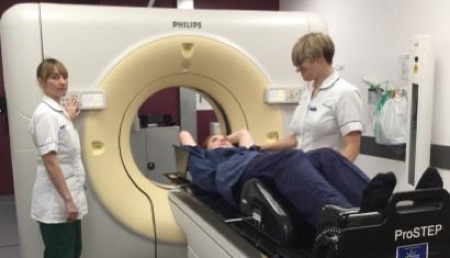
Men are now asked by the hospitals if they are pregnant before starting their cancer treatment.
As the word female has been replaced by 'individuals' for medical procedures, doctors are asking cancer patients and those having X-rays and MRI scans if they are pregnant, even if they are not a woman.
Alamy
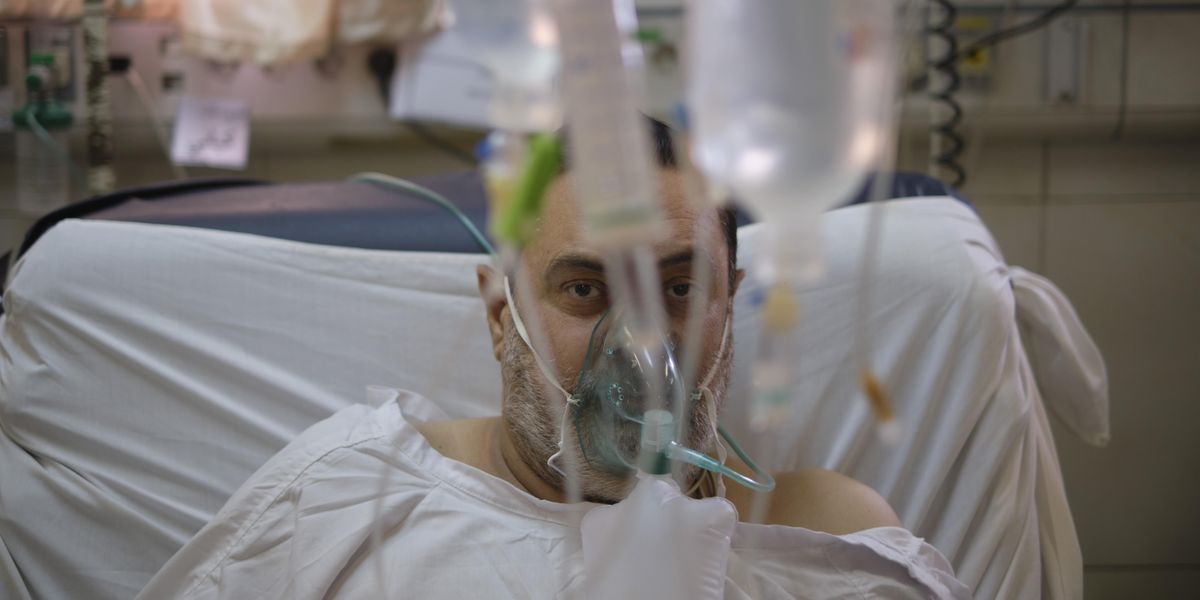
Reportedly, in Liverpool, the Walton Centre NHS Trust now asks 'all patients under the age of 60, regardless of how you may identify your gender' whether they could be having a baby.
Even though this is not a national policy at NHS England, few of the trusts are asking this question.
advertisement
Radiotherapy, diagnostic treatment, and nuclear medicine pose grave consequences for the unborn child and so the medics must ensure that the person is not pregnant before continuing with these procedures.
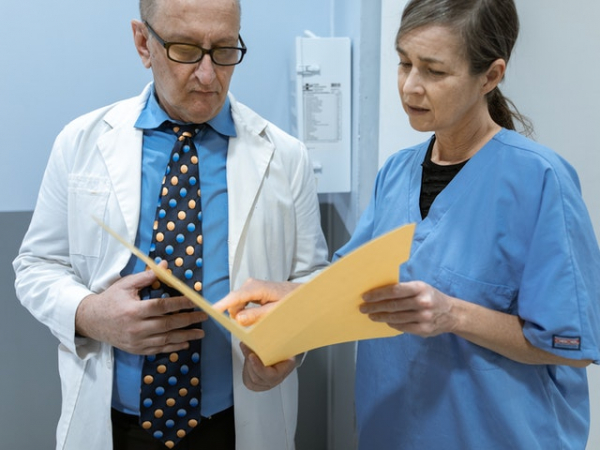
In 2017, regulations regarding these checks were updated by the Department of Health to be more inclusive – changing those who should be questioned from 'females of childbearing age' to 'individuals of childbearing potential'.
Getty Images
Additionally, campaigners warned that it was the beginning of a 'clinically dangerous' move to record only gender, and not sex, on medical records.
And they said that those who are born male cannot conceive.
Patients and their families have also complained of 'unnecessary confusion and agitation' for vulnerable patients.

Getty Images
advertisement
The Society of Radiographers last November advised medics it was 'important to check with all patients for any possibility of pregnancy'.
A spokesman for the Walton trust also told the Daily Telegraph that its policy 'adheres to national legislation, as certain amounts of radiation can be harmful to foetuses in utero'.
Alamy