

Now that the festivities of New Year's Eve are well and truly over, we can all begin to look forward to what's to come in 2024.
advertisement
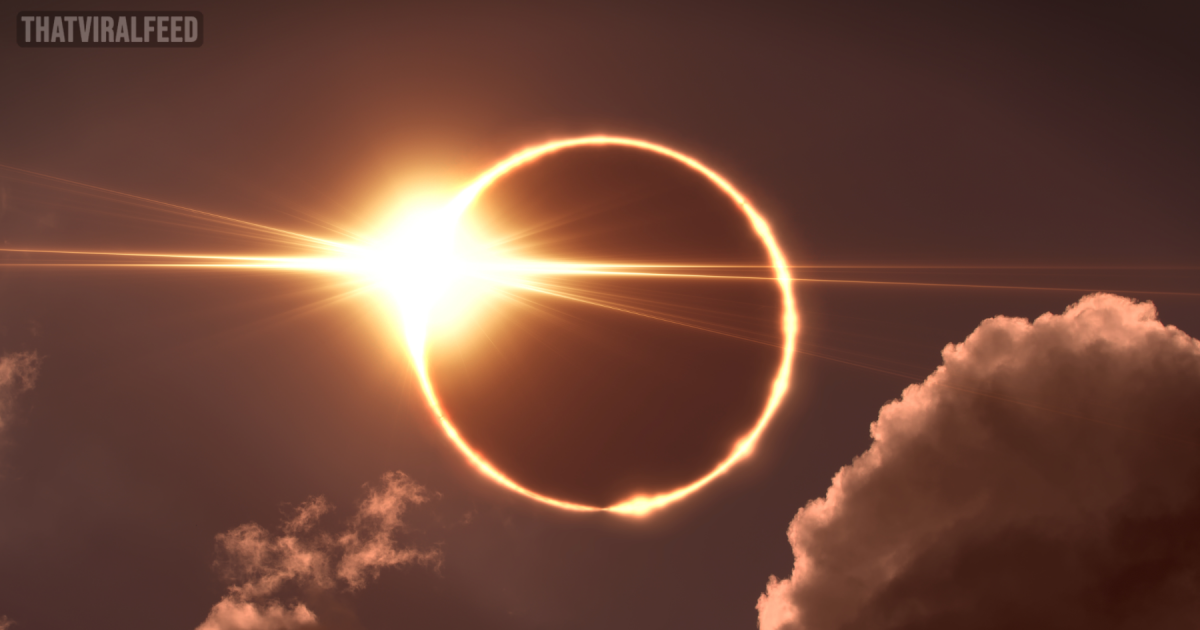
As we leave the New Year's Eve celebrations behind, there's a lot to look forward to in 2024, with one of the most exciting events being the total solar eclipse.
This astronomical phenomenon is set to sweep across North America, creating a path that includes Mexico, the United States, and Canada.
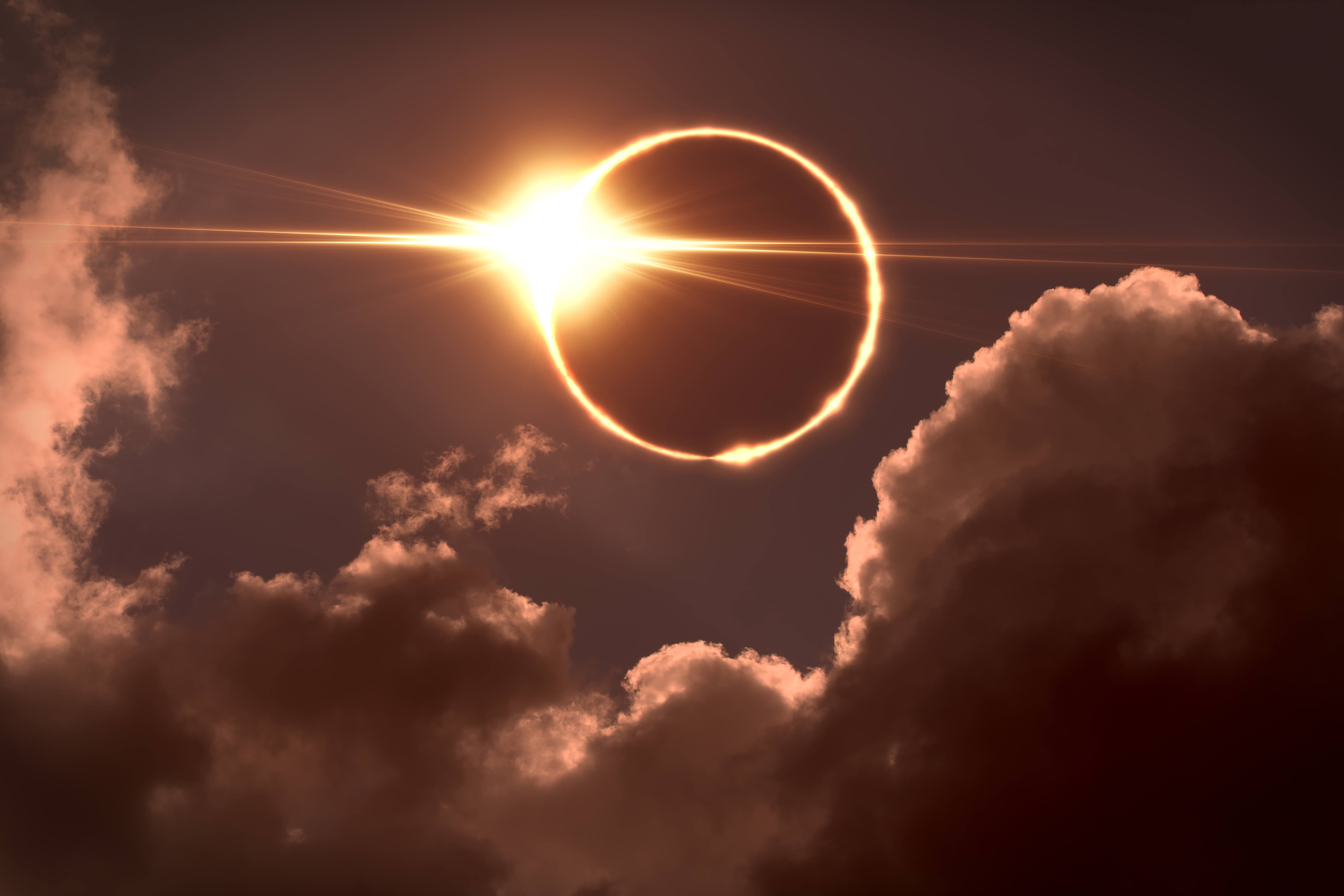
Credit: Pitris / Getty Images
The eclipse is expected to begin its journey over the South Pacific Ocean and then make its first appearance on continental North America along Mexico's Pacific coast around 11:07 am PDT on April 8th.
advertisement
From there, its path will take it through a total of 13 states in the United States.
NASA has detailed the eclipse's trajectory, starting from Texas and moving through states including Oklahoma, Arkansas, Missouri, Illinois, Kentucky, Indiana, Ohio, Pennsylvania, New York, Vermont, New Hampshire, and Maine.
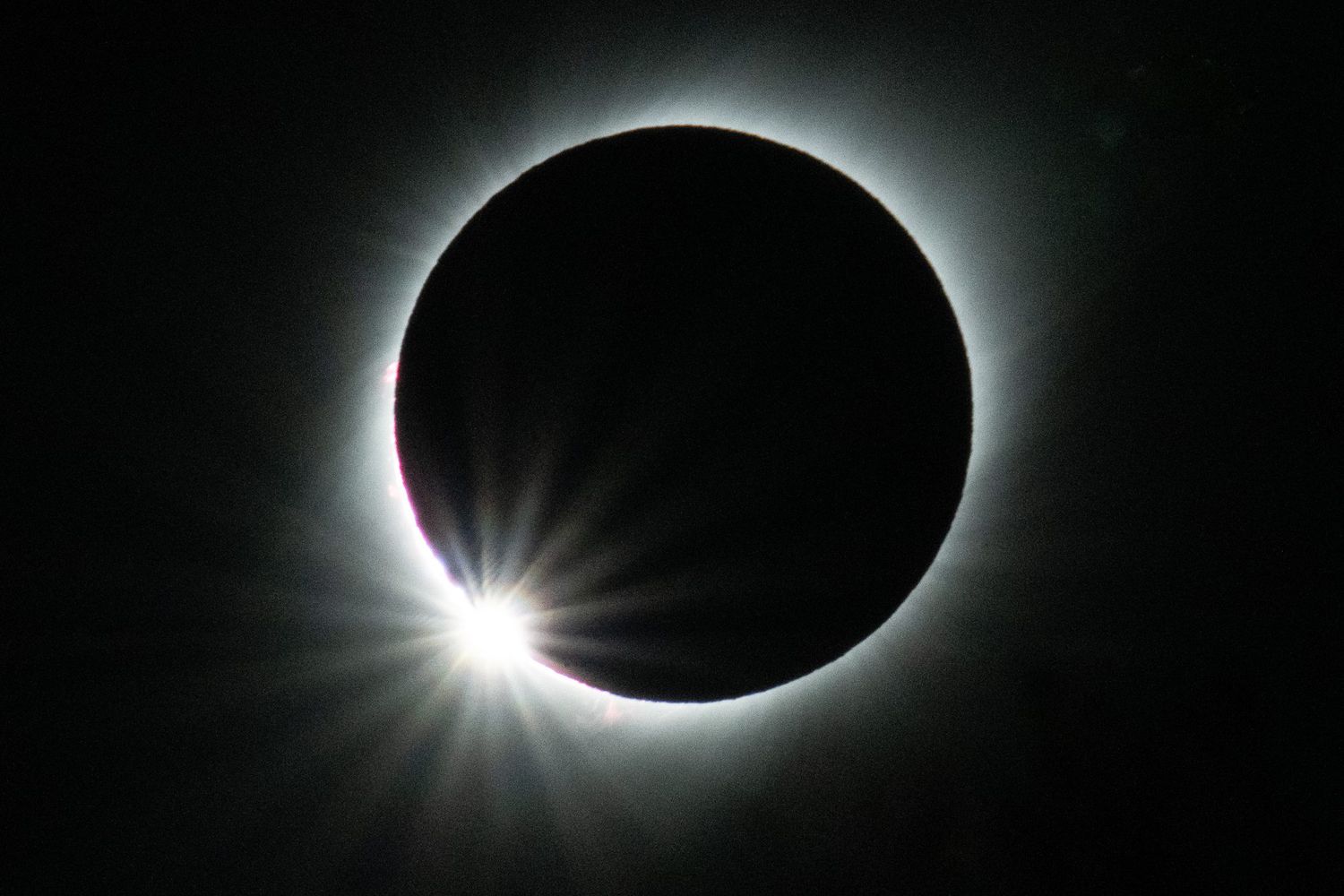
Credit: Edwin Remsberg/Getty
After crossing the United States, the eclipse will head into Canada, passing through regions like Southern Ontario, Quebec, New Brunswick, Prince Edward Island, and Cape Breton.
advertisement
Its journey across continental North America will conclude on the Atlantic coast of Newfoundland, Canada, around 5:16 pm NDT.
Total solar eclipses, characterized by their dramatic 'totality' phase where the Moon completely obscures the Sun's light, are relatively rare events, occurring roughly once every one to two years.
advertisement
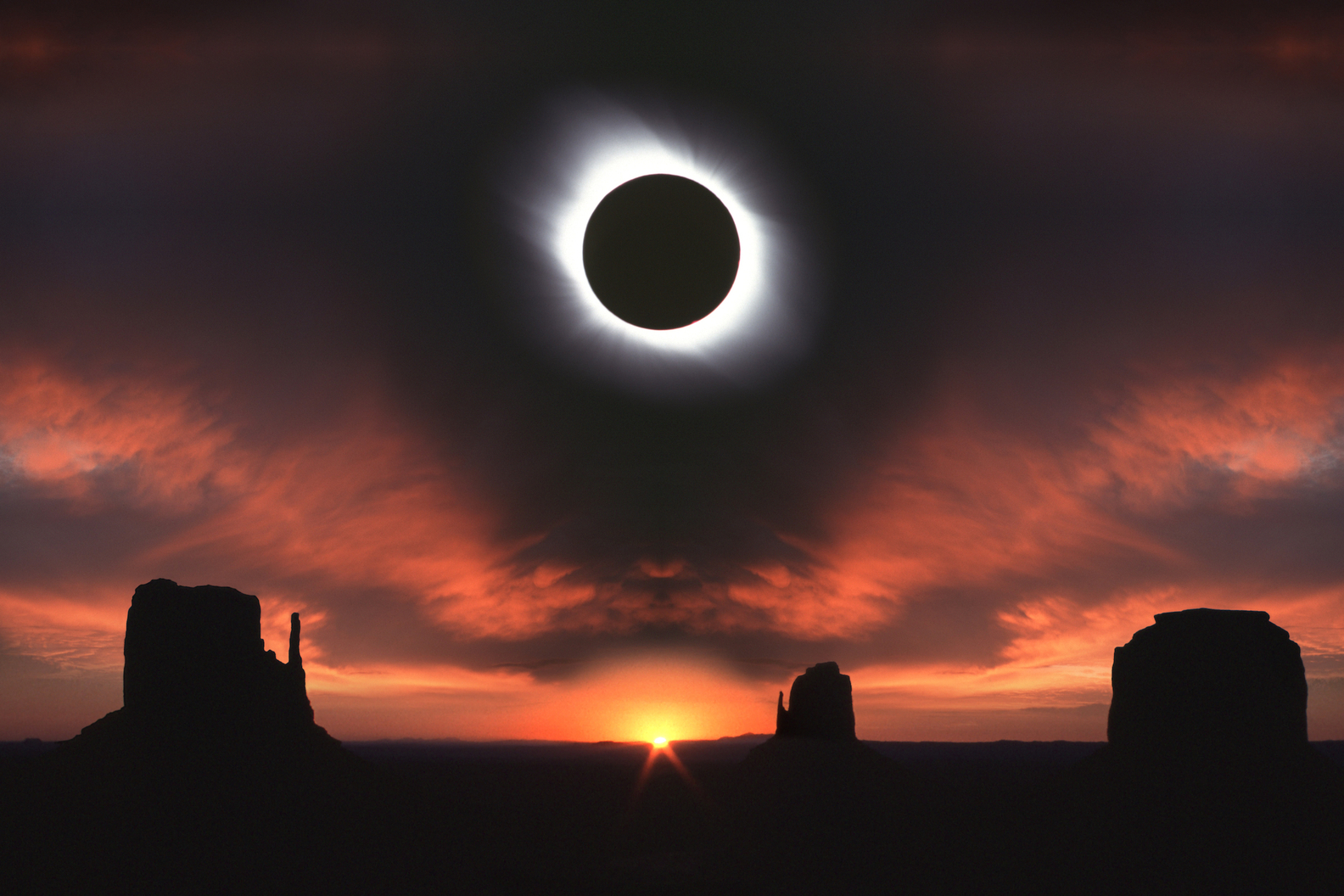
Credit: Diane Miller / Getty Images
During the totality phase, the Moon perfectly aligns between Earth and the Sun, blocking out the Sun's light entirely.
advertisement
For those in the UK, this total solar eclipse won't be visible, but it presents a perfect excuse for a holiday across the Atlantic to experience this celestial spectacle.
If you're planning to observe the eclipse, remember the golden rule of eclipse viewing: never look directly at the Sun.
advertisement
It's essential to protect your eyes by using special eclipse glasses or solar viewing binoculars.
For the DIY enthusiasts, there's the option of creating a pinhole projector.
advertisement
This simple device can be made by poking a hole in a card and using it to project the Sun's image onto another card.
This method allows you to safely view the eclipse's progression in a miniature form, capturing the essence of the event in a unique and hands-on way.