
#1: Colorblindness Actually Affects A Large Number Of The Population, So It Is Not Uncommon.
A study conducted in 2012 concluded that Roughly 1 in 12 men suffer from some degree of color blindness, and 1 in 4 women are carriers of the color blindness gene. There have also been numerous study based on nationality, country, etc.

#2: Their Are A Number Of Factors That Contribute To Colorblindness
Â

#3: Damage To The Eye
Can also cause colorblindness whether its physical or chemical damage to the optic nerve, or parts of the brain. For example, people with achromatopsia suffer from a completely different disorder, but are nevertheless unable to see colors.

#4: There Are A Few Different Types Of Colorblindness
Â

#5: Total Colorblindness
Achromatopsia is defined as the inability to see color, these people only see black and grey.

#6: Red-Green Colorblindness
Â
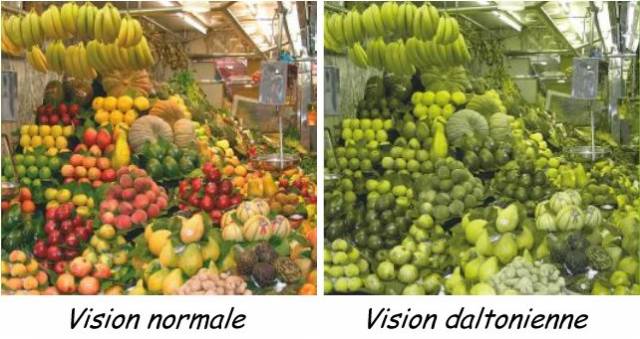
#7: Blue-Yellow Colorblindness
This type is not as common and can occur equally in both men and women since it is not sex-linked. The blue gene receptor lays on the chromosome 7. These people simply suffer from the inactivation or mutation of the short-wavelength sensitive cone system.

#8: What Do You See When You Look At This?
Â
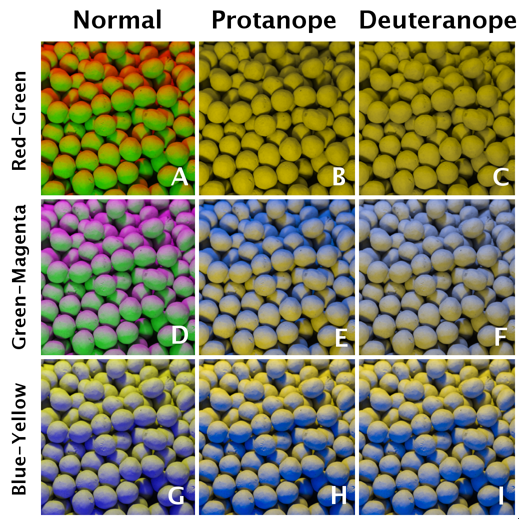
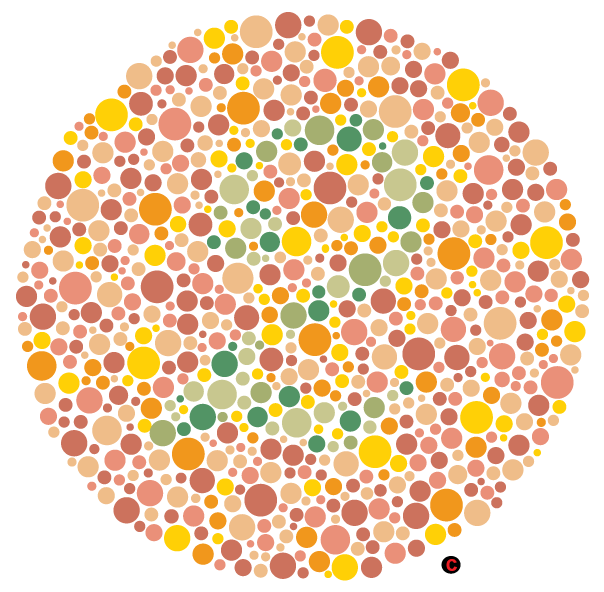
#9: Ishihara Color Test
Consists of a series of pictures of colored spots, is the test most often used to diagnose redgreen color deficiencies.
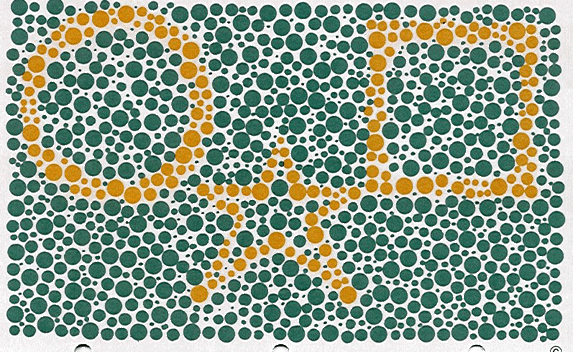
#10: Example #1 of Ishihara Color Test with Numbers
Â
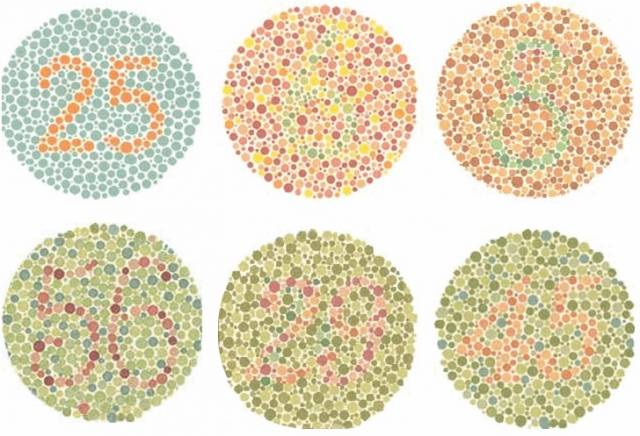
#11: Example #2 of the Ishihara Color Test with Numbers
Which number do you see? Hopefully it's the number 2!
#12: Farnsworth Lantern Test
A test of color vision originally developed specifically to screen sailors for shipboard tasks requiring color vision, such as identifying signal lights at night. It screens for red-green deficiencies, but not the much rarer blue color deficiency.
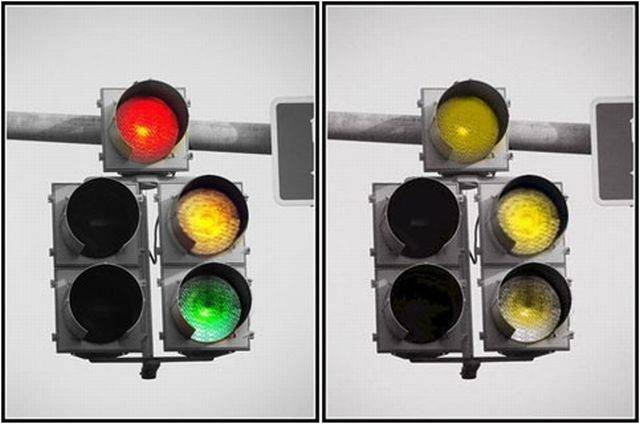
#13: Example #2 of the Farnsworth Lantern Test
Â

#14: Colorblind People Don’t Have It All Bad
It has been said that they can even perceive certain colors others can't. Kind of like a 6th sense.

#15: Are You Colorblind?
If you are, it's mostly been considered a very mild disability. Many people lead a normal and long lasting healthy life.