The psychology of color can influence everything from our blood pressure to our mood and overall experience. Color and our appetite for foods are closely related and can affect our perception of taste. So which colors can whet your appetite? And more importantly for those looking at losing weight, what colors can suppress your appetite?
advertisement
#1
Think about the color of the food you eat on a daily basis. There’s probably a lot of leafy green, some nice fruity reds and oranges, cereal browns and dairy whites. But how about blue? Okay, maybe blueberries qualify, or if you have an exuberant potato vendor at your farmers market you may be getting some blue-ish potatoes–but in general blue isn’t the darling child in nature’s scheme of food hues. Consequently, we haven’t evolved an automatic appetite response to blue–in fact, our primal instinct seems to tell us to step away from the blue food.
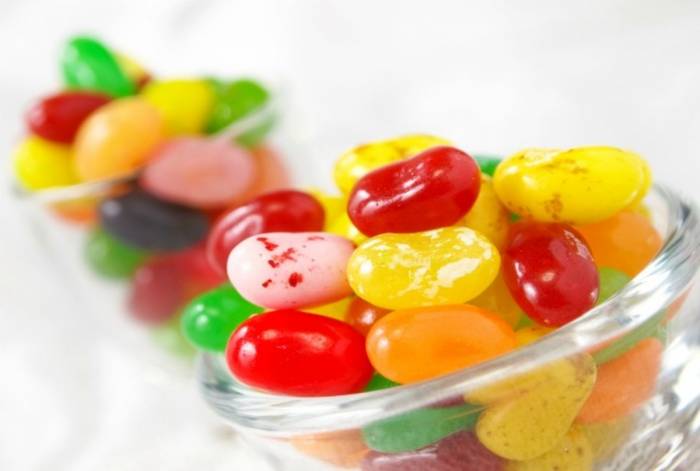
Research backs up the idea that certain colors suppress your appetite while others excite it. (And you can imagine the amount of research processed food companies put in to extract such make-or-break information!) Blue constantly wins the least-appetizing color award. Gary Blumenthal from International Food Strategies reports that, “Color and the appeal of various foods is closely related. Just the sight of food fires neurons in the hypothalamus. Subjects presented food to eat in the dark reported a critically missing element for enjoying any cuisine: the appearance of food.
#2 The Color of Your Plates Matters!
Does the color of your plate affect how much you eat? A new study by Dr. Brian Wansink and Dr. Koert van Ittersum indicates that it does - or more specifically that the color contrast between food and plate creates an optical illusion known as the Delboeuf illusion, after the Belgian scientist who discovered it in 1865 that induces you to take more than you realize.

1.Diners serve themselves more food if the color of their food matches the color of their plate
2.People serve themselves less when their dinnerware and its background do not contrast in color
3.Placing dinnerware on a similarly colored background (tablecloth, etc.) can alter your perception and make you think your food “fills” more of the plate. 4.Because of this, you’re less likely to over-serve yourself
advertisement
#3 Red color triggers appetite.
The color of interest today, red, can have many different meanings – from demanding and aggressive to stimulating and lively. It is widely used in the restaurant industry. Red appears closer than it is and grabs people’s attention. It is also a very stimulating color.
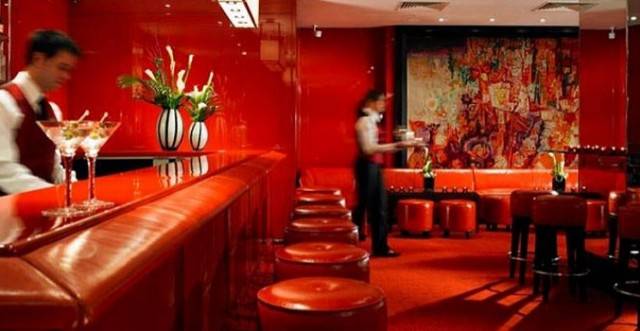
Red raises the heart rate and triggers appetite because of its effect on metabolism. You might have noticed that most fast food franchises use red in their logos for these exact reasons. Because of the urgency and excitement the color induces, people are more likely to leave quickly which is exactly what fast food franchises want.
#4 Blue an unappetizing color..
Of all the colors in the spectrum, blue is an appetite suppressant. Weight loss plans suggest putting your food on a blue plate. Or even better than that, put a blue light in your refrigerator and watch your munchies disappear. Or here's another tip: Dye your food blue! A little black will make it a double whammy.

Blue food is a rare occurrence in nature. There are no leafy blue vegetables (blue lettuce?), no blue meats (blueburger, well-done please), and aside from blueberries and a few blue-purple potatoes from remote spots on the globe, blue just doesn't exist in any significant quantity as a natural food color.
Consequently, we don't have an automatic appetite response to blue. Furthermore, our primal nature avoids food that are poisonous. A million years ago, when our earliest ancestors were foraging for food, blue, purple and black were "color warning signs" of potentially lethal food.
advertisement
#5 Yellow color stimulates your appetite
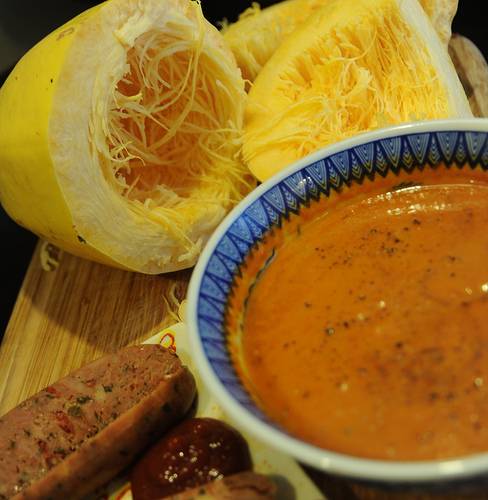
The color yellow has also been found to stimulate your appetite because yellow is associated with happiness. Your brain actually secretes more serotonin, a feel-good hormone, when you see yellow. This is why you may have noticed that many restaurants have yellow flowers on the table because yellow makes you feel optimistic and the more optimistic you feel, the more likely you are to splurge on your meal. Similarly to yellow, foods that are orange often elicit feelings of warmth and comfort.
advertisement
#6 White..
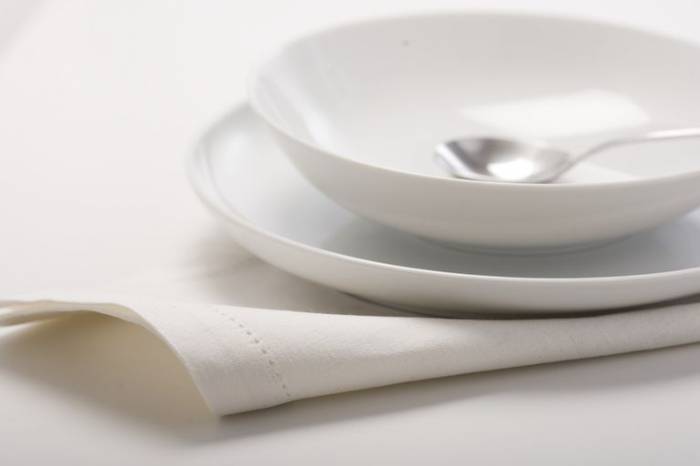
Plain white foods often cause food consumption in an excessive manner. White foods have the effect that can make you forget how much you have eaten already. If you want to take your loss of appetite to a remedial level, eating white foods can help. Just make sure that you do not end up overeating.
advertisement
#7 Orange a stimulant of appetite
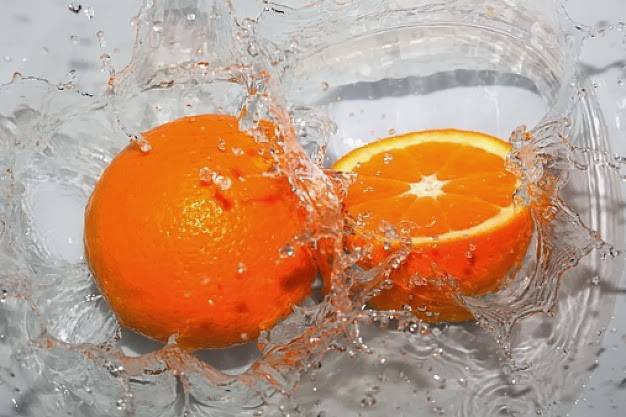
Orange is also stimulating to the appetite. If you love having people around the kitchen table, orange will keep them talking and eating for a long time. Many restaurants use pastel versions of orange, such as apricot or peach or deeper versions such as terracotta, for their décor as they are more subtle than red, yet still increase the appetite and promote conversation and social interaction, which in turn encourages patrons to have a good time and to eat and drink more.
advertisement
#8 Green a healthy color
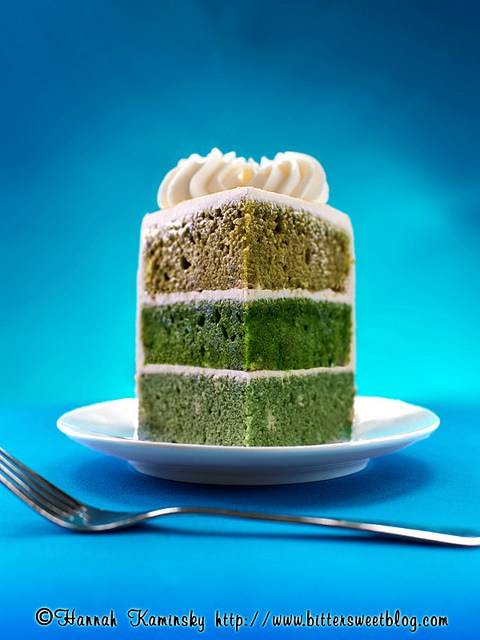
The color green is such a healthy color. Salads are filled with green foods and most products considered being more natural than others are usually contained in green packaging. Many people are attracted to the color green and associated it with abundance. This is a good color to promote healthy eating and lots of it
advertisement
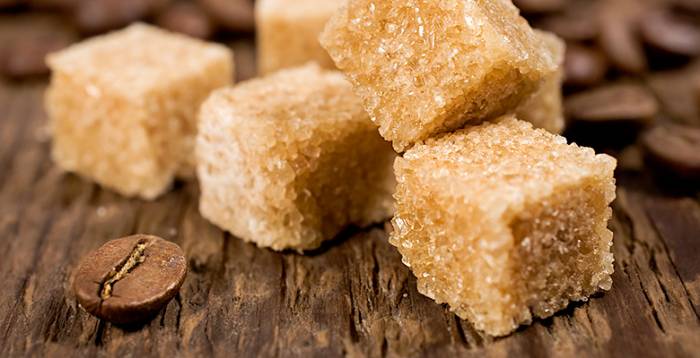
#9 Brown color suppress appetite
The color brown is another dark color that tends to make people not feel very hungry.
Brown reminds people of food that has been overdone or burnt.
A few people might think of homemade bread or other baked goods when looking at the color brown, but for the most part this is a color not associated with an increase in one’s appetite.
advertisement
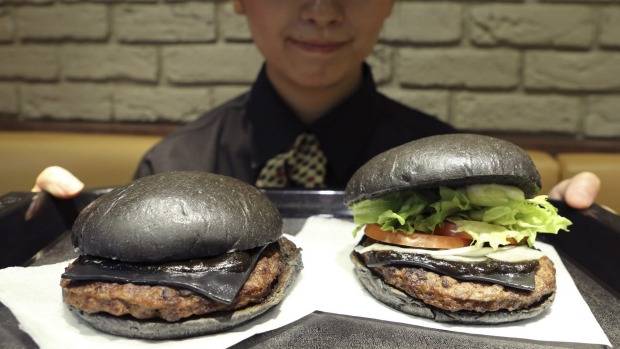
#10 Black color also suppresses appetite
Also on the list of colors that tend to suppress appetite is black. Black is a very dark color and most people will eat more when they experience feelings of happiness and excitement. This tends to come about from brighter colors, putting black on the outs.
advertisement
#11 colors and appetite..
Colors and appetite may be linked, but they can also be adjusted to fit our tastes, diets and styles. The next time you step into a restaurant or browse a farmer’s market stand, be sure to take note of the color schemes around you and the games they may be playing with your appetite