
Agriculture and the domestication of animals helped spur the human race from hunter-gatherers to self-sufficient land settlers. But just how did these animals get their start as pets or commodities?
advertisement
#1 Cats
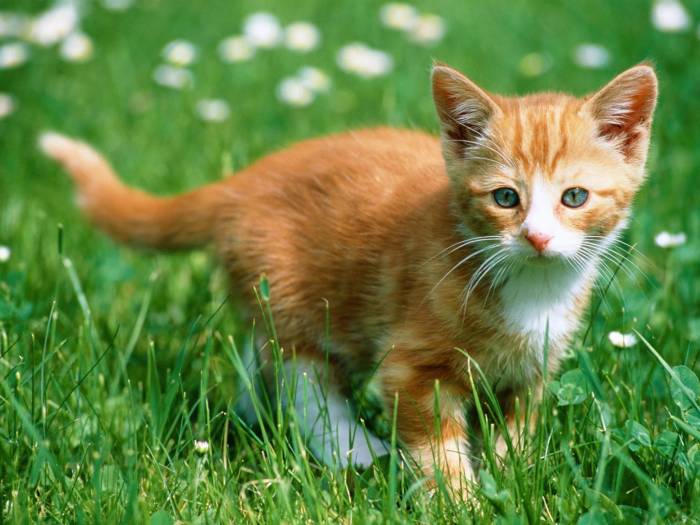
Ancient Egyptians were the first to domesticate cats as early as 4,000 years ago, but some evidence of a Neolithic site of Shillourokambos shows they were present before that time period. By the time of the earliest civilization cats have already acquired in the human mind a characteristic which they have never lost - the quality of mystery. In the temples of Egypt, cats are sacred animals and are mummified with humans. In folk stories from around the globe, a cat is a natural companion for people who possess an alarming second sight, such as witches. The cat has been able to take what it wants from man (food, shelter, play) and to pay its dues in return (pest control) without losing contact with its original identity, able to fend for itself in the wild or in the home as a pet.
#2 Goats
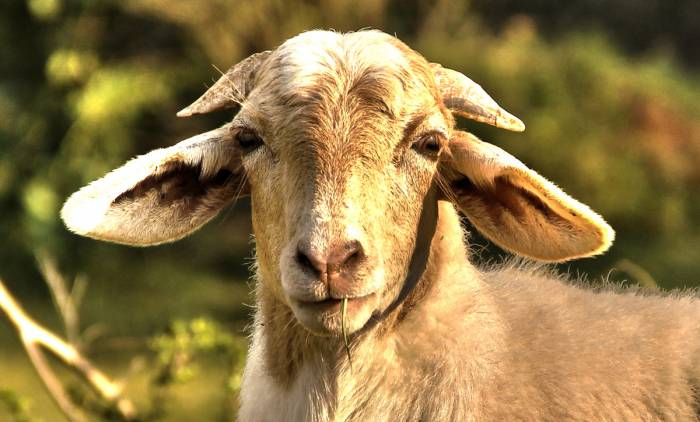
The goat, like the sheep, became the standard animals of the nomadic pastoralists - tribes which move all year long with their flocks, guided by the availability of fresh grass. Originally they were moved from place to place to keep them from being captured and killed for food by other tribes. Goats were among the first domesticated animals and were adapted from the wild version of Capra egregious 11,000 years ago. Neolithic farmers began keeping small herds of goats for their milk and meat, their dung for fuel, and hair, bone, skin, and sinew for clothing and tools. The first goats derived from two different areas, the Euphrates river valley at Nevali Cori, Turkey, and the Zagros Mountains of Iran at Ganj Dareh. The goat will become wild if given the chance to do so as it is a browsing animal and not a grazing animal like cattle or sheep. Most goats thrive in high altitudes and can climb in very rocky or mountainous regions.
advertisement
#3 Camels
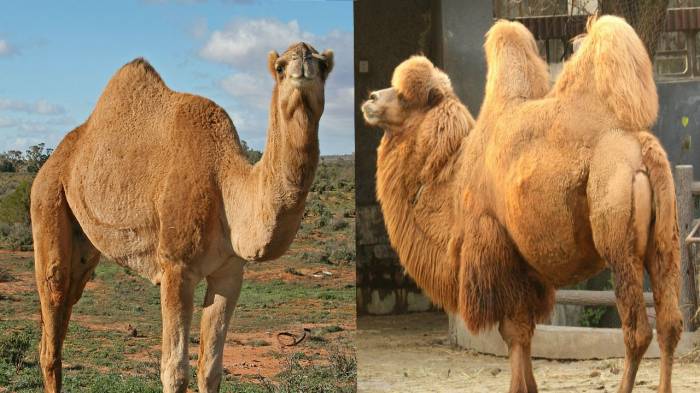
There are only two species of camel left in the world today, the dromedary, or one-humped camel, which inhabits the Middle East and the Horn of Africa, and the Bactrian, or the two-humped camel, which inhabits Central Asia. The two camels were domesticated at nearly the same time period of between 2,500 and 3,500 BC in Asia. The camels were then moved in herds from one part of the world to another as they became a common use for travel, carrying cargo, providing milk, meat, hair for textiles and goods such as felt pouches for trade. The two-humped camel was initially only used for military use and was often slaughtered and left without using the meat for food by the people of Asia.
#4 Sheep
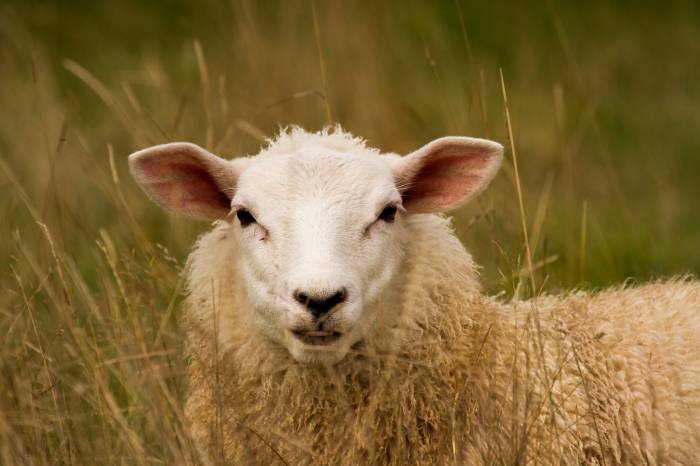
Known as Ovis aries, the sheep was domesticated in 11,000 BC in ancient Mesopotamia from the wild mouflon. It is one of the very first animals to be used and domesticated by humans. Today, Ovis aries is an entirely domesticated animal that is largely dependent on man for its health and survival and can rarely be found in the wild. The first use of the sheep was for the wool, which many believe was the most important factor in man's travel through colder regions. The earliest bones found of a sheep were discarded in a settlement at Shanidar, in what is now northern Iraq. Just a few thousand years later the animal would become a travelling agricultural gypsy, moving to wherever there was green grass to feed them.
advertisement
#5 Pigs
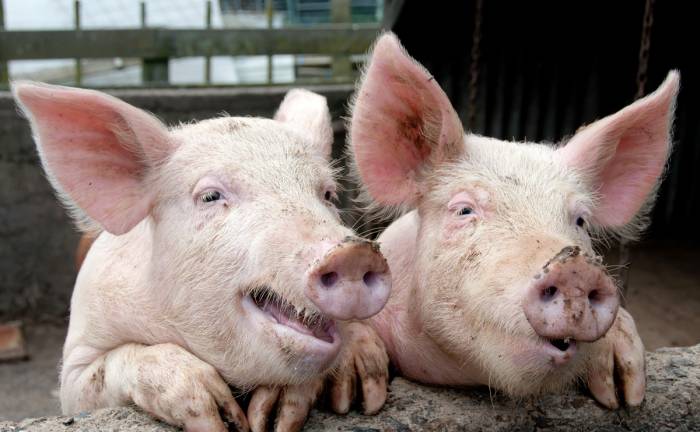
Known as hogs or swine, the domestic pig is scientifically called Sus domesticus and was domesticated from the wild boar between 13,000 and 12,700 B.C. in the Near East's Tigris Basin. Bones of the pig have been discovered in Europe dating back to about 11,000 BC and show that the animal was domesticated in the Cyprus region earlier than in other areas of the world including China, where domestication only dates back as far a 7,500 BC. The first pigs were used to make fuel from their fat, as well as for food, bones for tools and weapons, and bristles for brushes. In Australia and New Zealand the domestic hog has gone wild once more and is causing significant damage to the environment.
advertisement
#6 Horses
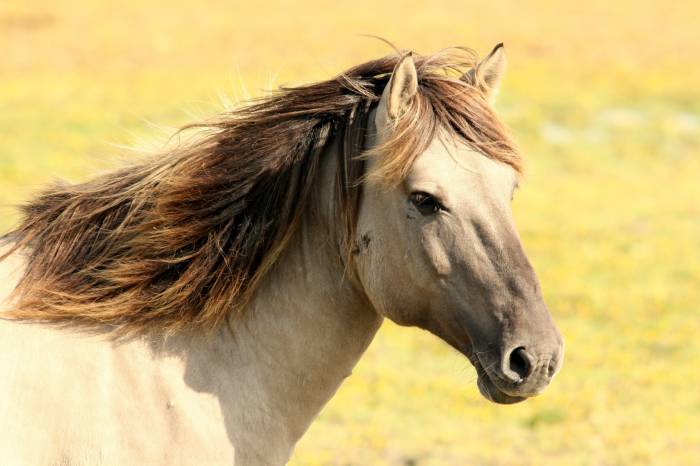
Humans domesticated the wild horse in about 30,000 BC. Carvings of the horse and paintings can be found in caves dating back that far, as well as bones discovered among human remains dating from the Paleolithic era. The entire range of horses known to us, from the mighty carthorse down to the smallest ponies, is the result of human breeding. Other wild breeds, now extinct, have been added to the stock. One such example is the tarpan, which was the native breed in Europe and the size of a pony. The use of horses spread rapidly across Eurasia for transportation, agricultural work, and warfare. Many groups of wild horses still thrive around the world, giving researchers a glimpse at how they may have lived prior to becoming domesticated.
advertisement
#7 Chickens
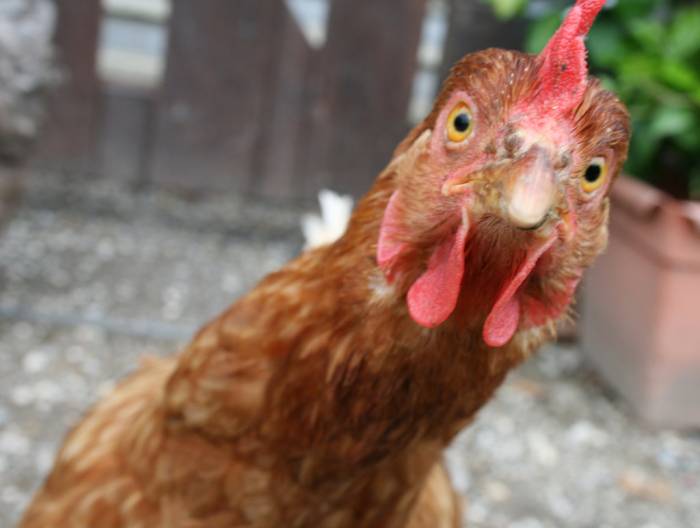
Gallus domesticus, or the common Chicken, is a domesticated fowl used primarily as a source of food, both for their meat and eggs. Derived from the wild red junglefowl approximately 10,500 years ago, the bird still runs wild in most of Southeast Asia. It is thought that all domestic poultry in the world today are descended from this one species. The chicken, or poultry in general, does not have to forage for food and is now bred to produce bigger eggs or to be larger in size for meat than its ancestors.
advertisement
#8 Cattle
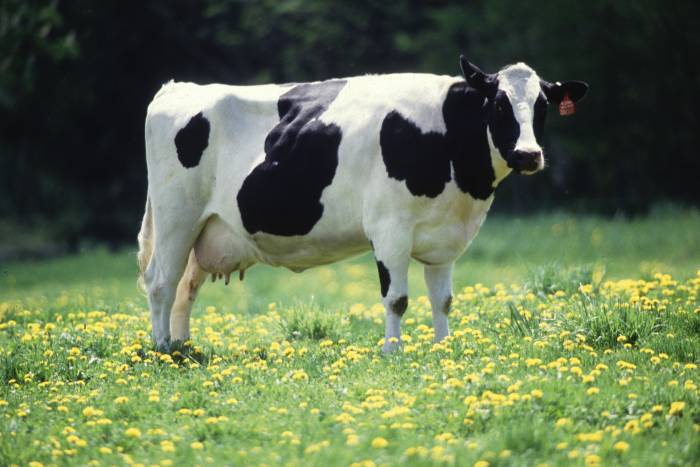
As early as 9000 B.C., both grain and cattle were used as money or as barter, giving the seller the ability to set a fixed price. The common cow has descended from one of two different lines of ancestry. One in the Middle East and Europe that gave us the taurine line and the second in the Indian subcontinent which resulted in the indicine line. Both lines of lineage come from the wild aurochs and have been domesticated since the early Neolithic period, approximately 10,500 years ago. Since that period, they have been used for meat, milk, leather, other dairy products, and their manure for fuel.
advertisement
#9 Dogs
The old adage of "man's best friend" deserves its meaning, since dogs have been living side by side with humans for many years, but other than companionship, dogs are natural hunters, great trackers, and protectors. Canines, the domestic dog, the gray wolf, and the extinct Taymyr wolf diverged at around the same time of approximately 35,000 years ago. The first domesticated dogs descended from gray wolves that likely came from China then migrated to Europe about 10,000 years ago where they were first in contact with hunter-gatherers.