How Often Should You Replace Your Pillow?
By
Editorial Staff in
Facts
On 24th February 2017
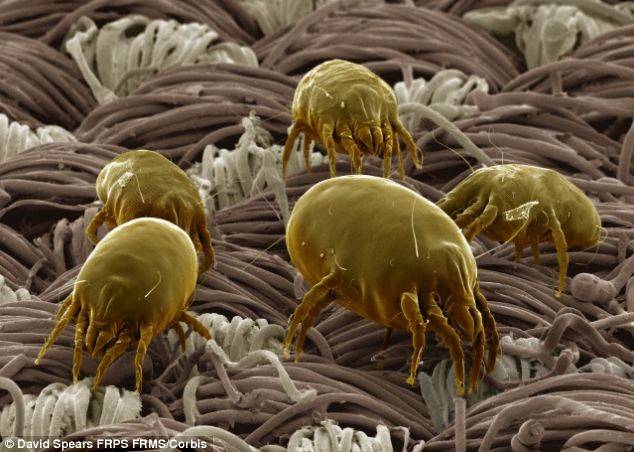
Dirt, oil, dust mites and dead skin can build up in older pillows
Dr Robert Oexman, of Sleep to Live Institute, says swap them after 6 months
Other experts claim dust mites in pillows exacerbate asthma and allergies
Suggest regularly washing bedding and putting it in a tumble drier
#1
A pillow might not seem as important to a good night’s sleep as a mattress, but it actually has a very important purpose: to support your head and neck throughout the night, so that you can wake up without neck pain or stiffness. And after some time, even the nicest pillow will stop doing that.
Dr Robert Oexman, director of the Sleep to Live Institute in Mebane, North Carolina, told The Huffington Post that people sleeping on old pillows might be pressing their faces against dirt, oil and dead skin cells, which can cause acne.
The research centre works with engineers and scientists to develop better products and improve the quality of sleep for people by helping them pick the right mattresses and pillows.
#2
The big question is: How long can you expect a new pillow to last? The answer is up for debate, but, to play it safe, get a new pillow every one to two years. Why so often? Night after night of sleeping on a pillow causes it to absorb body oil, dead skin cells, and hair. This isn’t just gross-sounding—it can also make the pillow smell and, what’s worse, can create the perfect environment for dust mites (common allergens).
To help prolong your pillow’s lifespan, wash it every six months and add a protectant case in between the pillow and pillowcase. Note that you can’t wash foam pillows—only ones with down or synthetic down filling (check your pillow’s label for laundry instructions before you toss it in your washing machine). Hot water and mild detergent will help get rid of any dust mites that are in there.
#3
It's enough to give you nightmares: Pillows that are more than six months old harbour dirt, oil, dead skin cells and dust mites, which could cause acne and even trigger allergic reactions,sleep experts claim
While washing your pillow may solve the allergen (and ick-factor) problem, it doesn’t help your pillow stay supportive. After nightly use, a pillow will lose its fluff and start to resemble a pancake. While some pillows might last a little longer (for example, down and natural feather pillows are more durable than those with polyester filling), they all will ultimately lose their shape. If yours is looking a little flat, fluff it every morning.
#4
A study released in March suggested that millions of Britons are risking illness because they do not replace their pillows and duvet as often as they should.
The poll of nearly 2,200 men and women found that 82 per cent of people do not know how often they should replace their pillows and duvet.
According to the Sleep Council, pillows should be replaced every two years and duvets should be thrown away after five years.
But, a study by Ergoflex UK showed that the average Briton uses a pillow for 3.2 years and a duvet for 7.6 years.
As a result, experts say they are risking neck problems caused by sleeping without enough head and neck support.
They are also at risk of health problems associated with dust mite infestations.
The survey revealed 57 per cent of people only replace their bedding when it feels like it is wearing thin.