

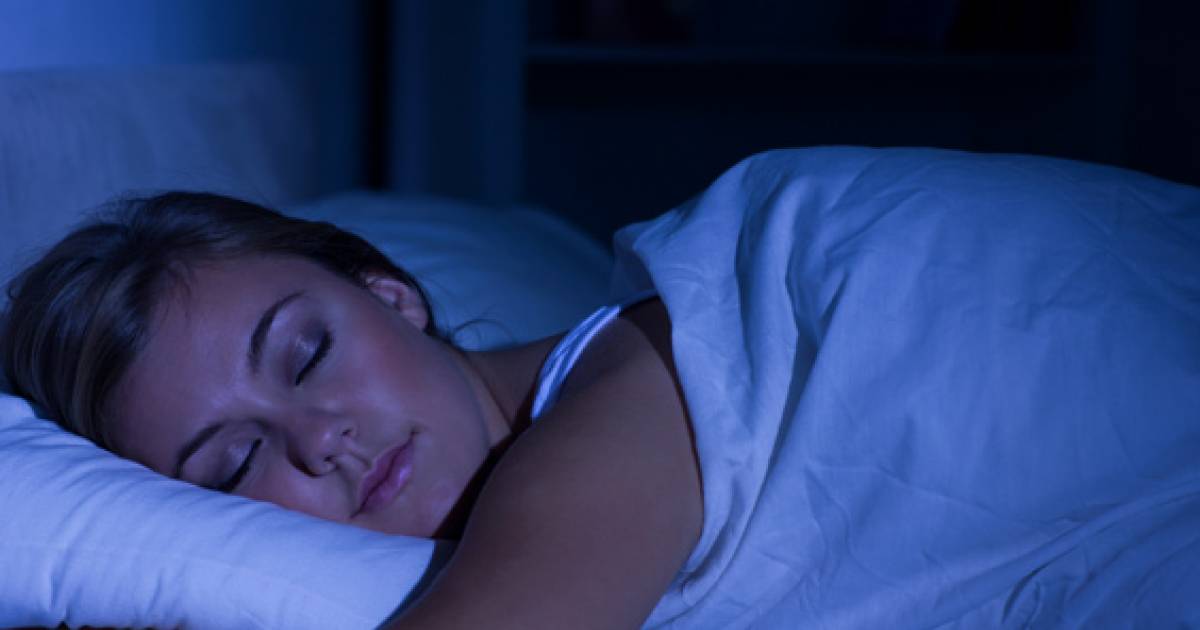
Night time is very important not just for your health, but also for your skin. At that time, your body recharges and your efforts are at peak of effectiveness.
advertisement
#1 You deprive your brain, body, and skin of nourishment.
Sleep is food for your brain, body, and skin, and if you don't get enough, you deprive each of its nourishment. "During a good night's rest, your body works to remove dead blood cells and dead brain cells, and clears the pathways for new synapses to take place so that new blood and brain cells can replace old ones," says sleep expert Rebecca S. Robbins, M.D., Ph.D., researcher at Cornell University, and author of Sleep for Success!. Your brain also gets rid of 60 percent more toxins when you get the proper amount of sleep, she adds. Overall, this helps you feel more refreshed when you get up, able to think more clearly, and gives your skin that I-woke-up-like-this #glowing look.
#2 GET AN EARLY START
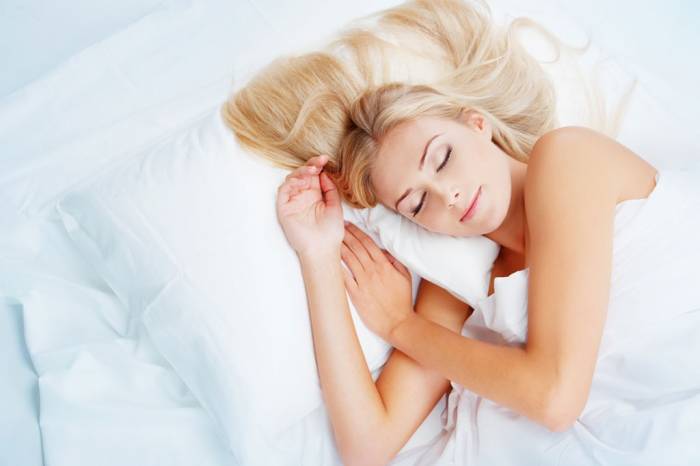
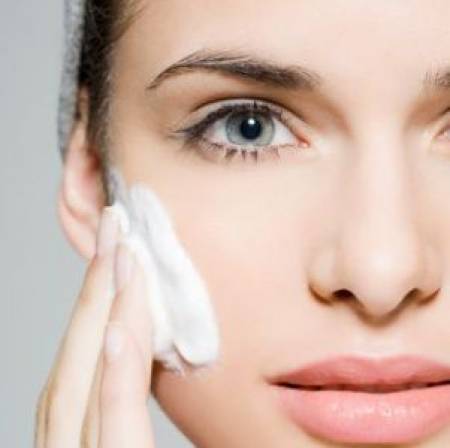
Make a habit of washing your face a few hours before bed. If you wait until you're tired, you're more likely to blow it off—allowing "toxins and dirt to stay on there all night," says dermatologist Laurie Polis of N.Y.C. Another consequence? You miss the best time to treat your skin. "At night there's more blood flow to the skin's surface, and there's nothing else on your face to interfere with absorption," Polis says.
advertisement
#3 WRAP IT UP
To minimize A.M. frizz, sleep on a satin pillowcase or put your hair in a silk scarf. "Those fabrics are much softer than cotton, so there's less friction," says Harry Josh, a John Frieda stylist.
#4 SLEEP ON YOUR BACK
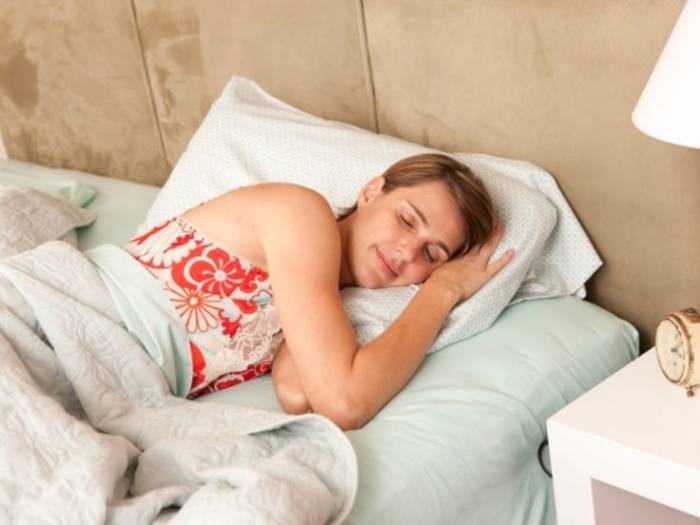
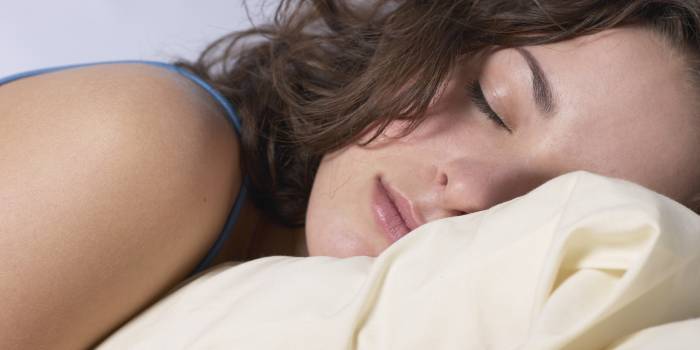
Note to Audrey Hepburn fans: Lying on your stomach is bad for "beauty sleep." The average head weighs 7 to 8 pounds-a lot of pressure to be putting on your face every night. In fact, many dermatologists say they can tell what side of the face people sleep on by the number of wrinkles there.
advertisement
#5 A Glowing Complexion
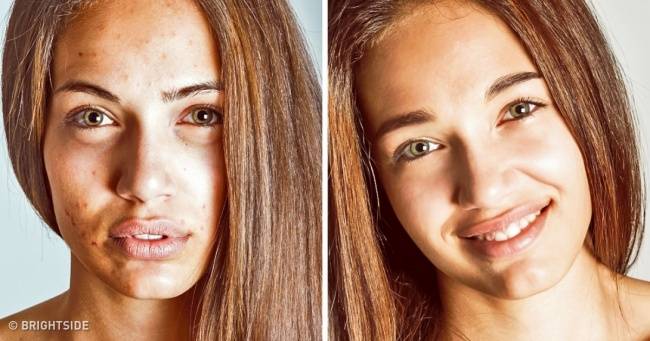
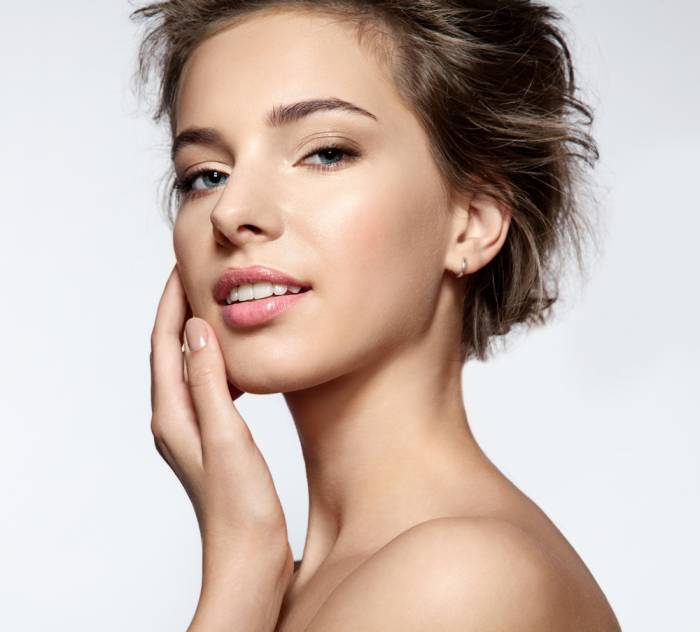
Your body boosts blood flow to the skin while you snooze, which means you wake to a healthy glow. Skimp on sleep and your complexion can look drab, ashen, or lifeless.
“Sleep deprivation causes a decrease in blood flow to the skin surrounding your face,” Breus says. “Skin becomes dull, and you don’t get those rosy cheeks anymore.”

advertisement
#6 Brighter, Less Puffy Eyes
Chances are, you’ve had dark circles or bags under your eyes after a night of too few Zzz’s.
“Puffy eyes are one of the first things we see when we don’t sleep,” says Doris Day, MD, a clinical associate professor of dermatology at New York University Langone Medical Center. Get enough shut-eye and you'll have less puffiness under your eyes
Stay well-hydrated and elevate your head with an extra pillow at night, too. That can also help reduce swelling.
advertisement
#7 Strengthens Skin
While we’re sleeping, our bodies release human growth hormone (HGH). Without HGH, skin can become thin. This is noticeable as we age because the body releases less and less as we get older. “In deep sleep, your body secretes human growth hormone during childhood to teenage-hood to adulthood—but in increasingly smaller amounts,” Wu told Refinery 29. “This is why it gets harder for us to build muscle and one of the reasons why our skin gets thinner as we age.”
advertisement
#8 Brighter Eyes
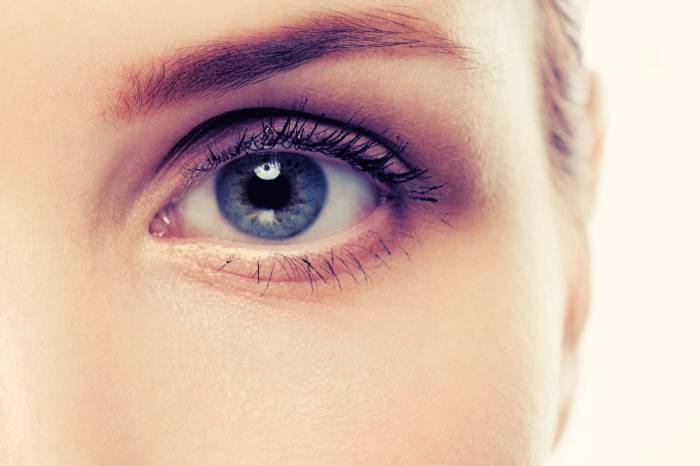
The most notable sign of sleep deprivation is dark, puffy eyes. This is most likely because the skin under our eyes is naturally thin. When the body is sleep-deprived, blood doesn’t circulate as easily, which is most noticeable in the face. Dr. Doris Day, a clinical associate professor of dermatology at New York University Langone Medical Center, advises treating puffy eyes with some good night’s rest, according to the same piece from WebMD.
advertisement
#9 Healthier, Fuller Hair
Hair loss, breakage, damage, and even growth can all be affected by lack of sleep, Breus says. Hair follicles (where hair growth begins) gain nutrients, vitamins, and minerals from blood flow. Since blood flow decreases when we’re short on shut-eye, “hair gets less food, it weakens, and it has difficulty growing,” Breus says.
Lack of Zzz's can also lead to more stress, Wexler says. “Stress causes an increase in the hormone cortisol, which can cause you to lose hair.”
advertisement
#10 Fewer Wrinkles
A good night’s rest protects skin from wrinkles. As New York-based dermatologist Dr. Patricia Wexler told WebMD, said that our skin repairs itself at night by making new collagen. Wexler pointed out that logging only 5 hours of sleep each night can double the amount of wrinkles, when compared to 7 hours of rest.
advertisement
#11 WAKE UP BEAUTIFUL BY FOLLOWING THESE:
#1. Make an aloe vera facial mask
#2. Make a vitamin E mask for under your eyes
#3. Apply castor oil to your eyelashes and brows
#4. Apply coconut oil to your lips
#5. Moisten your hair
#6. Soften your hands
#7. Get rid of rough skin on your feet
advertisement
#12 New research shows that “beauty sleep” is an actual thing…
We all know that getting a good amount of shuteye has a range of benefits for our health. It allows you to concentrate better, you’re less likely to get sick, your mood improves and it can even prevent you from putting on weight. But behold – another benefit has emerged that we’re seriously excited about. Sleep has been proven to make us more attractive. Yes, really.
A study conducted by University Hospital Case Medical Centre in Ohio examined the process of “catabolysis”, which is a natural purification process that helps your skin cells get rid of internal debris that can cause cellular damage. Translation: it’s the important process that eliminates the stuff that can diminish your beautiful looks. The researchers investigated catabolysis in connection to our sleep and their results were seriously surprising.
They found that people who didn’t get enough shuteye lost 30 percent more water 72 hours after a skin barrier disruption, such as exposure to UV light, than those who regularly get their required amount of snooze time.
Our skin cells are running on a natural 24-hour rhythm, repairing themselves at night and protecting themselves during the day; so less time spent sleeping means your skin has less ability to repair and replenish itself. Hello: dull and dry skin!
The real clincher? The study found that poor sleepers had twice the amount of signs of ageing. Think: fine lines, uneven pigmentation, reduced elasticity and slower recovery time from sunburn.