How To Fight Migraines Naturally
Migraines aren’t typical headaches. If you experience them, you know you may experience pounding pain, nausea, and sensitivity to light and sound. When a migraine strikes, you’ll do almost anything to make it go away. Natural remedies are a drug-free way to reduce migraine symptoms. These at-home treatments may help prevent migraines or at least help reduce their severity and duration.
Severe migraines may require treatment with prescription or over-the-counter (OTC) medication. Talk to your doctor about a treatment plan that works for you.
#1 Sleep well
Migraines may keep you from falling asleep or wake you up at night. Likewise, migraines are often triggered by a poor night's sleep.
Here are some tips to encourage sound sleep.
*Establish regular sleep hours. Wake up and go to bed at the same time every day — even on weekends. If you nap during the day, keep it short. Naps longer than 20 to 30 minutes may interfere with nighttime sleep.
*Unwind at the end of the day. Anything that helps you relax can promote better sleep: listen to soothing music, soak in a warm bath or read a favorite book.
But watch what you eat and drink before bedtime. Intense exercise, heavy meals, caffeine, nicotine, and alcohol can interfere with sleep.
*Minimize distractions. Save your bedroom for sleep and intimacy. Don't watch television or take work materials to bed. Close your bedroom door. Use a fan to muffle distracting noises.
*Don't try to sleep. The harder you try to sleep, the more awake you'll feel. If you can't fall asleep, read or do another quiet activity until you become drowsy.
*Check your medications. Medications that contain caffeine or other stimulants — including some medications to treat migraines — may interfere with sleep.
#2 Stay Hydrated
The dehydrating effects of coffee, sugary drinks and alcohol can certainly leave us with a killer headache. Most Americans simply aren’t getting enough water, which in itself can relive headache pain and symptoms. This simple (and free) remedy will keep you feeling full, energized and headache-free.
You can also quench your thirst and stay hydrated with fruits and veggies — some even have a water content that’s over 90 percent. Try adding these nutritious fruits and veggies to your diet in order to stay hydrated throughout the day:
cucumbers
celery
radishes
green peppers
cabbage
zucchini
cauliflower
eggplant
spinach
watermelon
strawberries
grapefruit
cantaloupe
oranges
#3 Exercise
Exercise has long been recommended for migraine sufferers, and now there's new evidence to support the theory that physical activity appears to help prevent migraines. In a 2011 randomized, controlled study from the University of Gothenburg in Sweden, researchers found that aerobic exercise was as effective at preventing migraines as the preventive migraine medication topiramate (brand name Topamax).
A third of the patients in the three-month study exercised on a stationary bike three times per week for 40 minutes, while another third took a topiramate regimen that was gradually increased to the highest tolerable dose (a maximum of 200 milligrams per day).
#4 Ice Packs
Always opt for cold rather than heat to stop migraine pain. If you feel a migraine coming on, get that ice pack out of the freezer and apply it to the back of your neck. The cooling sensation will help to relieve the pain and reduce the severity of the attack. You'll be back on your feet in no time!
One of our favorite ways ​to use a cold compress is via the Headache Hat. You don't have to hold it and you can continue on throughout your day.
#5 Ginger
Ginger is known to ease nausea caused by many conditions, including migraines. It may also have other migraine benefits. According to research, ginger powder decreased migraine severity and duration as well as the prescription drug sumatriptan, and with fewer side effects.
#6 Try Using Calming Herbs
While the safety and efficacy of using certain herbs — such as butterbur — to directly reduce migraine symptoms are controversial, a lot of herbs are associated with calming and soothing the body, and they can be very effective. They reduce stress, and for most people, stress is a big migraine trigger.
Trying soothing herbal teas, since sipping a hot beverage can be part of relaxation. Although it’s all a matter of personal preference, herbs whose scent and flavor many people find calming include peppermint, chamomile, and lavender.
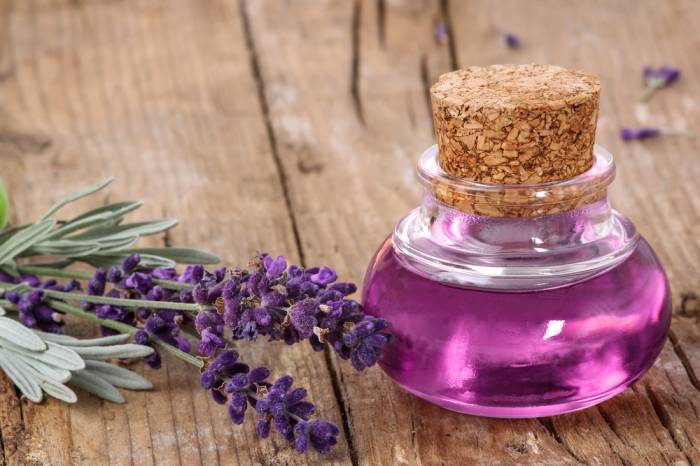
#7 Lavender oil
Lavender oil smells beautiful, and it's a wonderful aromatherapy treatment to help you relax. However, it becomes even more important if you suffer from migraine headaches!
Lavender essential oil is "an anxiolytic drug, a mood stabilizer, a sedative, spasmolytic, antihypertensive, antimicrobial, analgesic agent as well as a wound healing accelerator." Using it as a treatment for migraine headaches is definitely the way to go. One study found that 92 out of 129 migraine sufferers responded to inhaled lavender oil (from a diffuser). That's nearly 75% of them!
#8 Grape Juice
Though you probably haven't sipped grape juice in years (aside from "adult" grape juice, that is), it's the perfect go-to remedy when a migraine strikes.
Grapes are an excellent pain reliever. Take a drink of all-natural grape juice, or create your own at home to find relief. Blend fresh, ripe grapes with a bit of water, and you'll drink your discomfort away.
#9 Have some caffeine (but not too much)
Having a cup of coffee at the first sign of a headache is an old trick because caffeine has a mild [painkilling] effect and can be very useful in the early stages. But it's important to not overdo it because you can build up a tolerance for it. Caffeine is a double-edged sword. If you consume too much, too regularly, you will experience withdrawal on the days you don't get it. Keep your regular intake fairly low so that when you need it intermittently you can pull it out as a secret weapon. If you're regularly drinking six or seven cups a day, you're kidding yourself if you think an extra one is going to do you any good.
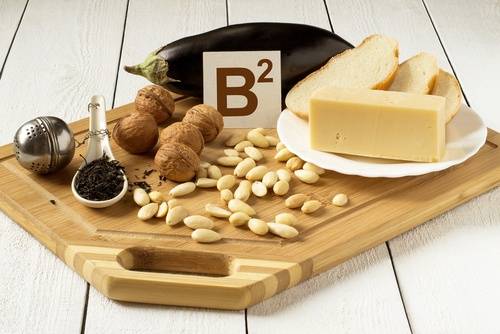
#10 Riboflavin
Riboflavin — also called vitamin B2 — is necessary for the body’s production of energy at the level of the cell. Some research suggests that people with migraines may have a genetic defect that makes it difficult for their cells to maintain energy reserves, and this lack of basic energy could trigger migraines. Although it is difficult to get enough riboflavin to prevent migraines from food sources alone, add some riboflavin-rich foods to your diet; good choices are lean beef, a bowl of whole-grain fortified cereal with fat-free or reduced-fat milk, mushrooms, broccoli, and spinach.
#11 Minimize your alcohol intake
Drinking alcohol, especially wine, can trigger migraines. Stop drinking alcohol or limit your intake to moderate amounts – 1 glass a day for women and men over 65, and 2 glasses a day for men under 65 is considered moderate.
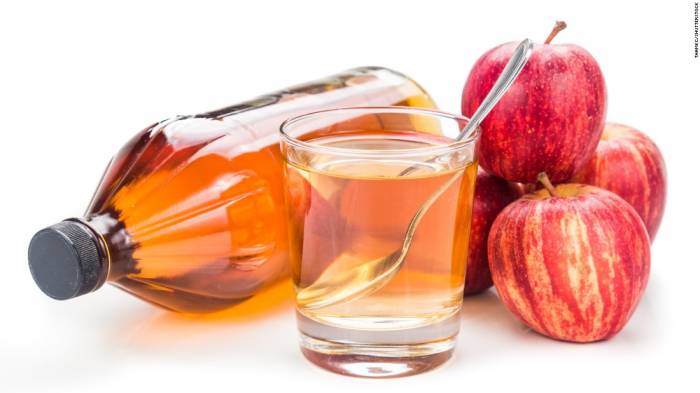
#12 Apple cider vinegar
It is considered as a powerhouse of nutrients. Apple cider vinegar not only relieves migraines but also promote weight loss and decreases constipation. Add one tablespoon of honey and a tablespoon of organic apple cider vinegar to one glass of water. Drink it regularly in order to avoid migraines. If you have never consumed apple cider vinegar then start consuming one teaspoon and slowly raise the quantity.