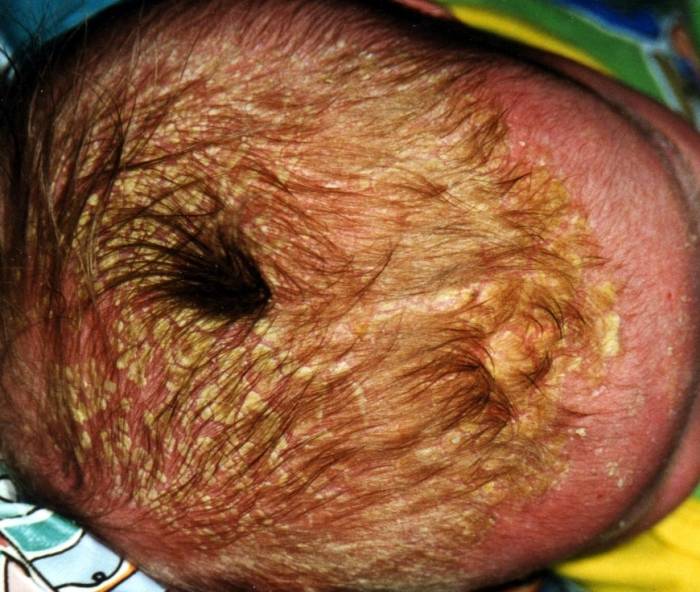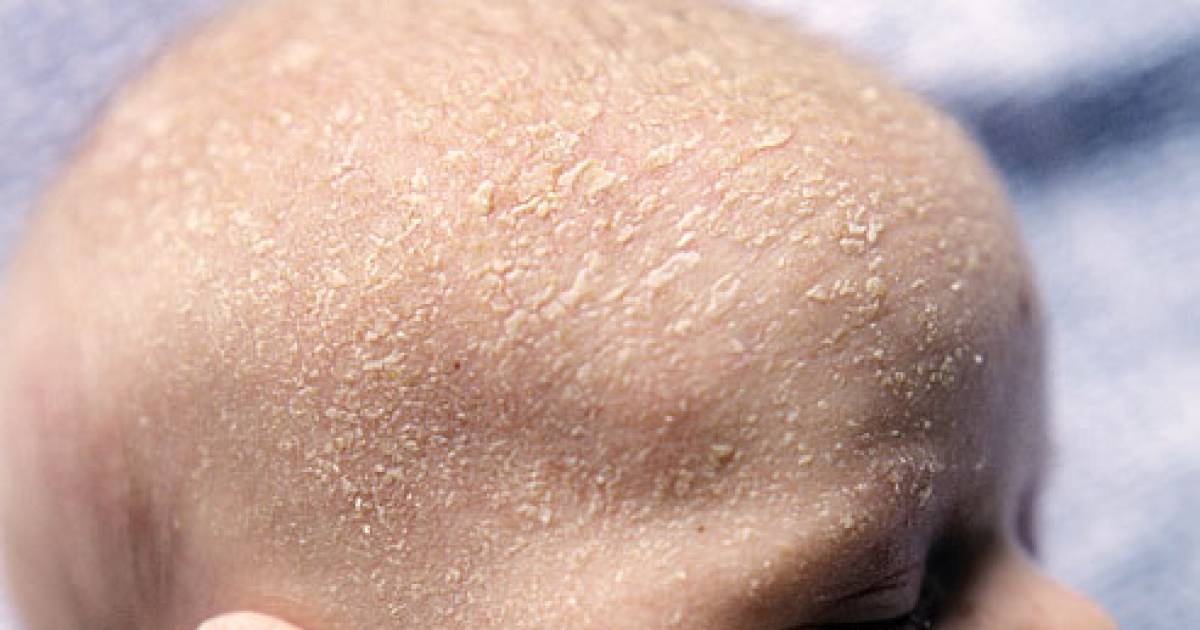
Cradle cap is the common term for seborrheic dermatitis, or seborrhea, which is called dandruff in older kids and adults.
advertisement
Introduction
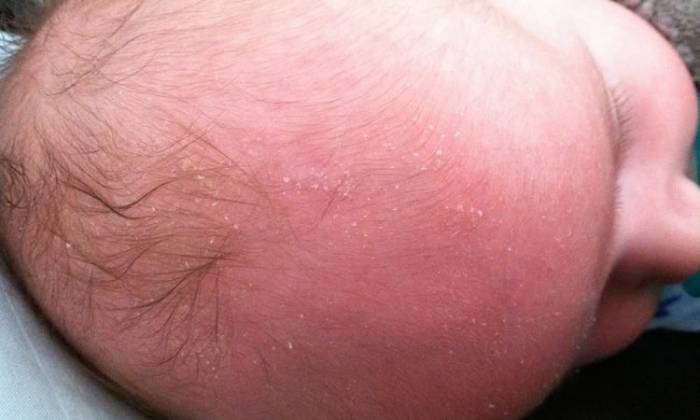
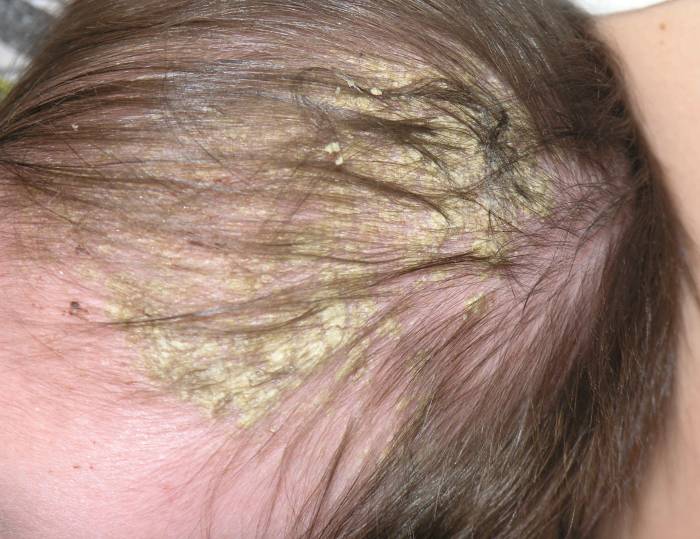
Your little one brings smile to your face and hope all around. Then you suddenly come across an odd and unattractive patch of skin on the newborn's head. This is nothing uncommon and is known as a cradle cap or infantile seborrheic dermatitis. It usually presents an oily, yellow scaling or crusting on the baby's scalp. It is normally not discomforting and if it is causing discomfort and itching to your baby it is infantile eczema, and not a cradle cap.
Cradle cap is a common harmless skin condition
Cradle cap is a common harmless skin condition that often affects young babies. It is neither contagious, nor caused by poor hygiene. It is likely caused by the overproduction of sebum from oil glands in the skin of the scalp. The secretions reduce in the weeks and months after birth, and the cradle cap tends to clear up on its own a few weeks to months after birth, and maximum by the first birthday.
While your baby has cradle cap, you may try out some ways to gently remove the scales.
#1 Humidify
Babies with cradle cap often have dry, sensitive skin. Using a humidifier in your baby's bedroom, can provide more moisture in the air, which decreases skin dryness. If you're using air conditioning or heat, then a humidifier can help improve overly dry air in the home.
advertisement
#2 Massaging With Oils And Emollients
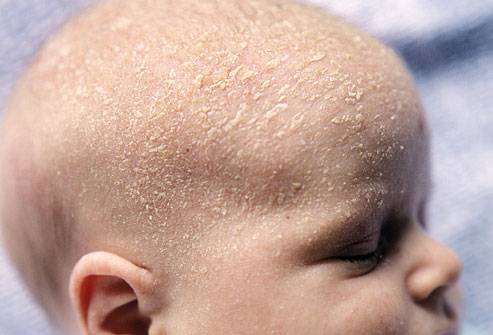
An hour before shampooing, rub your baby's scalp with mild baby oil, vegetable oil, almond oil, mineral oil, or petroleum jelly and emollients. Put a small amount of oil in your hand and then rub it gently onto your baby's scalp. Leave the oil on for 15 minutes to help lift the crusts and loosen scales. Next, comb out any flakes with a comb.
If you want, you can leave the oil on overnight, and then brush off the softened flakes in the morning.
Avoid using olive oil on your baby's scalp, as it can damage the baby's skin barrier.
#3 Diet Evaluation
Consider the baby's diet if he or she has cradle cap. If a baby is not breastfed and consumes formula, cradle cap is sometimes caused by an allergy to baby formula. If your baby has cradle cap along with red patches on the face and persistent diarrhoea then it's a good idea to talk to your doctor about switching to a formula that is healthier for your baby.
advertisement
#4 Cradle Cap Cautions
When massaging or brushing your baby's scalp to remove scales, make sure you do so very gently to avoid further inflammation in the problem areas.
If your baby's cradle cap is severe, doesn't respond to home treatments, or spreads to your baby's face or body, see a paediatrician.
Seek medical attention if the cradle cap patches become very red, swollen, ooze or bleed.This could mean it is infected. Your doctor can prescribe an antifungal cream or shampoo, or a course of antibiotics. A mild steroid cream such as hydrocortisone may also be recommended for an inflamed rash.
Limit topical corticosteroids to severe cases because of possible systemic absorption
Avoid using a dandruff shampoo as it typically contains strong ingredients like salicylic acid, which is not recommended for use in children under two years of age.