How To Quit Smoking - And Stay Cigarette Free For Good
How to stop smoking
As March rolls on, a significant proportion of the population will make belated resolutions to finally quit smoking. The party season is over, and there's no longer an excuse to drink a week's allowance of alcohol in one day, while merrily puffing your way through a 20-pack. A cheeky drag outside a party doesn't exactly fit in with the yoga and nutribullet smoothies lifestyle you've sworn to follow this March either.
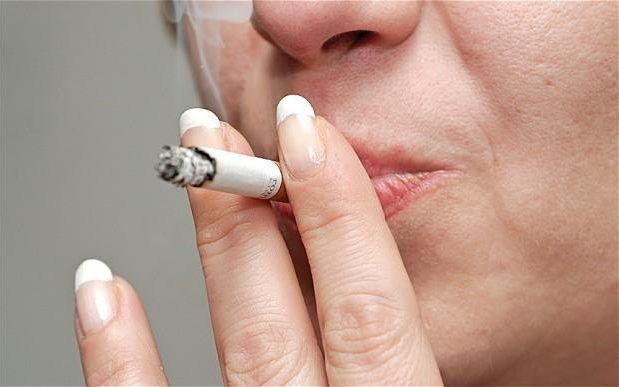
A drink with a cigarette significantly increases your chance of mouth cancer
Around 10 million adults in the UK smoke but only 30-40% of them try to quit every year.
In Great Britain 22% of adult men and 17% of adult women are smokers
The highest number of smokers is in the 25-34 age group (25%); the lowest is among those aged 60 and over (11%).
The scary stats are that half of all smokers are eventually killed by their addiction from smoking-related causes. Not to mention that smoking is the cause of over one third of respiratory deaths, over one quarter of cancer deaths, and about one-seventh of cardiovascular disease deaths.
Plus, having a drink with a cigarette increases your chance of getting mouth cancer by 38 times. Stick that in your pipe and smoke it.

Quitting smoking is one of the most easily broken New Year's resolutions
But quitting smoking is one of the most easily broken resolutions it only takes a stressful day at work (or the thought of going back to work at all) to feel the need for a nicotine fix. So if you really want to pack in the smokes, what's the best way to go about it? Here is everything you need to know about the numbers, no-nos and reality of breathing clean this year.
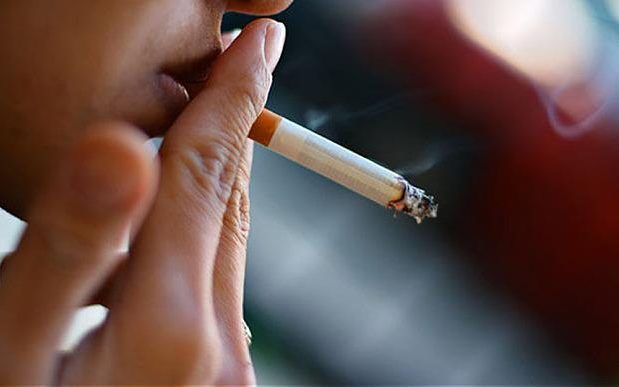
Going cold turkey isn't always the easiest way to quit smoking
People enjoy smoking because of two things: the physical addiction and the psychological habit. While smokers get hooked on the temporary high caused by nicotine in the bloodstream, the habit also becomes part of a daily ritual a crutch to return to when stressed or in social situations - and an automatic response when taking a break from work.
Don't go cold turkey
Going cold turkey may suit some, but the shock of withdrawal for others makes them more likely to reach for a cigarette sooner. The best thing to do is make a plan that addresses the short-term challenges of quitting smoking as well as preventing relapse later on.
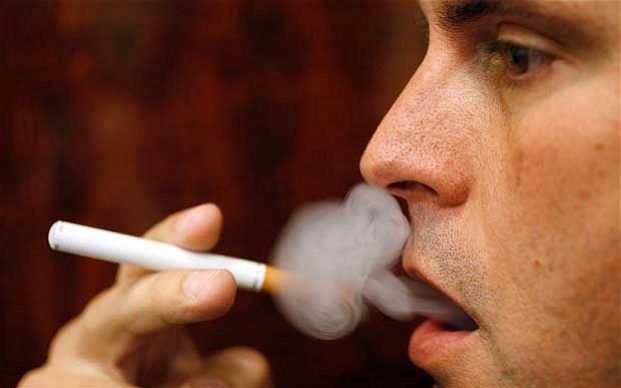
E-cigarettes have now been approved as a legitimate medicine for quitting smoking
Short-term solutions might include using nicotine gum or inhalers, or e-cigarettes, which have recently been approved by British drug regulators to be sold as a medicine for quitting smoking. The e-Voke cigarette can now be prescribed on the NHS.
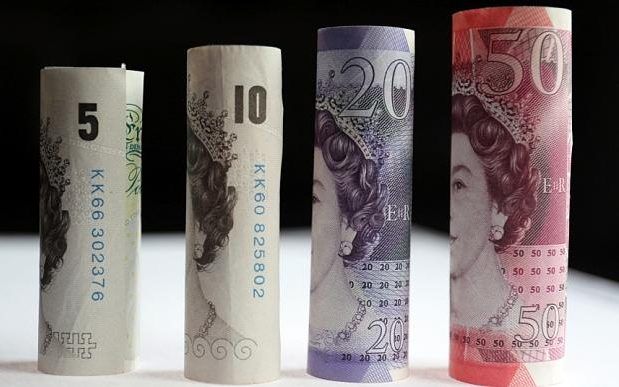
Calculate how much money you’ll save
One of the best perks of giving up smoking, beside the health benefits, is the enormous amount of money you'll save.
If you smoke 10 a day, after one month of giving up you'll have saved a minimum of £46, and after six months you'll have banked £275. That money can go towards a nice meal or a new wardrobe rather than the gradual corrosion of your lung tissue.
What to expect after you quit
After 20 minutes 20 minutes after your last cigarette, your heart rate will drop down to normal levels.
After 24 hours Smokers are 70% more likely to get a heart attack than non-smokers, but after a full day of not smoking your risk of heart attack will begin to drop.
After two days Smoking deadens the taste buds on your tongue, but 48 hours after you quit smoking, your nerve endings will begin to regrow and your sense of taste will be enhanced.
After three days Three days is the magical point where all the nicotine will leave your body. This means your cravings will peak at this point and you may experience physical symptoms like headaches and nausea. But this just means it's working!
After one week Nicotine cravings will still be intense during the first week. But cravings don't last long, so distract yourself and then they will pass quickly. Finding an oral substitute helps, so chew on mints or celery to alleviate the itch to smoke.
After two weeks Your lung function will improve significantly and you will breathe more easily as your lungs start to clear. You'll be able to do exercise without feeling winded and sick.
One to nine months after you quit After about a month, your lungs will begin to repair. The cilia inside them (tiny hair-like cells that push mucus out) will start to function properly again and do their job more efficiently, preventing you from infection and dramatically decreasing any coughing.
One year after you quit A landmark. Your risk of heart disease will go down by fifty per cent, meaning you have the same risk factor as a non smoker.