

People all over the world are being advised to look up in the coming days because Jupiter is expected to be in full sight.
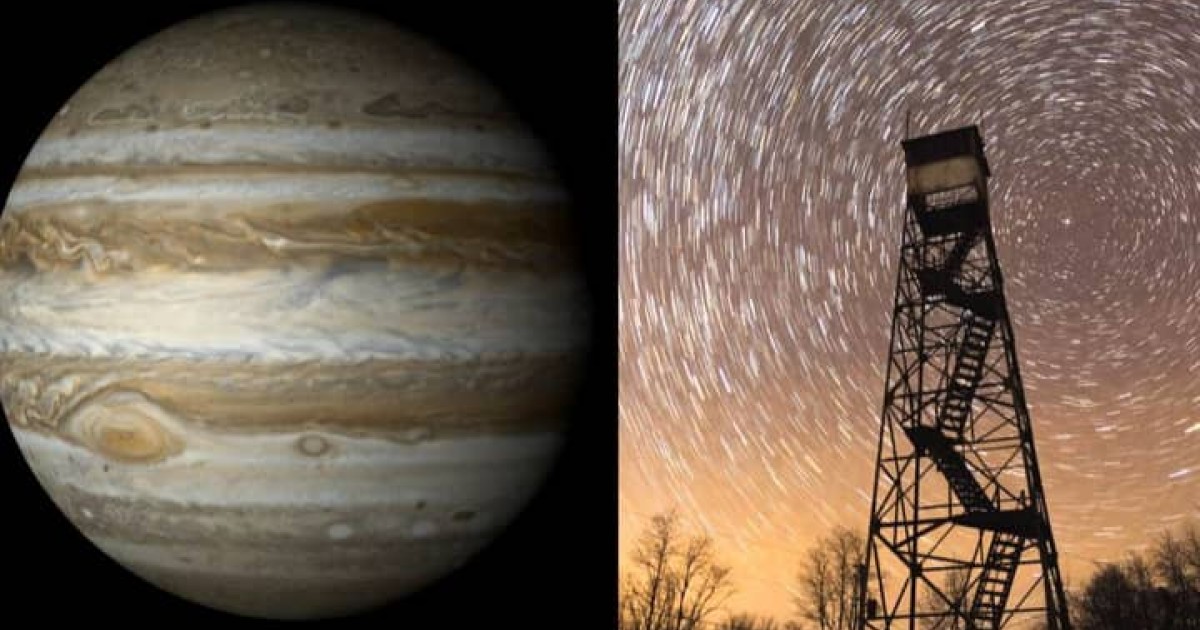
How To See Jupiter Light Up Night Sky In Closest Encounter With Earth In 60 Years
By
Haider Ali in
Science and Technology
On 26th September 2022
advertisement
Jupiter is about to be closer to Earth than it has been in decades, so be ready to put up a telescope, grab some binoculars, or just squint your eyes with determination.
The gas giant can hover up to 600 million miles away, but today (September 26), when the planet passes Earth at its closest point since 1963, that distance will be practically halved.
Credit: NASA Photo/Alamy Stock Photo
Although 367 million miles, or around 39,000 times the distance from the UK to Australia, is still quite a distance, it is quite close when compared to the infinite cosmos.
Today's opposition, which occurs when a planet is on the other side of Earth from the sun, will help the planet become even more visible.
advertisement
Jupiter is often visible in the sky as long as it is not close to the sun, but opposition with Jupiter, which occurs roughly every 13 months and makes the planet seem at its brightest, makes Jupiter appear more prominent.
With the planet already becoming more visible over the past few days, its current proximity to Earth will probably just make the experience more enjoyable. Be sure to take advantage of it because Jupiter won't be this near for more than a hundred years!
A NASA astrophysicist at the Marshall Space Flight Center in Huntsville, Alabama, named Alphonse Sterling, told NPR: "Jupiter is so bright and brilliant that a nice thing about it is even in a city, in the middle of a bright city, you can see it.”
"So I would say that it's a good thing to take advantage of and to look at no matter where you're at."
advertisement
The optimum time to view Jupiter this evening is after sunset, which will occur in the UK at around 6:50 p.m.
When using binoculars to view the planet, Sterling said that you should keep them stable so that you can see the object well.
advertisement
After taking a look at Jupiter's progress a few days ago, Sterling commented: "I could see the moons, you know, off to the side of Jupiter looking like little stars. So that's a fun thing that can be done. And that's certainly easier now than it would be if Jupiter's at its furthest."
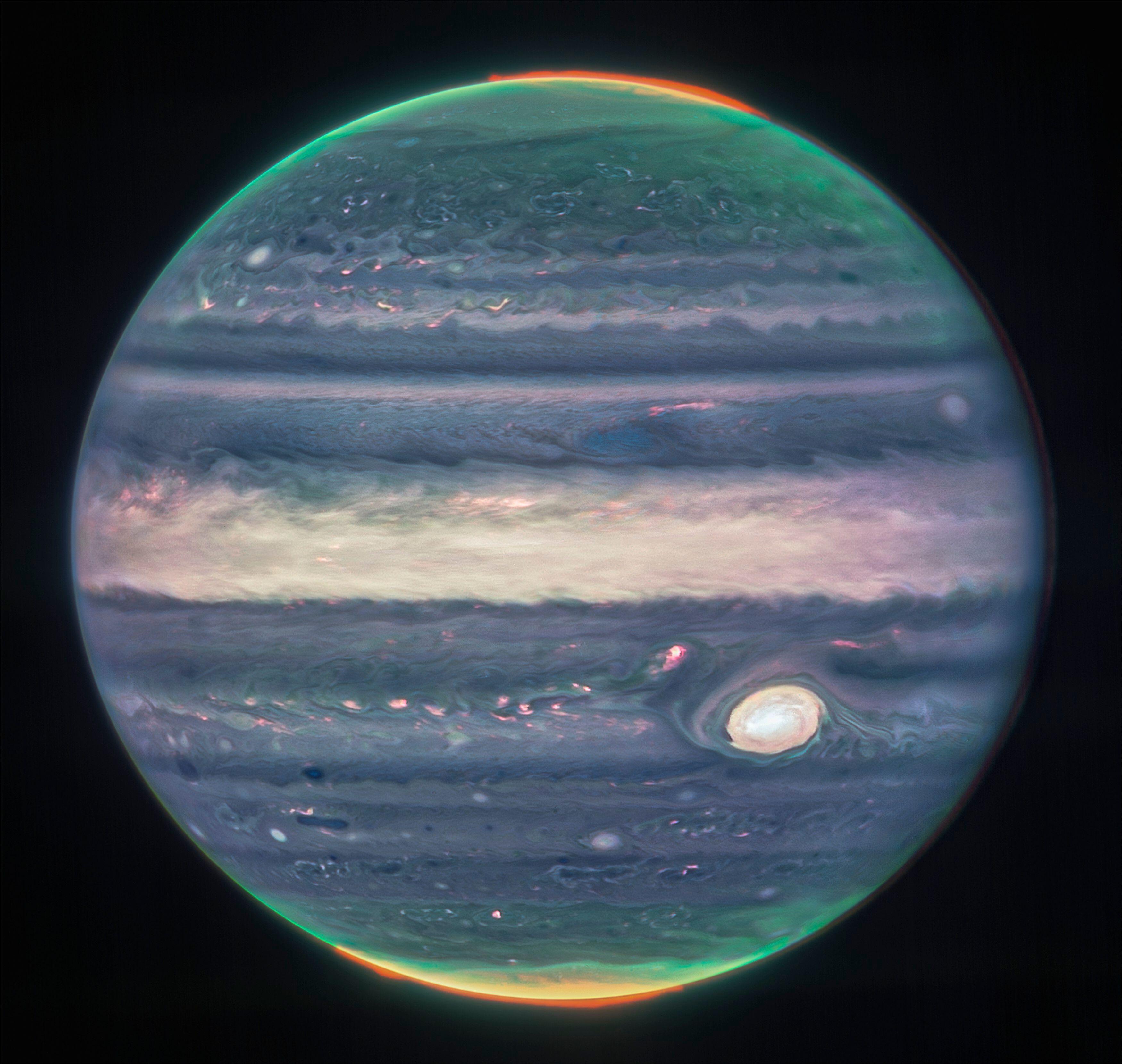
After NASA released in-depth pictures of Jupiter collected by the James Webb Space Telescope last month, this evening's event took place.