Want to adopt a cat, but suffer from allergies? Maybe you’ve tried coping by taking antihistamines, and have a HEPA air filter in your home. You may have even heard the term "hypoallergenic pet" but not know it applies to cats.
advertisement
Anatomy of an Allergy
People with cat allergies react to a protein in the animal's saliva, skin, and urine. The allergen collects on the cat's fur when the animal licks itself and comes off in tiny flakes of skin that glom onto walls, carpet, and furniture or stay in the air. A cat's lick or scratch can cause skin welts or itchiness. In the nose and lungs, the protein causes itchy, watery eyes and nasal congestion and can lead to asthma.
The allergens are so powerful that they can hang around for months, causing effects long after the cat is gone.
Some cats secrete less of the protein, some cats put out less saliva, and some cats produce less dander. But all cats make the allergen in some form -- and a tiny amount can cause a lot of symptoms, depending on how clean you keep your house and how often you're around the animal, says Robert Zuckerman, MD, an allergy and asthma specialist in Harrisburg, Pa.
advertisement
"Even a cat that has a little bit of allergen can cause allergy if you have enough exposure to it," Zuckerman says.
The other variable is your immune system. Maeve O'Connor, MD, an allergy, asthma, and clinical immunologist in Charlotte, N.C., says one person can hold a cat and have no symptoms, while another has an asthma attack standing near a person with cat dander on his or her clothes.
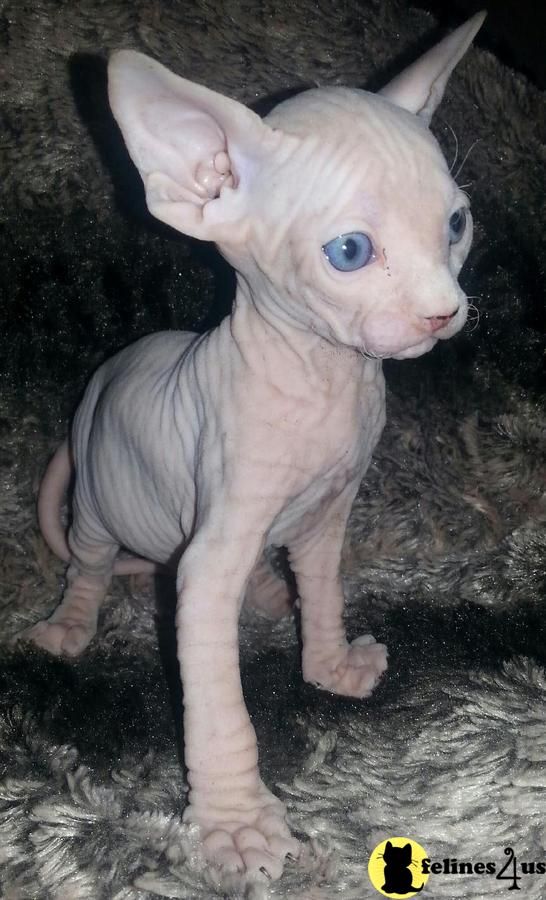
Technically, there are no 100 percent hypoallergenic domestic cats.
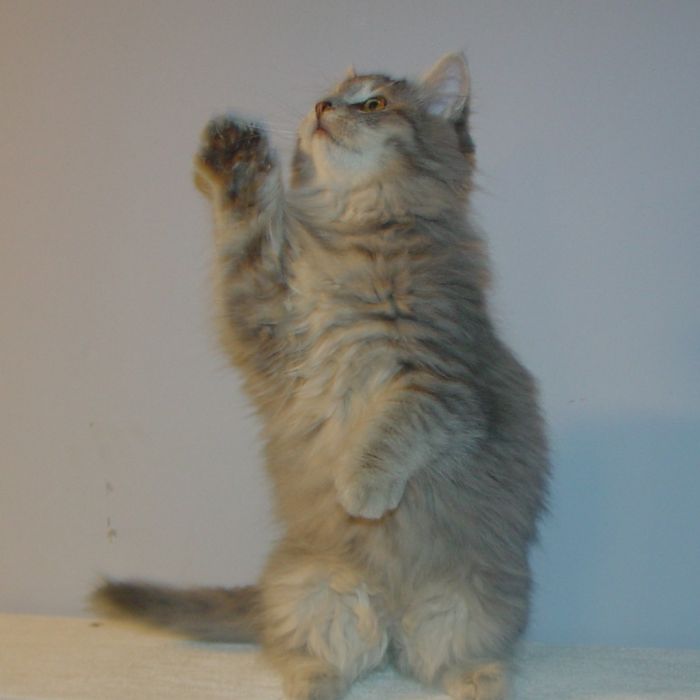
Some feline breeds exist that are considered "hypoallergenic," or produce fewer allergens than others. Cats do produce pet dander, a common allergen, but the culprit for the estimated 10 percent of the population who are allergic to cats may be a protein, Fel d 1, that is present in cat saliva.
advertisement
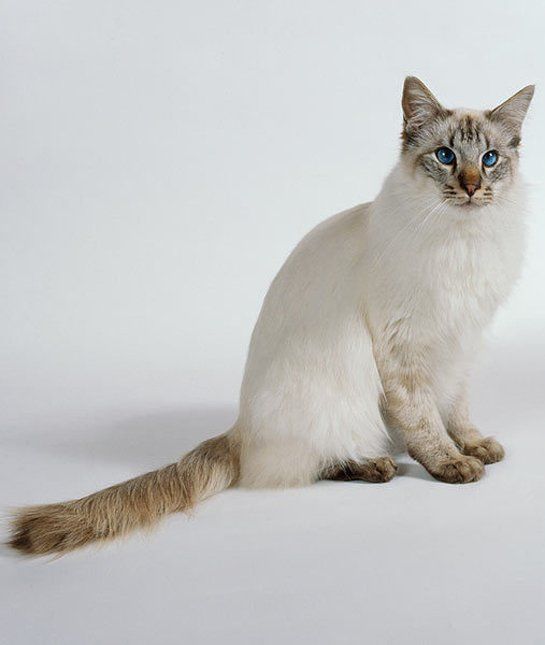
Balinese:
Often referred to as the "longhaired Siamese," the Balinese looks like an unlikely candidate for a hypoallergenic cat. But it is one of the few breeds that produces less of the Fel D1 protein than other cats, thus causing fewer allergic reactions in allergy sufferers.
advertisement
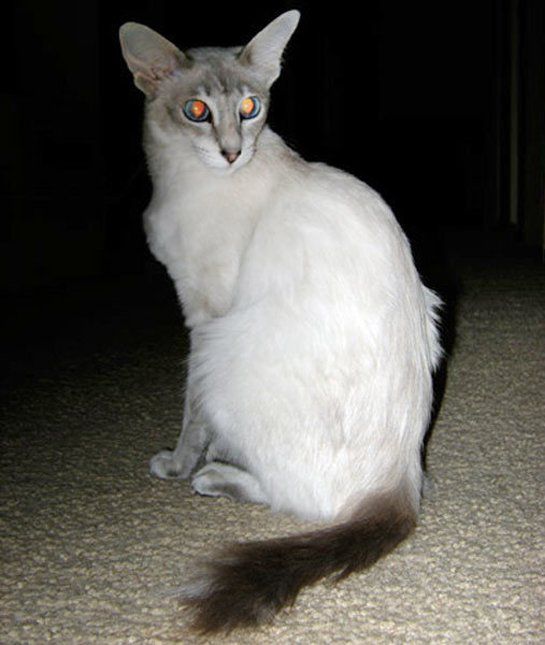
Javanese:
Like the Balinese, the Javanese sports a medium-long single coat that doesn't mat. Because of the lack of undercoat, they have less fur, which translates into fewer allergens.
advertisement
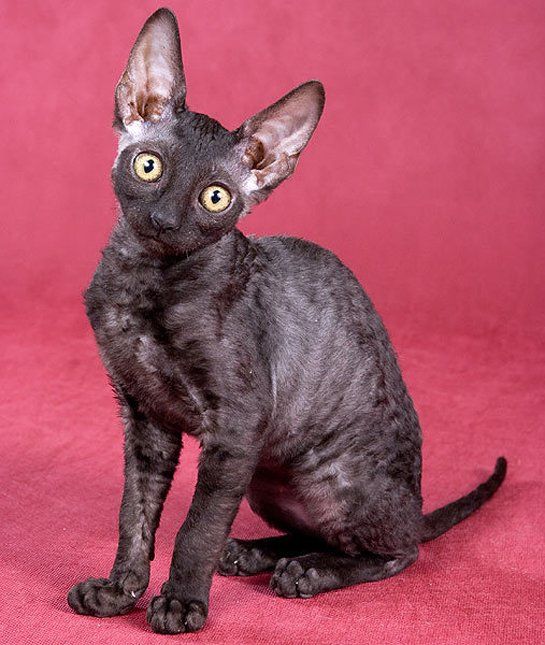
Cornish Rex:
Most cats have three types of fur that make up their coats. The outer layer is called the guard hair; the middle layer is called the awn hair; and the undercoat is called the down hair. Cornish rexes aren't hairless, but they possess only the wonderfully soft "undercoat" of down hair. As a result, they shed less than other breeds, so some people with cat allergies suffer far less, or even not at all, from Cornish rexes.
advertisement
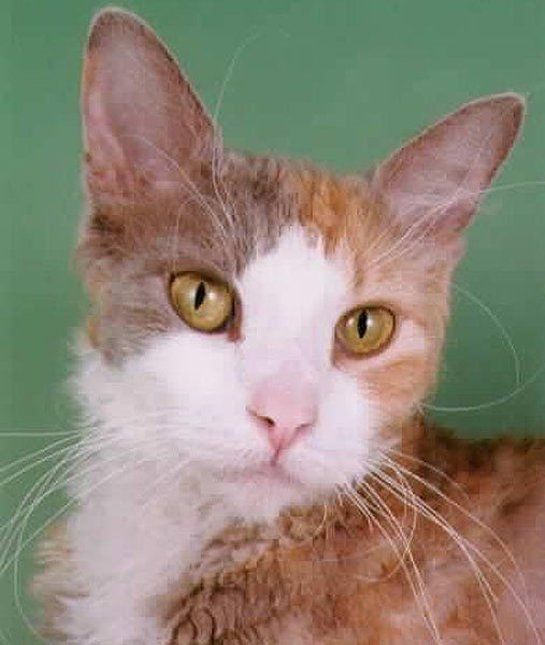
LaPerm:
The most notable feature of a LaPerm cat is its unique, curly coat. It is believed that the nature of this coat is responsible for a reduced allergic reaction for many cat-allergy sufferers, because LaPerm's shed less than most cats, and their curls help keep their dander from spreading around.
advertisement
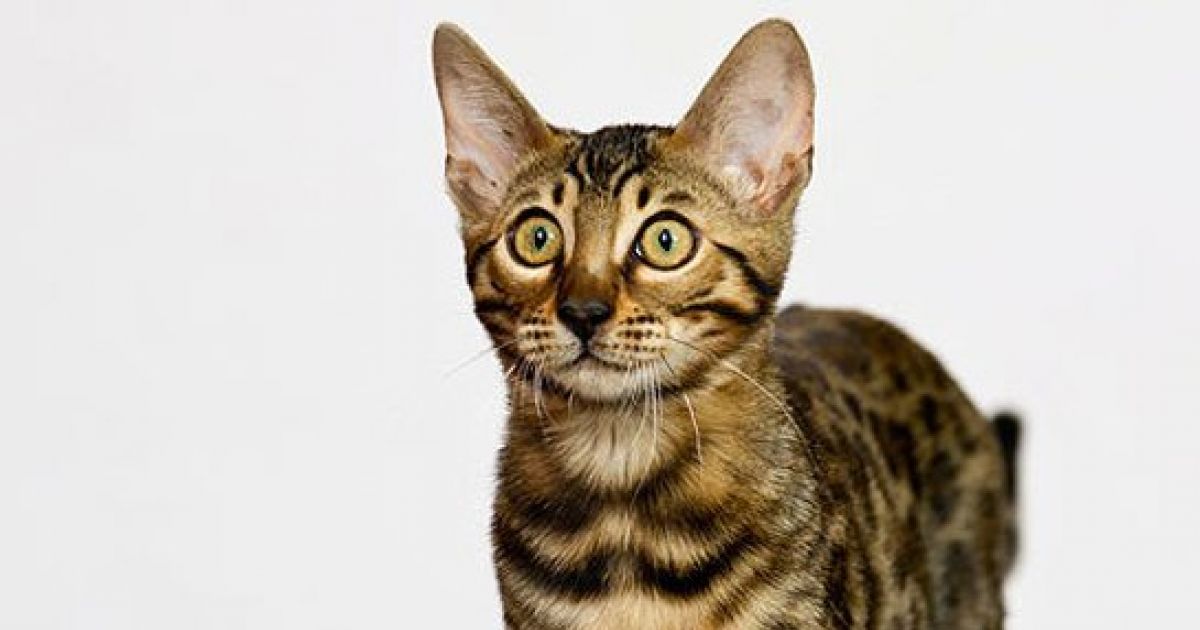
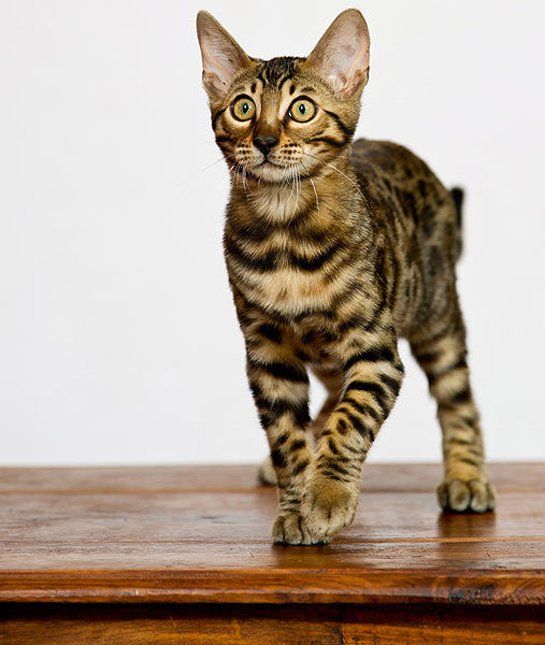
Bengal:
Bengals aren't hairless, and they don't necessarily produce less Fel D1 protein than other breeds, so what makes them hypoallergenic? The answer is in their coats. Bengal cats have uniquely fine pelts that require considerably less maintenance than other breeds. As a result, Bengals don't groom themselves as often or for as long, so their fur contains less allergen-rich saliva. They also don't shed much, or shed far less than other cats, so whatever dander is present in their fur doesn't get spread around as much.
advertisement
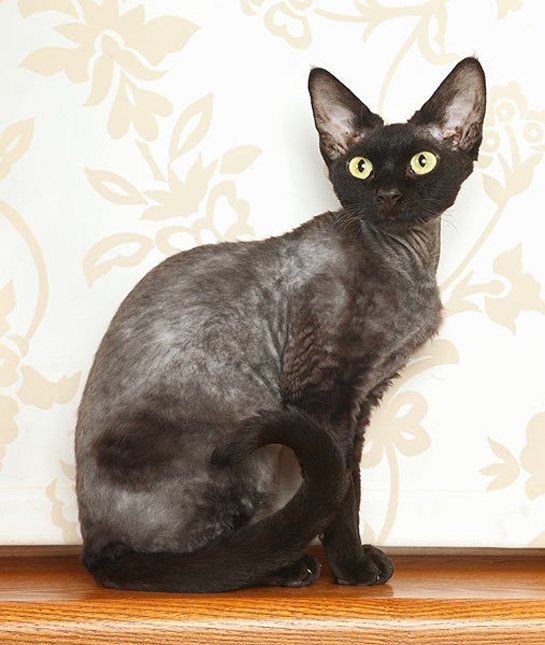
Devon Rex:
Closely related to Cornish rexes, the Devon Rex has a similar coat, also consisting of soft, fine down hair, and little to no top coat. Also like Cornish rexes, Devon rexes shed very little of their hair, which they have even less of than their Cornish cousins in the first place.
advertisement
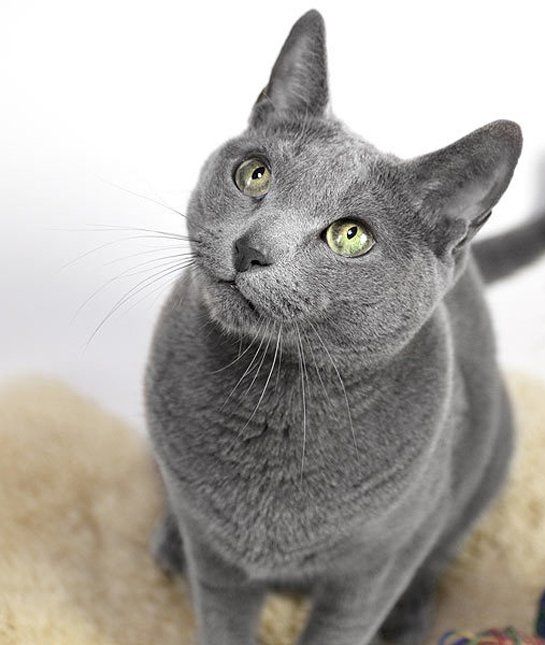
Russian Blue:
People who suffer from cat allergies but love cats are often advised to look into Russian blues as possibly hypoallergenic. Unlike many of of the cats on this list that are incidentally hypoallergenic due to the nature of their fur not shedding in the normal way, Russian blues actually produce less of the glycoprotein Fel d 1, the very substance to which people are allergic.
advertisement
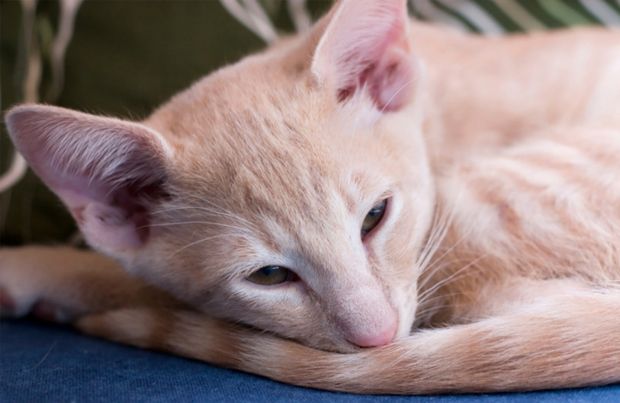
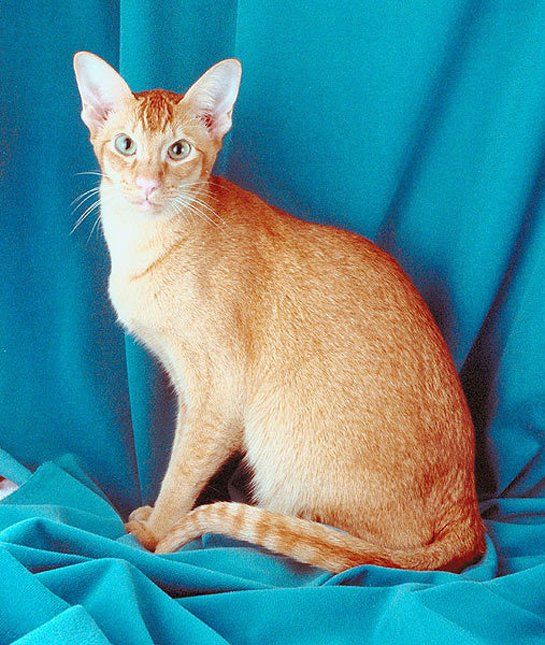
Oriental Shorthair:
They're hypoallergenic, but it's still a good practice to groom your Oriental frequently to keep dander to a minimum.
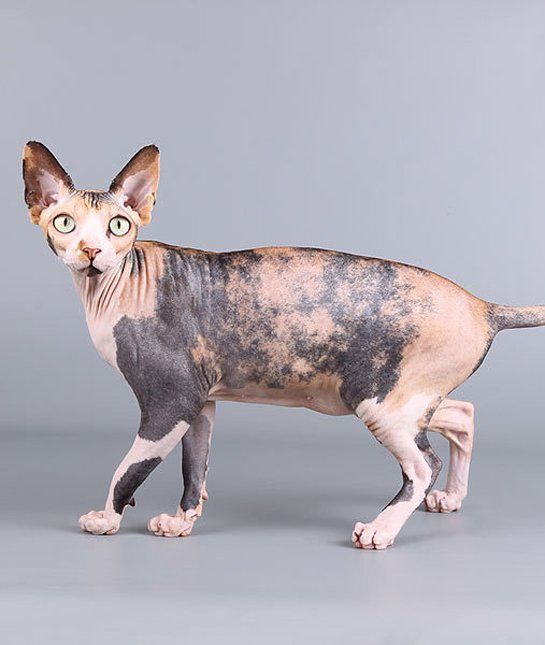
Sphynx:
The hairless Sphynx is the cat most often associated with being hypoallergenic. Being hairless does not mean they're maintenance-free, however. Your Sphynx will need frequent baths to remove the gummy buildup of oils on her skin, and her large ears will also require frequent cleanings.
advertisement
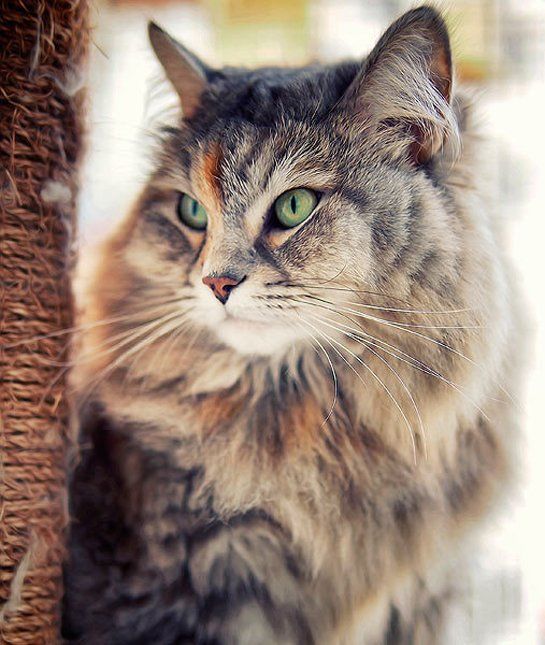
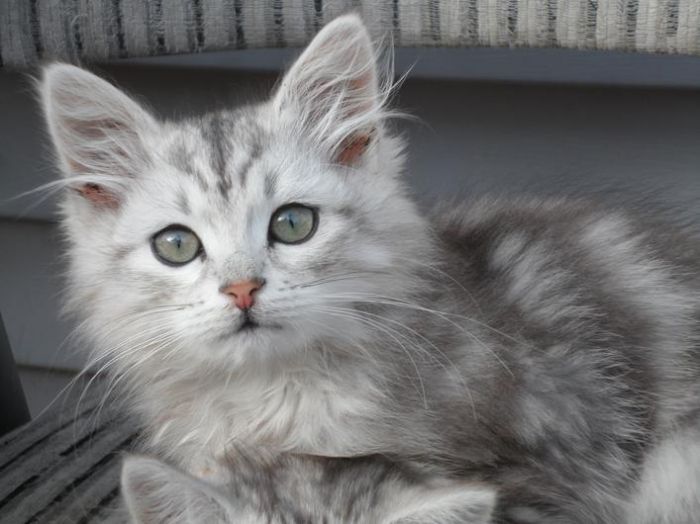
Siberian:
Like the Balinese, the Siberian sports a moderately long coat, but still is hypoallergenic due to the lower-than-average enzyme levels in their saliva. Some claim that 75 percent of cat allergy sufferers have no reaction to the Siberian.