Here are some cartoons from the 90s that even with the ongoing nostalgia craze, no one seems to remember anymore. Now may be a great time to revisit some of them yourself!
I Bet You Forgot About These Cartoons From The 90's
By
Editorial Staff in
History
On 3rd December 2016
advertisement
15. Pirates of Dark Water
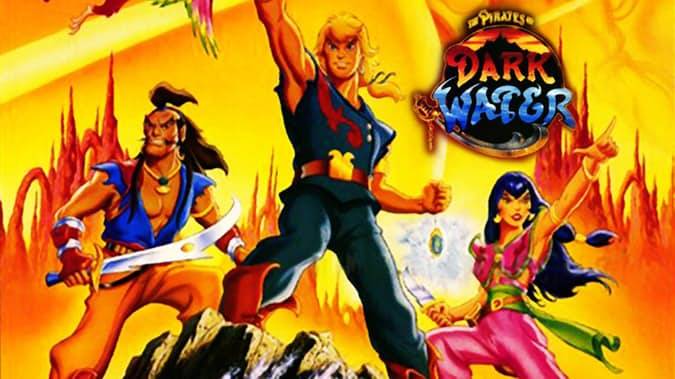
The Pirates of Dark Water is an American fantasy animated television series produced by Hanna-Barbera and created by David Kirschner and first aired in 1991. It was later aired on Fox Kids and Boomeraction.
14. SWAT Kats: The Radical Squadron
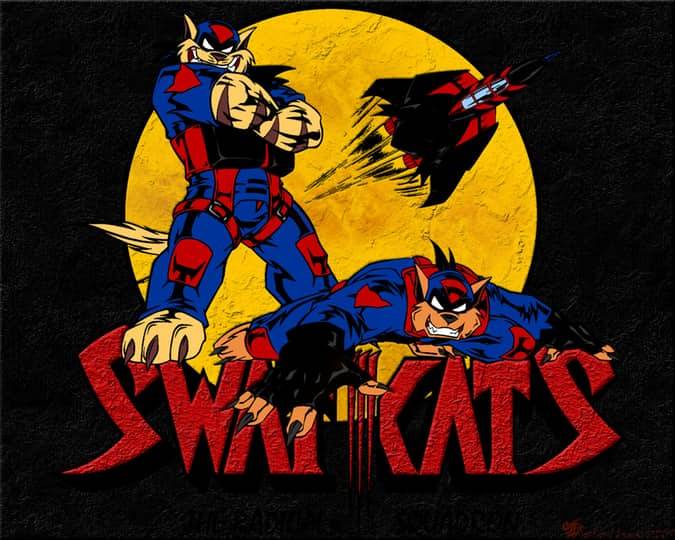
Set in a world of anthropomorphic felines, this series follows the high-flying adventures of Chance "T-Bone" Furlong and Jake "Razor" Clawson. Members of Megakat City's elite law-enforcement agency, the pilots become grounded after their pursuit of archvillain Dark Kat sets them at odds with the headstrong Commander Feral. Reassigned to duties at a military salvage yard, Chance and Jake create their own high-tech jet from discarded parts and dedicate themselves to protecting the city in their secret identities as the SWAT Cats. Armed to the teeth and ready to roll, these masked vigilantes continue their quest to bring down Dark Kat and other threats to the city, including recurring baddies the Pastmaster, Dr. Viper and Hard Drive.
advertisement
13. The Real Adventures of Jonny Quest
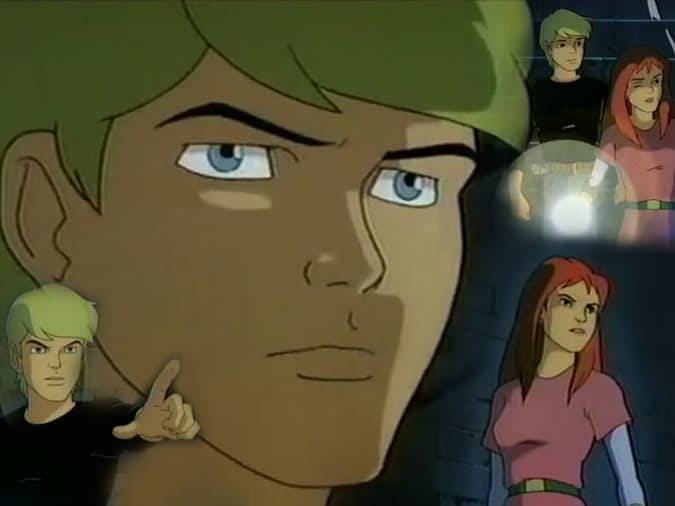
The Real Adventures of Jonny Quest (also known as Jonny Quest: The Real Adventures) is an American animated action-adventure television series produced by Hanna-Barbera and broadcast on Cartoon Network from August 26, 1996 to April 16, 1997. A continuation of the Jonny Quest (1964) and The New Adventures of Jonny Quest (1986) series, it features teenage adventurers Jonny Quest, Hadji Singh, and Jessie Bannon as they accompany Dr. Benton Quest and bodyguard Race Bannon to investigate strange phenomena, legends, and mysteries in exotic locales. Action also takes place in the virtual realm of QuestWorld, a three-dimensional cyberspace domain rendered with computer animation. Conceived in the early 1990s, Real Adventures suffered a long and troubled development.
12. ReBoot
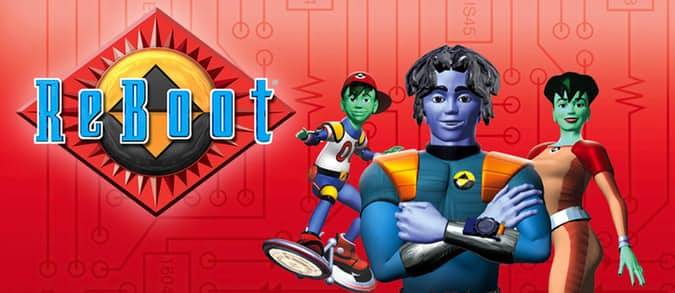
ReBoot is a curiosity: everyone watched it, but hardly anyone remembers it despite it being the first completely computer-animated half-hour TV series. Toy Story seems to get all the credit for revolutionizing CGI, though the Canadian ReBoot predated its release by a year and it was conceived by the same British think-tank, the Hub Collective, whose members had been responsible for the blocky CGI characters in Dire Straits' music video "Money for Nothing," which is often credited with introducing the world to computer animation. Airing from 1994 to 2001, ReBoot followed the adventures of a Guardian named Bob and his companions in their attempts to protect the world of Mainframe (in reality the personal computer of an unnamed user) from attacks by the viruses Megabyte and Hexadecimal.
ReBoot started off as a fairly light-hearted romp with self-contained episodes but took a noticeably dark turn in its third season when it introduced the Web, appeared to kill off Bob, and had the comic relief character of Enzo become "Matrix," a warrior anti-hero and the new protagonist.
From there the show started targeting kids aged 12 and older, resulting in a much more mature and gritty story. Unlike most others on this list, ReBoot was allowed to reach a series finale and avoid early cancellation, but hardly anyone these days still talks about Bob, Enzo, Dot Matrix, Phong, and the other characters of Mainframe.
advertisement
11. Mighty Max
Marketed as a Polly Pocket for boys, the Mighty Max series of sci-fi/adventure playsets sold like hotcakes on the toy market, but few people remember that there was a TV show made out of it. The cartoon about a young boy with a magic baseball cap that transports him across dimensions ran for 40 episodes between 1993 and 1994. Starring the wise-cracking Max, the wise talking bird Virgil (voiced by Tony Jay), and the warrior bodyguard Norman, Mighty Max was an action-packed cartoon that pitted the trio against the villainous Skullmaster (voiced by Tim Curry) and his servants.
advertisement
10. Gargoyles
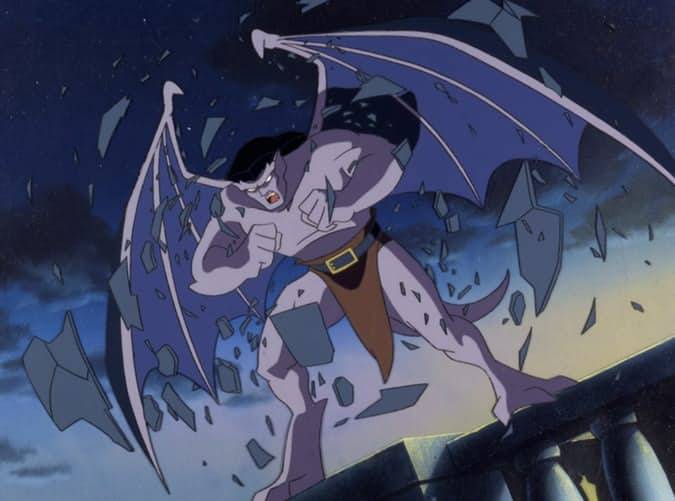
Gargoyles is one of those cartoons that you've definitely seen if you grew up in the 90s, but it rarely gets mentioned these days in spite of all it did for pop culture. In many ways, Gargoyles was ahead of its time: it was dark, smartly-written, and complex, and the characters were some of the best developed in animation history. It was surprisingly adult for a kid's cartoon, including Shakespearian references, mythology, contemporary issues such as gun safety and prejudice, and one of the greatest villains ever conceived in David Xanatos, who was awesome enough to have an entire trope named after his style of planning.
Running from 1994 to 1997, Gargoyles had an intelligence and an edge to it that was rare to find in a show aimed at children. The depth of its lore, with multiple Gargoyle clans and the ties to ancient Scotland and Arthurian legends, also blended seamlessly with its near-future science fiction elements. But despite being wildly popular in its day and leaving a lasting impression, Gargoyles simply isn't credited its due when it comes to influencing how cartoons were made, and few people talk about it nowadays.
advertisement
9. Mighty Ducks
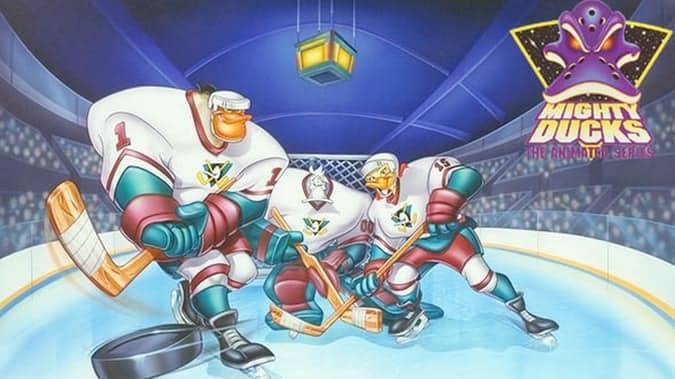
Mighty Ducks (also known as Mighty Ducks: The Animated Series) is an American animated television series that aired on ABC and the syndicated programming block The Disney Afternoon in the fall of 1996.[1] The show was inspired by the live-action Mighty Ducks films and the NHL team, the Anaheim Ducks.[2] Twenty-six episodes were produced in total. The series most recently aired on Toon Disney but was removed from schedules in November 2004, and has not appeared on the channel's line-up since then.
advertisement
8. KaBlam!
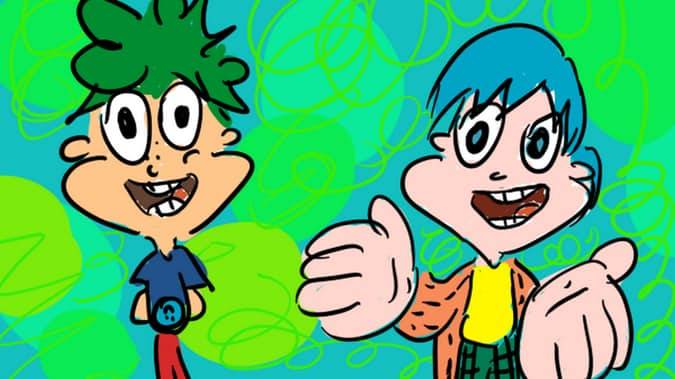
KaBlam! (stylized as KaBLaM!) is an American animated sketch comedy that ran on Nickelodeon from 1996 to 2000. The series was created by Robert Mittenthal, Will McRobb, and Chris Viscardi. The show was developed as a fully animated showcase for alternative forms of animation that were more common in indie films and commercials.[3] Each episode thus features a collection of short films in multiple innovative styles of animation, bridged by the characters Henry and June, who introduce the shorts and have adventures of their own in between.
Although SNICK aired many Nicktoons not part of its block, KaBlam! was the only Nicktoon created for SNICK. The show became TV-Y in 1997 (when the American content ratings were put to use), until later that year. KaBlam! was a critical and commercial success and earned a cult following.
advertisement
7. Street Sharks
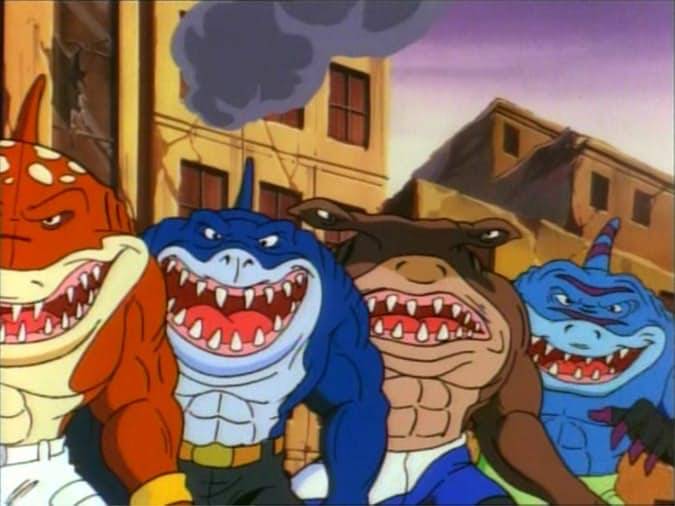
One of the many Teenage Mutant Ninja Turtle knock-off series, Street Sharks was an action/comedy cartoon about four brothers who mutated into massive, muscular, half-man half-shark creatures as the result of being exposed to a machine called the "gene-slammer." The four Street Sharks Ripster, Jab, Streex, and Slammu spent their time battling mad scientists and their monstrous creations in episodes named after terrible shark puns. As if that wasn't enough, their catchphrase of choice was "jawsome!" and they very vocally disliked pizza.
Street Sharks only had a 40 episode run from 1994 to 1995, during which time it was more famous for its action figures and rubber hand puppets than anything else. When Street Sharks is remembered at all, it's remembered as one of the most blatant cash-ins on mid-90s Turtlemania and a perfect example of cheesy 90s pop culture. But to its credit, it did have a young Vin Diesel praise its famous toy line.
advertisement
6. Ronin Warriors
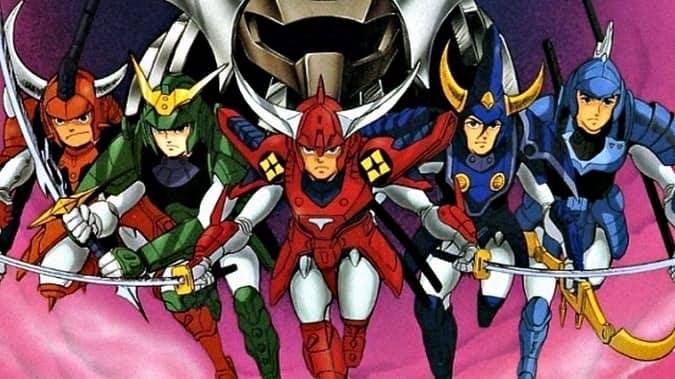
An English dub of the anime Yoroiden Samurai Troopers, the Ronin Warriors first began airing on American television in the summer of 1995, though it didn't gain much attention until it premiered on the Toonami cartoon block in 1999. The show featured the five Ronins each one possessing mystical armor and weapons with elemental powers. They were opposed by Talpa, Emperor of the Dynasty of the Netherworld (in the Japanese original a demon sovereign), who seeks to conquer the mortal world. They are assisted in their endeavors by a young teacher and a boy (who pretty much do nothing except get captured periodically) and a mysterious monk known only as the Ancient One.
Akin to the Power Rangers with a more samurai-esque flair, Ronin Warriors showed up at a time when American interest in anime was just beginning to peak. But like many late 80s/early 90s anime adapted for American television, Ronin Warriors has not aged well. The animation is dated, the plot is simplistic, and most of the characters are one-dimensional, but the series had appeal because of just how shamelessly trope-heavy yet enthusiastic it was, and the action and pacing was excellent. Character development on the part of Anubis, one of Talpa's Dark Warlords who eventually defects, and a pretty awesome giant white tiger sidekick also contributed to the show's appeal.
advertisement
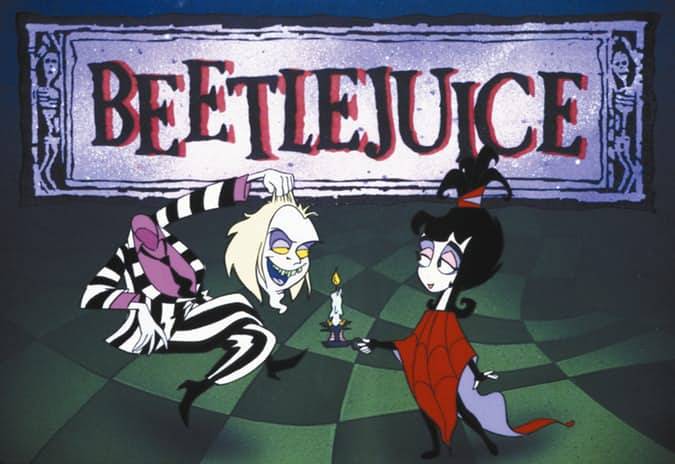
5. Beetlejuice
Beetlejuice is an American-Canadian animated television series which ran from September 9, 1989, to October 26, 1991, on ABC and, on Fox from September 9, 1991, to December 6, 1991. Loosely based on the 1988 film of the same name, it was developed and executive-produced by the film's director, Tim Burton. The series focus on the life of Goth girl Lydia Deetz and her undead friend Beetlejuice as they explore The Neitherworld, a wacky afterlife realm inhabited by monsters, ghosts, ghouls and zombies. Danny Elfman's theme for the film was arranged for the cartoon by Elfman himself.
advertisement
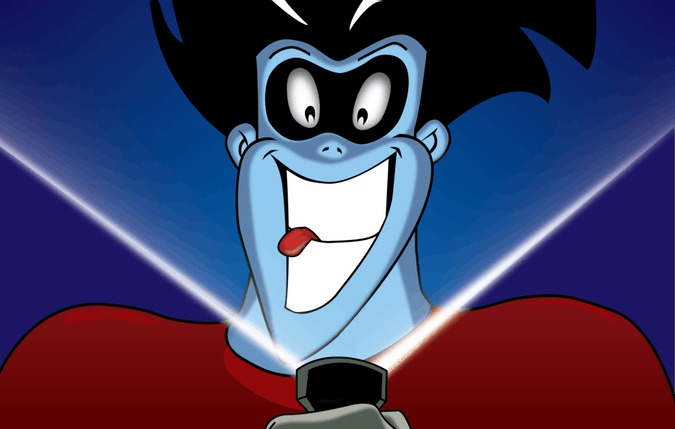
4. Freakazoid
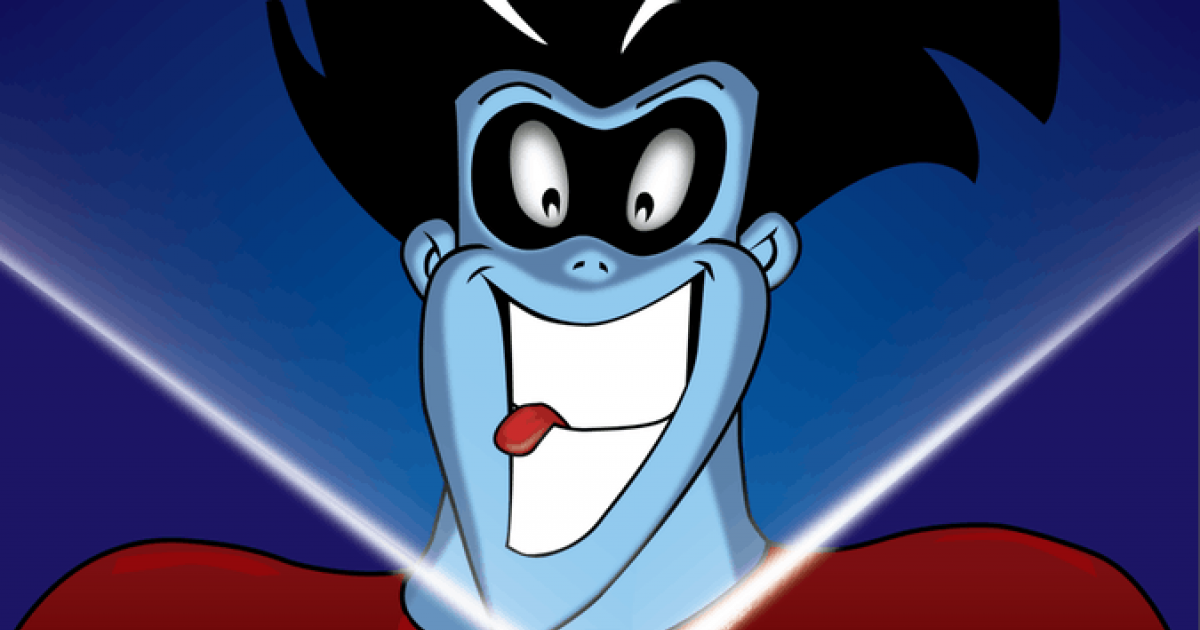
During the animation renaissance of the 1990s, Steven Spielberg and Warner Bros. Animation teamed up to create Animaniacs, which would go on to become one of the defining cartoons of the decade. A more obscure project by the same team around the same time was Freakazoid. A whacked-out parody of superhero tropes, the Kids' WB series chronicled the adventures of an insane, red-suited superhero with all the information on the internet in his brain. Freakazoid featured the same surreal, slapstick, fourth-wall-breaking sense of humor as Animaniacs and the same producers and animation style as Batman: the Animated Series.
During its run, Freakazoid attracted a loyal following but encountered problems with its demographics. It received low ratings because the audience that it gathered was older than what Kids' WB was aiming for, i.e., not young children. It also ran into problems with its frequently-changing timeslot, which baffled viewers. This combination led to it being canceled after two seasons, though it retains a cult following.
Freakazoid was another show that was simply ahead of its time, anticipating the power of the internet before such things as 4chan or memes even existed. Now that millennials who grew up watching the show have been actually surfing the internet for more than a decade, it may be time for the world to be sucked into cyberspace with Freakazoid again. His internet-based powers would be more timely than they were in the mid-90s. Imagine a superhero speaking entirely in memes. Yeah.
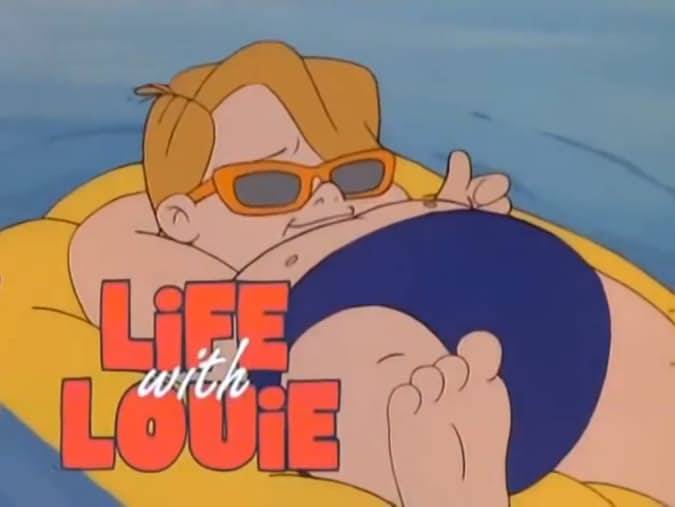
3. Life with Louie
Life with Louie is an American animated series. The show is based on the childhood of stand-up comedian Louie Anderson, growing up with his family in Wisconsin, although Anderson himself is from Minnesota.
The first two episodes aired in primetime on Fox.
advertisement
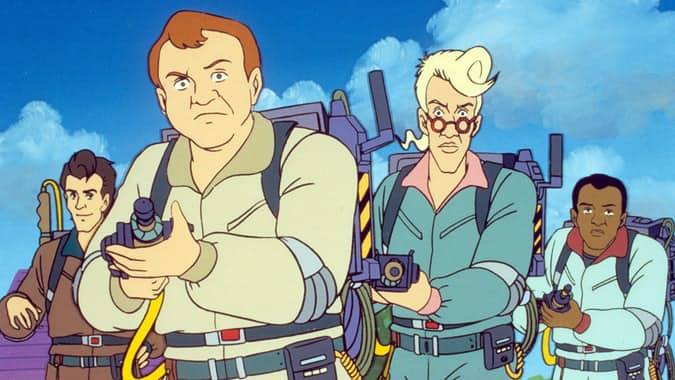
2. The Real Ghostbusters
The Real Ghostbusters is an American animated television series, a spinoff of the 1984 movie Ghostbusters.The series ran from September 13, 1986 to October 5, 1991, and was produced by Columbia Pictures Television, DiC Enterprises, and Coca-Cola Telecommunications. J. Michael Straczynski was story editor, and wrote episodes for every season except four and seven. "The Real" was added to the title after a dispute with Filmation and its Ghost Busters properties
1. Samurai Pizza Cats
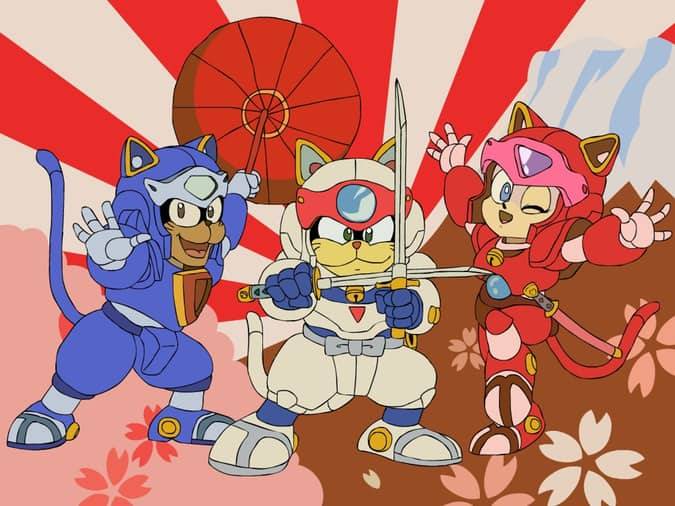
Samurai Pizza Cats is an American animated television adaptation of the anime series Kyatto Ninden Teyandee (Cat Ninja Legend Teyandee), produced by Tatsunoko Productions and Sotsu Agency. Saban picked up the North American rights to the series, which originally aired in Japan on TV Tokyo from 1 February 1990 to 12 February 1991 for a total of 54 episodes, in 1991, and produced an English adaption for a total of 52 episodes. The English version of the series first aired on YTV in Canada (1993) and on first-run syndication in the United States (1996).[1] The English version became a cult hit among anime fans due to its rapid-fire pop culture references and more farcical nature.