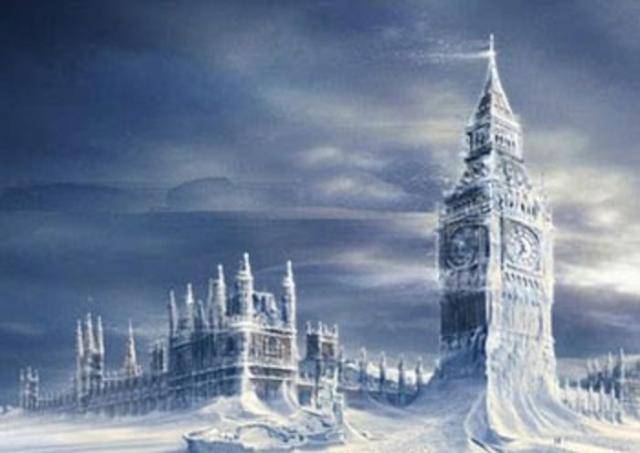
A research by NASA about the sun has shown that Earth maybe heading for a mini ice age after new photos of the sun suggests it.
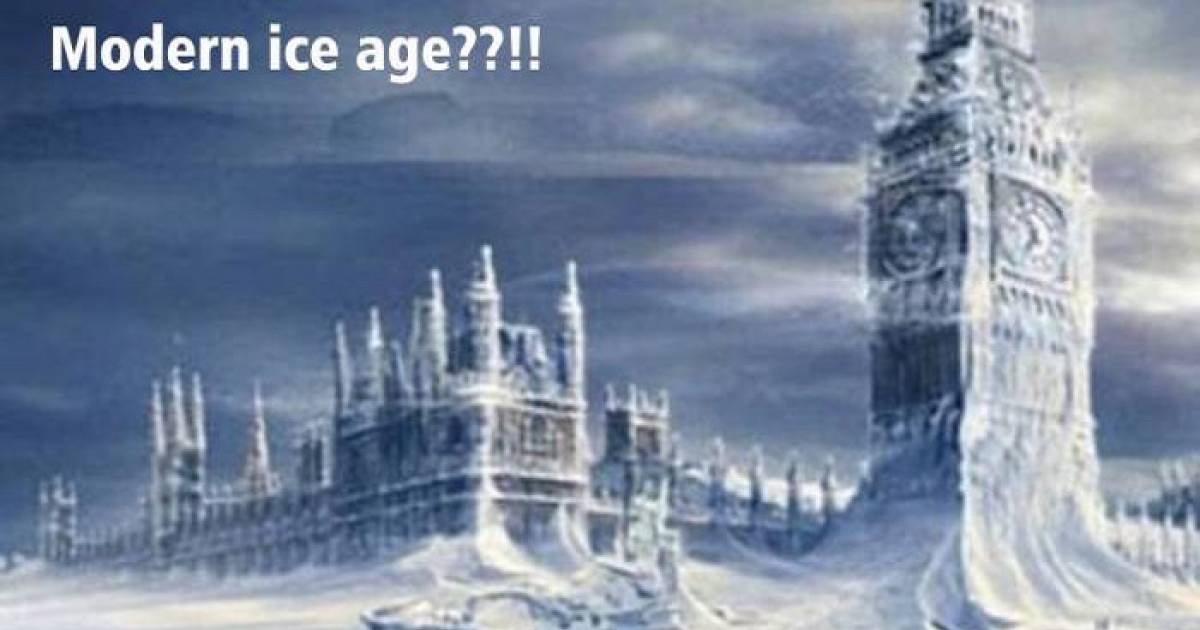
Ice Age To Strike Earth After 2019 As Scientists Say Sun Will Go Black
By
Editorial Staff in
Science and Technology
On 9th October 2016
advertisement
#1
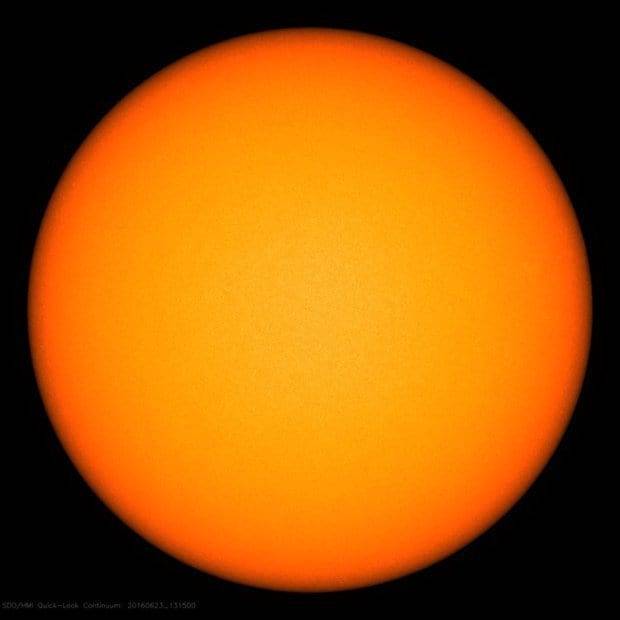
Photographs of the sun show that the star's sunspots have vanished, with the normally volatile surface appearing relatively calm, reports the Daily Star.
This is the fourth time this year the sun's face has appeared smooth, with experts saying solar activity is falling more rapidly than any time in the last 10,000 years.
#2 Photo Posted by NASA
Early in the morning of Sept. 1, 2016, our Solar Dynamics Observatory, or SDO, caught both Earth and the moon crossing in front of the sun. SDO keeps a constant eye on the sun, but during SDO's semiannual eclipse seasons, Earth briefly blocks SDO's line of sight each day a consequence of SDO's geosynchronous orbit. On Sept. 1, Earth completely eclipsed the sun from SDO's perspective just as the moon began its journey across the face of the sun. The end of the Earth eclipse happened just in time for SDO to catch the final stages of the lunar transit. Image Credit: NASA/SDO #nasa #sun #sdo #earth #nasabeyond #astronomy #science
advertisement
#3
This large reduction in sunspot activity could mean the Earth is about to enter a cold phase the last time sunspots vanished at such a rapid rate marked the centuries-long ‘ice age' that began in the 15th century.
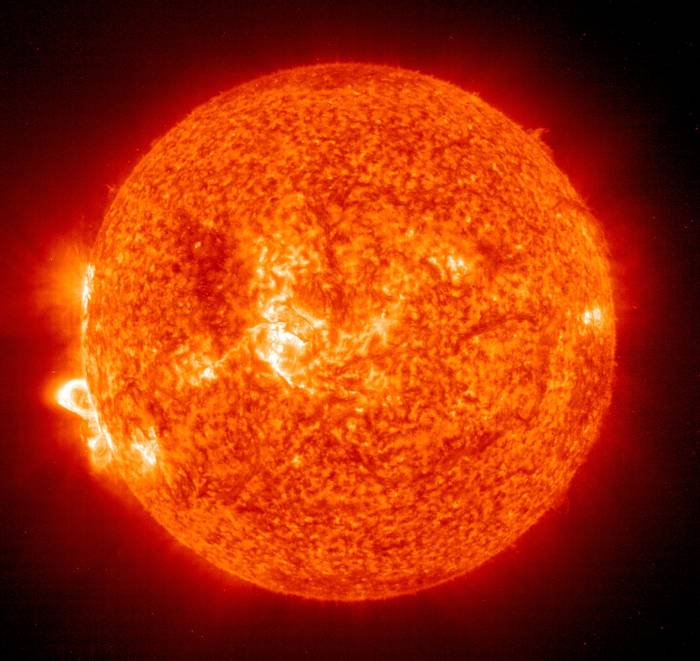
#4 Meteorologist Paul Dorian believes this sharp decline in solar activity could be a sign another ice age is coming.
He said:
It is safe to say that weak solar activity for a prolonged period of time can have a cooling impact on the troposphere, the bottom most layer of Earth's atmosphere where we all live.
Dorian's views are backed up by research headed by Professor Valentina Zharkov of Northumbria University suggesting a cold snap will hit Earth between 2020 and 2050.
Prof Zharkov said:
I am absolutely confident in our research. It has good mathematical background and reliable data, which has been handled correctly.
Our results can be repeated by any researchers with the similar data available in many solar observatories, so they can derive their own evidence.