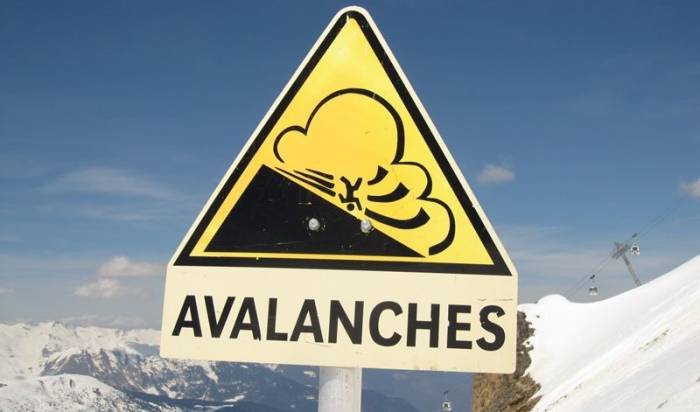
With more and more news coming to light about the recent avalanche in central Italy, you have to face the reality that the same terrible thing could happen to you. If you're a winter sports enthusiast, you simply need to know the warning signs of an avalanche so that you can keep yourself safe in an emergency.
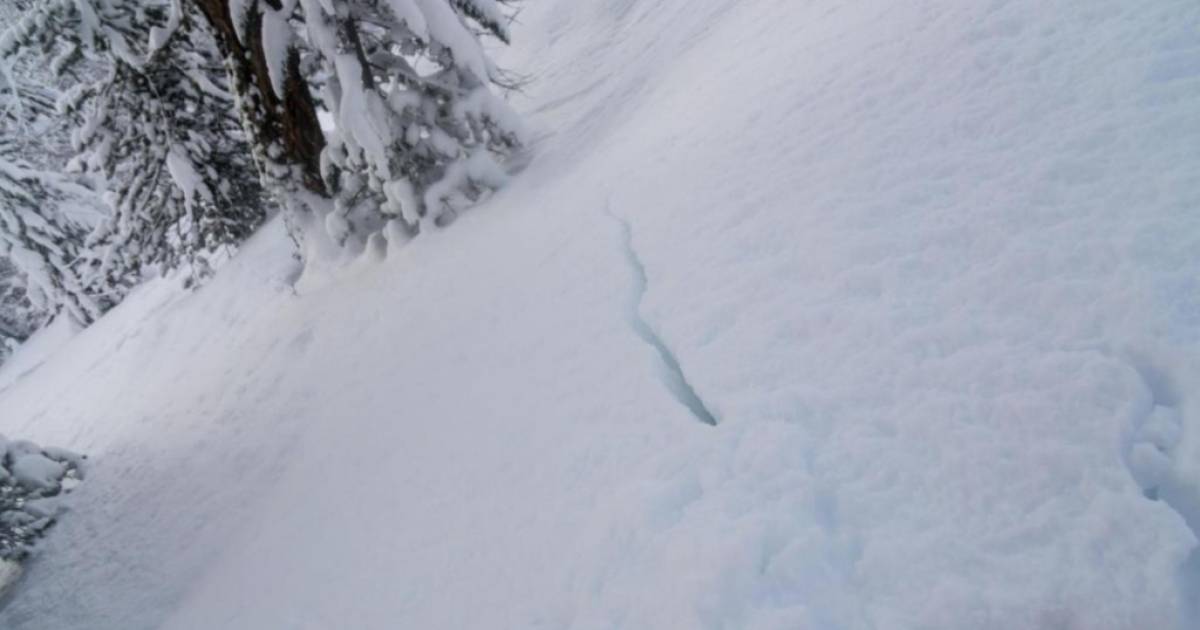
If You Ever See This Happening While You're Skiing Or Snowboarding, Leave ASAP
By
Michael Avery in
Facts
On 28th January 2017
advertisement
Avalanches are dangerous
Mother nature provides us with 6 warning signs of high avalanche risk. All backcountry skiers should be on the look out for the presence of one or more of these signs. The more flags that are present, the higher the risk of an avalanche. The presence of these dangers doesn’t necessarily mean that off-piste skiing is canceled for the day, but it will mean that your ski routes will need to be planned accordingly, with the risk firmly in mind. Remember, aspect, altitude and time of day are critical variable when judging avalanche risk at a given place, so conditions which manifest in one location may be totally different to another location. Also, timing is crucial throughout the day avalanche risk can rise and fall dramatically with changing temperatures; this is especially the case in spring. Here are the 6 red flags, remember them, and always be on the look out for danger.
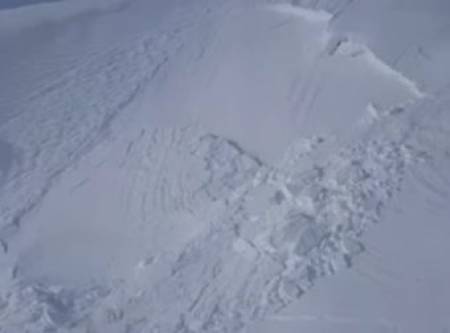
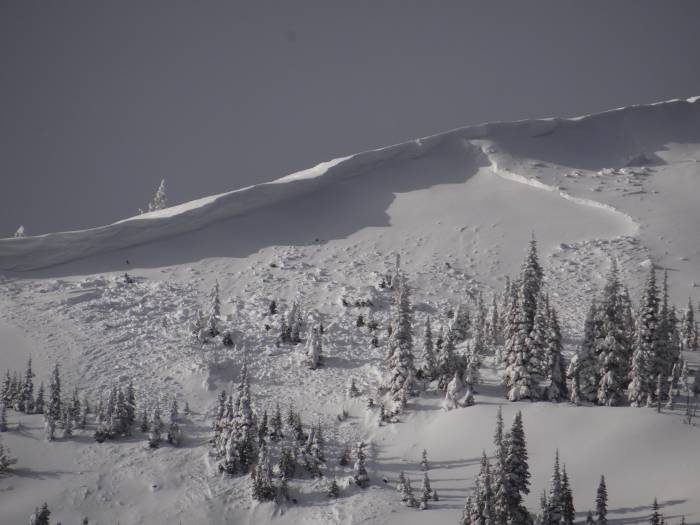
1. RECENT AVALANCHE ACTIVITY
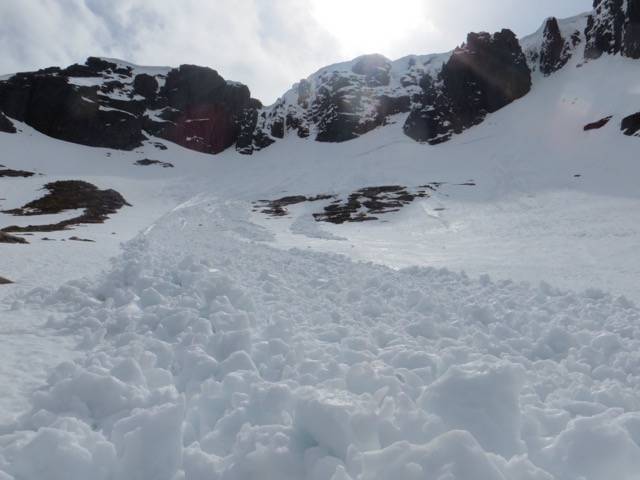
This simple rule is often overlooked! Evidence of recent avalanches, is an indisputable sign of instability. When making observations always take care to scan the whole of the visible landscape. If there is evidence of recent slides, take careful note of the aspect, altitude, type of avalanche (i.e. slab, wet snow slide, slough or layer failure). It is possible to gauge the age of the slide by examining the freshness of the debris. As a general rule, if you see recent avalanche activity the snow pack is unstable.
advertisement
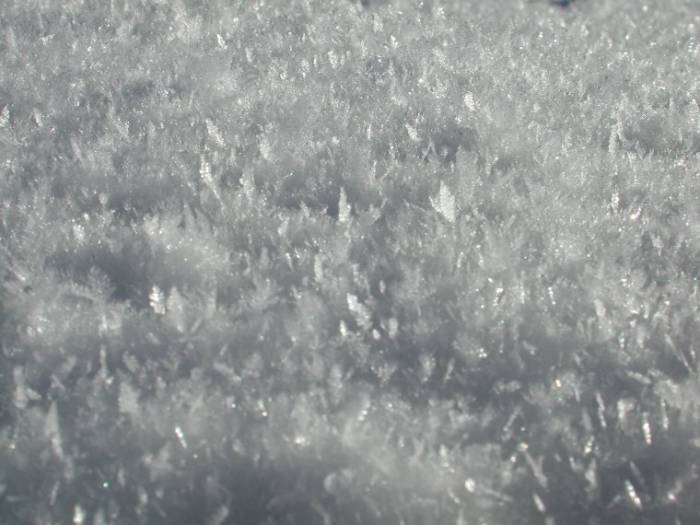
2. CRYSTALS ON TOP OF THE SNOW
If you see those little crystals forming on the top of the snow on a beautiful day — they shine like diamonds — that's a warning sign. It's called hoarfrost, and what happens is when it then snows again on top of that layer, it then creates a very loose layer. That loose layer is particularly dangerous where avalanches are concerned.
3. TEMPERATURE RISE
If the temperature is on the rise then beware! Especially later in the ski season it will be cold powder skiing in the morning and then warm up significantly in the afternoon. Along with the rise in temperature comes rapid changes within the snow pack. Rising temperatures cause partial melting and lubrication within the snow structure. The snow becomes both heavier and more mobile. If temperatures rise significantly above zero then the snow becomes saturated and wet slides could occur. Rolling balls, and point releases (natural slides from originating from rocks or trees) indicate wet unstable snow. It is worth noting that direct sunlight leads to a rapid temperature increase especially on southerly and westerly slopes even when the air (shade) temperature stays below zero.
advertisement
4. SIGNIFICANT SNOWFALL IN THE LAST 24 HOURS
New snow hasn’t had any time to bond or compact, so is inherently unstable. In addition, a lot of avalanches are triggered by skiers on the first day after snowfall because people are keen to get fresh tracks in the new snow. The combination of significant new snow accompanied by wind is recipe for wind loading and instability. It is also worth noting that significant rain on top of the snow raises the chances of wet snow slides.
advertisement
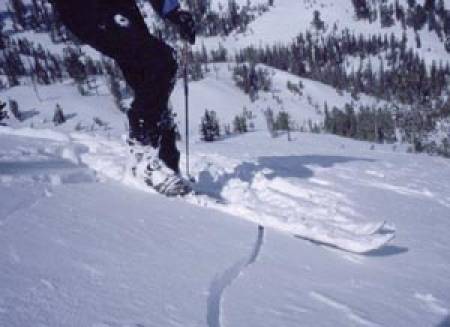
5. CRACKING, BLOCKING OR WHOOMPING OF THE SNOW PACK
Cracking and blocking indicate the presence of wind slab, which is an unstable form of snow. Wind slab is formed by the wind driving together the snow particles into a homogenous mass which can propagate over a wide area. Always be on the lookout for cracks under the skies. If you see cracks or ‘shooting cracks’, this indicates extreme instability, so get off the slope. A 'whoomping' sounds coming from within the pack itself means that a weak layer is collapsing and that the snow pack is unstable. Usually this sound is triggered by the weight of the skier. This warning sign can be particularly relevant when there has been significant new snow on the top of an older pack which has turned ‘sugary’. Whoomping is a sure sign to stay off steep slopes.
advertisement
6. STRONG WINDS
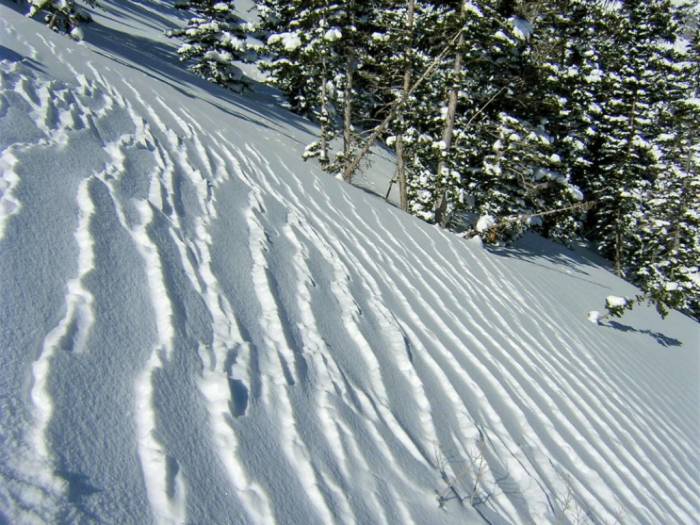
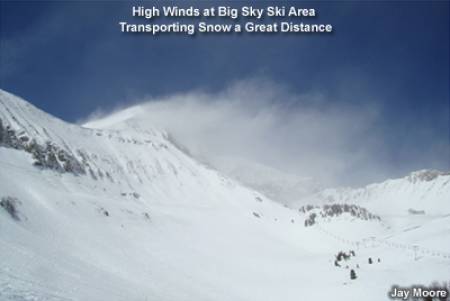
Unstable wind slabs are created by strong winds. Wind blown snow is compacted and bonded by the wind. If the wind is blowing or has blown recently it has probably created dangerous slabs and increased the avalanche danger. The wind is most relevant during or soon after significant snow; however wind slabs can still form at any time, due to the transportation of particles from the windward aspects to sheltered aspects. Wind slab deposits are usually found on the leeward or sheltered side of prominent terrain features such as ridges, peaks and passes. This is called ‘top loading’. But wind can also blow across a slope which is called ‘cross loading’. Wind slabs are usually found at higher elevations.
advertisement
On a recent Mount St. Helens ski trip, this guy witnessed one such warning sign.
As he was recording his buddy in action, he caught a snow slide on camera.
By sharing this footage, he hopes to warn others about the instability of the snow on many of the world’s mountains.
advertisement
But snow slides aren't the only thing you should be looking out for. National Geographic breaks down more warning signs in the video below:
advertisement
If you follow these warning signs you may just save your life.
If you're going to be skiing or snowboarding this winter, keep these signs in mind. And be sure to share this article with your friends so that they know about them, too!