

These historical figures were born with severe health issues, and in many cases, their parents were also their close relatives
3 Of The Most Inbred People In History And The Bizarre Health Problems They Faced
By
Khadija Pervez in
News
On 15th August 2025
advertisement
When it comes to keeping things in the family, royalty has often taken that idea to an extreme.
It probably won’t shock anyone to learn that three of the most famously inbred individuals in human history were members of royal families.
Unfortunately, that includes an ancient Egyptian pharaoh, an Austrian emperor, and a Spanish king — all of whom lived with serious health problems as a result.
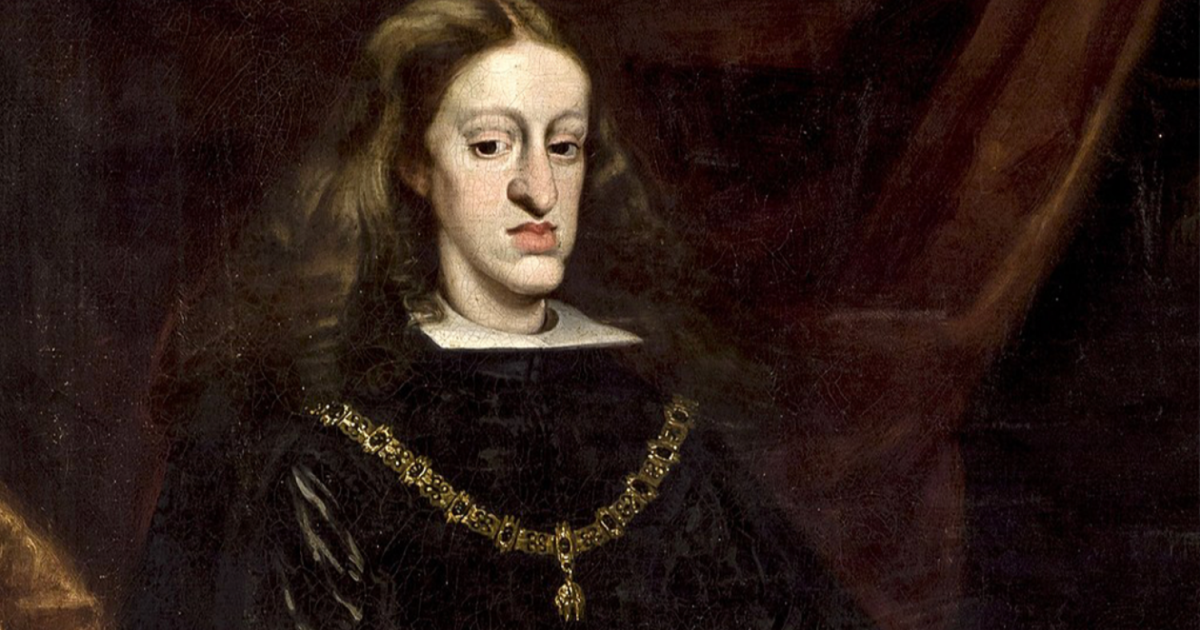
Let’s start with the Spanish monarch, Charles II.
Born in 1661, Charles was part of the infamous Habsburg dynasty — a family so determined to protect its wealth and power that they refused to marry outsiders for generations.
This obsessive need to keep everything “in the family” led to shocking family connections. His parents were actually uncle and niece, while his grandmother also held the title of his aunt. Family gatherings must have been confusing at best — or downright disturbing at worst.
We’ll get to the strange and severe medical conditions these royals were born with shortly.
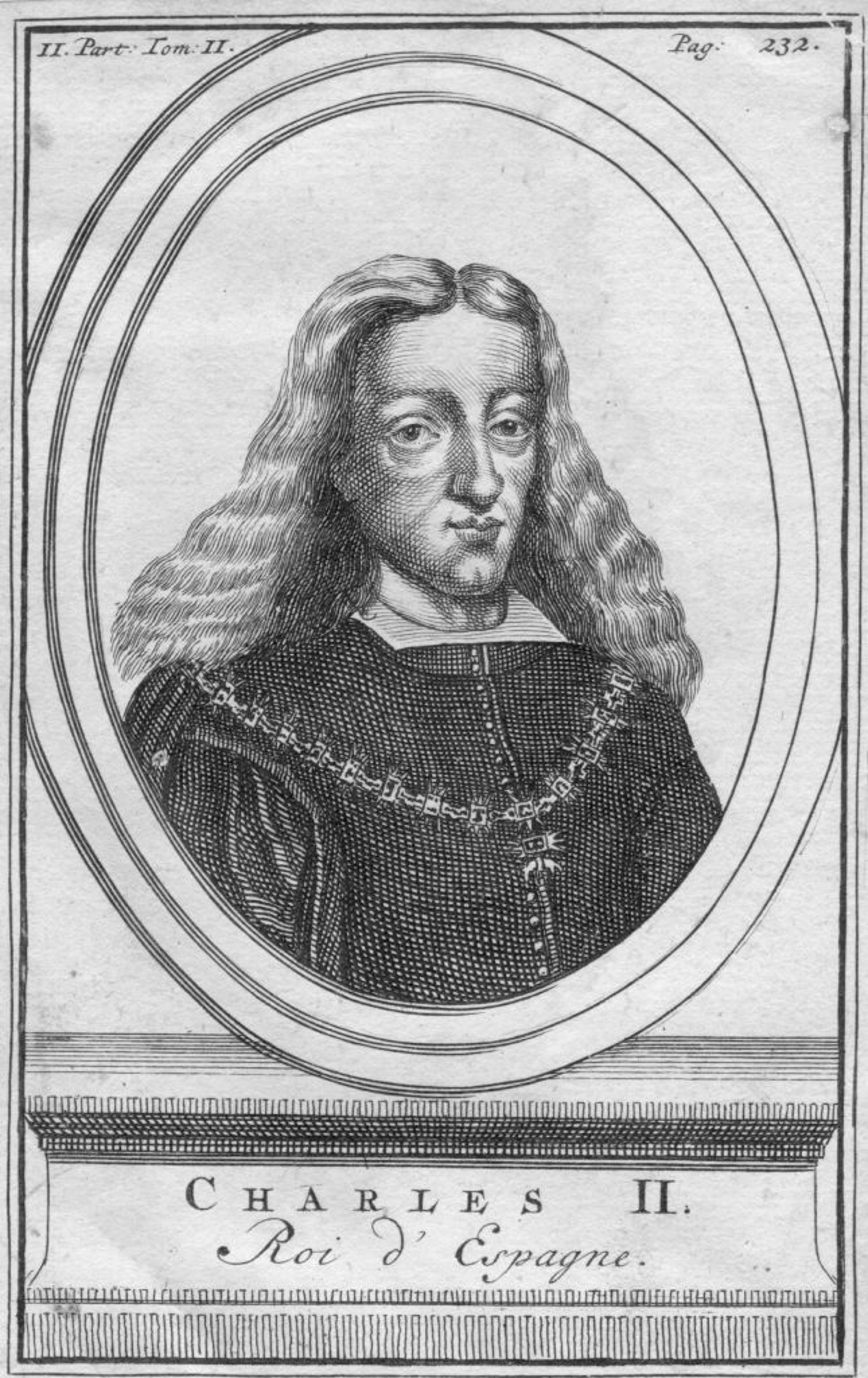
King Charles II of Spain, who ruled from 1665, was tragically born with a host of deformities
Hulton Archive/Getty Images
advertisement
Next is Austrian Emperor Ferdinand I, born in 1793. His parents were first cousins, and all four of his grandparents were also closely related.
Continuing the family pattern, Ferdinand himself married Maria Anna of Piedmont-Sardinia, who was a distant cousin.
Finally, we have Pharaoh Tutankhamun, born around 1341 BC, who is believed to have been the child of Pharaoh Akhenaten and one of Akhenaten’s own sisters.
Following the example set by his parents — who were also his aunt and uncle — Tutankhamun went on to marry his own sister.
Sadly, the couple could not have children, and two miscarried fetuses were later discovered in his remarkably well-preserved tomb.
Now, let’s take a closer look at the serious medical conditions that these royals suffered from.
advertisement
Scoliosis
Since we’ve just discussed Tutankhamun, let’s begin with his devastating battle with scoliosis.
This condition causes the spine to curve sideways, and in severe cases it can result in significant pain, mobility issues, and uneven posture.
The young pharaoh died at only 19 years old. His remains revealed a clubfoot, a cleft palate, and a degenerative bone disease that was eating away at the bone in his left foot.
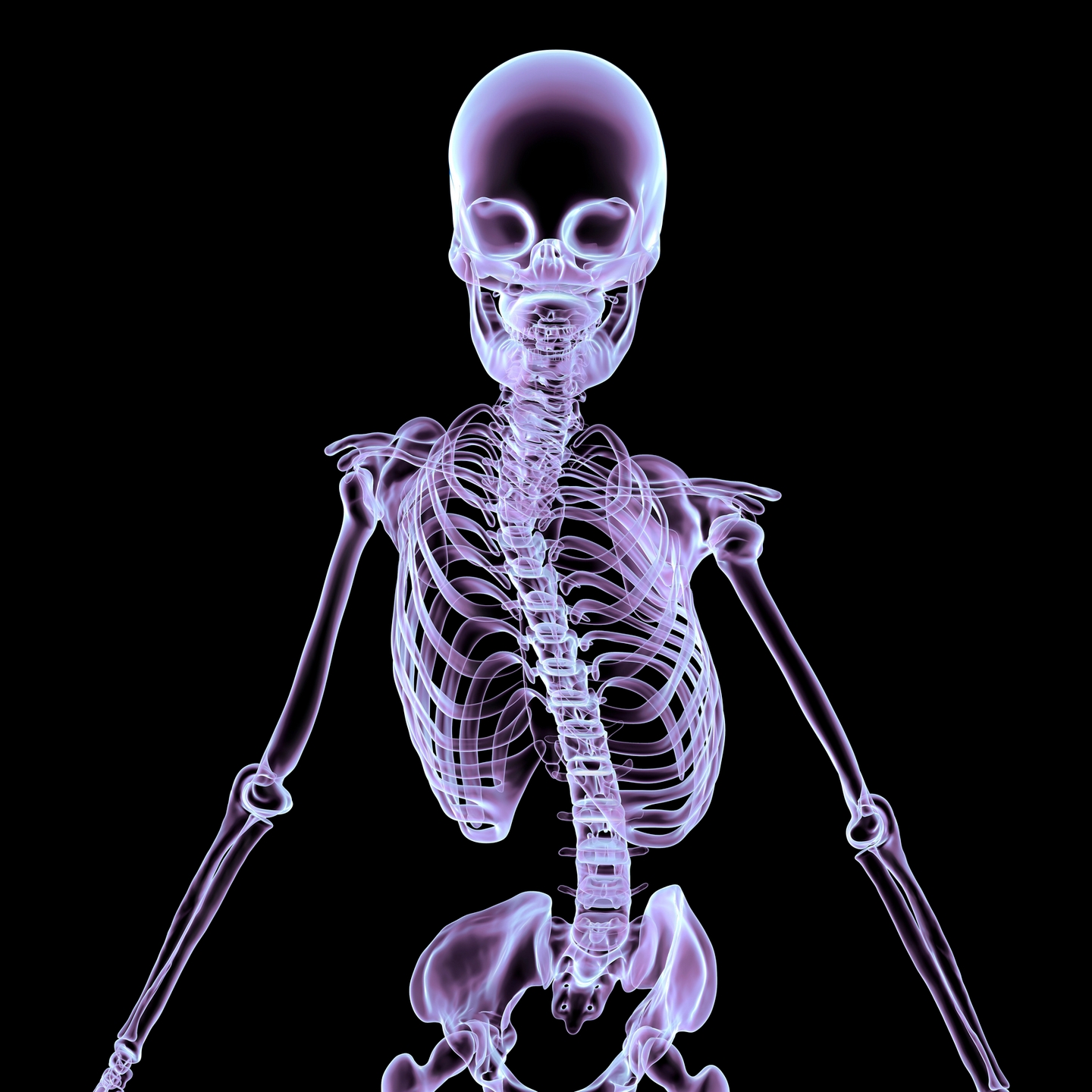
Egyptian Pharaoh Tutankhamun was found in his tomb with scoliosis
Getty stock
advertisement
Hydrocephalus
Ferdinand I was born with hydrocephalus, a condition in which excess fluid builds up around a baby’s brain. In his case, it caused his head to be unusually large.
As a product of intense inbreeding, Ferdinand also struggled with speech difficulties and endured frequent epileptic seizures. That brings us to the final shared condition among these royals.
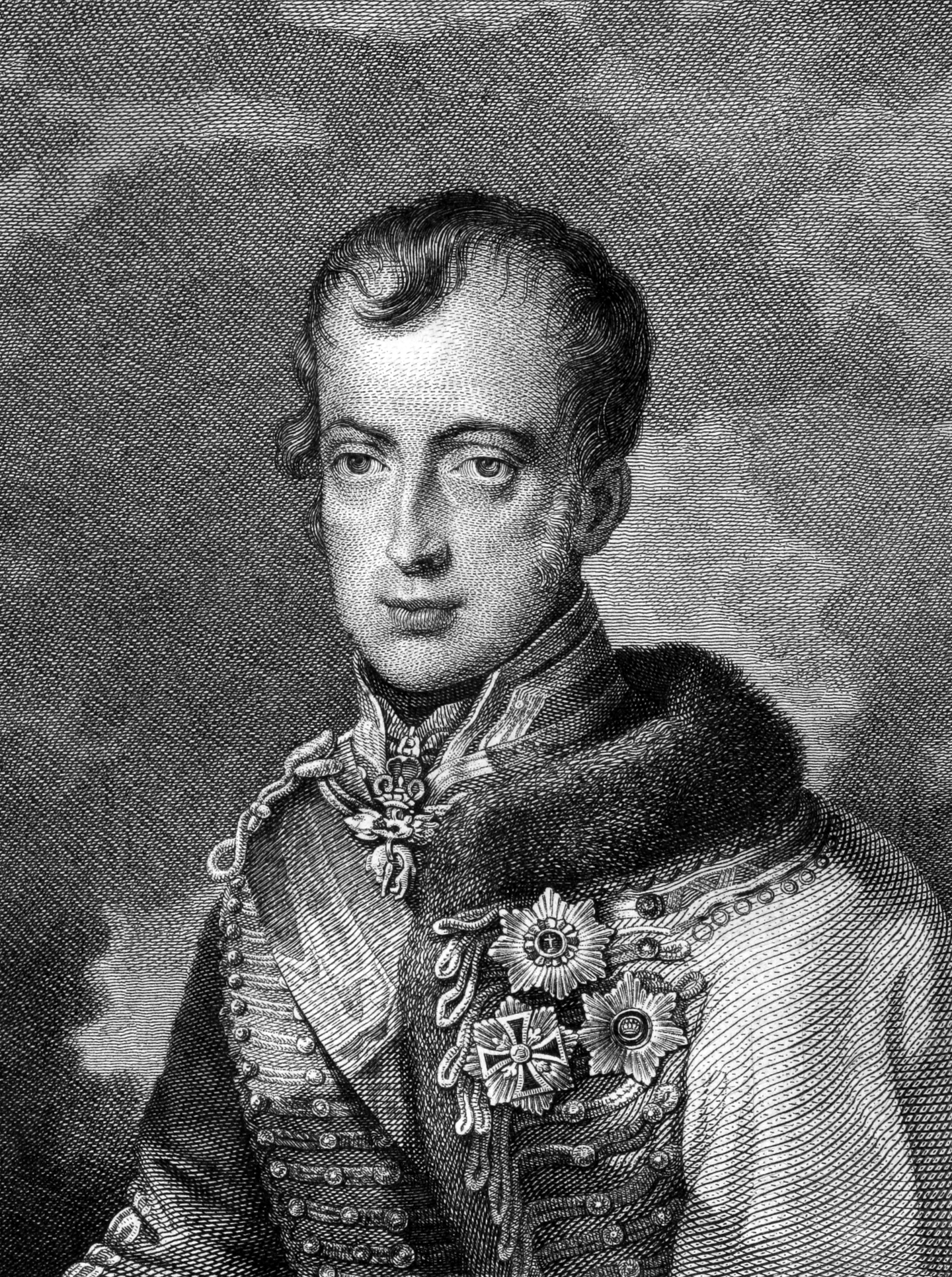
Austrian Emperor Ferdinand I suffered with epilepsy, among other conditions
Getty stock
advertisement
Epilepsy
In addition to his other health issues, Ferdinand I suffered from epilepsy and is even said to have experienced a seizure on his wedding day. Despite these lifelong challenges, he lived to the age of 82, passing away in 1875.
Similarly, Charles II of Spain also lived with epilepsy.
advertisement
Before his death at only 38 years old, Charles II’s appearance and health were already a source of concern.
He had a noticeably protruding lower jaw — a trait so common in his family that it became known as the “Habsburg jaw.” He also struggled with developmental delays.
After his death, an autopsy reportedly revealed startling findings: his heart was unusually small, about the size of a peppercorn, and one of his testicles was blackened.