In European history the Middle Ages or Medieval period lasted from the 5th to the 15th century.
Houses in this period were different from the ones in the Roman times in many ways.
First of all people in the medieval times lived in villages as it was safer than living in isolated farmhouses on their own land.
That changed the architecture significantly. The other major change was that people, more commonly in northern Europe used fireplaces and chimney for cooking and heating instead of an open fire pit in the middle of the room.
Depending on whether the house belonged to a wealthy family or peasants, Middle Age homes varied greatly in their size and appearance.
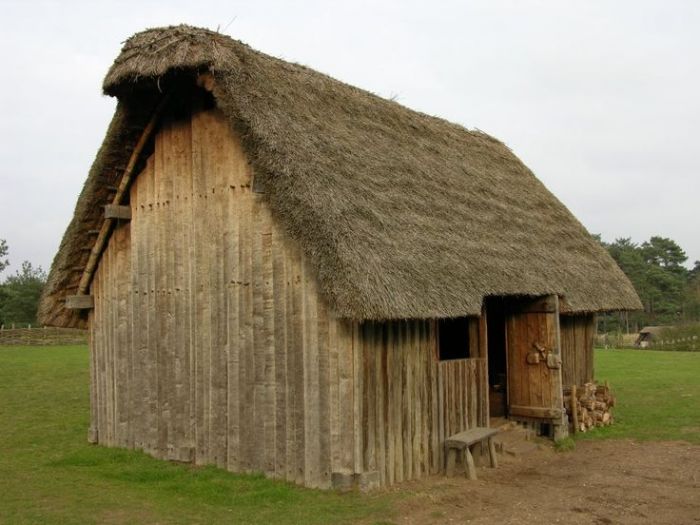
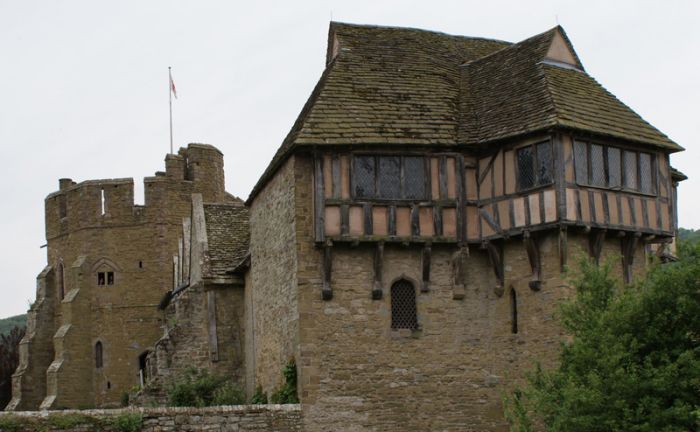
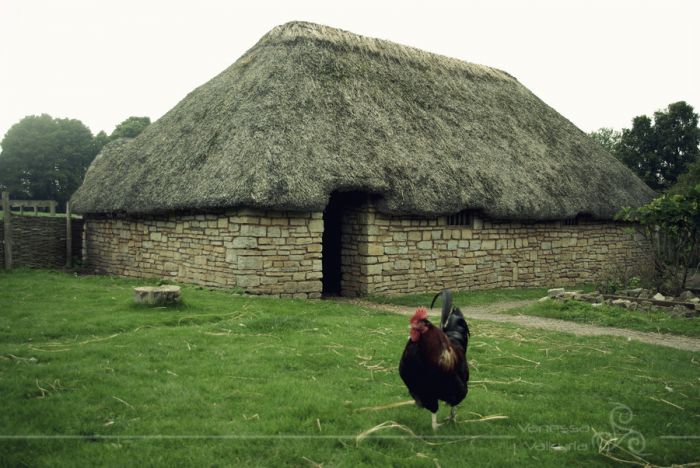
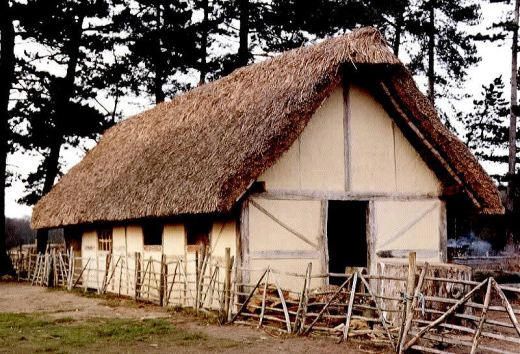
A peasant's hut was made of wattle and daub, with a thatch roof but no windows. Therefore most of these houses are no longer standing but many of the wealthier homes are still standing today.
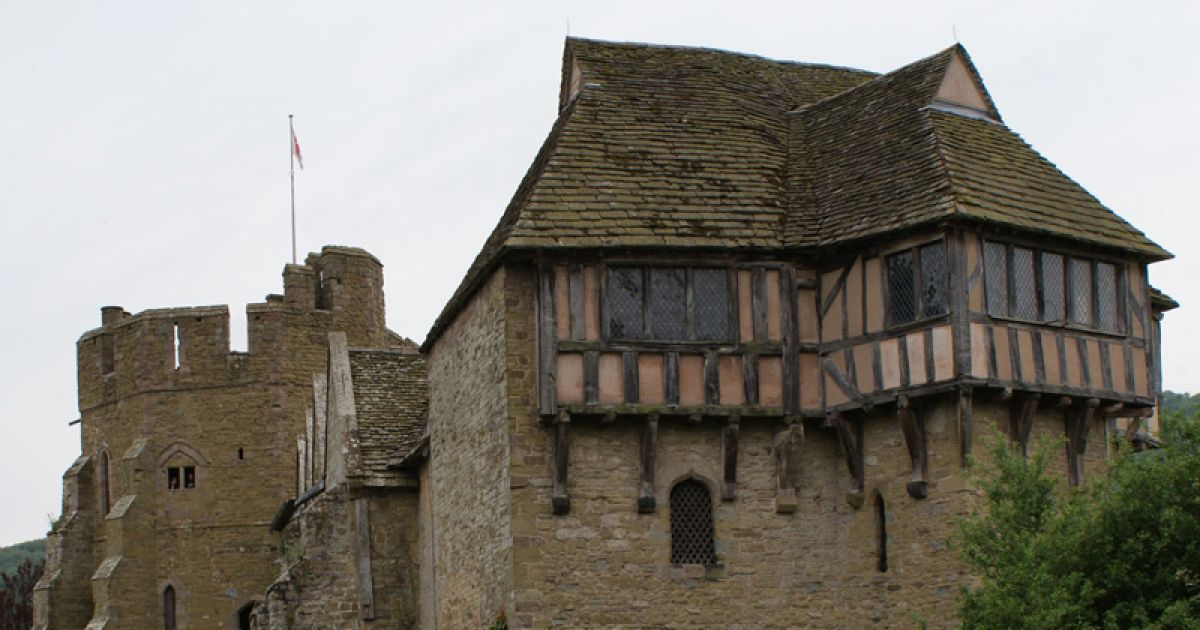
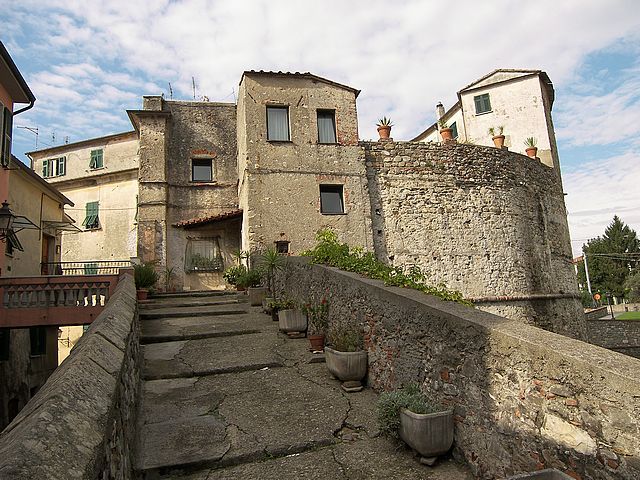
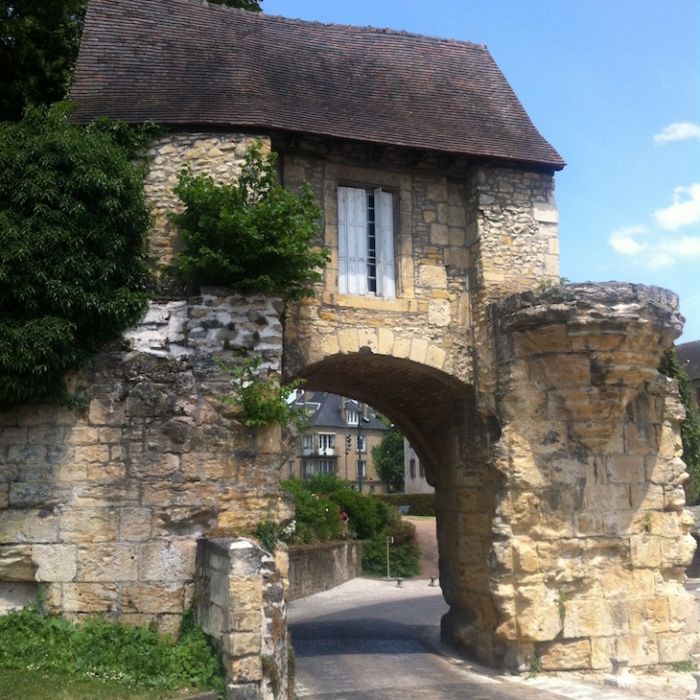
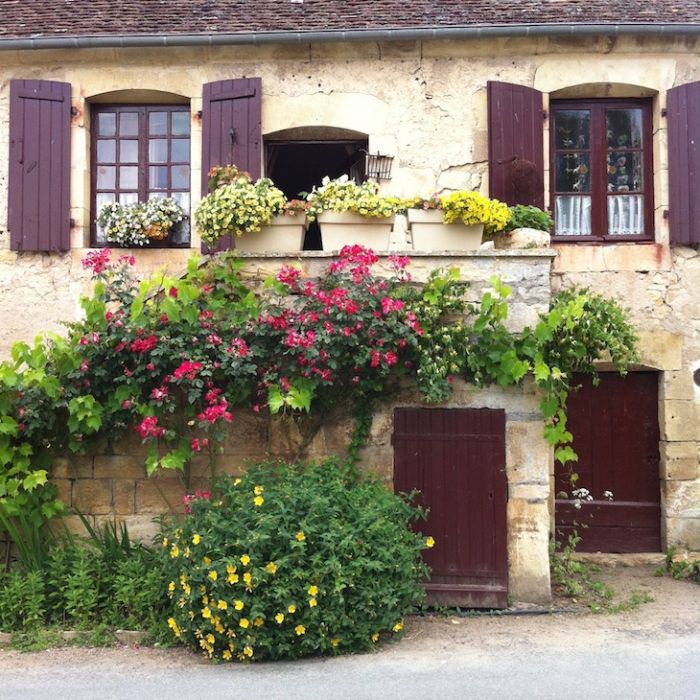
Medieval city homes between the rich and poor differed little form the outside, each being made of the same stone brought in from nearby quarries.
But the inside accommodations were far more telling. A poor family might be cramped into one room, faring little better than peasants in the country, while rich "burger" families might occupy four floors, from cellar to attic, complete with servant quarters.
Comfort was not always easy to find, even in the wealthiest of households.
Heating was always a problem with stone floors, ceiling and walls. Little light came in from narrow windows, and oil and fat-based candles often produced a pungent aroma.
Furniture consisted of wooden benches, long tables, cupboards and pantries.
Linen, when afforded, might be glued or nailed to benches to provide some comfort. Beds, though made of the softest materials, were often rife with bedbugs, lice and other biting insects. Some tried to counter this by tucking in sheets at nighttime in hopes of smothering the pests, while others rubbed oily liniments on their skin before retiring.
1. Housing Material
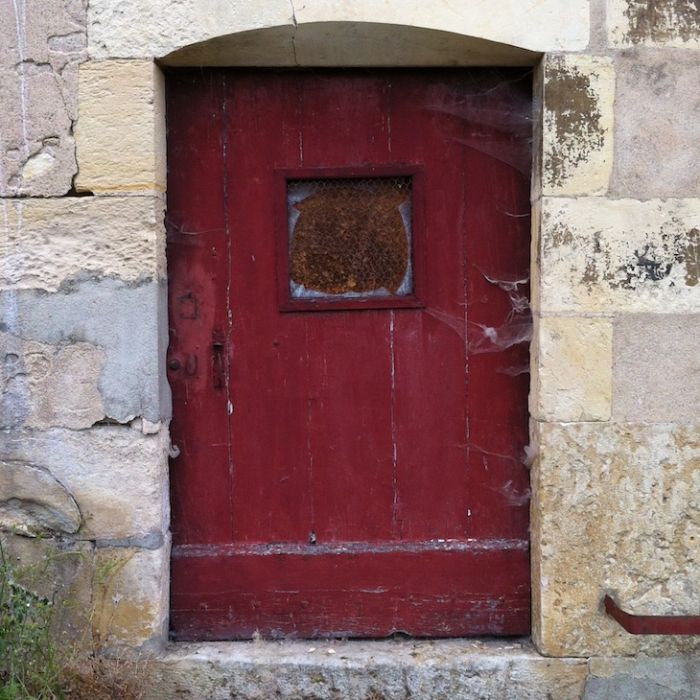
Many of the items we use today, was not available for the average home in the medieval times. One of these items was glass. To protect their homes from the bad weather and wild animals people used just small cutouts that let some light in and than covered with wooden boards overnight. Many of the houses had no windows at all.
2. Size of Homes
The houses were extremely small and often gave room for an entire family. There were not many rooms and the floors were made of straw or dirt. The sleeping quarters, kitchen and resting area were often the same room used by all the family members.
3. Wealthy Homes
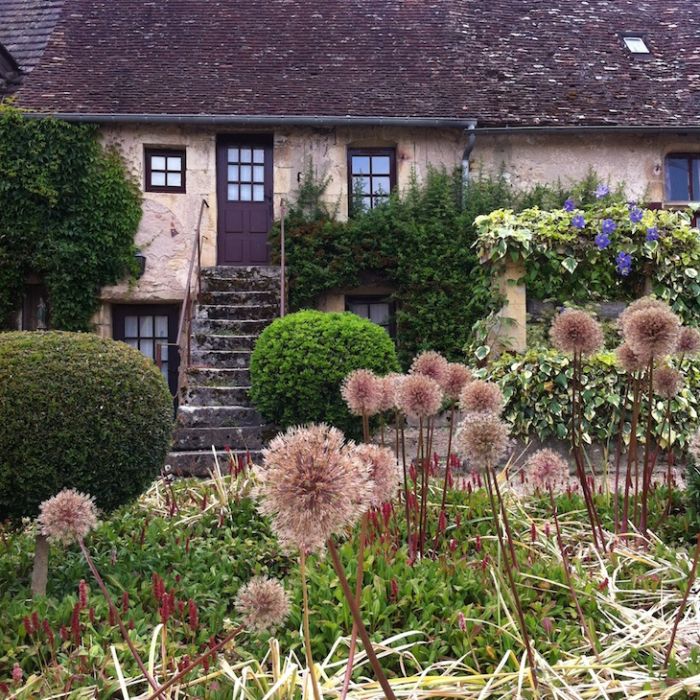
There was a huge difference between peasant homes and wealthy homes. Since these houses had often servant quarters and were visited by royalty they were much larger, had large windows and tiled floors with beautiful furniture. They were built of natural stone and they were built to last. Their size was an indication of the owner´s wealth.
4. Cooking Area
Most of the cooking in peasant´s homes were done on a stake or in a pot, and an average home had a little more than a fire pit in the room. Meals were very limited, most food was provided by what the family was able to raise or grow. Of course wealthy families had well stocked large kitchens with fresh meat, bread and vegetables and even with buttery. Often, during a construction of a house family members stayed together for months. Therefore there was a great deal of food that would need to be prepared.
5. Restroom and waste
Disposal of waste and toilets were the most unfortunate thing about Middle Age homes. Peasant houses only had a pit in which they could dispose their waste and bury it. In Medieval castles the toilet was called a garderobe and it was simply a vertical shaft with a stone seat at the top. Some garderobes emptied into the moat. Wealthy people used rags to wipe their behinds. Ordinary people often used a plant called common mullein or woolly mullein.
6. Bathroom
Since homes had no running water bathrooms were out of question. In Europe during the Middle Ages bathing was even discouraged by the Catholic church. Many people could not afford to have a private bath so for them the place to get clean and healthy was the bathhouse. However the public bathhouse has gone into decline in the sixteenth-century. Wealthy people who could afford to have bathrooms used a wooden tub and servants to bring jugs of hot water to fill the tub.
7. Equipment
Many houses were very simply equipped. They had a place for cooking and sleeping. Peasant life was rough, meaning a lot of work from sunrise until sunset on the fields. Often, they had a simple loom on which the daughter or other female family members would spin wool and than they would weave it into a rough cloth.
8. Entrance
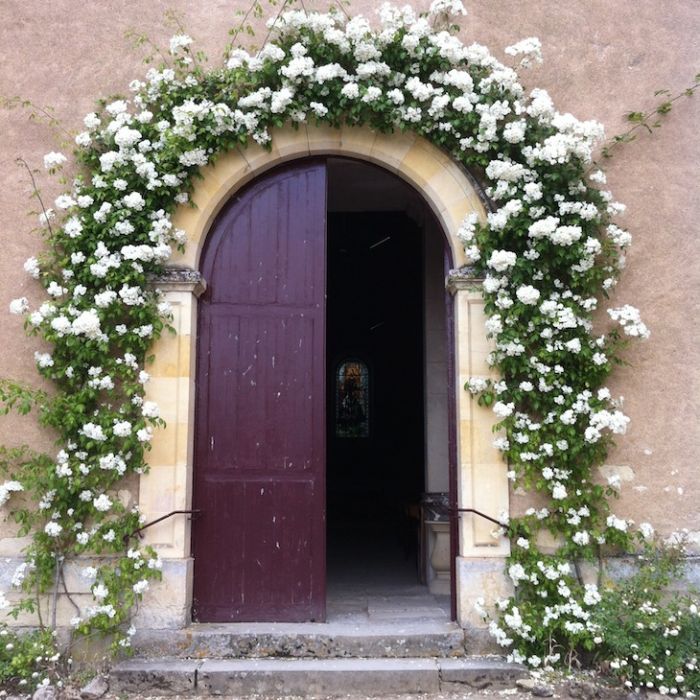
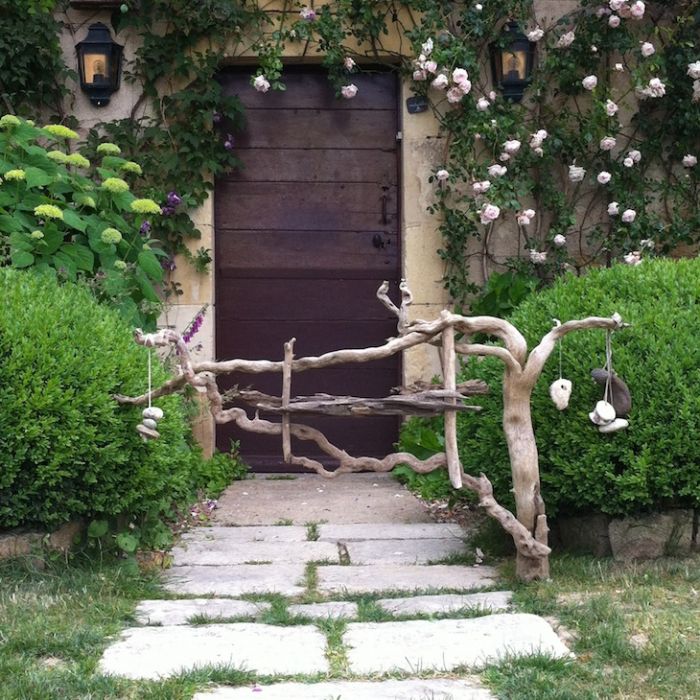
Wealthy homes owners would seek to impress other members of the nobility and the greater the home was the more self-important the lord could feel. Therefore the entrance was designed to make a statement about people´s importance.
9. Village life
Even though life was tough in the Middle Ages it was not all misery. Holy days meant a day off for everyone. Entertainment for peasants was rough cock-fighting, shin-kicking or wrestling, often a fight with the next village. Sometimes a traveling musician would bring some more fun to people´s lives.
10. Timbered Houses
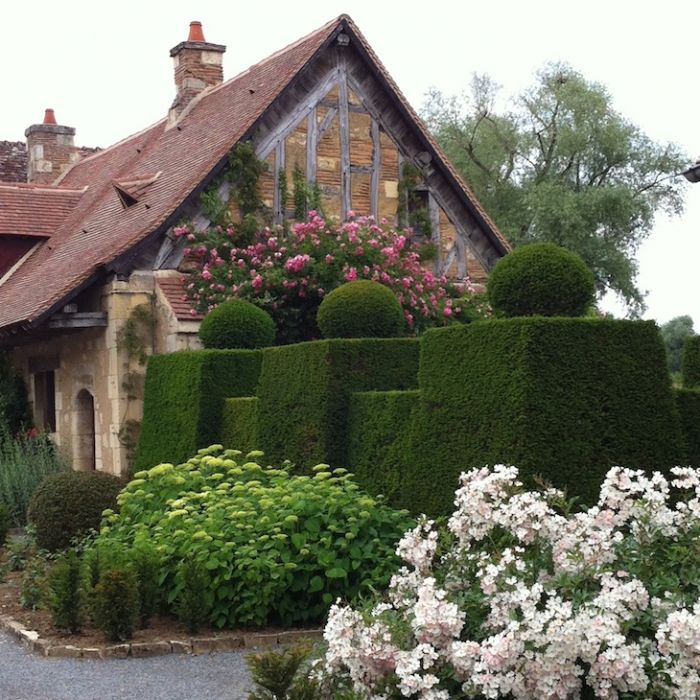
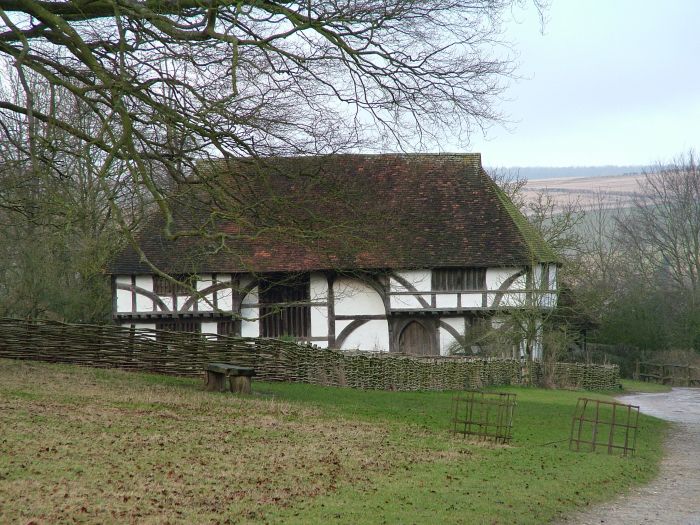
During the Medieval times many houses were half-timbered. This meant that the structural timbers were exposed and the spaces between the wooden timbers were filled with plaster, stone or brick.