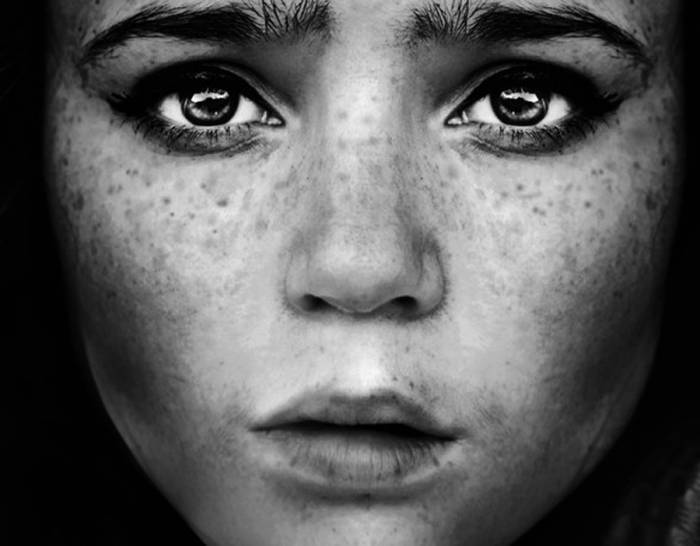
Anxiety disorders are different, though. They can cause such distress that it interferes with your ability to lead a normal life. This type of disorder is a serious mental illness. For people who have one, worry and fear are constant and overwhelming, and can be disabling.

Is Anxiety A Mental Illness Or Disorder?
By
Sughra Hafeez in
Health and Fitness
On 10th September 2017
advertisement
#1 What Are Anxiety Disorders?
Anxiety is a normal reaction to stress and can be beneficial in some situations. It can alert us to dangers and help us prepare and pay attention. Anxiety disorders differ from normal feelings of nervousness or anxiousness and involve excessive fear or anxiety.

#2 Anxiety disorders are the most common of mental disorders and affect nearly 30 percent of adults at some point in their lives.
But anxiety disorders are treatable and a number of effective treatments are available. Treatment helps most people lead normal productive lives.

advertisement
#3 It's a normal part of life to experience occasional anxiety.
But you may experience anxiety that is persistent, seemingly uncontrollable, and overwhelming.

#4 If it’s an excessive, irrational dread of everyday situations, it can be disabling.
When anxiety interferes with daily activities, you may have an anxiety disorder.

advertisement
#5 Anxiety disorders are the most common and pervasive mental disorders in the United States.
Anxiety disorders are real, serious medical conditions - just as real and serious as physical disorders such as heart disease or diabetes.

advertisement
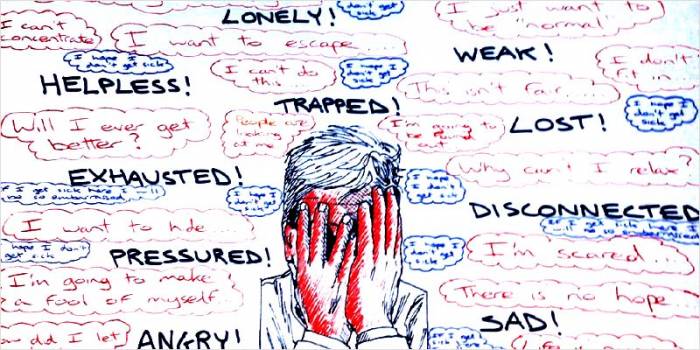
#6 Symptoms:
Anxiety disorders are a group of related conditions and each with unique symptoms. However, all anxiety disorders have one thing in common: persistent, excessive fear or worry in situations that are not threatening. People can experience one or more of the following symptoms:

advertisement
#7 Emotional symptoms:
Feelings of apprehension or dread
Feeling tense and jumpy
Restlessness or irritability
Anticipating the worst and being watchful for signs of danger

advertisement
#8 Physical symptoms:
Pounding or racing heart and shortness of breath
Upset stomach
Sweating, tremors, and twitches
Headaches, fatigue, and insomnia
Upset stomach, frequent urination or diarrhea
advertisement
#9 Types of Disorders
Anxiety disorder is an umbrella term that includes different conditions.Different anxiety disorders have various symptoms. This means that each type of anxiety disorder has its own treatment plan. The most common anxiety disorders include:
Panic Disorder
Phobias
Generalized Anxiety Disorder (GAD)
Social Anxiety Disorder

advertisement
#10 Panic Disorder
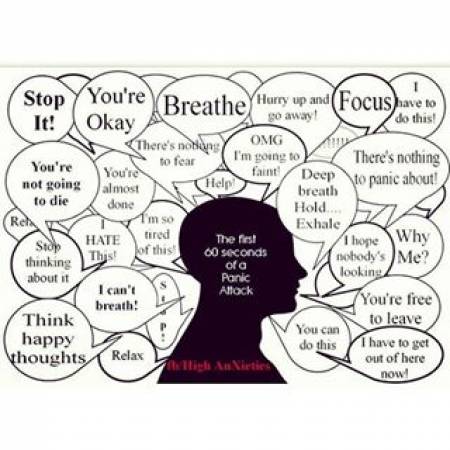
Panic disorder is an anxiety disorder characterized by recurrent unexpected panic attacks.Panic attacks are sudden periods of intense fear that may include palpitations, sweating, shaking, shortness of breath, numbness, or a feeling that something really bad is going to happen.The maximum degree of symptoms occurs within minutes.There may be ongoing worries about having further attacks and avoidance of places where attacks have occurred in the past.The cause of panic disorder is unknown. Panic disorder often runs in families. Risk factors include smoking, psychological stress, and a history of child abuse.[2] Diagnosis involves ruling out other potential causes of anxiety including other mental disorders, medical conditions such as heart disease or hyperthyroidism, and drug use.Screening for the condition may be done using a questionnaire.
advertisement
#11 Panic disorder is usually treated with counseling and medications.
The type of counseling used is typically cognitive behavioral therapy (CBT) which is effective in more than half of people.Medications used include antidepressants and occasionally benzodiazepines or beta blockers.Following stopping treatment up to 30% of people have a recurrence.Panic disorder affects about 2.5% of people at some point in their life.It usually begins during adolescence or early adulthood but any age can be affected.It is less common in children and older people.Women are more often affected than men.
advertisement
#12 Phobias
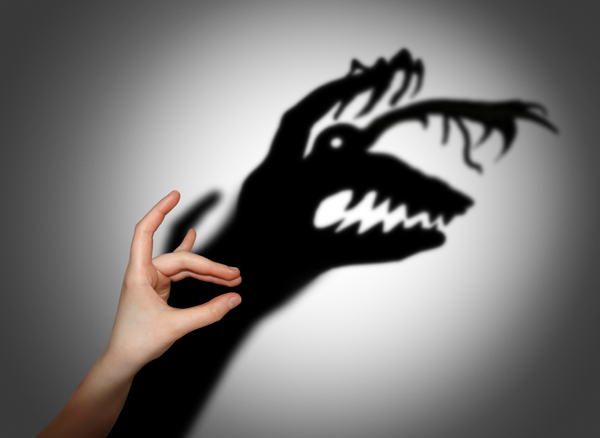
A phobia is an excessive and irrational fear reaction. If you have a phobia, you may experience a deep sense of dread or panic when you encounter the source of your fear. The fear can be of a certain place, situation, or object. Unlike general anxiety disorders, a phobia is usually connected to something specific.
The impact of a phobia can range from annoying to severely disabling. People with phobias often realize their fear is irrational, but they’re unable to do anything about it. Such fears can interfere with work, school, and personal relationships.
An estimated 19 million Americans have a phobia that causes difficulty in some area of their lives. Seek the help of your doctor if you have a fear that prevents you from leading your fullest life.
#13 Causes
Genetic and environmental factors can cause phobias. Children who have a close relative with an anxiety disorder are at risk of developing a phobia. Distressing events, such as nearly drowning, can bring on a phobia. Exposure to confined spaces, extreme heights, and animal or insect bites can all be sources of phobias.
People with ongoing medical conditions or health concerns often have phobias. There’s a high incidence of people developing phobias after traumatic brain injuries. Substance abuse and depression are also connected to phobias.
Phobias have different symptoms from serious mental illnesses such as schizophrenia. In schizophrenia, people have visual and auditory hallucinations, delusions, paranoia, negative symptoms such as anhedonia, and disorganized symptoms. Phobias may be irrational, but people with phobias do not fail reality testing.

advertisement
#14 Phobias can be divided into specific phobias, social phobia, and agoraphobia.
Types of specific phobias include to certain animals, natural environment situations, blood or injury, and specific situations.The most common are fear of spiders, fear of snakes, and fear of heights.Occasionally they are triggered by a negative experience with the object or situation.Social phobia is when the situation is feared as the person is worried about others judging them
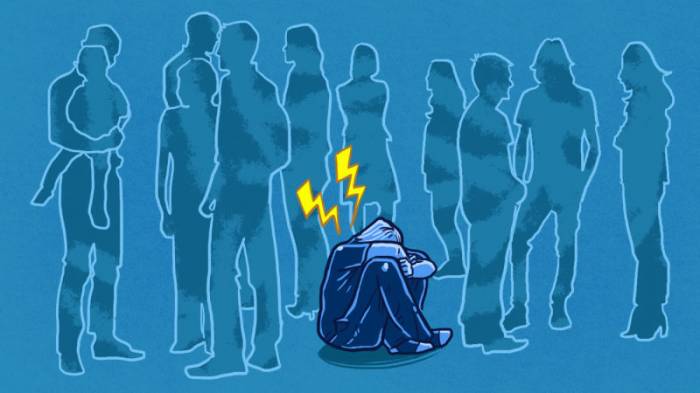
#15 Agoraphobia is when fear of a situation occurs because it is felt that escape would not be possible.
Specific phobias should be treated with exposure therapy where the person is introduced to the situation or object in question until the fear resolves.Medications are not used in this type of phobia. Social phobia and agoraphobia are often treated with some combination of counseling and medication.Medications used include antidepressants, benzodiazepines, or beta-blockers.
advertisement
#16 Specific phobias affect about 6-8% of people in the Western world and 2-4% of people in Asia, Africa, and Latin America in a given year.
Social phobia affects about 7% of people in the United States and 0.5-2.5% of people in the rest of the world.Agoraphobia affects about 1.7% of people.Women are affected about twice as often as men.Typically onset is around the age of 10 to 17.Rates become lower as people get older.People with phobias are at a higher risk of suicide.

#17 Generalized Anxiety Disorder (GAD)
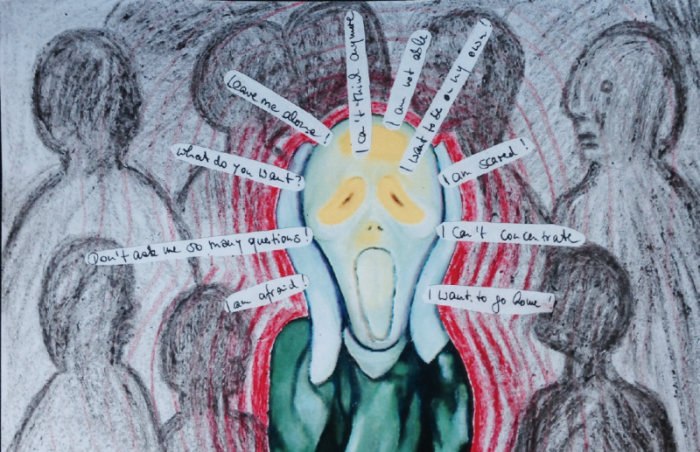
GAD produces chronic, exaggerated worry about everyday life. This can consume hours each day, making it hard to concentrate or finish routine daily tasks. A person with GAD may become exhausted by worry and experience headaches, tension or nausea.
advertisement
#18 GAD affects 6.8 million adults, or 3.1% of the U.S. population, in any given year.
Women are twice as likely to be affected. The disorder comes on gradually and can begin across the life cycle, though the risk is highest between childhood and middle age. Although the exact cause of GAD is unknown, there is evidence that biological factors, family background, and life experiences, particularly stressful ones, play a role.
#19 A number of types of treatment can help with GAD.
Supportive and interpersonal therapy can help. Cognitive behavioral treatment (CBT) has been more researched and specifically targets thoughts, physical symptoms and behaviors including the over-preparation, planning and avoidance that characterizes GAD. Mindfulness based approaches and Acceptance Commitment Therapy have also been investigated with positive outcome. All therapies (sometimes in different ways) help people change their relationship to their symptoms. They help people to understand the nature of anxiety itself, to be less afraid of the presence of anxiety, and to help people make choices independent of the presence of anxiety. The adult CBT treatments for GAD have been modified for children and teens and show positive outcomes.
There are a number of medication choices for GAD, usually the SSRIs either alone or in combination with therapy.
Relaxation techniques, meditation, yoga, exercise, and other alternative treatments may also become part of a treatment plan.
Other anxiety disorders, depression, or substance abuse often accompany GAD, which rarely occurs alone; co-occurring conditions must also be treated with appropriate therapies.
advertisement
#20 Social Anxiety Disorder
Unlike shyness, this disorder causes intense fear, often driven by irrational worries about social humiliation–“saying something stupid,” or “not knowing what to say.” Someone with social anxiety disorder may not take part in conversations, contribute to class discussions, or offer their ideas, and may become isolated. Panic attack symptoms are a common reaction.
Other anxiety disorders include agoraphobia, separation anxiety disorder and substance/medication-induced anxiety disorder involving intoxication or withdrawal or medication treatment.
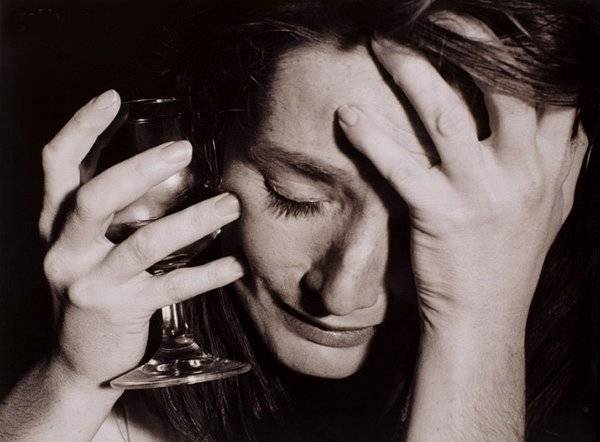
#21 Symptoms may be so extreme that they disrupt daily life.
People with this disorder, also called social phobia, may have few or no social or romantic relationships, making them feel powerless, alone, or even ashamed.
About 15 million American adults have social anxiety disorder
Typical age of onset: 13 years old
36 percent of people with social anxiety disorder report symptoms for 10 or more years before seeking help
Although they recognize that the fear is excessive and unreasonable, people with social anxiety disorder feel powerless against their anxiety. They are terrified they will humiliate or embarrass themselves.

advertisement
#22 Managing Symptoms
These tips may help you control or lessen your symptoms:
Cut down on foods and drinks that have caffeine, such as coffee, tea, cola, energy drinks, and chocolate. Caffeine is a mood-altering drug, and it may make symptoms of anxiety disorders worse.
Eat right, exercise, and get better sleep. Brisk aerobic exercises like jogging and biking help release brain chemicals that cut stress and improve your mood.
Sleep problems and anxiety disorder often go hand in hand. Make getting good rest a priority. Follow a relaxing bedtime routine. Talk to your doctor if you still have trouble sleeping.
Ask your doctor or pharmacist before taking any over-the-counter meds or herbal remedies. Many contain chemicals that can make anxiety symptoms worse.