Say it ain't so! Target's dried Parmesan cheese has no Parmesan??? Many others such as Kraft are "watered down" with sawdust.
advertisement
#1 Someone had to pay
Castle President Michelle Myrter is scheduled to plead guilty this month to criminal charges. She faces up to a year in prison and a $100,000 fine.
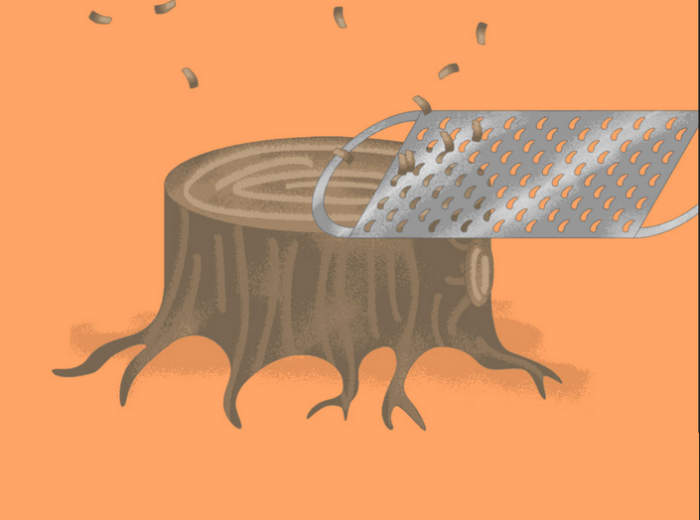
#2 How Serious Is The Problem
How serious is the problem? Bloomberg News had store-bought grated cheese tested for wood-pulp content by an independent laboratory.
Cellulose is a safe additive, and an acceptable level is 2 percent to 4 percent, according to Dean Sommer, a cheese technologist at the Center for Dairy Research in Madison, Wisconsin. Essential Everyday 100% Grated Parmesan Cheese, from Jewel-Osco, was 8.8 percent cellulose, while Wal-Mart Stores Inc.'s Great Value 100% Grated Parmesan Cheese registered 7.8 percent, according to test results. Whole Foods 365 brand didn't list cellulose as an ingredient on the label, but still tested at 0.3 percent. Kraft had 3.8 percent.
advertisement
#3 One might be tempted to think of this as a ripped-from-the-headlines episode of “NYPD Bleu,”
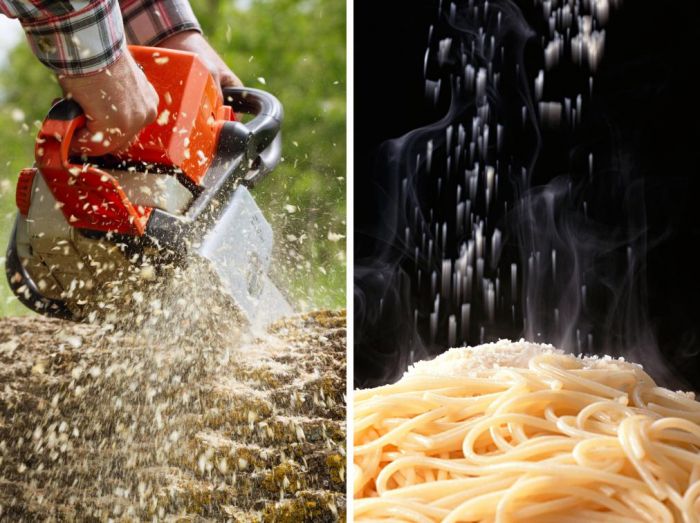
except that the FDA wasn't playing. Some grated Parmesan suppliers have been mislabeling products by filling them with too much cellulose, a common anti-clumping agent made from wood pulp, or using cheaper cheddar, instead of real Romano.
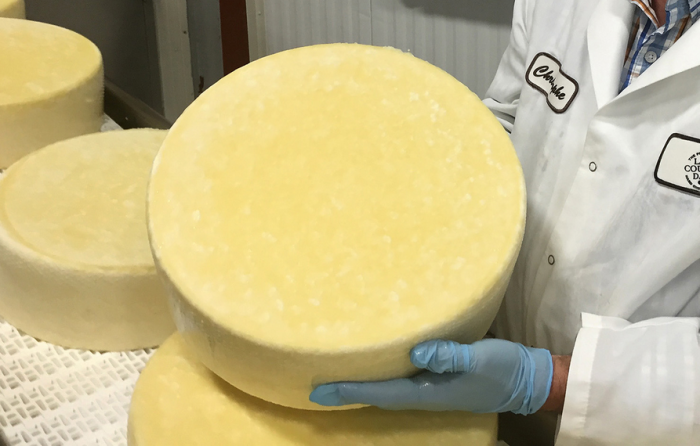
#4 The cheese police are on the case
They found what they were looking for: evidence that Castle Cheese Inc. was doctoring its 100 percent real Parmesan with cut-rate substitutes and such fillers as wood pulp and distributing it to some of the country's biggest grocery chains.