

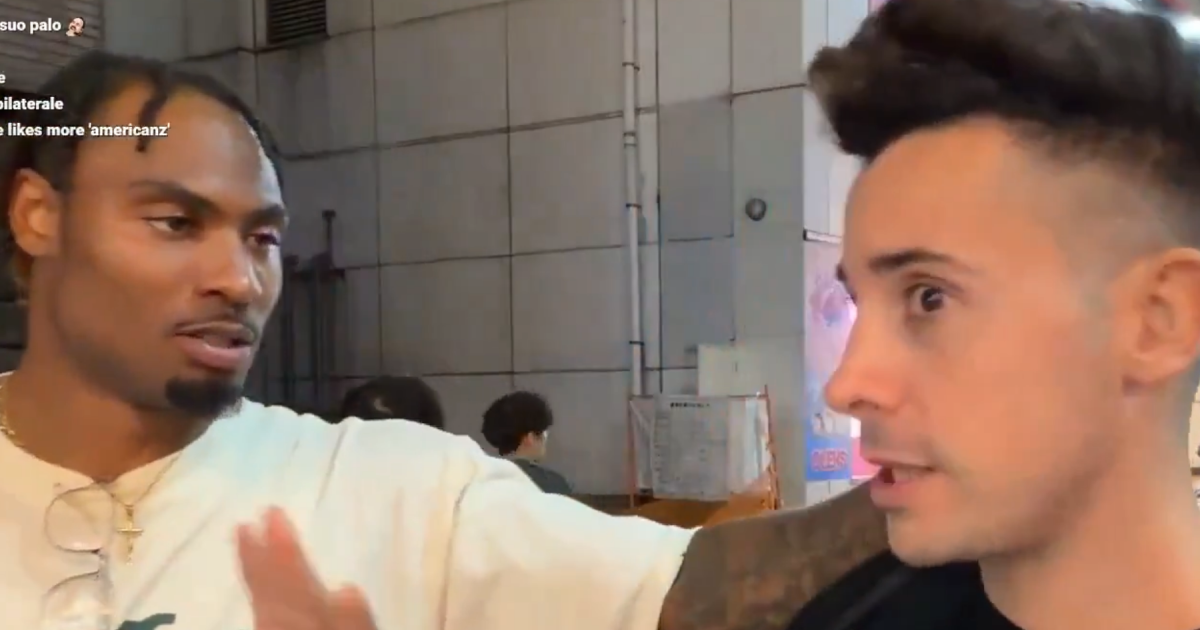
A livestream in Tokyo turned tense after a simple word was misunderstood between two strangers
advertisement
On the bright streets of Tokyo, where neon lights glow and crowds from all over the world move through busy districts, a short moment of confusion during a livestream suddenly turned into a tense confrontation. What started as a casual broadcast quickly became a viral moment online.
An Italian streamer who was documenting his trip through Japan found himself in the middle of a heated misunderstanding. The moment was captured live and later spread widely across social media platforms, especially on X (formerly Twitter).
The clip shows how a single word, spoken in a different language, can lead to serious confusion when people from different cultures cross paths in public spaces.
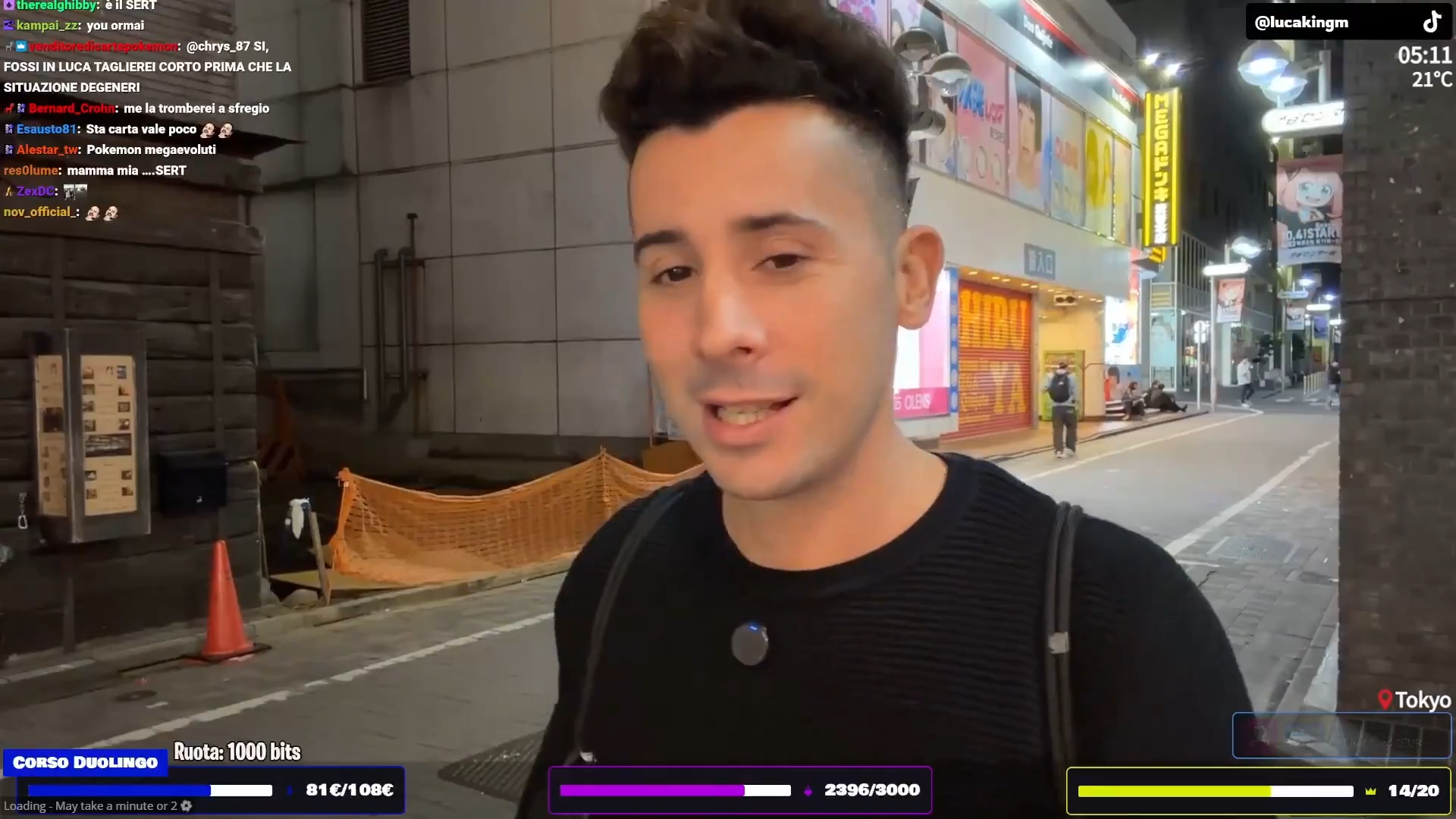
The streamer, a young Italian tourist who spoke limited English and no Japanese, was walking through a crowded area while interacting with viewers through his phone setup.
While chatting casually with people watching his stream, he used the Spanish word "amiga,", which means "friend,". The greeting appeared friendly and relaxed.
However, a nearby Black American passerby believed he heard something else. He thought the streamer had said the N-word, a term with a painful history in the United States.
The misunderstanding quickly turned into a confrontation. The man approached the streamer on camera and demanded an apology while warning him about the language he believed he had heard.
advertisement
Footage from the stream shows the situation escalating within seconds. The American steps close to the streamer and says, "Don't be saying my nigga pal. I ain't no fan bro."
The streamer appears confused and responds in broken English while trying to calm the situation. He says, "No, no, I'm not. You're my friend."
The man continues pressing him and says, "Say I am sorry for saying my nigger right there," giving the streamer "five seconds to apologize" to respond.
Looking clearly confused and nervous, the Italian begins apologizing repeatedly and says things such as "Sorry sorry, I don't speak."
At one point, he turns toward his camera and asks his viewers, "What the fuck does this guy want?"
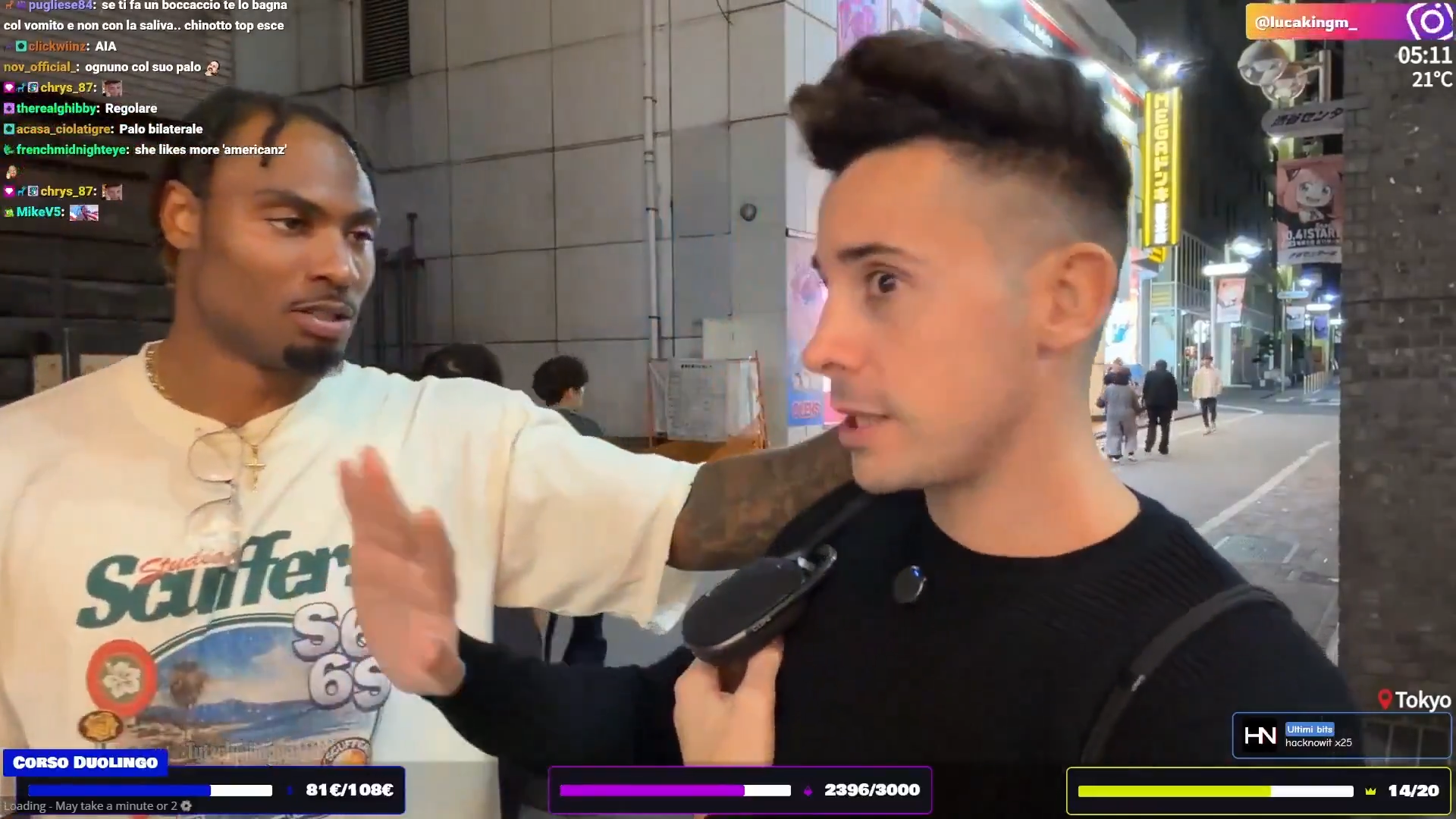
Thankfully, the encounter did not turn violent. After the apology, the American remarks, "Oh, I should slap you anyway," before walking away.
As he leaves, he says "Ciao ciao,", which sounds like a sarcastic imitation of the streamer’s Italian farewell.
The streamer continues his broadcast after the man walks away, still trying to process what just happened.
Viewers who were watching live quickly filled the chat with reactions, expressing both shock and disbelief.
Within hours, the clip began circulating across social media platforms and quickly gained millions of views.
advertisement
The situation also highlights the risks involved in IRL streaming, a format where creators broadcast themselves live while walking through public spaces.
Platforms such as Twitch and Kick encourage this style of content because it feels spontaneous and authentic. At the same time, it also exposes streamers to unpredictable interactions with strangers.
Tokyo attracts millions of international tourists every year, and language misunderstandings can happen easily in such a diverse environment.
This moment also shows how similar sounding words across languages can cause serious confusion, especially when the misunderstanding involves language that carries strong historical meaning.
advertisement
In American culture, the N-word carries deep historical weight because of its connection to racism and discrimination.
Because of that history, even the possibility of hearing it can provoke strong reactions.
For the American in the video, hearing what he believed was the word likely triggered an immediate response.
For the Italian streamer, the situation looked completely different. In his cultural context, saying "amiga" was simply a friendly greeting.
One person commenting online described the reaction as "low-IQ", although others pointed out that misunderstandings across languages can easily lead to emotional reactions.
advertisement
The clip quickly became a major talking point on social media.
Some people defended the American’s reaction, saying it reflected sensitivity toward racism.
Others argued that confronting a non-native speaker in such an aggressive way showed poor judgment.
Within just a few days, the video gathered more than 18 million views on X and sparked thousands of comments and memes.
One widely shared reply from @prophecy__13, which gained over 51,000 likes, read: "Imagine being such a sensitive little snowflake that a mere word can trigger you into an uncontrollable rage and threaten violence towards complete strangers…,".
Another user, @te3xyz, responded with: "They aren't sensitive about the word. They literally just want to threaten and attack white people, and that word is a justification in the eyes of society (wrongly). Stop overcomplicating it."
Another viral reaction came from @han_e_honey, who wrote: "Threatening to slap someone over a Spanish word you misheard in a foreign country is certainly a choice,". Others joined in with comments such as "Stupid Americans being Americans even in Japan" and "Classic American choice.".
advertisement
Another reply that gained more than 11,000 likes came from @Thekillersducks, who wrote: "Americans being americans meaning only speaking English 🤷♂ï¸,".
That message sparked additional discussion, including replies like "Stop saying Americans when you mean blacks," and "and thinkong they are the center of everyone attention.".
Some commenters responded with sarcasm or memes, referencing ideas such as "victim passports.". Others focused on how language barriers often create misunderstandings in international cities.
Many viewers suggested the situation could have been resolved more calmly if the person who confronted the streamer had first asked what he meant instead of immediately threatening him.
As one widely shared comment pointed out, many cultural conflicts during travel begin with "quick assumptions fueled by accents, background noise, and multilingual settings,", which can quickly turn a simple greeting into a tense public encounter.