Jennifer Lawrence stated that the remark regarding the first female action hero "came out wrong" and that she is aware that she is "not the only woman" who has done it.
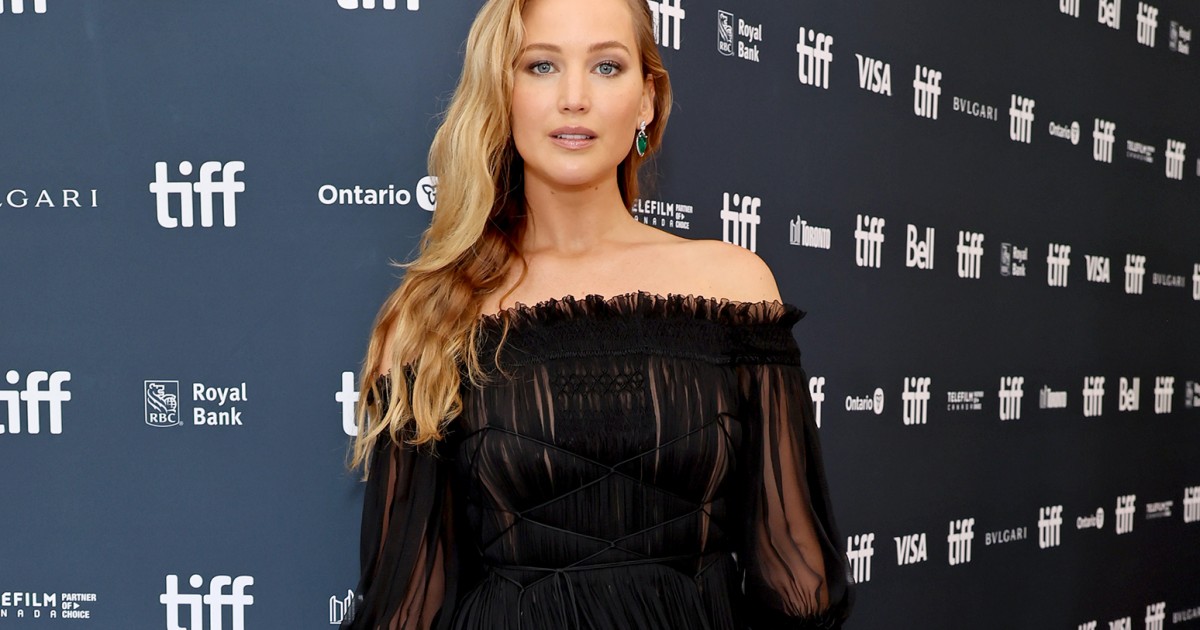
Jennifer Lawrence Backtracks From Bizarre Claim That She Was First Female Action Hero
By
Haider Ali in
Entertainment
On 10th December 2022
advertisement
Jennifer Lawrence is explaining her recent claim that she was the first woman to be cast as the lead in an action film, despite the fact that Sigourney Weaver and Angelina Jolie have previously led the series.
In a statement to THR, she explained that her remark came out wrong and that she meant to communicate how good it feels to be a feminine influence in a male-dominated field.
'That is not at all what I wanted to say. 'I know I'm not the only woman to have ever led an action film,' Jennifer, who memorably played female protagonist Katniss Everdeen in The Hunger Games, said (2012).
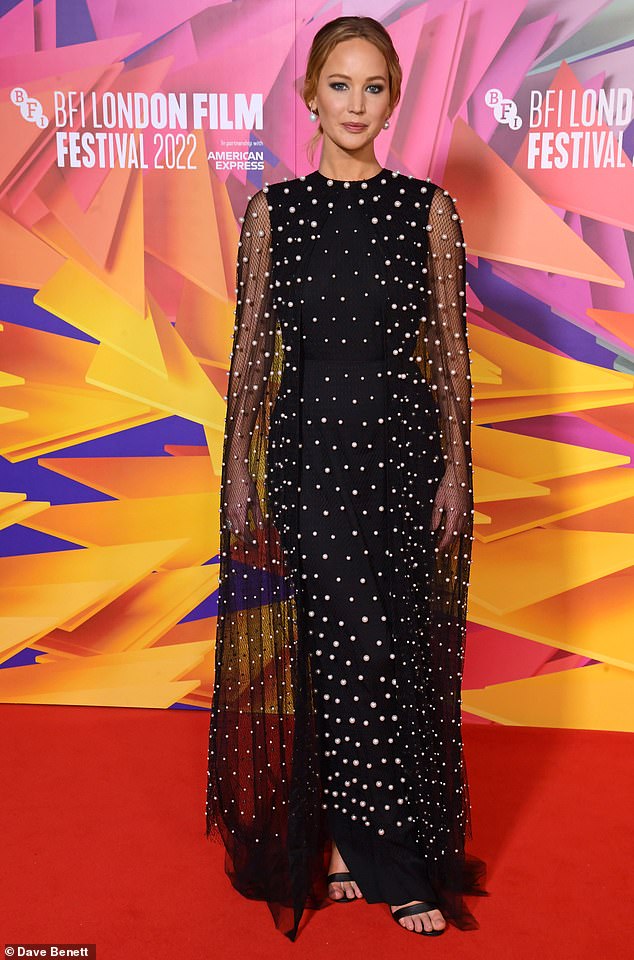
'What I meant to emphasize was how good it feels. And I meant that with Viola [Davis] — to blow past these old myths that you hear about … about the chatter that you would hear around that kind of thing.’
'But it was my blunder and it came out wrong. I had nerves talking to a living legend,' Jennifer concluded.
She made the strange claim during an interview with fellow Oscar winner Viola Davis for Variety's Actors on Actors series, which was published earlier this week.

advertisement
The mother-of-one, who went on to play Katniss Everdeen in four films, stated that producers were worried that boys would "be not able to identify" with a female lead.
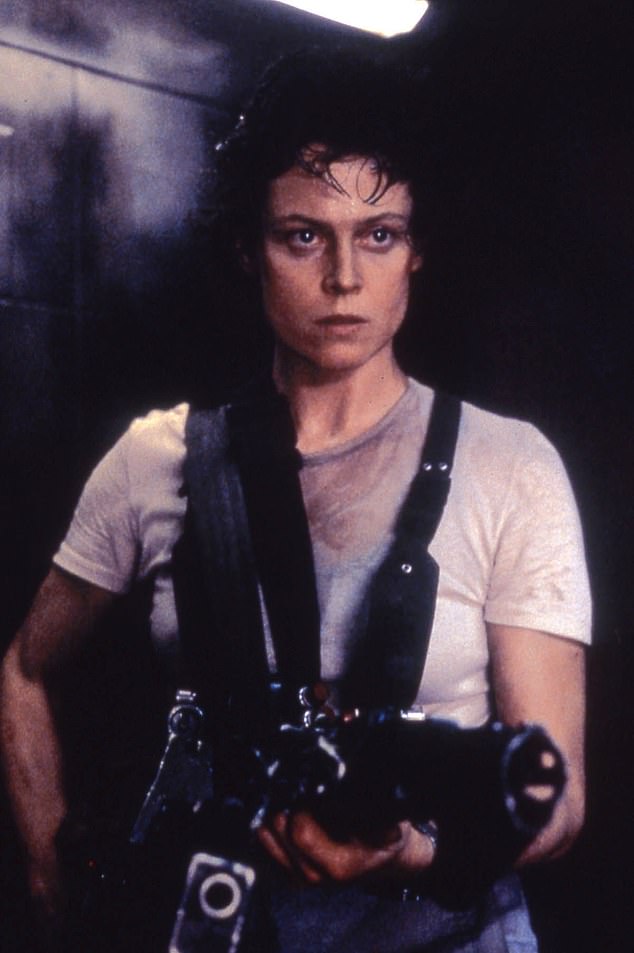
Her casting in the film follows a string of iconic female action heroes who starred in hugely successful films prior to 2012, including Weaver as Ellen Ripley in the Alien franchise, Jolie as Lara Croft in two Tomb Raider films, Uma Thurman in Quentin Tarantino's Kill Bill series, and Milla Jovovich as Alice in the Resident Evil films.
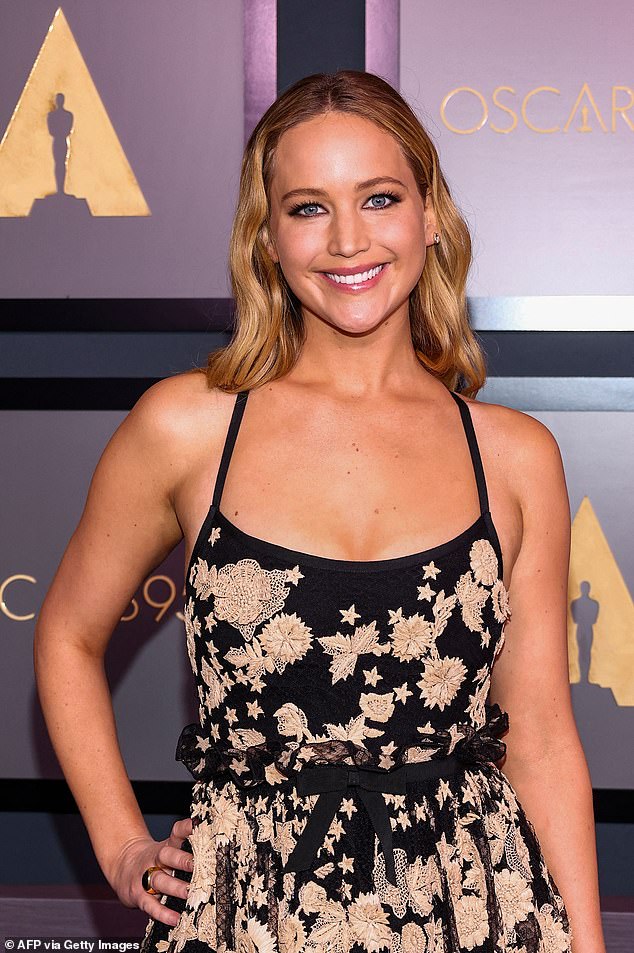
Jennifer stated of the early days of The Hunger Games: 'I remember when I was doing Hunger Games, nobody had ever put a woman in the lead of an action movie because it wouldn't work — because we were told girls and boys can both identify with a male lead, but boys cannot identify with a female lead.’
'And it just makes me so happy every single time I see a movie come out that just blows through every one of those beliefs, and proves that it is just a lie to keep certain people out of the movies.’
'To keep certain people in the same positions that they've always been in,' she said.
advertisement
She received great acclaim for her portrayal of Katniss Everdeen in the Hunger Games film, which was followed by The Hunger Games: Catching Fire in 2013 and The Hunger Games: Mockingjay - Parts 1 and 2 in 2014 and 2015, respectively.
Earlier in the conversation, Oscar winner Jennifer spoke about the pressure she felt as a child to conform to a certain body image.
She said: 'When I was doing X-Men, it's hard to not have that perception of the movie that's like, 'Oh, well, it's just one of those.'

advertisement
'Especially when you're painted blue with scales on your face. If you start thinking, 'I look ridiculous, I feel ridiculous,' there's nowhere to go.
'In Hunger Games, it was an awesome responsibility. Those books were huge, and I knew that the audience was children. I remember the biggest conversation was 'How much weight are you going to lose?'

advertisement
'Along with me being young and growing and not able to be on a diet, I don't know if I want all of the girls who are going to dress up as Katniss to feel like they can't because they're not a certain weight. And I can't let that seep into my brain either.'
Jennifer spoke openly to Variety in October about working on The Hunger Games films and how she frequently felt like a 'commodity' and 'lost a sense of authority.’
advertisement
'When I reflect now, I can't think of those following years, [because there was] just a loss of control,' said Jennifer.
'I think I lost a sense of control. Between The Hunger Games coming out and winning the Oscar [for 2012's Silver Lining Playbook], I became such a commodity that I felt like every decision was a big, big group decision.'