

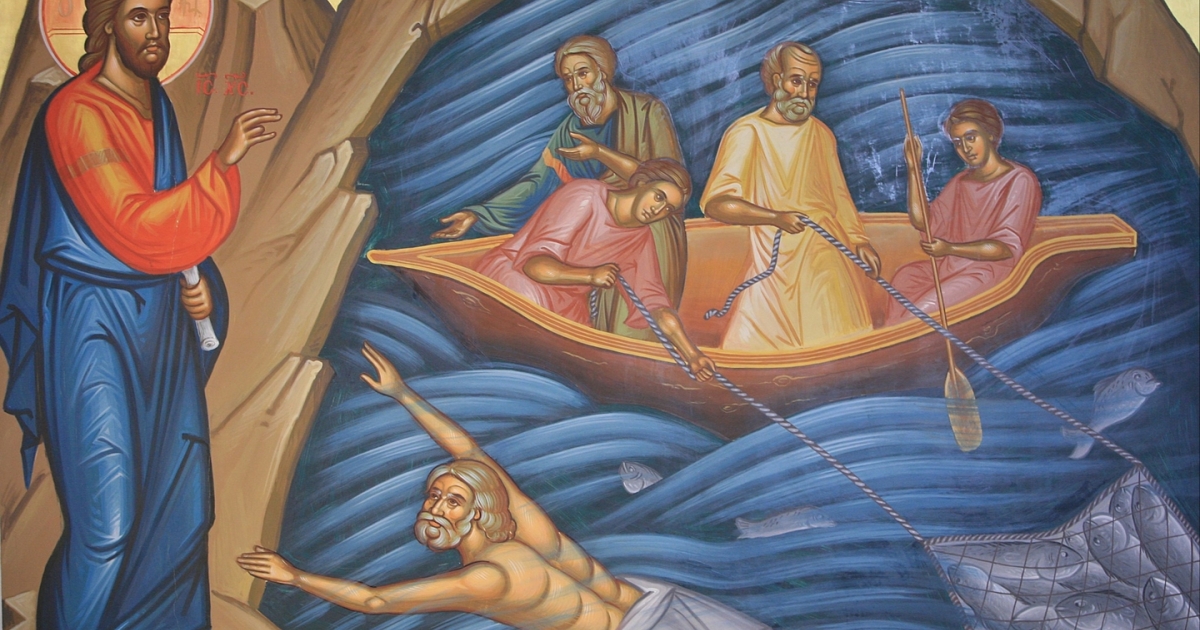
An archaeologist followed a trail of biblical details and old excavation records to pinpoint a possible site of the famous miracle
advertisement
A team of archaeologists say they may have uncovered a site mentioned in the Bible where Jesus performed one of his well-known miracles near the Sea of Galilee. Their findings have sparked new interest because this location has been debated for generations and has often been tied to different theories.
For decades, archaeologists and theologians have searched for physical evidence that supports events described in Scripture. Many of their efforts focus on tracking down places and artifacts that could match what is written in biblical accounts.
These searches have fueled long-running debates over whether the Bible reflects factual history, symbolic storytelling, or a mixture of both. Every new discovery tends to revive the conversation, especially when it appears to line up naturally with recognizable geographic features.
Earlier this month, reports emerged that an archaeologist and his team believe they have identified a specific area mentioned in the gospels of Matthew, Luke, and Mark. This claim has drawn interest because all three books describe the same event and provide similar details.
Dr. Scott Stripling, who serves as the director of excavation for the Associates for Biblical Research (ABR), explained the discovery in a YouTube video where he walked through his reasoning and research approach.
The event they are focusing on is the exorcism in which Jesus is said to have cast demons out of a possessed man and allowed them to enter a herd of pigs. The animals then ran down a slope and drowned in the waters of the Sea of Galilee.
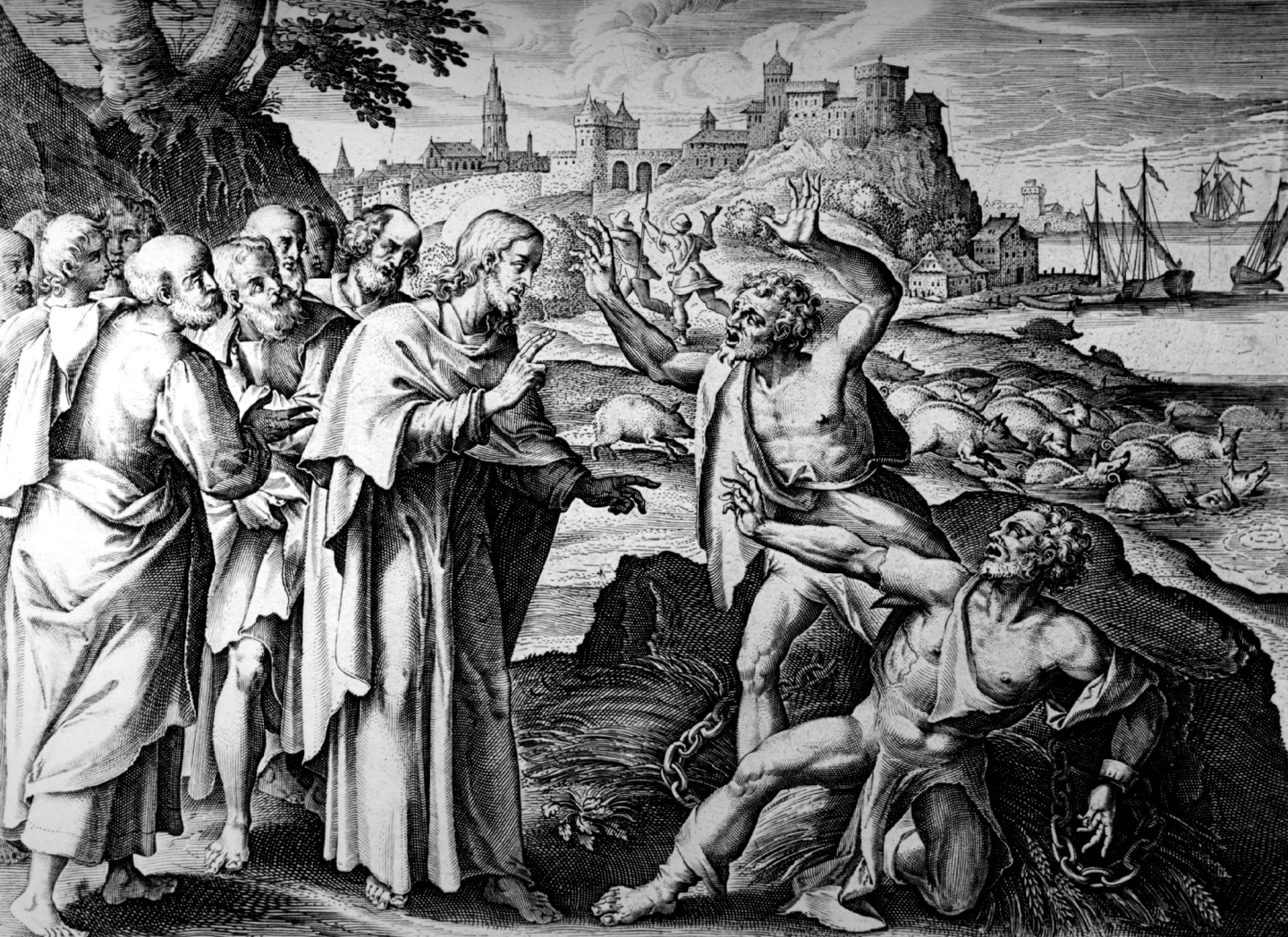
An artist depiction of the miracle
Hulton Archive/Getty Images
advertisement
According to the biblical narrative, Jesus traveled across the Sea of Galilee by boat, heading from the western side toward the eastern shore. When he arrived, he encountered a man described as being possessed by a “legion” of demons, which set the scene for the dramatic miracle.
The spirits pleaded with Jesus to send them into a herd of pigs, and once permitted, the animals reportedly charged down a steep incline into the water, where they drowned. This detail has long inspired researchers to look for a place with the right combination of cliffs, tombs, and shoreline.
"All three gospels say there was a cliff nearby. All three say there were tombs nearby." Stripling said.
"And they tell us that Jesus was coming in on a boat from the west side to the east side."
To reach their conclusion, Stripling and his team drew on information from a 1985 excavation that documented dozens of ancient harbors surrounding the Sea of Galilee. These older findings provided a starting point and offered essential clues for narrowing the search.
Stripling explained that identifying the correct harbor was essential because it would help determine where Jesus could have landed before encountering the possessed man described in the gospels.
advertisement
This research trail eventually pointed them to a small town called Kursi, located in the Golan Heights region of Israel.
Stripling and his team visited Kursi in 2023, where they put on scuba gear and began searching underwater for signs of a submerged ancient harbor. The plan was simple: if they could find heavy stonework consistent with harbor construction, it might strengthen their theory.
"We felt the stones before we saw them." he said as he described the moment they noticed something unusual beneath the water’s surface.
advertisement
"Massive, dressed blocks forming twin piers, classic harbor construction."
"'From the harbor, every biblical detail aligns within a 656-foot radius."
The biblical story describes Jesus leaving Capernaum and crossing the lake to the eastern shore.
That route matches the geography around Kursi, adding another layer of support to the team’s hypothesis about where the miracle may have taken place.