


A new study offers a scientific explanation for two of Christ’s most famous miracles
advertisement
A fascinating scientific discovery has suggested that a natural phenomenon might explain how two of Jesus’s well-known miracles could have truly taken place.
The Bible describes many extraordinary acts carried out by the Son of God, from turning water into wine at a wedding feast and walking on water, to healing people, casting out demons, and even calming a raging storm at sea.
Since these events were said to have happened nearly 2,000 years ago, clear physical proof has always been limited, leaving much of the debate on whether such miracles were possible unanswered.
Now, new research has provided an interesting perspective on one of these biblical stories. The findings not only give a scientific explanation but even point to a time of year and a location where such events could realistically have taken place.
The miracles being studied are the famous 'Miracle of the Loaves and Fishes,' also called the 'Feeding of the 5,000,' and the 'Miraculous Catch of Fish.'
According to scripture, Jesus turned failed fishing attempts into extraordinary catches from the Sea of Galilee, now known as Lake Kinneret in Israel. These accounts happened on two separate occasions and have been passed down as some of his most striking miracles.
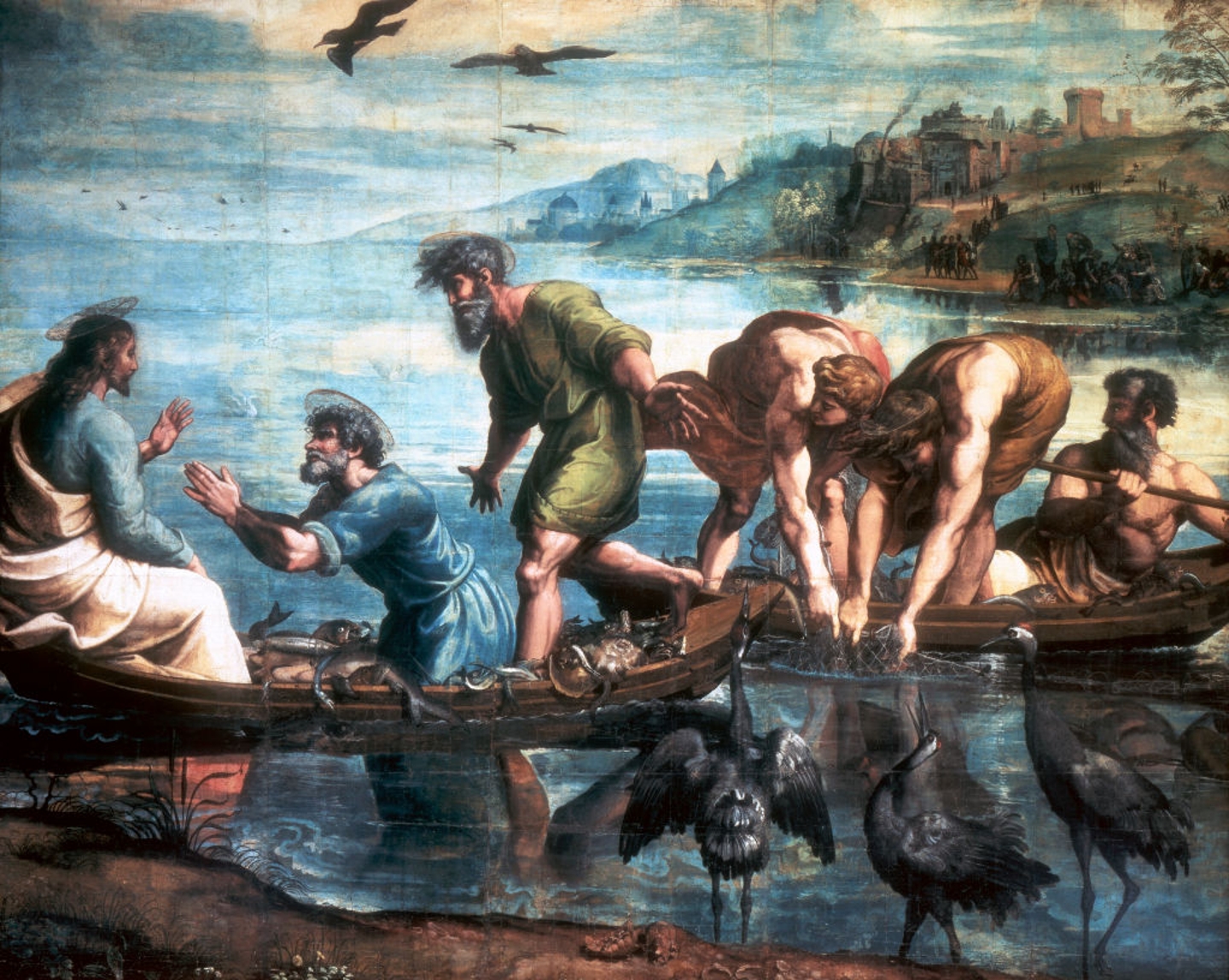
Jesus helps the fisherman fill their nets with fish in the story
Art Media/Print Collector/Getty Images
advertisement
In another telling from the Gospel of Matthew, Jesus was said to have multiplied only a couple of loaves of bread and two fish into enough food to satisfy thousands of people who had gathered to hear him speak.
Although the story has always sounded unbelievable, new research published in the journal Water Resources Research suggests that under certain conditions, the miraculous catch of fish could have been entirely possible.
The scientists argue that strong winds may have disrupted the natural layers of the lake, pushing low-oxygen water from the depths upward. This sudden upwelling could have suffocated many fish at once, making them easy to collect in huge numbers.
With oxygen levels dropping, the fish would have been left struggling and eventually floated to the surface, where fishermen could have scooped them up in large quantities with little effort.
For centuries, no one could provide a natural explanation for how such a scene might have occurred. But the new evidence suggests that there is indeed a scientific basis, especially since mass fish deaths still happen in the Sea of Galilee in similar ways today.
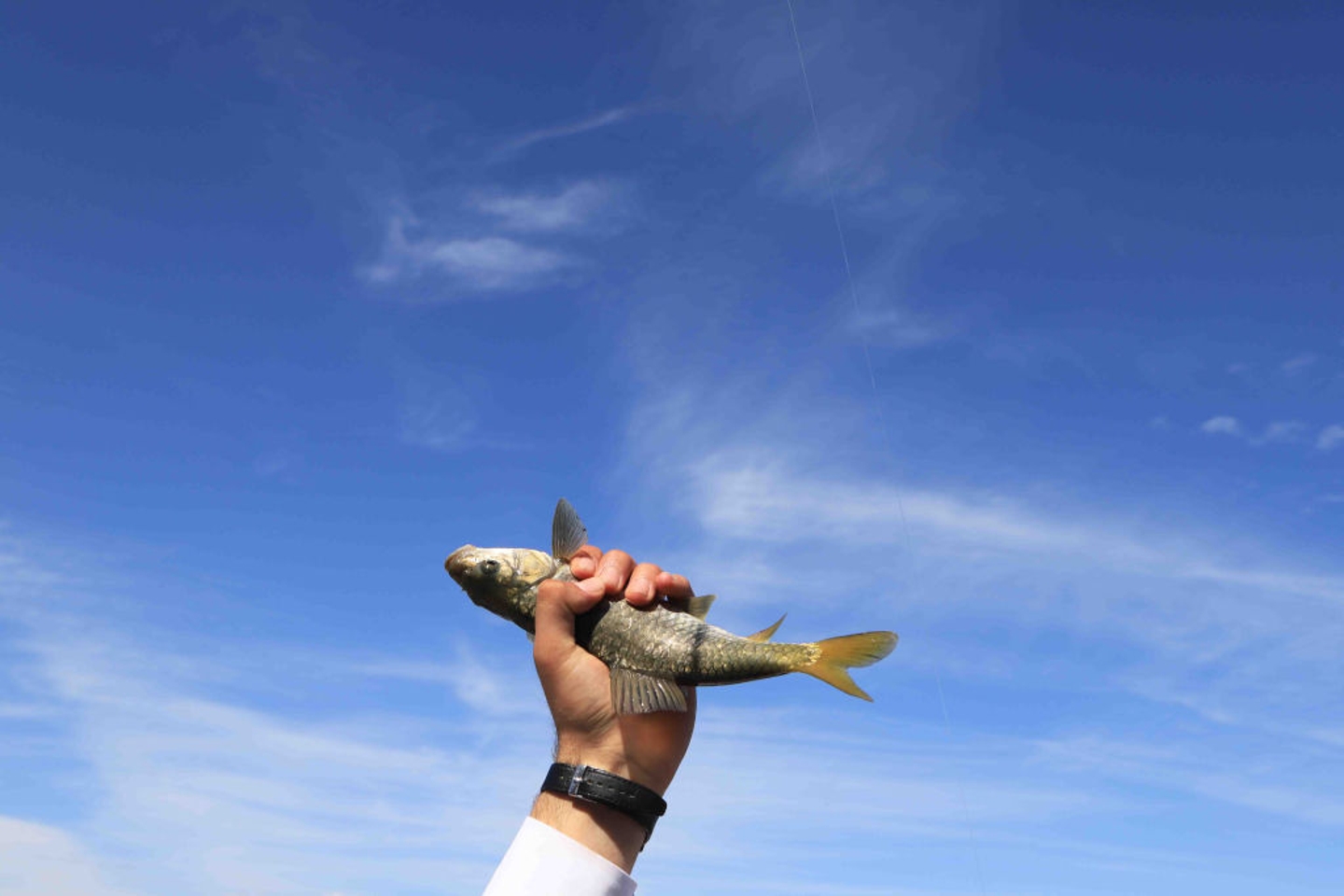
The Sea of Galilee is a popular fishing spot
David Silverman/Getty Images
advertisement
Researcher Yael Amitai, a physical limnologist from the Kinneret laboratory, explained: "The Sea of Galilee is a stratified lake. The upper layer is warm and oxygenated, while the lower layer is cold and lacks oxygen."
"When a strong westerly wind blows, it pushes the upper warmer layer of water from the lake's west to the east, where it piles up, pressing on the existing water."
"In the west of the lake, water from the lower layer rises. In this way, fluctuations called internal waves are created in the water profile," reported The Times of Israel.

An illustration of the 'Miracle of the Five Loaves'
Heritage Art/Heritage Images via Getty Images
advertisement
Ehud Strobach, a climate researcher from the Volcani Institute, showed how this process could occur by combining a dynamic lake model with an atmospheric simulation.
"Using observations from the monitoring program in the Sea of Galilee, we created short 3D lake simulations for two fish kill events," he said. "These simulations indicate the initiation of internal waves and upwelling of cold anoxic (oxygen-poor) water into the surface at the location and time of the fish kill events."
Based on the evidence, the researchers believe these conditions most likely happened in late spring to early summer, a time when rapid shifts in temperature often trigger major changes in the water layers of the lake.