

Around 75,000 people are diagnosed in the United States every year

'Big Three' Risk Factors Of Kidney Cancer As Symptoms Are Often Silent
By
maks in
Health and Fitness
On 5th January 2026
advertisement
The so-called “big three” risk factors for kidney cancer have been highlighted as health experts report a steady rise in cases. Doctors say understanding these risks matters, especially since early warning signs are easy to miss.
Kidney cancer can affect both men and women, but men are diagnosed more often. About 60 percent of cases occur in men, while women make up the remaining 40 percent.
Symptoms linked to kidney cancer are often described as silent or vague. While around 75,000 people in the United States receive a diagnosis each year, experts say that number continues to increase.
According to Kidney Cancer UK, roughly four out of five kidney cancer cases are discovered by chance. Many people only learn something is wrong after scans or tests done for unrelated reasons.
"There are also geographical differences in incidence. For example, renal cell carcinoma appears to be more common in people of Northern European descent, though it can occur in other populations," Dr. Thomas Hutson, chief of the Hematology Oncology Division at the Texas Tech University Health Sciences Center School of Medicine, told Woman’s World.
Steven Campbell, Chair and Professor of Urology at West Virginia University School of Medicine, also explained that there are three main risk factors people should be aware of. This is especially important since there is currently no routine screening program for kidney cancer.
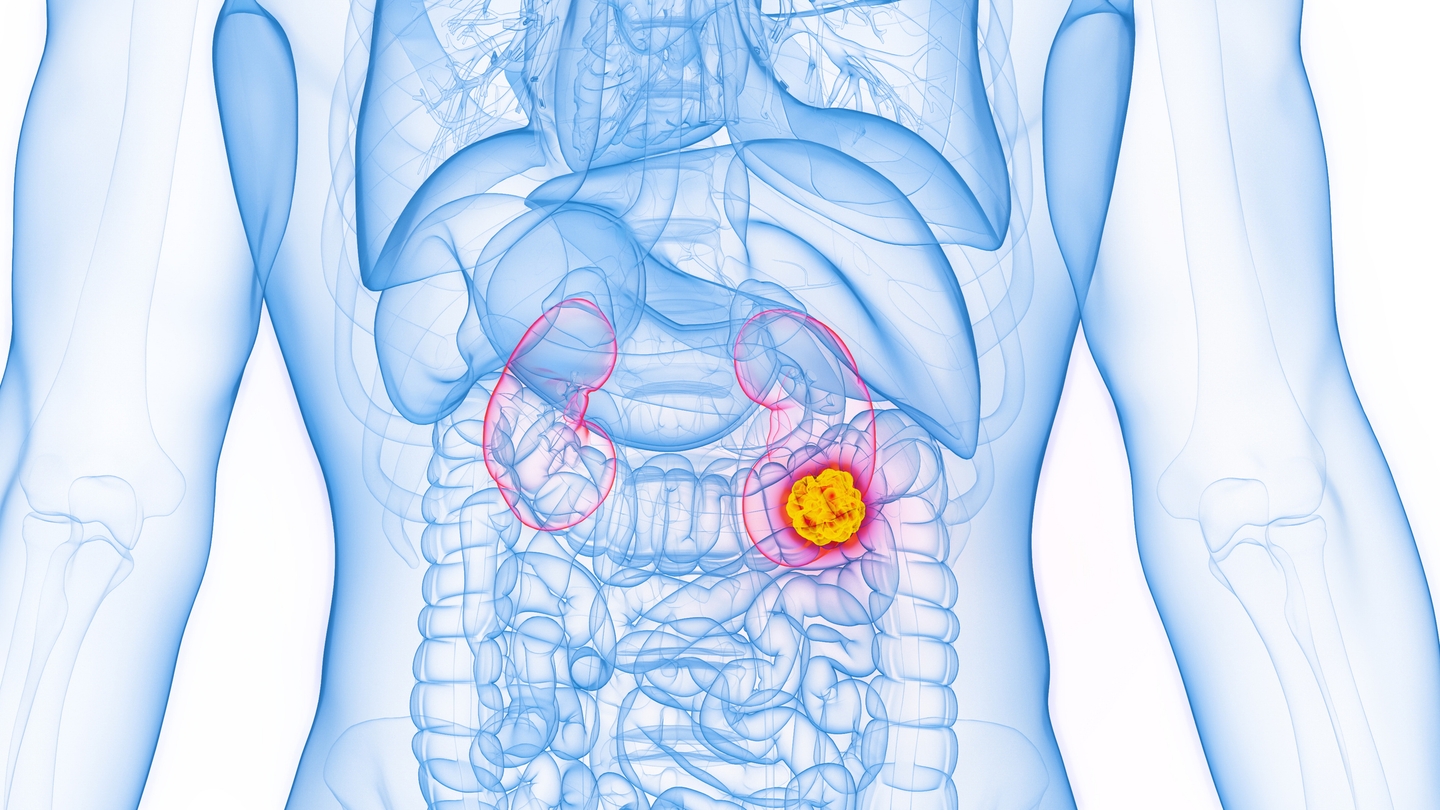
Doctors have discovered the three big risks of kidney cancer
Getty Stock Photo
advertisement
The three main risk factors are smoking, obesity, and hypertension, which is also known as high blood pressure.
Dr. Hutson also noted that several additional factors can raise a person’s risk of developing kidney cancer. These include:
- Exposure to certain products and chemicals
- Acquired renal cysts in people with end-stage renal disease
- Occupational risks, such as firefighters being exposed to carcinogens as part of their work

Symptoms are often silent
Getty Stock Photo
Even though kidney cancer cases are increasing, doctors say outcomes have improved over time.
"While for most patients advanced kidney cancer is still incurable, when I first went into the field, they would only live an average of one year," says Dr. Campbell.
"Now they quite often will live three to four years. And many of them will live much longer than that—some eight to 10 years, and a small percentage will essentially get cured by these medications."

The biggest risk factors are smoking, obesity and hypertension
Getty Stock Photo
advertisement
So, what are the symptoms of kidney cancer?
The Mayo Clinic notes that kidney cancer often does not cause noticeable symptoms in its early stages.
As the disease progresses, some symptoms may start to appear. Several of these signs can be subtle and easy to overlook.
Common early symptoms may include loss of appetite, ongoing tiredness, and unexplained weight loss.
advertisement
More obvious signs can include pain in the side or lower back that does not go away, as well as blood in the urine. Urine may appear pink, red, or cola-colored.
If you notice any of these symptoms or have concerns about kidney cancer, doctors recommend contacting a healthcare provider as soon as possible.