

A new study suggests giving children smartphones too early can seriously affect their mental health
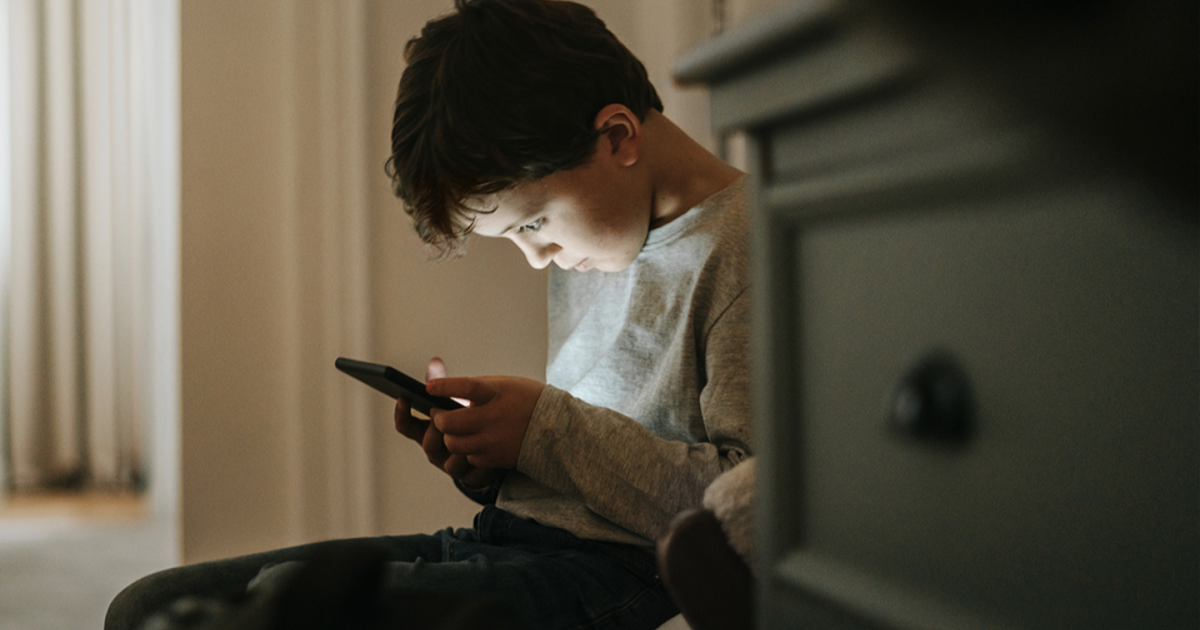
Bombshell Study Reveals What Really Happens When Kids Get Smartphones Before A Certain Age
By
maks in
Health and Fitness
On 2nd January 2026
advertisement
Parents are being urged to think carefully before giving their children smartphones at a young age, after new research suggests early access can negatively affect both mental and physical health.
In a study involving more than 10,000 children, researchers found that owning a smartphone before the age of 13 was linked to higher levels of depression, increased rates of obesity, and ongoing sleep problems during early adolescence.
The findings were published by the American Academy of Pediatrics and analyzed data from 10,588 participants who took part in the long-running Adolescent Brain Cognitive Development Study, which spans 21 research sites across the United States.
Caregivers reported the age at which their child first received a smartphone, and researchers then examined health outcomes when those children reached ages 12 and 13.
The results showed that 12-year-olds who already owned smartphones were far more likely to experience depression, struggle with obesity, and get insufficient sleep compared with children who did not have a device. The risks appeared to increase the younger a child was when they received their first phone, especially when it came to sleep disruption and weight issues.
The study also tracked children who did not have smartphones at age 12 but received one by the time they turned 13.

Giving a phone to a child under 12 has a devastating impact to their mental health, according to a new study
Getty stock
advertisement
The researchers explained their findings clearly, writing: "At age 13 years, among 3,486 youth who did not own a smartphone at age 12 years, those who had acquired a smartphone in the past year had greater odds of reporting clinical-level psychopathology and insufficient sleep compared with those who had not after controlling for baseline mental health and sleep."
Put simply, the data showed that receiving a smartphone even one year earlier could have a noticeable impact on a child’s health and well-being.
Lead author Ran Barzilay, a professor of psychiatry and child and adolescent psychiatrist at the Children’s Hospital of Philadelphia, said the findings should not be dismissed.
"This is not something you can ignore for sure," he told The Washington Post.
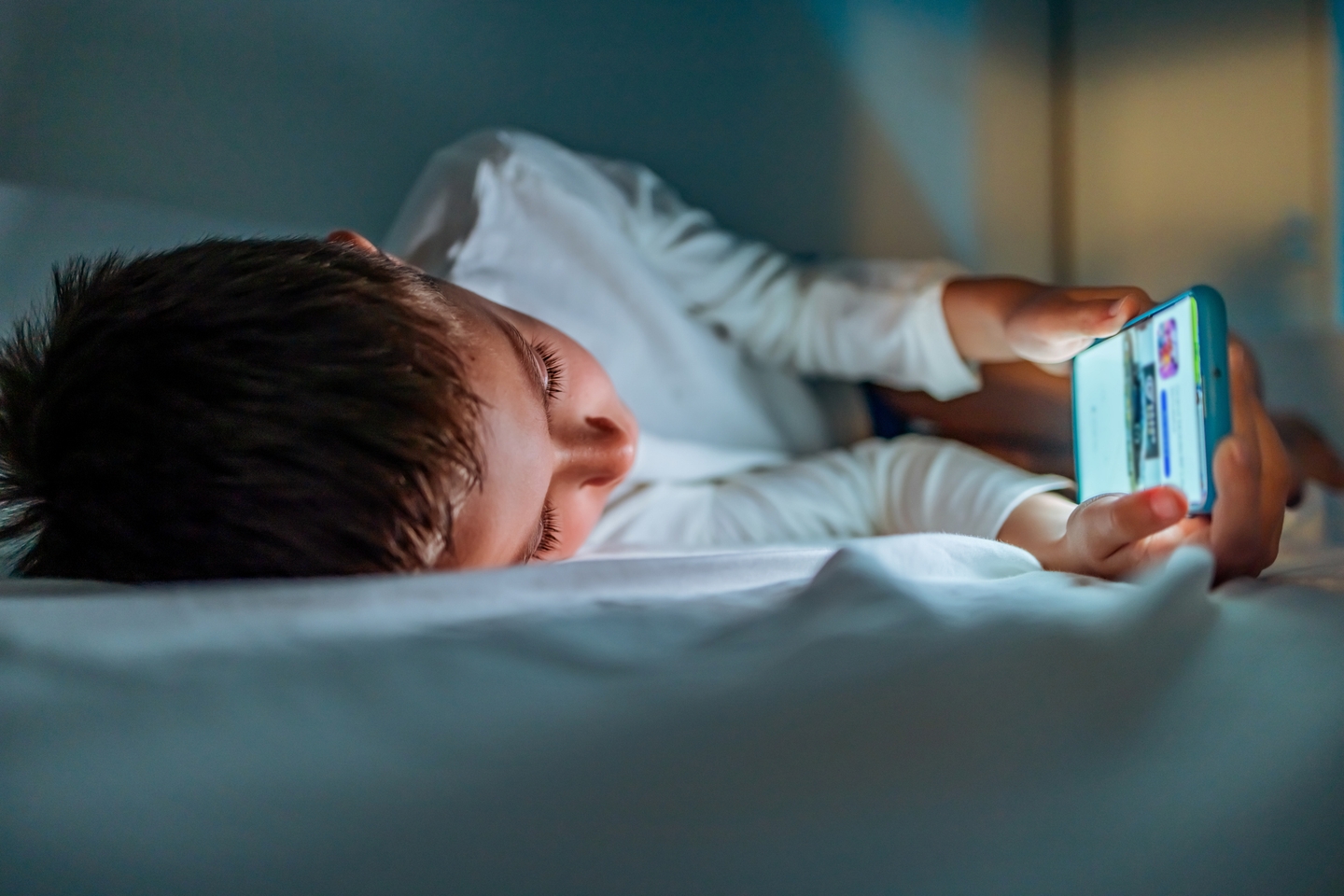
Ran Barzilay has urged parents not to ignore the findings
Getty stock
advertisement
The study arrives at a time when governments around the world are taking a closer look at children’s access to technology. Australia recently became the first country to ban social media platforms such as TikTok and Instagram for users under 16, requiring companies to block access starting earlier this month.
Other countries, including Malaysia, are reportedly considering similar restrictions, while several US states already require parental consent for younger teens to create social media accounts.
The researchers ultimately concluded: "Smartphone ownership was associated with depression, obesity, and insufficient sleep in early adolescence."
advertisement
"Findings provide critical and timely insights that should inform caregivers regarding adolescent smartphone use and, ideally, the development of public policy that protects youth."