

These trinkets are everywhere right now — but what they really represent might surprise you
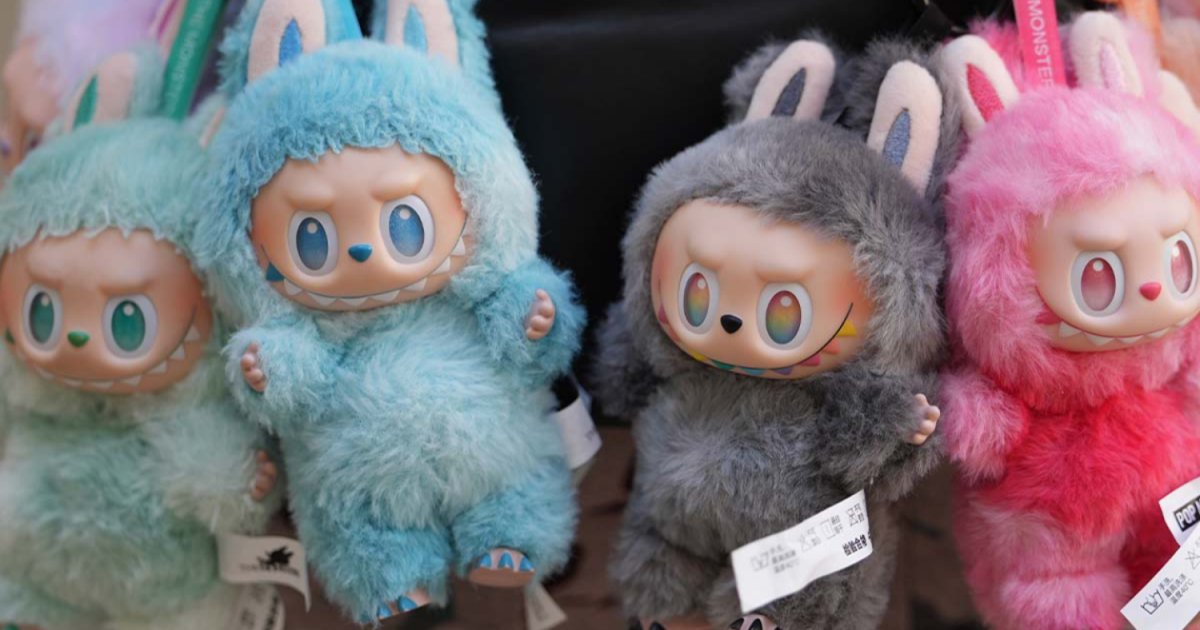
Psychologist Warns Labubu Owners That These Toys Might Mean More Than You Think
By
Khadija Pervez in
Community
On 11th July 2025
advertisement
A psychologist has spoken out with a surprising warning for anyone who owns a Labubu, revealing that the quirky little toys might carry more emotional weight than you'd expect.
Labubu toys, which are often fuzzy and a bit odd-looking, have become incredibly popular. They’re popping up all over the place — even though some people find their slightly creepy appearance a little off-putting, they’re still seen as harmless toys.
Although they were probably designed with kids in mind, it's now clear that a growing number of adults have also been drawn to them in recent times.
Madison Burgess spoke to a psychologist to dig into the rising trend and what it might actually say about the people buying into it.
Tracy King, a chartered clinical psychologist, shared with the outlet that she views this booming interest in trinkets as something deeper — a way Gen Z is reacting to the emotional challenges of their time.
"On the surface, they're fun and whimsical. But psychologically, they're deeply symbolic: these objects offer small, accessible moments of comfort, control, and identity in an unpredictable world." she told Tyla.
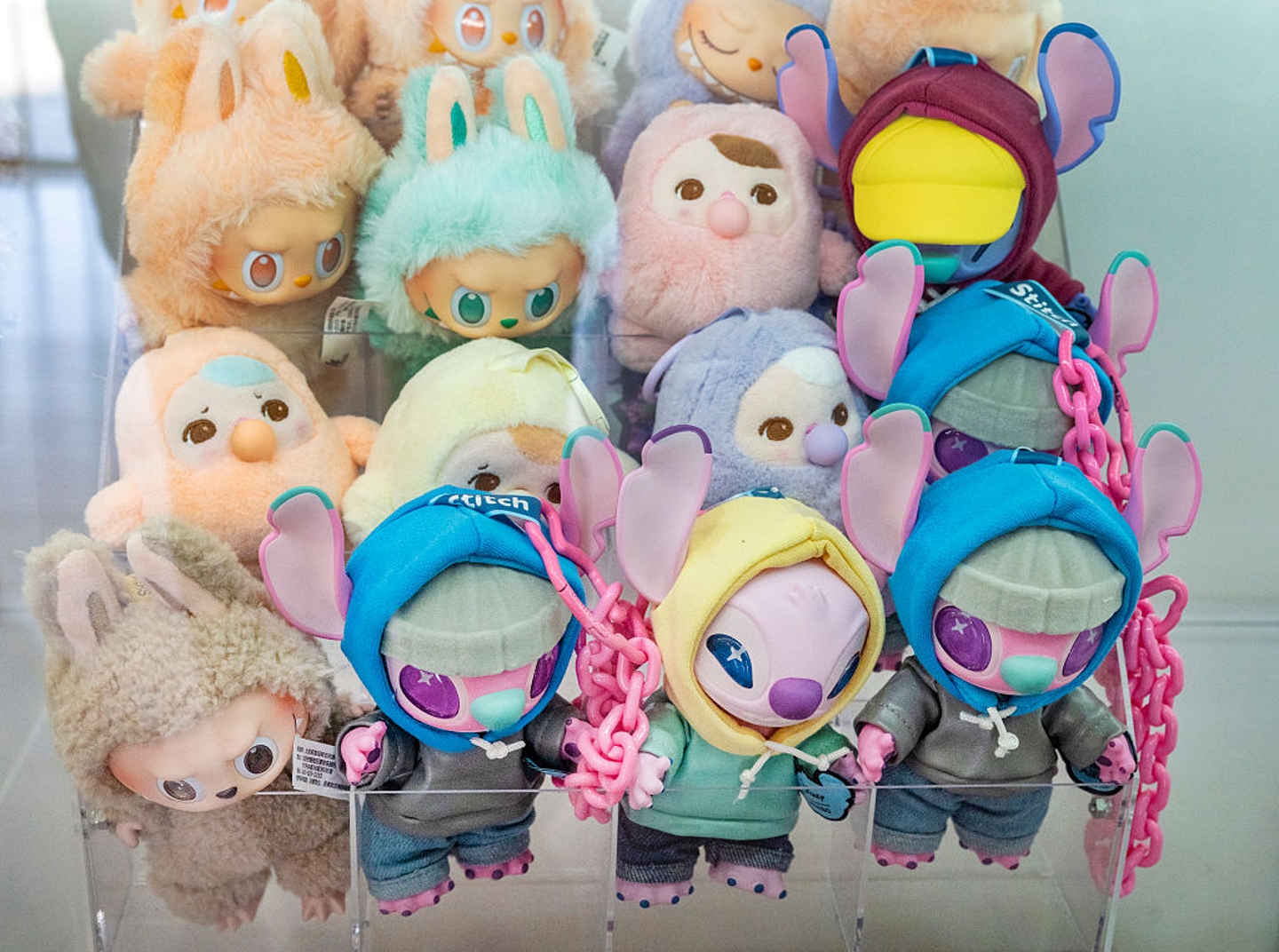
Labubu's are everywhere nowadays
Mark Rightmire/MediaNews Group/Orange County Register via Getty Images
advertisement
"The old idea of the career ladder offered a sense of linear progression—work hard, move up, gain security. But for Gen Z, that ladder has been replaced with something more like an escape room."
"You're expected to solve problems with no clear instructions, hit invisible milestones, and often find the goalposts moving entirely."
Unlike earlier generations who may have been focused on saving for big goals like buying a house in their early twenties, King said that Gen Z seems more focused on finding meaning in the present. She described it as them 'investing in now'.
Dr. King continued, explaining: "Gen Z were raised in a digital world where identity is curated, not assumed. They've watched global crises unravel with pandemics, recessions, the climate emergency—so the big life goals that guided previous generations often feel out of reach."
"Small joys, soft comforts, and identity-aligned purchases feel both accessible and meaningful."
"And in a social media landscape where aesthetics are a form of communication, trinkets become part of how people express emotion, personality, and belonging."
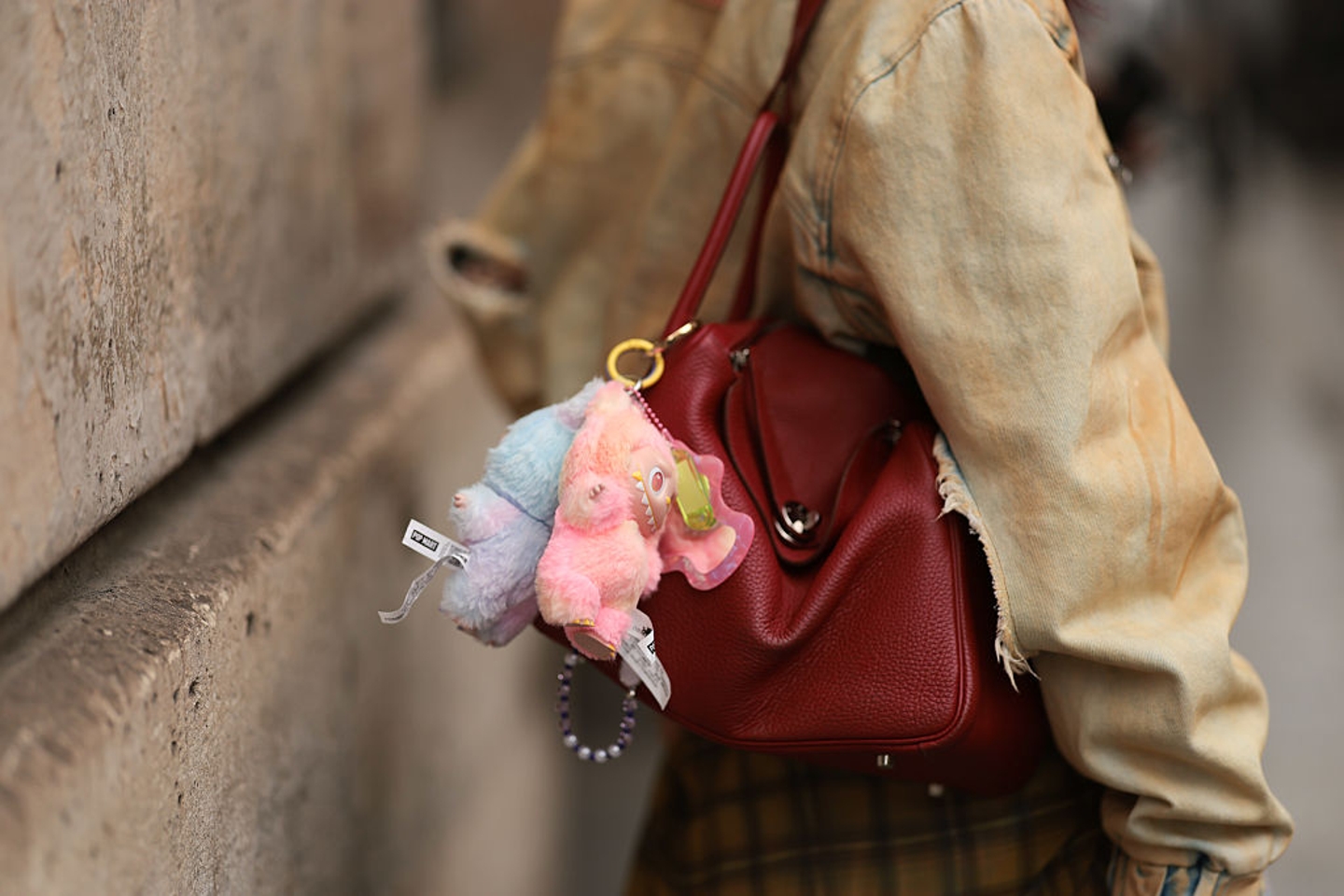
A psychologist has issued a warning to anyone who owns a Labubu
Jeremy Moeller/Getty Images
advertisement
For many people who choose to buy a Labubu, it’s not just about the toy itself. It’s often tied to nostalgia and a longing to reconnect with something comforting from their past.
"These soft, playful objects evoke feelings of safety, care, and nostalgia, things that might've been missing or cut short in early life." Dr. King told Tyla.
"This is inner child work in action."
advertisement
The psychologist also believes this trend isn’t going anywhere anytime soon. In fact, it might stick around longer than people think.
"As long as society remains fragmented, and demanding, people will continue to seek soft, small, symbolic ways to feel better." Dr. King added.
"Trinket culture is a response to burnout and disconnection. It's not a shallow trend. It's a psychological response to the demands of modern life."