

Following the discovery of salmonella in a production batch, a chocolate factory in Belgium temporarily shut its doors. According to a statement released by the firm on Thursday, Swiss chocolate manufacturer, Barry Callebaut stopped production at its facility in Wieze, Belgium, on Monday.
Largest Chocolate Factory In The World Stops Production Over Salmonella Outbreak
By
Haider Ali in
News
On 2nd July 2022
advertisement
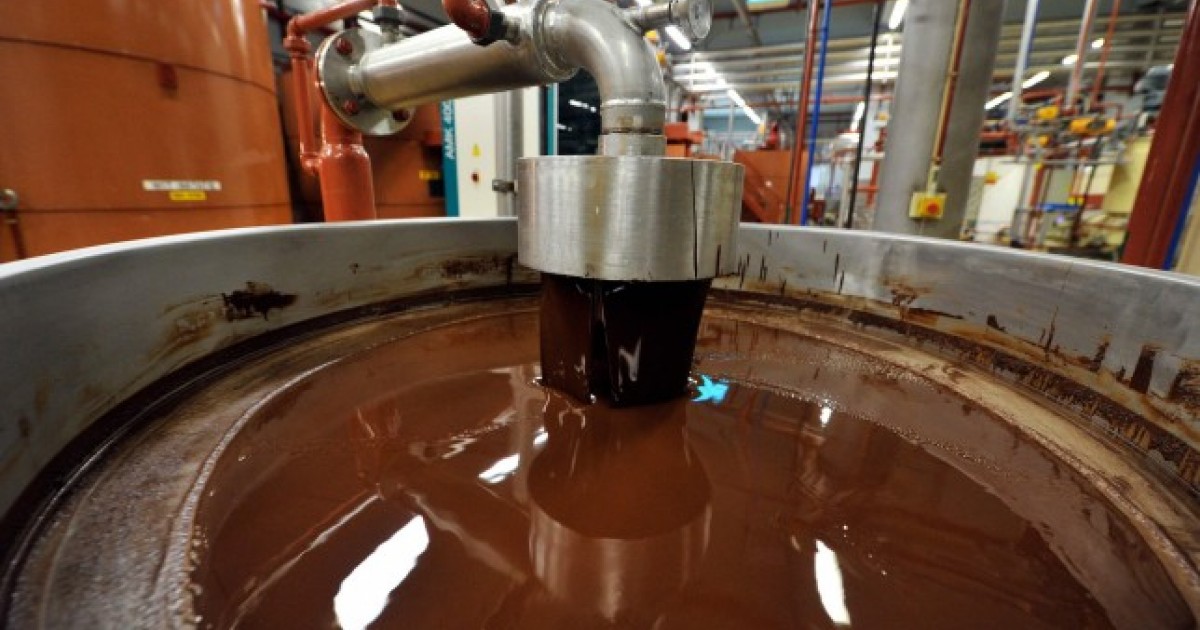
The largest chocolate factory in the world has stopped production after salmonella bacteria were found.
Among the global clients served by the factory are Hershey, Mondelez, Nestle, and Unilever.
The Belgian town of Wieze is operated by the multinational Swiss company Barry Callebaut and creates liquid chocolate in bulk batches for 73 customers.
A firm spokesman promised to get in touch with any consumers who may have gotten contaminated chocolate.
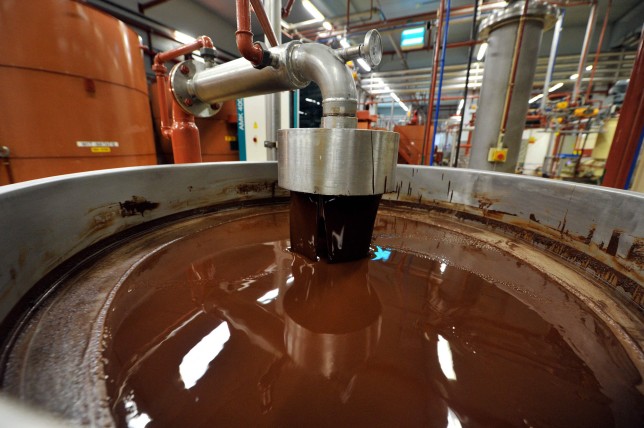
AFP
"All products manufactured since the test have been blocked," said spokesman Korneel Warlop.
‘Chocolate production in Wieze remains suspended until further notice.’
It happens just after families in the UK were instructed to throw any Kinder Eggs they may have had at home due to the risk of salmonella.
70 kids, mostly under the age of five, got food poisoning in the UK.
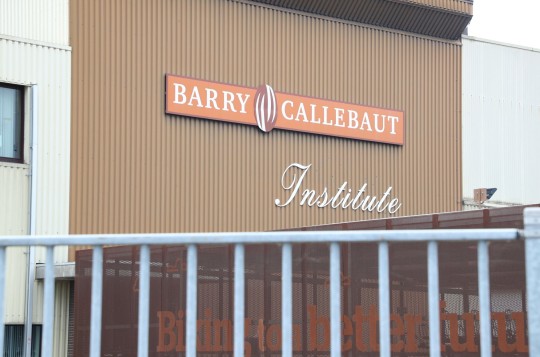
Rex
advertisement
According to an examination, samples matched the salmonella strain that had previously infected samples from a different factory in Belgium last December.
Salmonella infection "may be serious and many children impacted in this outbreak have been very unwell and hospitalized," said Dame Jenny Harries, chief executive of the UKHSA, at the time.
According to a Barry Callebaut spokesperson, the majority of the affected products in today's incident are still on the site.
All of the company's customers have been informed and asked not to transport any goods manufactured with chocolate produced at the Wieze facility in Flanders, northwest of Brussels, after June 25.
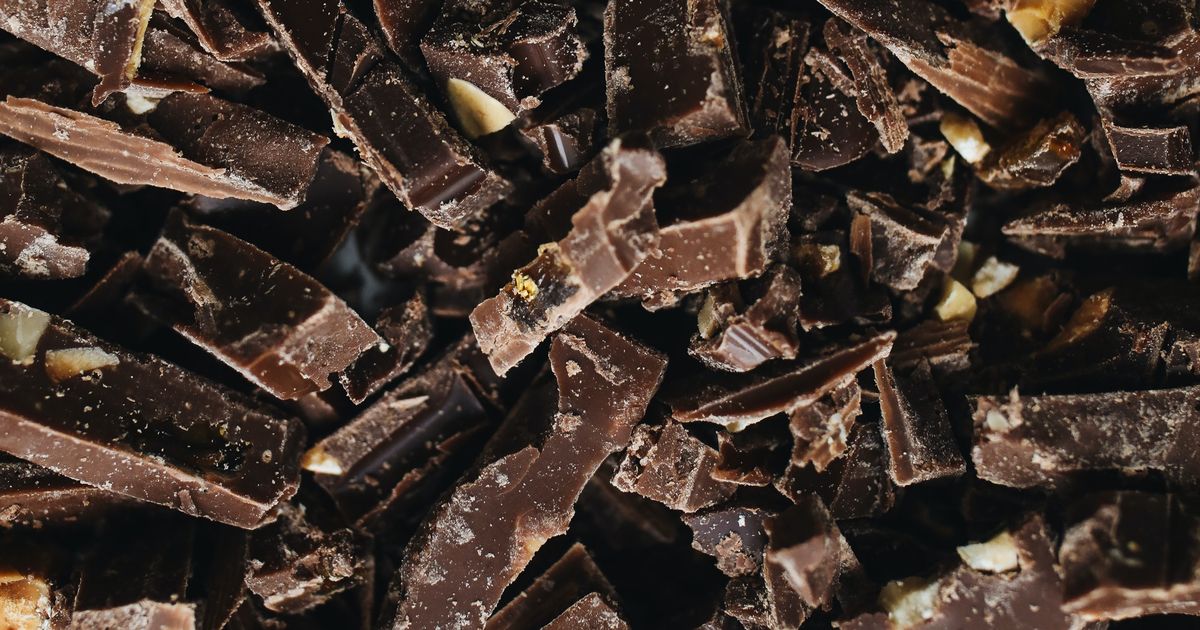
Getty Images
After receiving notification, Belgium's AFSCA food safety agency began an inquiry, according to a representative for AFP.
The Wieze plant does not produce chocolates for direct consumer sale, and there is currently no basis for the company to suspect that any contaminated products produced by clients have gotten onto store shelves.
The biggest market in the sector is the Swiss company Barry Callebaut, whose 2.2 million tonnes in sales were recorded for the fiscal year 2020–2021.
Getty Images
advertisement
The business, which has its headquarters in Zurich, achieved a net profit of 384.5 million Swiss francs ($400 million) for 7.2 billion francs in revenue during the most recent fiscal year.
The company has more than 60 production facilities across the world and more than 13,000 employees.
On June 17, the Belgian health authorities declared that the Ferrero factory in Arlon's, where the previous Kinder contamination originated, may resume.
Three months will be used as a test period.
Getty Images