

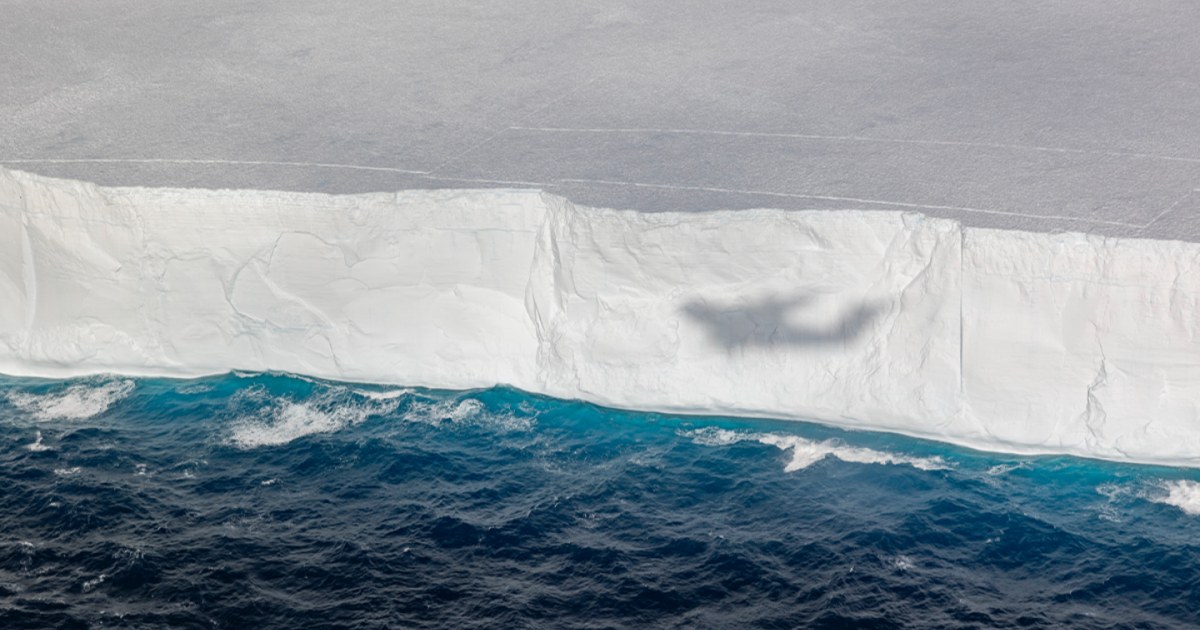
Scientists fear the massive iceberg A23a could disrupt ecosystems and cause long-term damage
advertisement
A colossal iceberg so large it can be seen from space has scientists sounding the alarm about what could be a global disaster in the making.
The massive chunk of glacial ice, named A23a, is drifting across the Antarctic Ocean and is roughly the size of one of Hawaii’s islands.
This towering iceberg is taller than London’s Shard building at 310 meters, and experts have observed rapid deterioration as pools of meltwater have begun to form on its surface — a clear sign that the ice is breaking down faster than expected.
The continued melting of A23a is being viewed as a dire warning for Antarctica’s future. The appearance of meltwater pools suggests that the region is warming at a pace far beyond earlier predictions, hinting at significant environmental upheaval.
Currently, the iceberg spans around 1,400 square miles, which is comparable to the size of Los Angeles. Despite its staggering scale, it has already shrunk considerably since breaking off from Antarctica back in 1986. In recent months, entire sections have fractured and slipped into the sea, contributing to its decline.
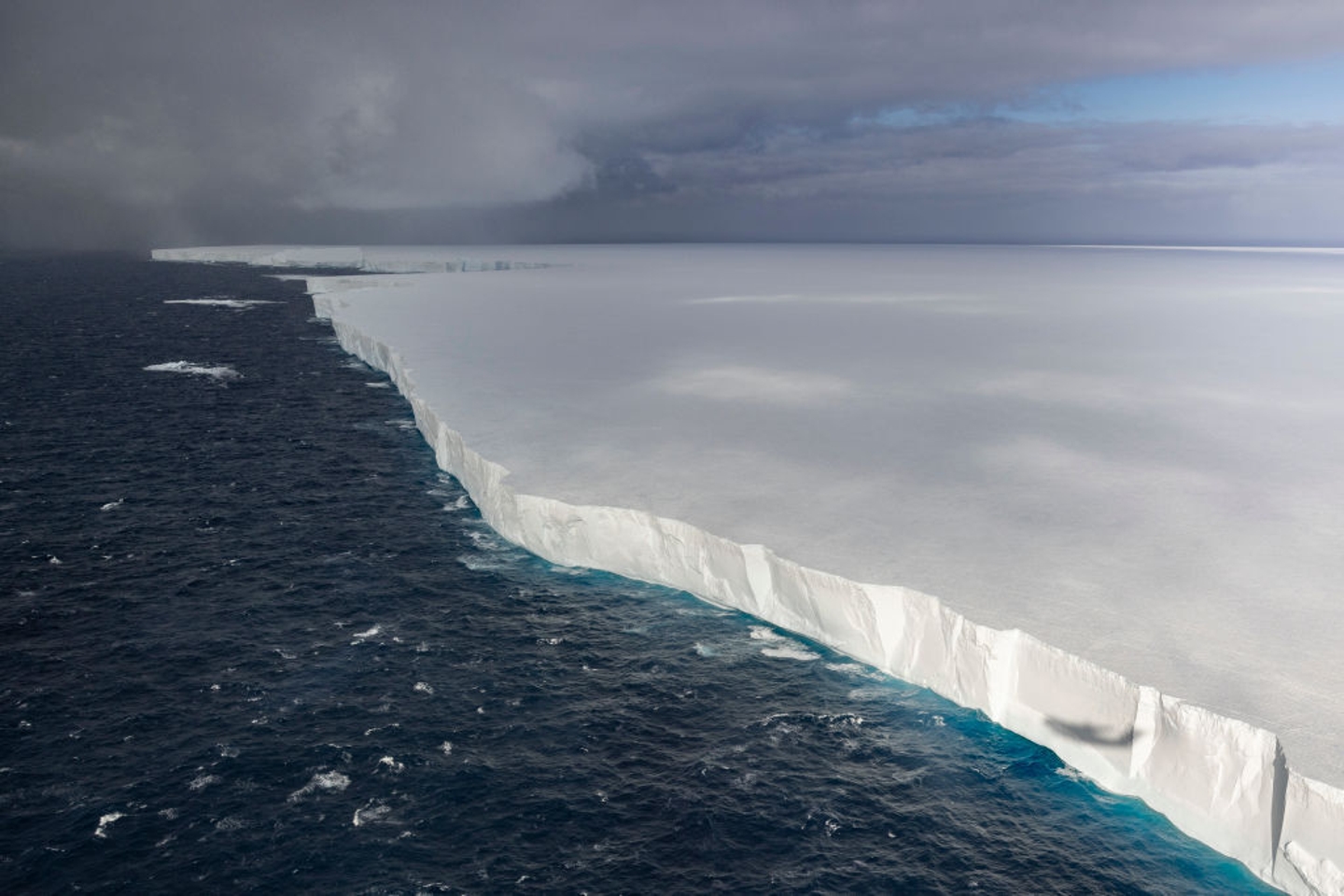
Iceberg A23a is the size of LA
UK MOD Crown Copyright via Getty Images
advertisement
"The potential for abrupt changes is far less understood in the Antarctic compared with the Arctic, but evidence is emerging for rapid, interacting and sometimes self-perpetuating changes in the Antarctic environment," researchers from the Australian National University explained in a recent study published in Nature.
Lead author Professor Nerilie Abram warned that if A23a continues to collapse, it could mean catastrophic outcomes that would affect not just the region but generations worldwide.
She explained further in the study: "Rapid change has already been detected across Antarctica's ice, oceans and ecosystems, and this is set to worsen with every fraction of a degree of global warming."
Experts from the British Antarctic Survey have also raised concerns, predicting that A23a could soon reach the continental shelf near South Georgia. That area is about half the size of the iceberg, and the arrival of A23a could bring enormous disruption to local ecosystems.
One of the biggest worries is the impact on South Georgia’s penguin colonies, which rely on accessible feeding grounds to survive.
"An iceberg grounding close to South Georgia could result in them having to make large diversions to their feeding grounds and not getting back to their young in time," Professor Geraint Tarling, who leads the ecosystems team at the British Antarctic Survey, explained to Oceanographic Magazine.
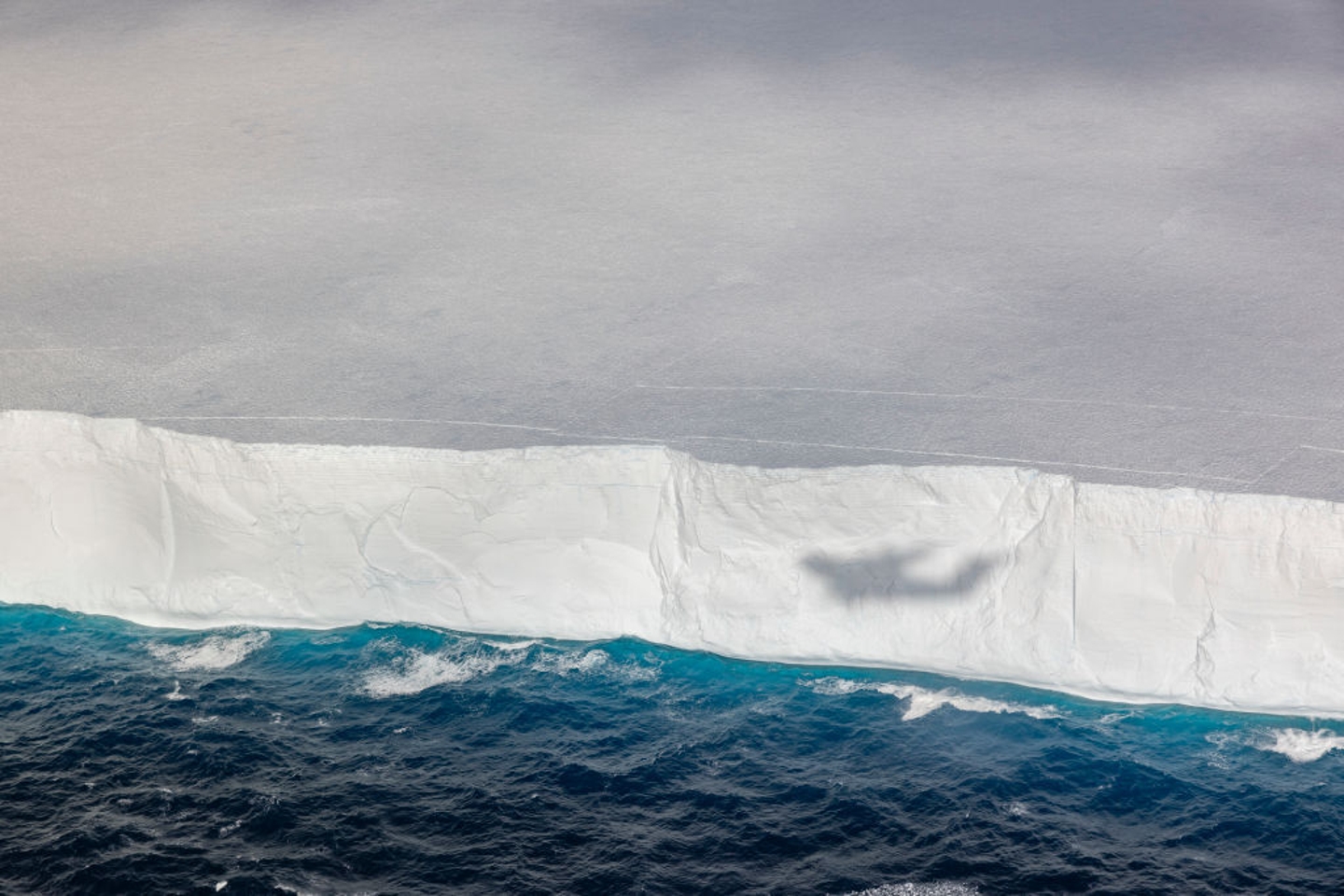
If it collapses, the impact will be felt for generations
UK MOD Crown Copyright via Getty Images
advertisement
Dr. Andrew Meijers, an oceanographer with the British Antarctic Survey, also shed light on why the iceberg is breaking apart and the possible implications for the environment.
He explained, as reported by the Daily Express US: "The iceberg A23a is now moving with the prevailing current towards the island of South Georgia, after having been 'trapped' spinning around a submarine mountain for several months further south."
"The iceberg, at least in satellite images, appears to be maintaining its structure and has not yet broken up into smaller chunks, as previous 'megabergs' have done."
advertisement
Dr. Meijers also noted: "It is presently in a meander of the current and not moving directly towards the island, but our understanding of the currents suggest that it is likely to again move towards the island soon. The current follows the shallow continental shelf around the island to the south east."
"But the question is whether the berg will follow this out into the open South Atlantic, or run up onto the shelf and become stuck for some time. If this happens it could seriously impede access to feeding grounds for the wildlife - seals and penguins mostly - that breed on the island."