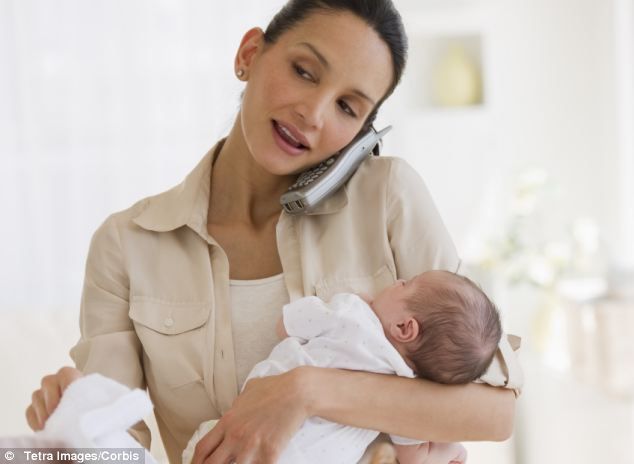
Women do more multi-tasking during the day than men so need more sleep
Women who are sleep deprived are prone to depression and anger
Sleep deprivation is also linked to heart disease, strokes and inflammation



Women do more multi-tasking during the day than men so need more sleep
Women who are sleep deprived are prone to depression and anger
Sleep deprivation is also linked to heart disease, strokes and inflammation
Couples will sometimes fight over who sleeps in more. And according to a study, it turns out your wife should be the one sleeping in, not you. The study examined 210 middle aged men and women, and found that women suffered greater health issues from lack of sleep than men.
"We found that for women, poor sleep is strongly associated with high levels of psychological distress and greater feelings of hostility, depression, and anger. In contrast, these feelings were not associated with the same degree of sleep disruption in men."
"This is because women's brains are wired differently from men's and are more complex, so their sleep need will be slightly greater. The average is 20 minutes more, but some women may need slightly more or less than this."
So in every sense, yes, women's brains are more complex, and need more time to relax and recover overnight.

Now, U.S. researchers say they have the answer: Women's brains need more time to recover because they do more multi-tasking during the day.
The Duke University scientists, in North Carolina, found women who are sleep deprived often suffer from depression and become angry.

In contrast, these issues do not affect men who have not had much sleep, according to Science World Report.
Previous studies have also linked a lack of sleep to increased risk of heart disease, mental health problems, strokes and inflammation within the body.
Dr Michael Breus, a sleep expert, believes some sleep deprived women develop such severe inflammation in their bodies that they actually wake up suffering physical pain.

Dr Breus says, naps should not be longer than 90 minutes as this can increase sleepiness.
‘One of the major functions of sleep is to allow the brain to recover and repair itself,' said Professor Jim Horne, director of the Sleep Research Centre at Loughborough University.

During deep sleep, the cortex - the part of the brain responsible for thought, memory, language and so on - disengages from the senses and goes into recovery mode.
‘The more of your brain you use during the day, the more of it that needs to recover and, consequently, the more sleep you need.'
He added that women need more sleep as they use more of their brains than men do because they multi-task more.
He explained that a man with a demanding job that requires a lot of lateral thinking may also require extra sleep.