

Lyndsey Kelly replaced takeout, weekend drinks and little activity with a strict routine that took her from 191.8 pounds to 123 pounds
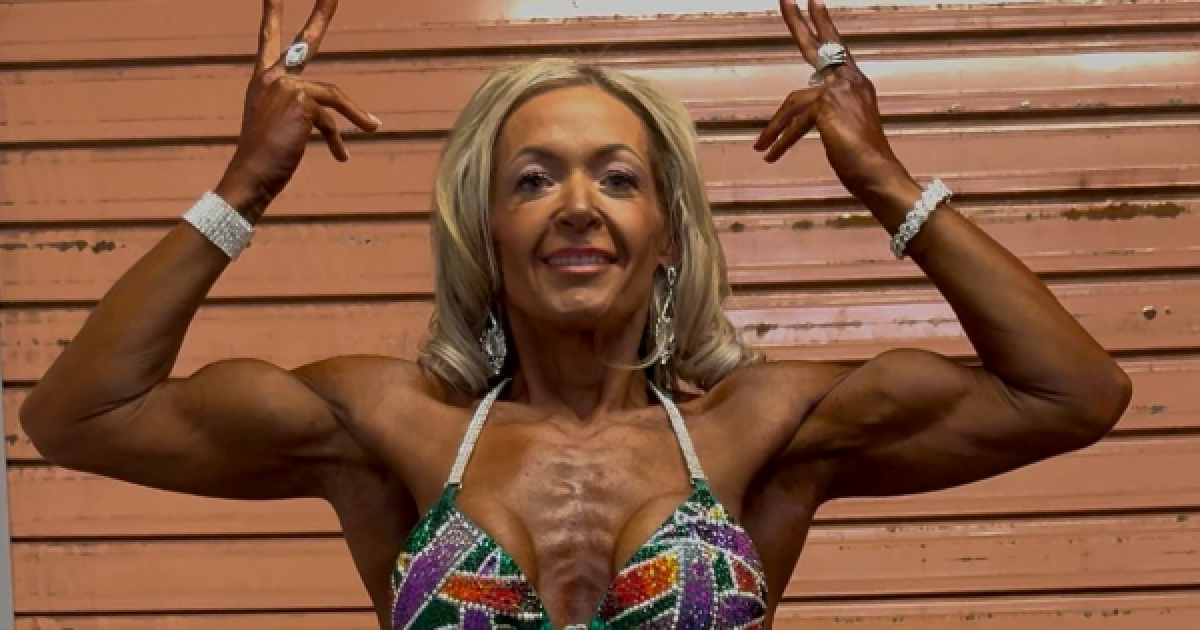
Mom Shares The Five Meals She Ate Daily To Lose 70 Pounds And Become A Bodybuilder
By
maks in
Health and Fitness
On 13th July 2026
advertisement
There was no single miracle food behind Lyndsey Kelly's 70-pound transformation. The mother reached a point where she had simply had 'enough', then rebuilt her days around a planned set of meals and a demanding exercise schedule.
Big lifestyle changes do not always begin with a competition, a trainer, or a perfect plan. Sometimes, the turning point comes when a person looks at how they are living and realizes the routine no longer feels right.
For Lyndsey, the question became impossible to ignore: Was this really it?
That moment led the 47-year-old to change far more than the food on her plate. Lyndsey started at 191.8 pounds and later reached 123 pounds, a difference of 68.8 pounds that is commonly rounded to 70.
Her new weight-loss and fitness routine also introduced her to bodybuilding, turning a private health goal into something she would later pursue onstage.
Before making those changes, Lyndsey said she had reached a crossroads. Takeout was part of her week at least once, while alcohol was a regular feature on Fridays and throughout the weekend.
advertisement
The 70-Pound Result Came From More Than One Diet Change
The headline number is striking, but Lyndsey did not describe losing the weight through one food, one workout, or one short challenge. Her result came from changing her meals, daily movement, gym training, alcohol habits, and the way she organized her time.
The article does not give enough detail to calculate how quickly she lost weight from week to week. That matters because another person's total loss does not provide a safe target or timeline for everyone else.
The Centers for Disease Control and Prevention says healthy weight management can involve eating patterns, physical activity, sleep, and stress. It also notes that people who lose weight at a gradual pace of around one to two pounds per week are more likely to keep it off than those who lose it faster.
Yet the strongest reason for changing her life was not the number on the scale or the thought of competing. One person close to Lyndsey gave the decision a much deeper purpose and helped turn an idea into a commitment.
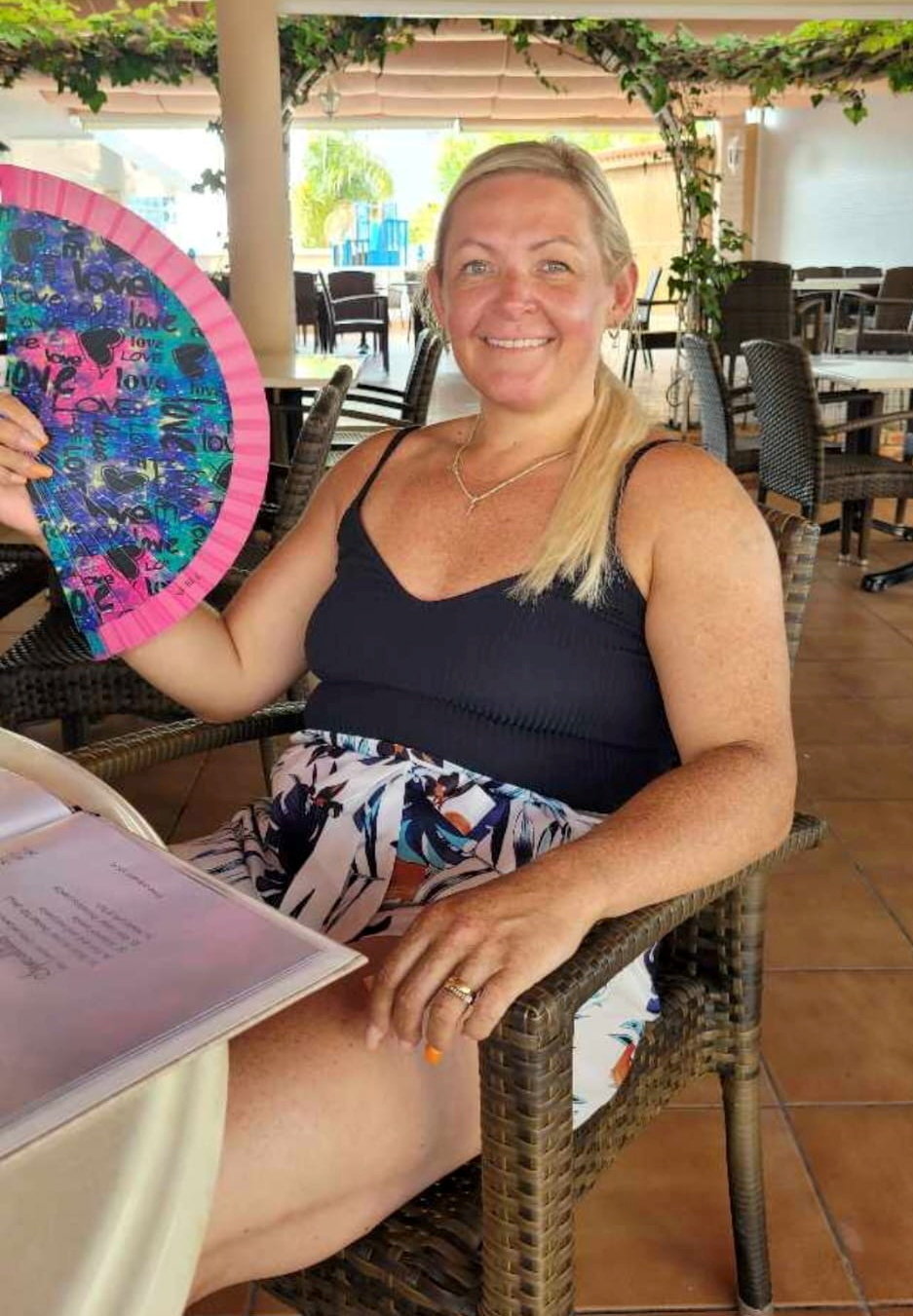
Lyndsey Kelly was in her mid-40s when she changed her lifestyle
SWNS
advertisement
The Decision Behind “I’d just had enough”
In January 2024, while she was still in her mid-40s, Lyndsey decided she could not keep postponing her own health. She wanted to be healthier for her son and felt the time had come to act rather than wait for another fresh start.
She explained: "I changed for my son. I wanted to be a role model and show him what you can achieve."
Lyndsey also told Talk to the Press that caring for her son had often meant placing her own needs last: "I yo-yo'd with my weight over the years, particularly when my son was young as he was my priority and I would put myself on the backburner. But he is 16 now so I've got so much more time."
advertisement
Once she committed to the change, Lyndsey built exercise into hours that many people would normally reserve for sleep. She began getting up for 4 a.m. workouts so she could train around working 12-hour days.
The Bolton, Greater Manchester, mom described doing '40 minutes of fasted cardio' before walking to work. Her day did not end there, as she also completed a 'weights session in the gym after my shift finishes.'
A competition offering three months of support from a personal trainer gave her progress a new direction. Winning that opportunity brought structure to the effort she had already started on her own.
advertisement
Fasted Cardio Was One Part Of Her Schedule, Not A Shortcut
Fasted cardio means exercising before eating, often after an overnight fast. Lyndsey made it part of her early-morning routine, but the phrase can make the method sound more powerful than the evidence supports.
In a small four-week study comparing fasted and fed aerobic exercise, 20 women followed calorie-controlled diets while training three times a week. Both groups lost weight and body fat, but researchers found no significant difference between exercising before or after eating.
Lyndsey's own comments place the emphasis in a different area: consistency. Her cardio sat alongside walking, weight training, planned meals, and a schedule she followed over time. Anyone starting a demanding routine should choose training times and food habits that fit their health, energy needs, and medical circumstances.
advertisement
The personal-training prize eventually encouraged Lyndsey to step into a bodybuilding contest. She did not win her first show, but the result did not end the process she had begun.
Her trainer saw enough progress to ask her to continue working together. What began as a three-month opportunity therefore became a longer partnership built around further training and competition preparation.
Losing the first contest also gave Lyndsey a new target. Rather than treating the defeat as proof she should stop, she kept building the strength, discipline, and stage experience needed to try again.
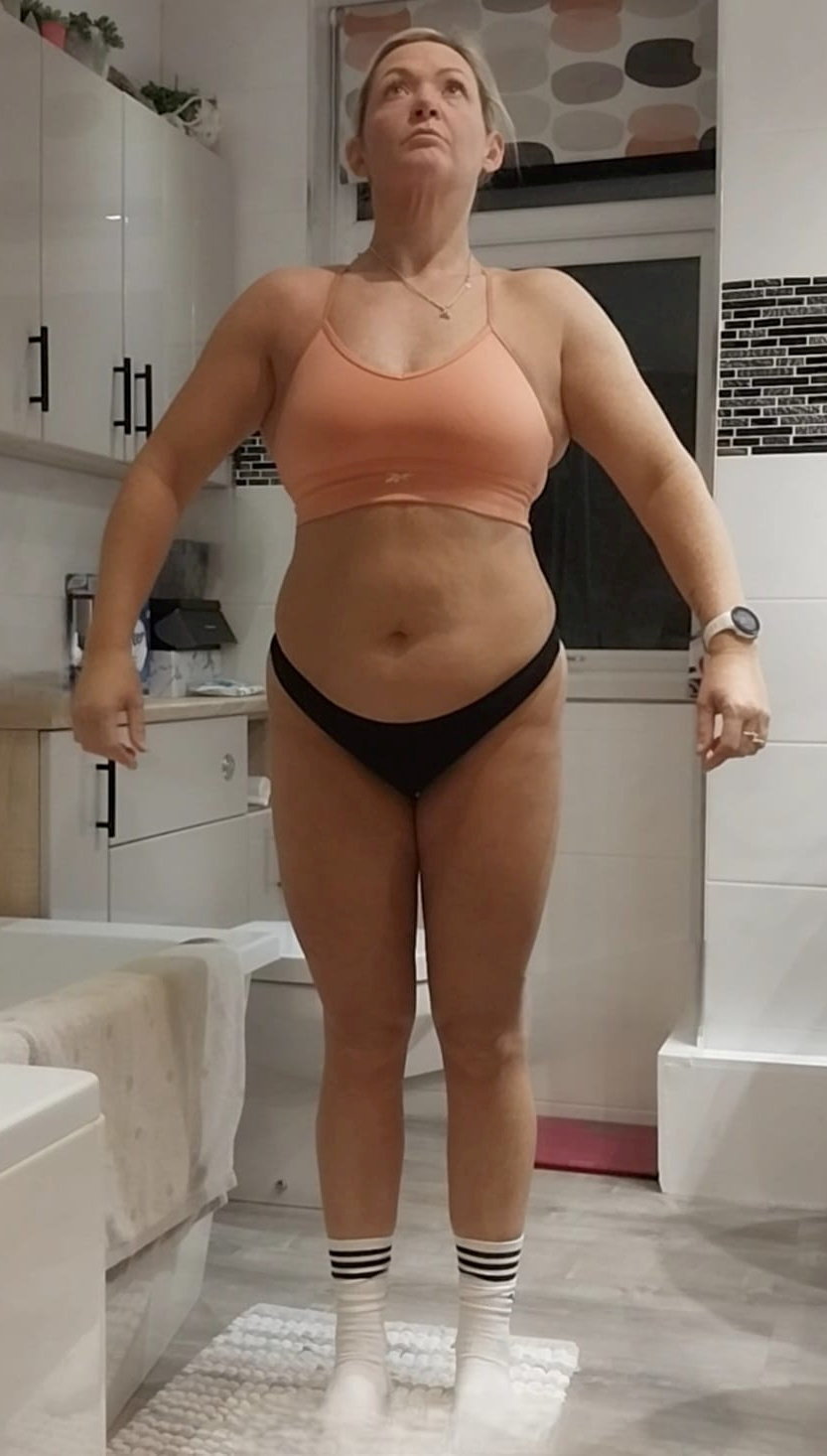
She said she was drinking alcohol and eating junk
SWNS
advertisement
Takeout, Alcohol And Little Movement: Her Old Routine
Before changing her habits, Lyndsey described a routine shaped by takeout meals, regular alcohol, and very little movement. She called herself a 'couch potato', a sharp contrast with the workouts and bodybuilding training that later filled her days.
The adjustment was not comfortable at the beginning. She said: "At first it was agony, but after a couple of weeks you get into it and it becomes routine. I quite enjoy it now because I like the structure and the discipline but that only comes with time. I'm not killing myself with cardio, it's just consistency."
Her old food choices were familiar, convenient, and easy to repeat, but they were very different from the planned five-meal system she later followed. A typical day looked like this:
advertisement
Breakfast: A bacon butty, the British name for a bacon sandwich.
Lunch: A Subway sandwich, meat-filled pasties, or pies.
Dinner: Lasagna or what she called 'spag bowl', meaning spaghetti Bolognese.
advertisement
Snacks: Chocolate bars, oat flapjacks, or chips were also part of the day.
Changing course meant replacing more than one heavy meal. Lyndsey moved away from a full pattern of convenience food, snacks, alcohol, and low activity, then replaced it with food she could plan and repeat.
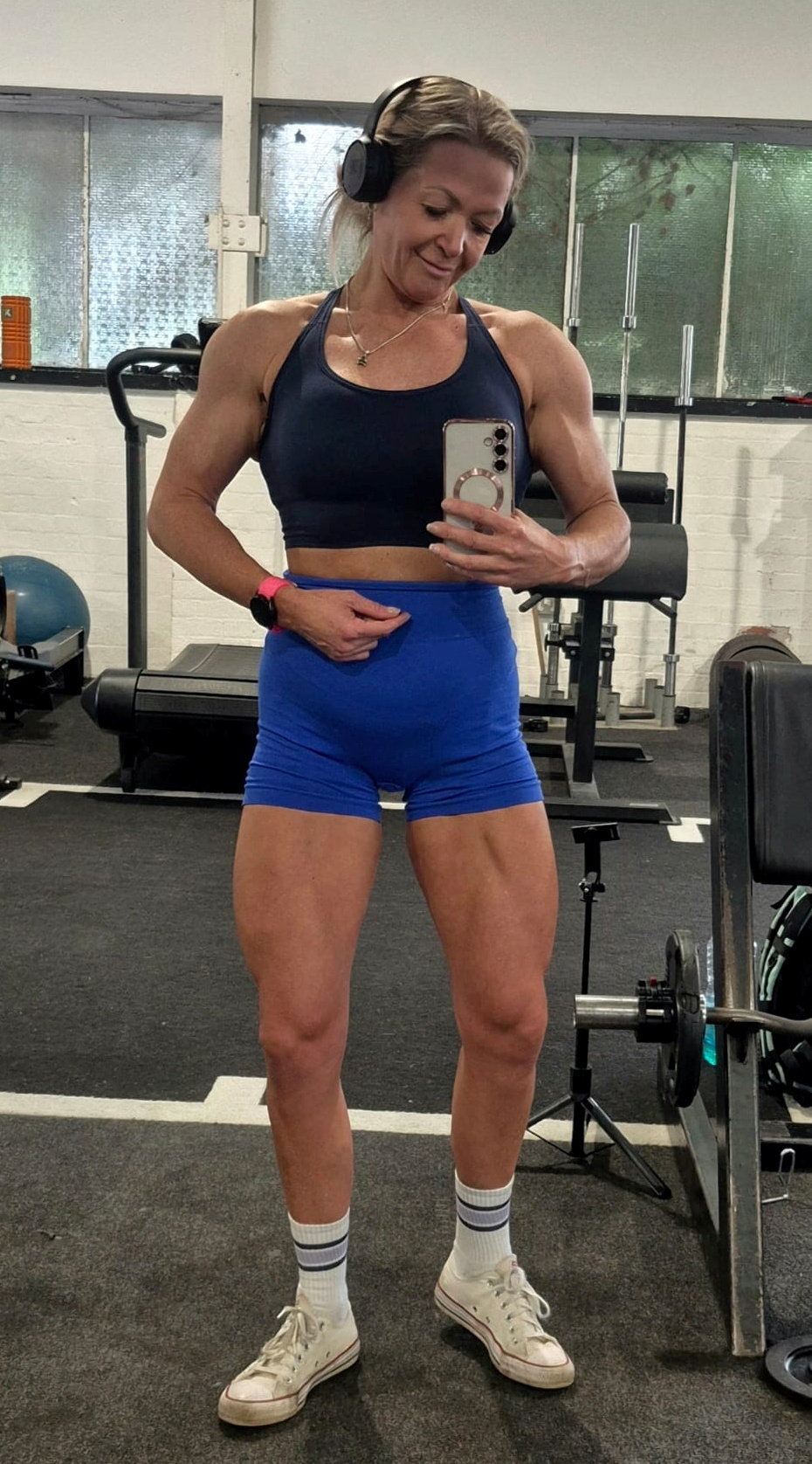
Now, she eats five healthy meals and lost 70lbs
SWNS
advertisement
The Five Meals That Replaced Her Old Menu
Lyndsey's new daily meal plan used the same five choices each day. They included oats with yogurt, chicken and rice, chicken wraps, ground meat with potatoes and vegetables, and sourdough bread with peanut butter as a treat.
The repeated menu gave her routine a level of consistency that eventually carried into competition. After losing her first contest, Lyndsey returned to the stage and placed second at the 2026 NABBA North West bodybuilding competition.
For anyone trying to settle into a new routine, she advised patience rather than expecting the process to feel natural at once: "You've got to get used to it and give it time. "
Why Eating The Same Meals May Make A Plan Easier To Follow
Repeating meals can reduce the number of food decisions a person has to make each day. Ingredients can be bought in advance, portions can be prepared together, and there is less need to choose between takeout and cooking after a long shift.
That does not mean everyone needs Lyndsey's exact menu or should eat only five foods. The article does not provide her serving sizes, calorie intake, full nutrition plan, supplements, or instructions from her trainer, so the list alone cannot explain her results or serve as a complete program.
The CDC's healthy-eating guidance recommends a varied pattern that includes vegetables, fruit, protein foods, whole grains, healthy fats, and dairy without added sugar while staying within individual calorie needs. Repeated meals can still contain variety, but the overall balance matters more than copying one person's plates.
advertisement
"It can be a bit boring at first, but once you start seeing results, you realize it works. Trust the process."