

Imagine going to a flea market and finding a painting for only $4. It seemed like a small purchase at the time, but it turned out to be a massive win. The person who bought it later sold it for a whopping $2.4 million.
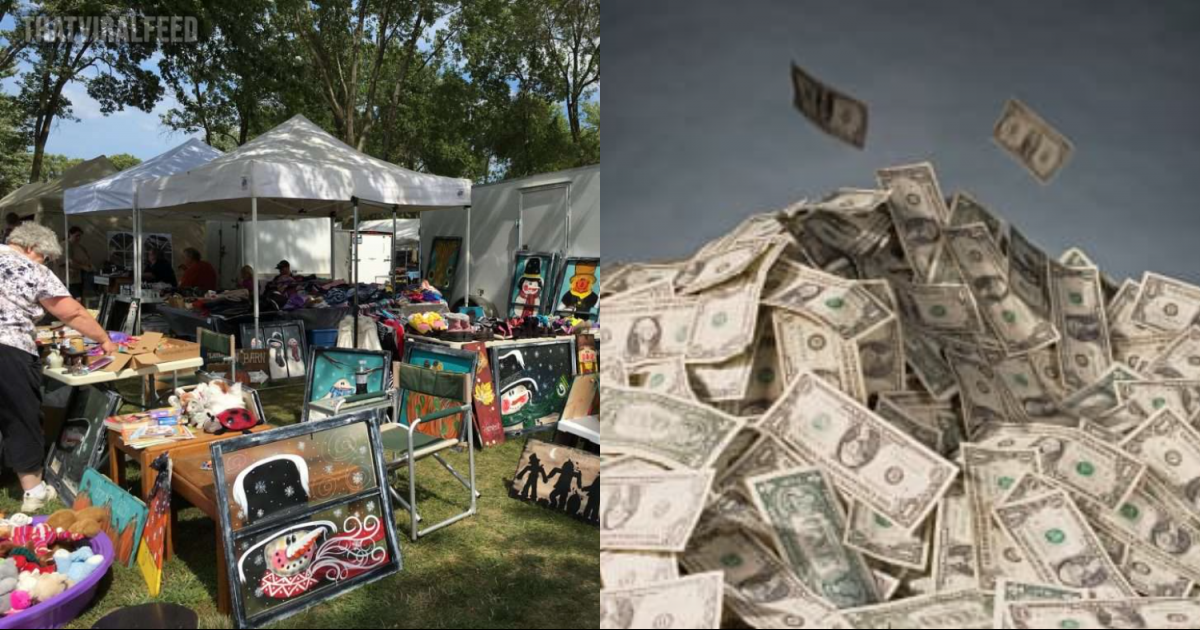
Man Who Bought A Painting For $4 At A Flea Market Ended Up Making $2.4 Million
By
Khadija Pervez in
News
On 14th November 2023
advertisement
Getty/Douglas Sacha
An incredibly lucky man ended up making $2.4 million by finding an amazing secret connected to a $4 painting he bought.
Flea markets can be great for finding cool stuff at good prices, but you probably won't find anyone luckier than the guy who bought a cheap painting he didn't even like and found something incredible about it from history.
The man who bought this super valuable painting didn't even like the picture itself. He only wanted to use the frame it was in.
When he got home, he decided to throw away the torn painting so he could use the frame for something better. That's when he found something really important.
advertisement
Getty/Douglas Sacha
He discovered a folded-up piece of paper hidden behind the painting inside the frame. When he opened it, he was shocked by what he found.
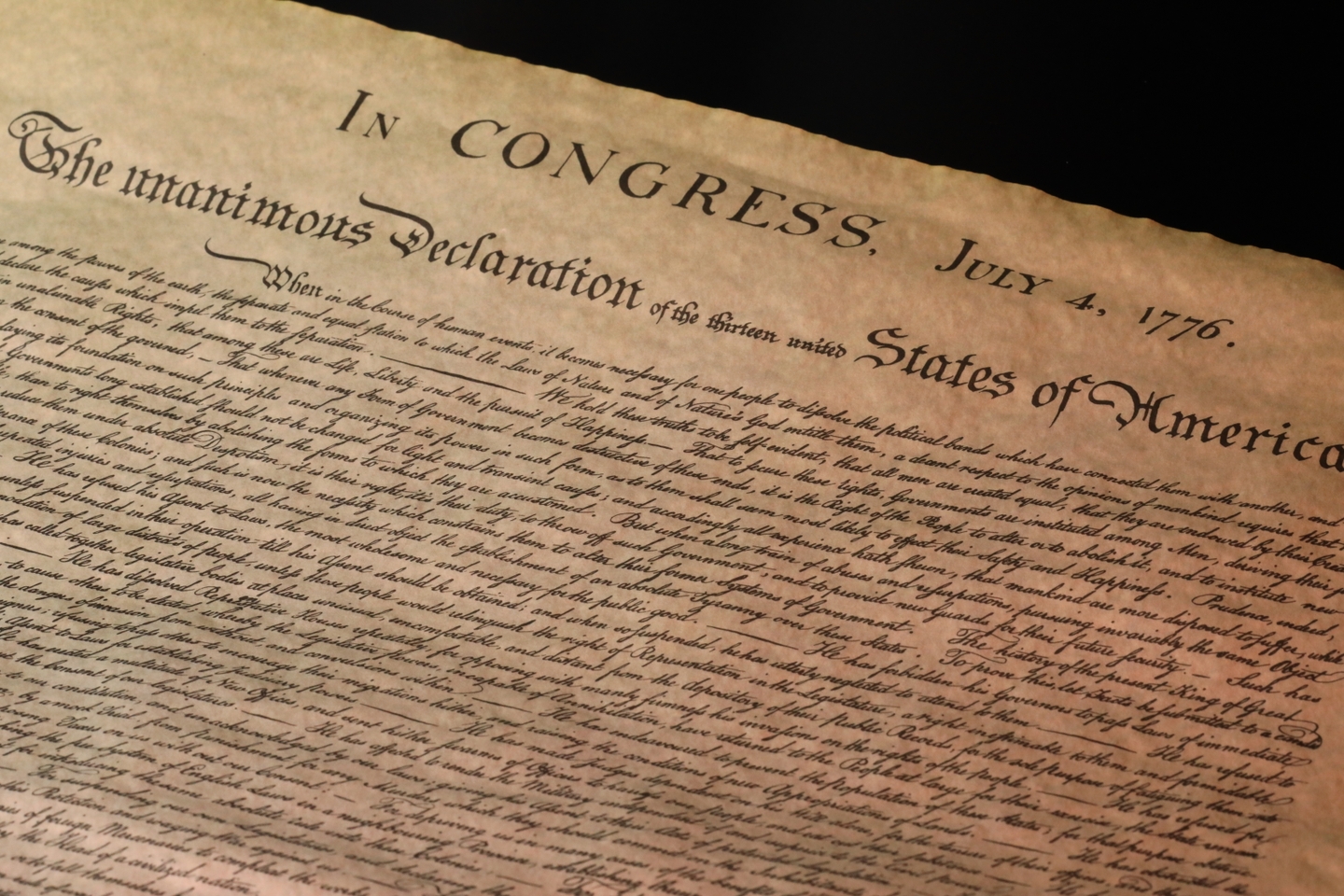
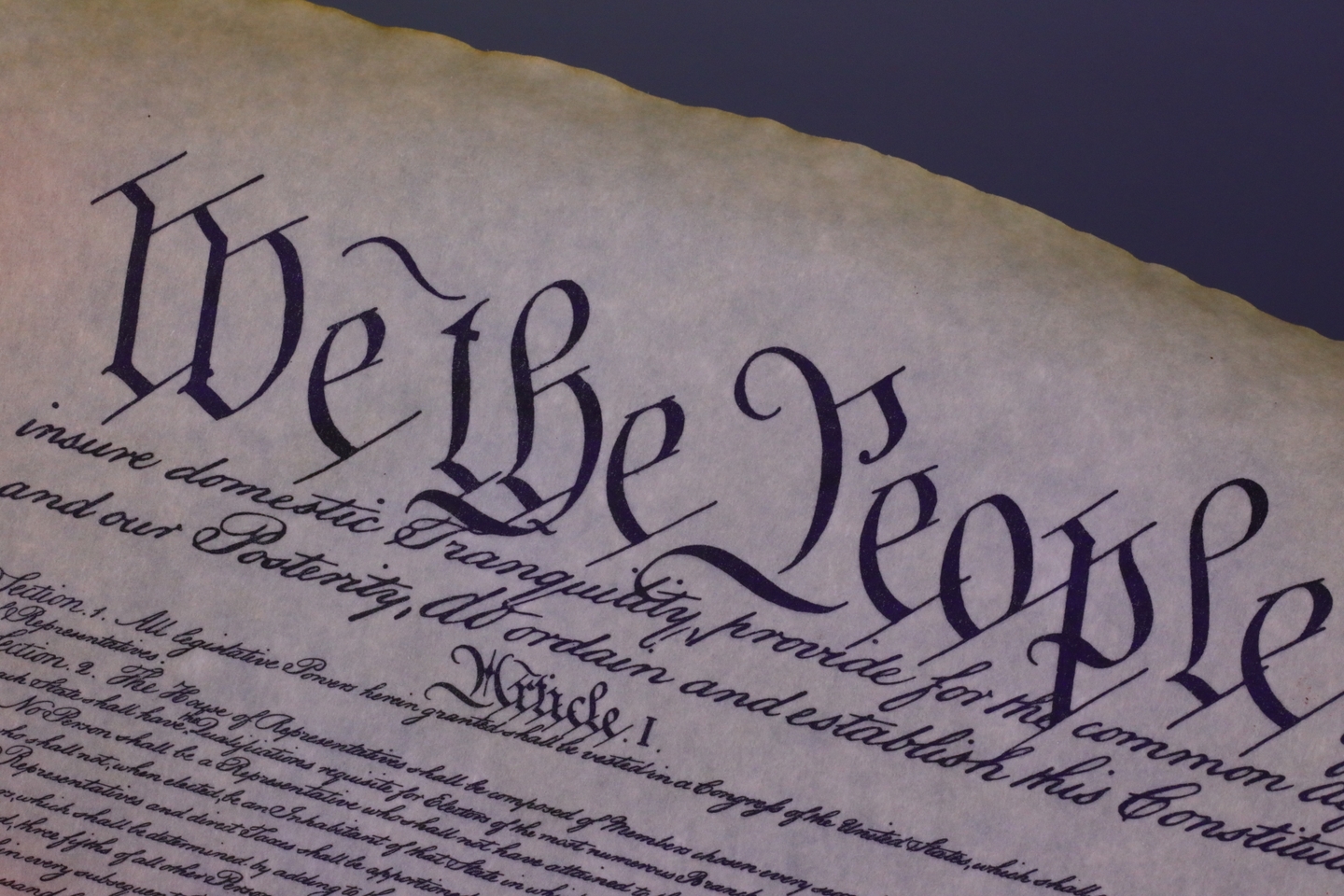
Inside the frame was the Declaration of Independence.
To clarify, it wasn't the original document with the Founding Fathers' signatures but one of the copies made on July 4, 1776, to spread the news about the 13 Colonies breaking away from Britain.
According to the New York Times, there are only 24 surviving copies of the Declaration, and most of them are securely held in museums.
advertisement
The man realized he had a genuine piece of history and shared his find with the auction house Sotheby's.
Sotheby's had previously sold a Declaration of Independence copy in 1990 for $1,595,000, but the flea market discovery fetched an even higher price.
advertisement
He sold a copy of the Declaration of Independence from it for $2.4 million.
The auction house said it was the highest price ever paid for something historical in America. A man named Donald J. Scheer, who runs an art company in Atlanta, Georgia, bought it.
advertisement
Even though he paid a lot for it, Scheer was ready to pay even more to own this important piece of history.
The buyer said: "I think this is a living document and the words are every bit as live today."
advertisement
A similar incident has happened to another woman in New Hampshire.
She surprised the art world by purchasing a painting for just $4, which experts now say is worth $150,000.
What's even more remarkable is that the owner, who wishes to remain anonymous, had no clue about the painting's true worth and had been keeping it in a cupboard.
advertisement
Bonhams Skinner
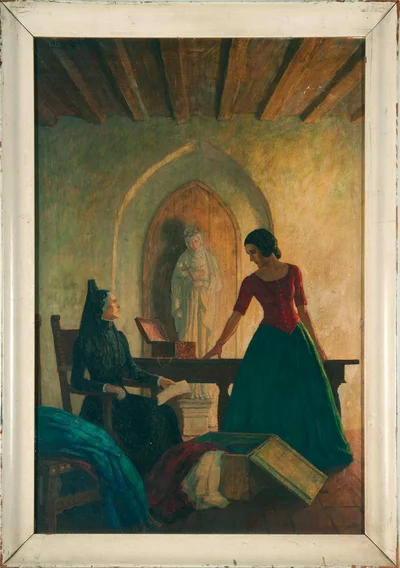
It was rediscovered in May during a cleaning session. It turned out that the artwork was by Newell Convers Wyeth, also known as N.C. Wyeth, and it's worth a significant amount.
The painting is set to be auctioned later this month and is expected to fetch an astonishing price of $150,000 to $250,000, as stated by the auctioneers at Bonhams Skinner.
advertisement
If you're wondering why this painting is so special, it was made for a book called "Ramona" by Helen Hunt Jackson.
There were four paintings created for this book in 1939.
The book tells a sad story about a girl who is both Scottish and Native American during the Mexican-American war.
advertisement
According to the auctioneers at Bonhams Skinner, the painting shows how the artist, Wyeth, skillfully portrays the tension between Ramona and her strict foster mother, Señora Moreno.
They also say that Wyeth was really good at making illustrations that added drama and showed how characters changed in the story.
advertisement
Experts are not sure how the painting ended up in the thrift store, but they think it might have been a gift to Helen Hunt Jackson's family from the people who published her books.
Even though they're still checking, one Wyeth expert is almost certain it's real.
A person named Lauren Lewis saw the painting on a Facebook page called "Things Found In Walls – And Other Hidden Findings."
The owner, who wanted to stay anonymous, shared a picture of it there.
After seeing the painting in person, Lewis told the Boston Globe that it was in really good condition considering its unusual journey.
advertisement
She said:
"My assessment of the condition was that, while it certainly had some small scratches and it could use a surface clean,
it was in remarkable condition considering none of us had any idea of its journey over the last 80 years."