

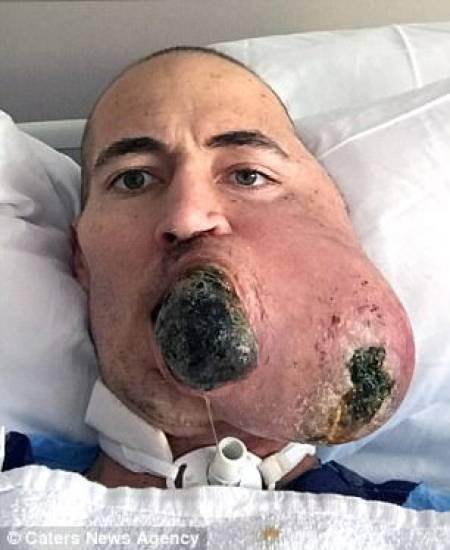
Tim McGrath, 38, was diagnosed with synovial sarcoma after his jaw pain turned out to be a giant tumor. This tumor ended up destroying his face.
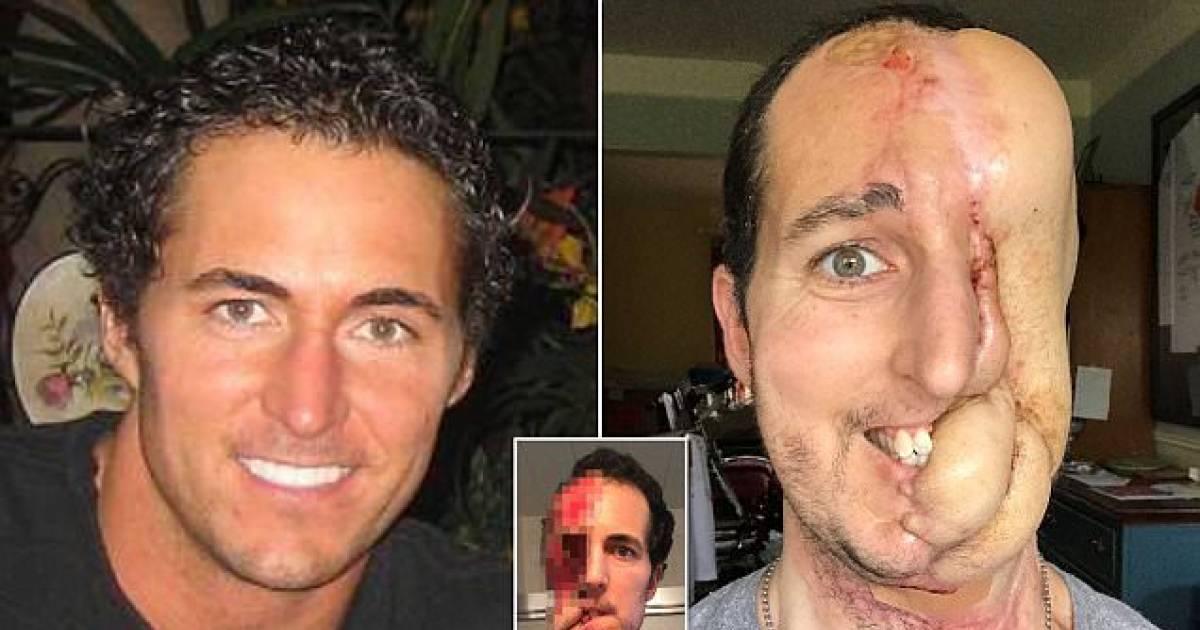
Man Who Lost Half His Face Due To Cancer Is Undergoing Drastic Surgery!
By
Michael Avery in
Bizarre
On 7th July 2017
advertisement
#1
A man who has been left with half a face after his features were destroyed by a very aggressive form of cancer underwent a life-changing operation recently. 38-year-old Tim McGrath was diagnosed with cancer back in 2014. The kind of cancer diagnosed was synovial sarcoma - a very rare form of soft tissue cancer.
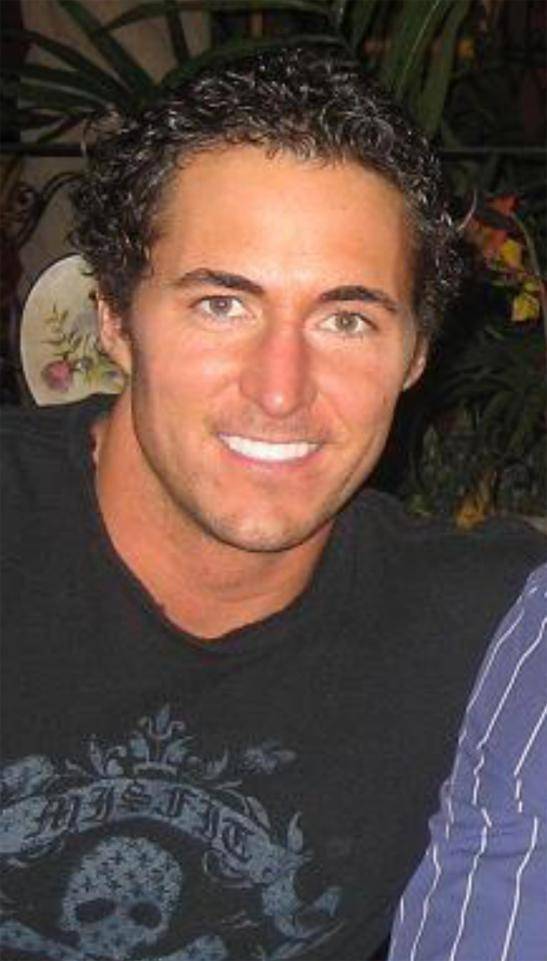
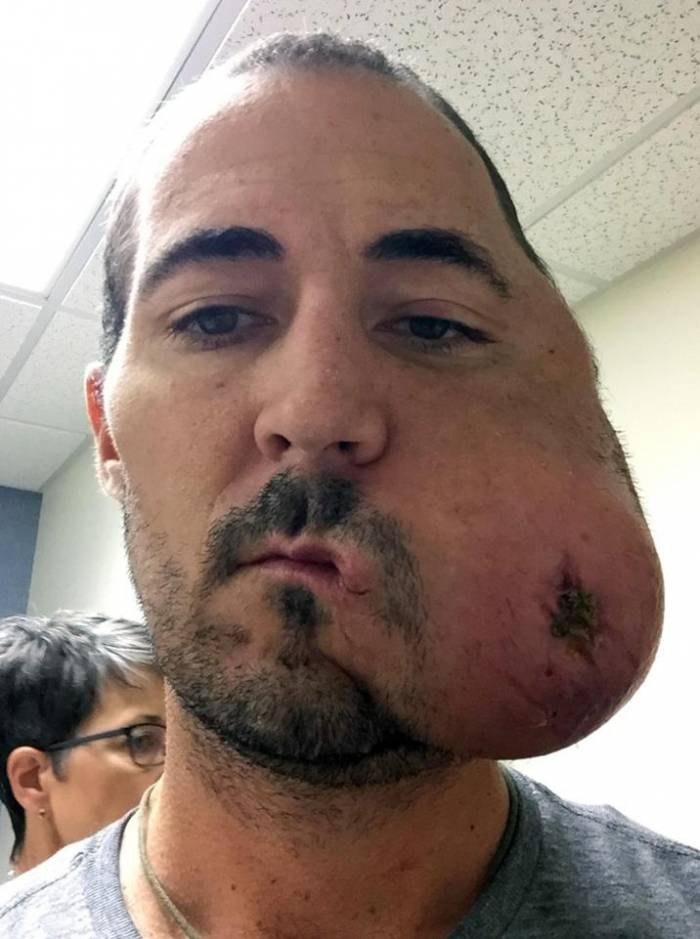
It caused a huge, humongous tumor to grow on his jaw. Doctors managed to cut away the cancerous growth, but his body rejected every attempt to rebuild his face. Now, after living for the past year with exposed flesh, Dr. Kongkrit Chaiyaste, a renowned surgeon, heard about Tim's plight and agreed to give him the help he so desperately needs.
#2
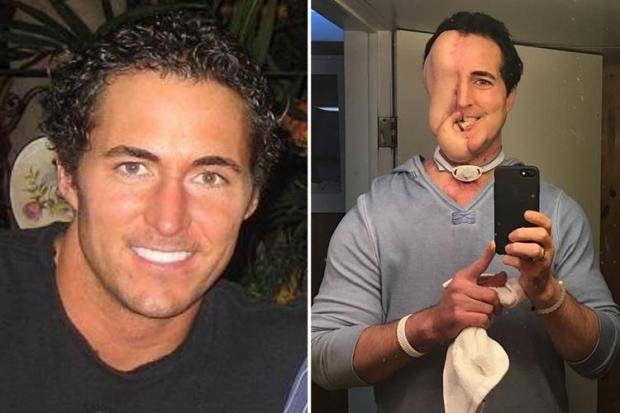
Taking skin from his leg and arm he performed an incredible operation to begin rebuilding the left side of Tim's destroyed face. Tim, an avid golfer, said the reconstructive work done on his face will likely continue into next year.
A resident of Michigan, Tim said: "After the operation to remove the tumor I was heartbroken, I didn't realize that half of my face would be taken away and it wasn't until I went to Dr. Chaiyasate that I start to feel real hope again."
advertisement
#3
"I was covered in scars from previous surgeries which limited my options for reconstruction but we went ahead and the outcome has been incredible. He reconstructed my face using skin and muscle from my left leg, left forearm, and a flap from my forehead and skin graphs were used to help the healing process. I currently can't drink liquids, eat through my mouth, or pronounce certain words, however, my quality of life has improved massively.
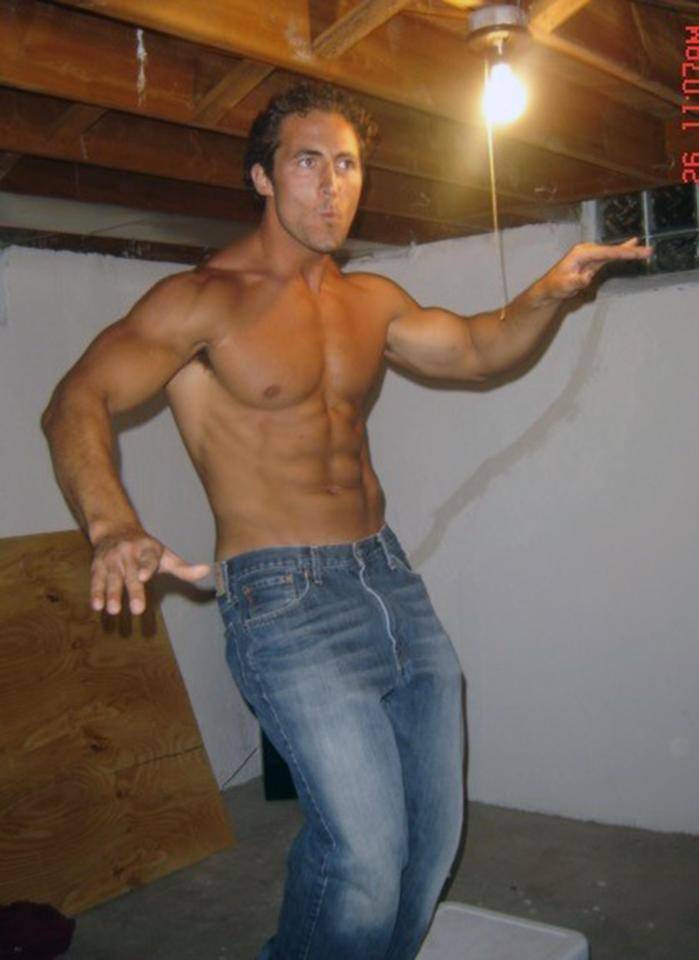
"There are people who stare at me, mostly children who don't understand, but I would hope that others look past what they can see. My journey has been long and mostly inconceivable to most, but I have an amazing support group around me and I draw strength from them daily. I have been through something horrific, but if what I've gone through can inspire people to live their lives with gratitude for the things they take for granted, then it makes what I've gone through all worth it."
#4
Tim was first diagnosed with the rare disease, synovial sarcoma, a form of soft-tissue cancer, back in February 2014 after visiting the doctor with severe jaw pain. An MRI revealed a tumor the size of an egg, however, Tim rejected surgical options at that time and spent the next 18 months looking for non-surgical options.
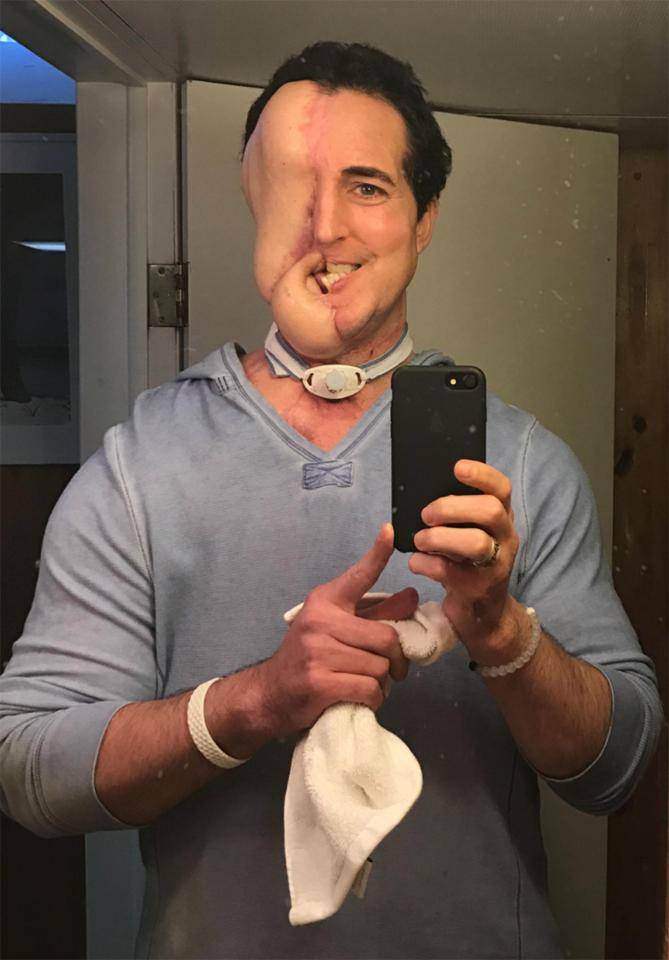
Unfortunately, synovial sarcoma is very resistant to many forms of treatment, including chemotherapy, and the tumor just kept on growing. He added: "At the end of May 2015 the tumor doubled in size and I had to have a tracheotomy fitted to enable me to breathe and a feeding tube so I could eat because the tumor had invaded the space in my mouth."
advertisement
#5
"Heavy doses of radiation caused the tumor to start dying and shrink and parts started to fall off, eventually I got my mouth back and I could eat very thin pieces of food. After the tumor shrank and the radiation treatment was over I had to wait a few weeks before they could remove the remaining mass."
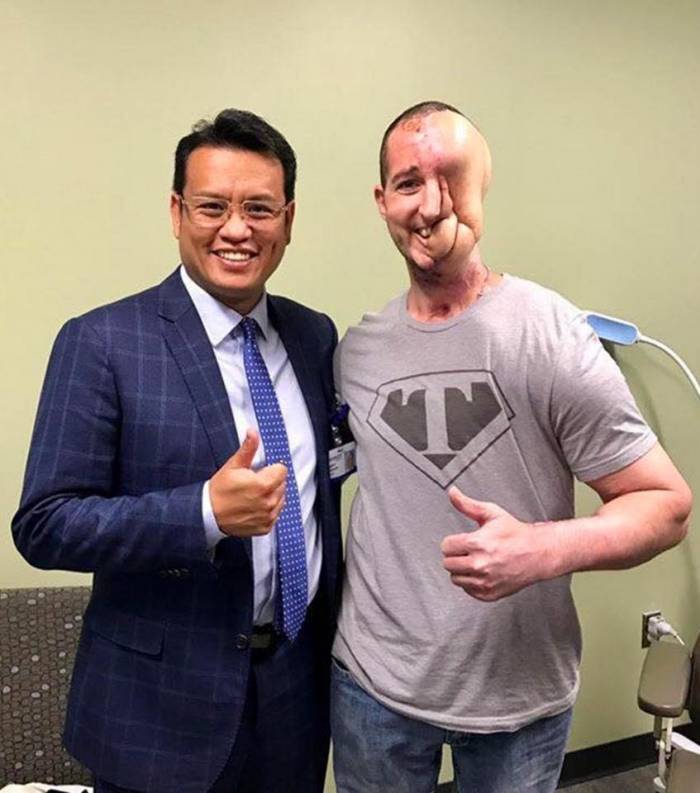
Tim was admitted to the hospital in October 2015, where he stayed for nearly 7 weeks following a 30-hour operation that removed the tumor and attempted to rebuild his face. Tim said: "Before the surgery, they gave me the worst case scenario, they said I would have to lose my left eye and my left ear, but I didn't believe that was going to be necessary."
advertisement
#6
"When I woke up I was in complete shock, as well as removing part of my face and bone structure, they had removed most of the muscle in my back, they had taken a rib, and they took part of my scapula and part of my shoulder too. This was so that they could rebuild my bone structure and the surrounding area however my body rejected the first attempts."
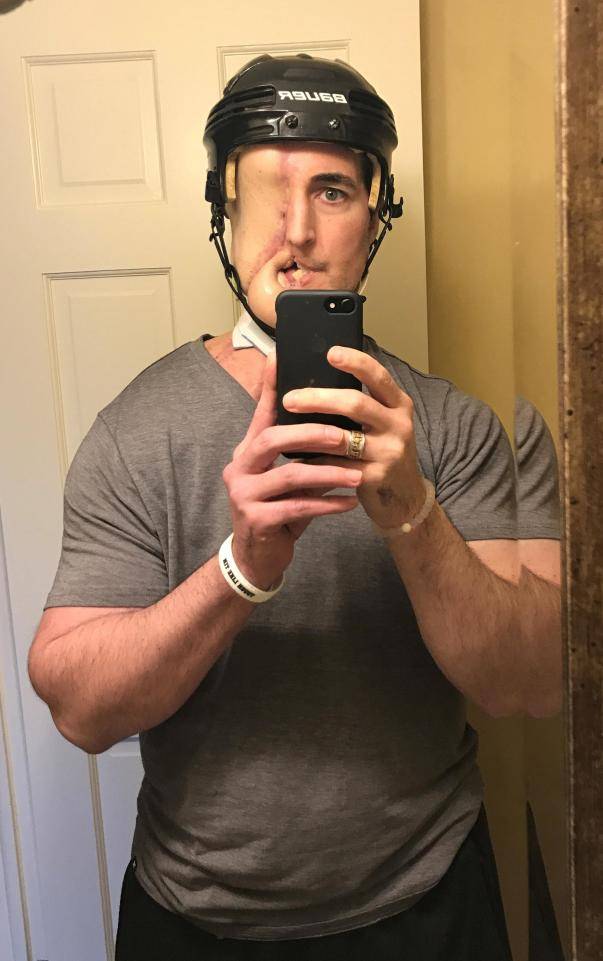
"Eventually I was discharged and the cavity was closed but over time the transplant kept shrinking and I experienced numerous infections. There were so many times when I wanted to give up and at times it was difficult to find the strength to carry on."
advertisement
#7
During his very long road of recovery, Tim decided to abandon his original surgeon and reached out to Dr. Chaiyasate – who was recommended to him via a friend - in April 2016. He added: "I am fortunate enough that he practices within 12 miles of my parents' house."
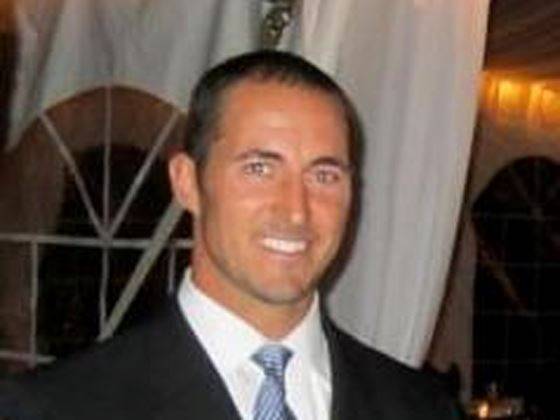
"Dr. C is a humanitarian, who dedicates his life towards giving and helping others, he is humble and has an amazing sense of humor, I consider him a great friend. He has given me so much hope."
advertisement
#8
"I've had over 20 surgeries to date and five of those have been with Dr. C, none of which have been rejected. Dr. C now wants me to have a year off to relax and gain my strength back, let the swelling go down and just have fun in life. I am definitely taking advantage of every opportunity I have to live."
Dr. Chaiyasate plans to continue rebuilding Tim's face with another surgery next winter that will improve his speech and hopefully return his ability to eat and drink without the use of tubes. Tim said: "My family and friends have been amazing and their fundraisers have helped me afford and endure the $40 to 50k that has had to come out of pocket."
advertisement
#9
"I have been incredibly lucky to have insurance, the first eight weeks in hospital rang up a bill of $1.2 million alone. I have now found the confidence to share my story, and if my journey can lead to a happy life for others around me then I truly understand why I was chosen to walk this path."
advertisement
#10 So What Is Synovial Sarcoma?
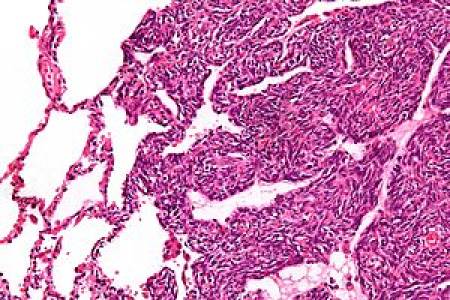
Synovial sarcoma is a soft tissue cancer. It often develops in cells around the joints and tendons. The disease can develop almost anywhere in the body but often forms in the knees of young adults. It has been thought to be triggered by a random genetic mutation. The most glaring sign of the cancer is a large lump or swelling underneath the skin. They often form on an arm, leg or a person's midsection.
They should be treated as a major concern if:
They are growing larger in size.
Is bigger than 5cm.
Are painful, but not at all times.
Treatment can vary but most often includes surgery to remove the tumor, along with radiotherapy and chemotherapy. As with other forms of cancer, the outlook depends on the size of the tumor, where it's located and if it has spread throughout the body. Those with tumors bigger than 5cm are more likely to be at risk of the disease spreading. In this case, the prognosis is poor.