

After being diagnosed with acromegaly, Mary Ann Bevan took a job in sideshows to support her children. Her appearance changed so drastically that she became known to the public as the Ugliest Woman in the World — but her story is far more than that label. In recent years, it’s finally getting the recognition it deserves.
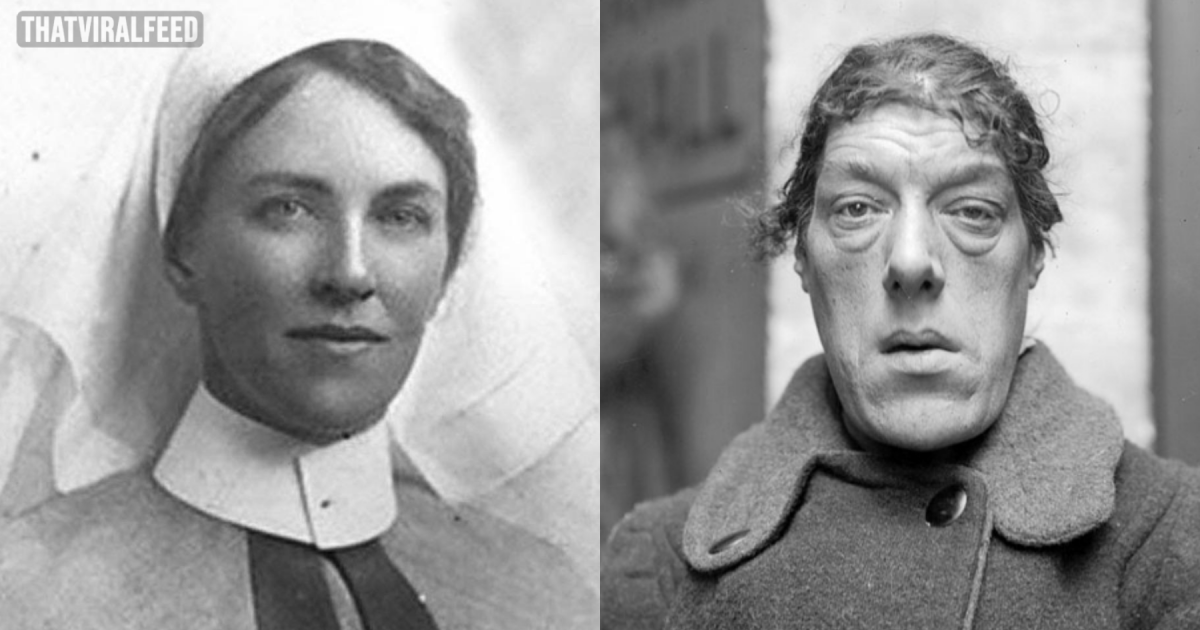
The Heartbreaking Life Of Mary Ann Bevan, The 'Ugliest Woman In The World'
By
Haider Ali in
History
On 24th June 2023
advertisement
Mary Ann Bevan, once a beautiful Englishwoman, was diagnosed with acromegaly in the early 1900s. To provide for her children, she ended up working in sideshows and circuses, where her condition became a source of attention.
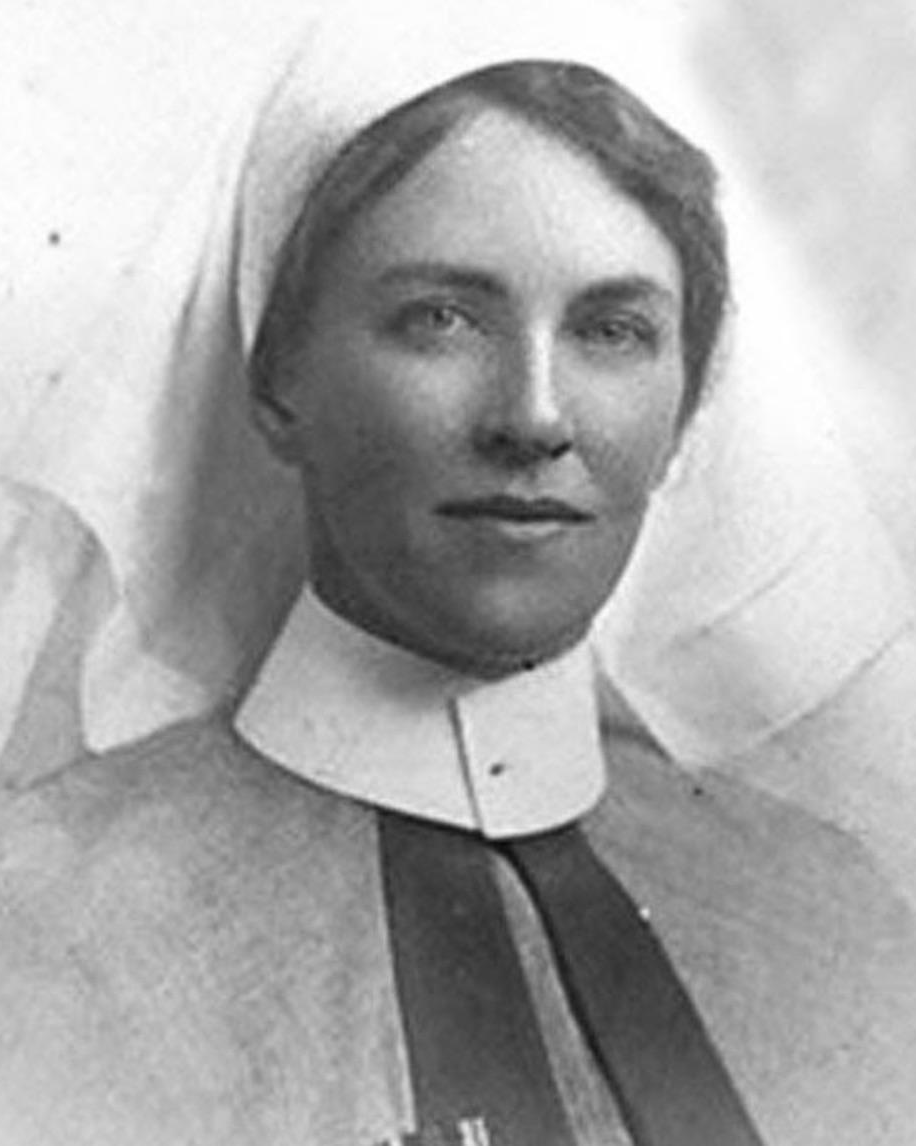
Things hadn’t always been that way for Mary Ann Bevan. Born in the late 19th century just outside London, she was once considered quite charming and pleasant-looking in her youth. No one at the time would have thought to call her "ugly."
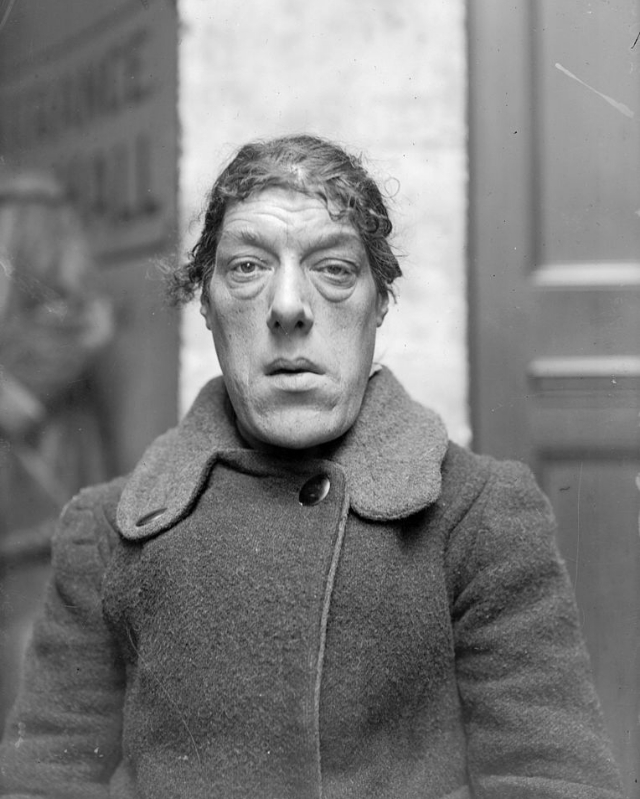
Everything started to change when she was already an adult and had given birth to her children. It was then that she received a diagnosis for a rare and disfiguring medical condition.
Her hands, feet, and facial features began to change dramatically in a short period of time. But instead of hiding, Bevan found a way to use her appearance to earn a living.
This is the remarkable and heartbreaking journey of Mary Ann Bevan, one of the most well-known figures from the once-popular sideshow world, and how she came to carry the title of the Ugliest Woman in the World just to take care of her family.
Born as Mary Ann Webster on December 20, 1874, she came from a large family living just outside of London.
advertisement
This is the story of Mary Ann Bevan, one of the most tragic figures in the once-thriving sideshow industry, and how she came to be known as the Ugliest Woman in the World in order to provide for her family.
Mary Ann Webster was born on December 20, 1874, to a large family outside of London.
She had a fairly typical upbringing, similar to that of her siblings. In 1894, she proudly earned her license to work as a nurse.
In 1903, she married a farmer named Thomas Bevan, who lived and worked in Kent County.
advertisement
Soon after her husband passed away, Mary Ann began to experience symptoms of a rare disorder known as acromegaly, a condition where the pituitary gland produces excessive growth hormones.
Acromegaly is considered one of the rarer pituitary disorders and can be treated today if caught early enough. But back in the early 20th century, medical treatments were limited.
Without access to proper care, Bevan had no way of stopping the progression of her condition and eventually saw her appearance change beyond recognition.
advertisement
advertisement
The disease caused her hands and feet, once average in size, to grow significantly.
Her jaw extended outward, and her nose became visibly larger.
Because of these changes to her appearance, it became incredibly difficult for Bevan to keep a job.
To make ends meet, she turned to any work she could find, often taking on small and irregular jobs.
advertisement
The rare condition altered her permanently. Years later, a former fairground worker claimed that a farmer she worked for was the one who told Bevan that "all [she was] fit for [was] the ugly woman competition."
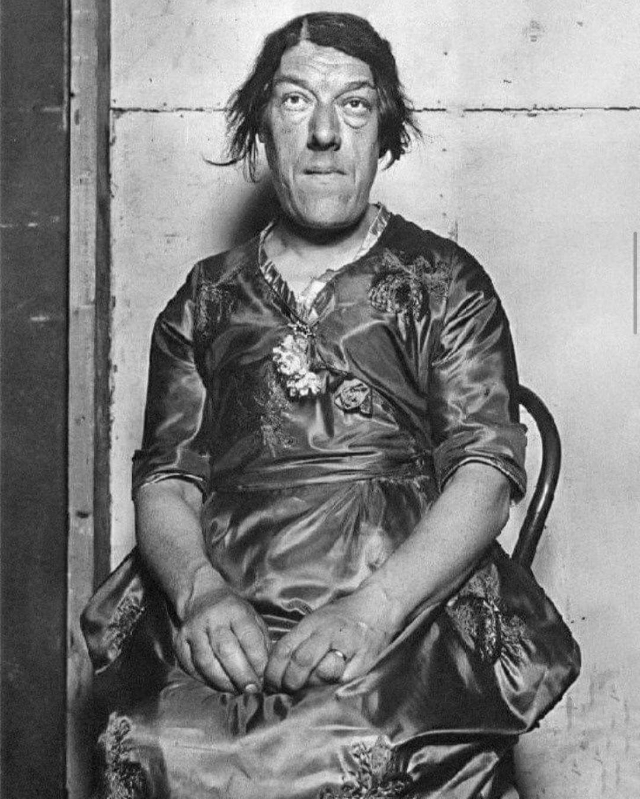
Taking that advice to heart, Bevan entered the "Homeliest Woman" contest. Out of 250 women, she easily won the title that would define much of her public life.
advertisement
Knowing her condition was only going to worsen — as her doctor had warned — Bevan decided to make the most of the attention she was getting after winning the contest.
She turned to the sideshow scene to help provide for her children.
She soon found steady work performing at traveling carnivals across the British Isles, appearing at fairgrounds where audiences were both curious and captivated.
advertisement
In 1920, Bevan came across an ad in a London newspaper that read "Wanted: Ugliest Woman"
The posting promised good pay and long-term employment to whoever was chosen for the role, and nothing about it sounded demeaning.
According to a British agent working with Barnum and Bailey’s circus — the company that placed the ad — Bevan had "the face of an ugly woman that was not unpleasant,"
It was a strange mix of features that, ironically, made her exactly what they were looking for.
advertisement
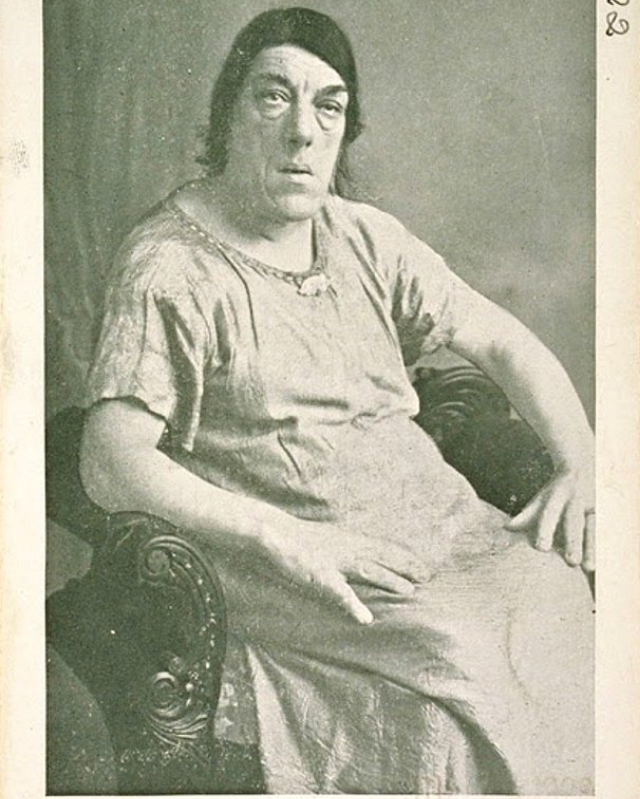
Bevan sent the agency a photograph taken specifically for the application, and before long, she was invited to perform in the sideshow at Dreamland, the iconic amusement park on Coney Island. At the time, Dreamland was considered one of the biggest and most popular venues for sideshow acts in the entire world.
The attraction itself was the brainchild of Senator William H. Reynolds and promoter Samuel W. Gumpertz, a man who would go on to become a major figure in sideshow history and even collaborated with the legendary magician Harry Houdini.
At Dreamland, Bevan was showcased alongside some of the most famous sideshow performers of the era. These included Zip the "Pinhead,", Jean Carroll the Tattooed Lady, and Lionel, the man known as the Lion-Faced Man.
advertisement
Visitors to Dreamland were able to see Bevan’s striking features up close — her feet were a size 11, her hands a size 25, and she weighed 154 pounds on a 5'7" frame. Her physical presence was part of what drew such large crowds.
Despite the degrading nature of the role, Bevan carried herself with grace and strength.
She "smiled mechanically, offered postcards of herself for sale," Her earnings went toward her children’s futures, and even allowed her to continue learning as well.
As time went on, Mary Ann Bevan became even more popular. She eventually joined the renowned Ringling Bros. and Barnum & Bailey circus, which gave her an even larger platform to perform.
Within two years of performing in New York, she earned $25,431 — which would be equivalent to nearly $1.6 million in 2022 — a remarkable amount that reflected her success in the industry.
That income allowed her to take care of her children and give them opportunities she never had, a feat she was deeply proud of.
advertisement
Senator William H. Reynolds and promoter Samuel W. Gumpertz, who is regarded as one of the most prominent figures in sideshow history and eventually worked with Harry Houdini, came up with the concept for the attraction.
Other well-known sideshow performers including Zip the "Pinhead," Jean Carroll, the Tattooed Lady, and Lionel, the Lion-Faced Man, were also paraded with her.
Mary Ann also had friendships and relationships beyond the world of sideshows. While performing at Madison Square Garden in 1929, she began seeing a man named Andrew, who worked as a giraffe keeper.
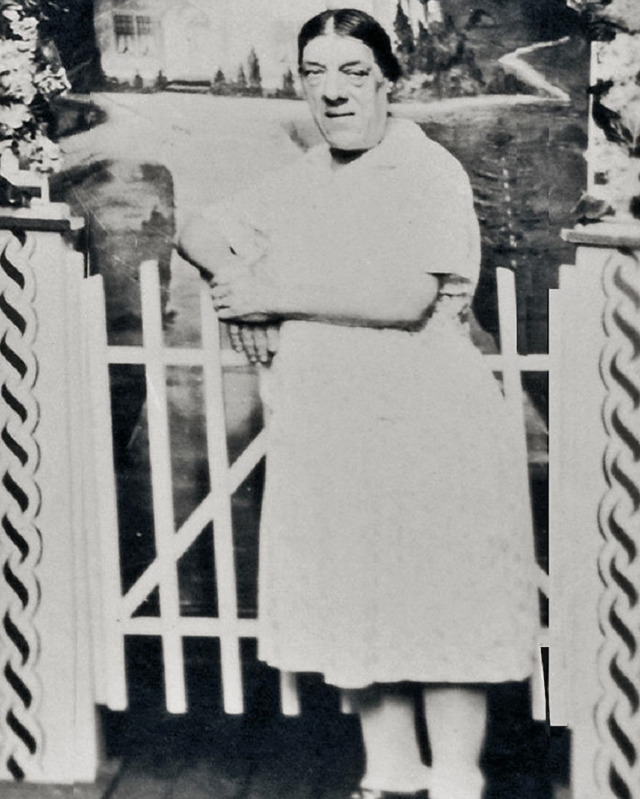
At one point, she agreed to visit a New York beauty parlor for a full makeover — including a straightened hairstyle, a manicure, a massage, and even full makeup.
The beauticians applied cosmetics to her face as part of the transformation, giving her a chance to see herself in a different way.
advertisement
After seeing her reflection post-makeover, Mary Ann simply said, "I guess I'll be getting back to work."
But others were far less kind. According to some cruel critics, "the rouge and powder and the rest were as out of place on Mary Ann's countenance as lace curtains on the portholes of a dreadnought."
Mary Ann Bevan spent the remainder of her life working at Coney Island, where she continued performing until she passed away on December 26, 1933, at the age of 59.
After her death, her body was brought back to her homeland, where she was laid to rest at Brockley and Ladywell Cemetery in Southeast London.
advertisement
For many years, Mary Ann Bevan's story was largely forgotten, remembered only by those who studied sideshow history.
But in the early 2000s, her face was used in a mocking way on a Hallmark greeting card, sparking public attention once again.
After people raised concerns about the card being demeaning and disrespectful, Hallmark removed it from circulation to prevent further offense to her memory.