

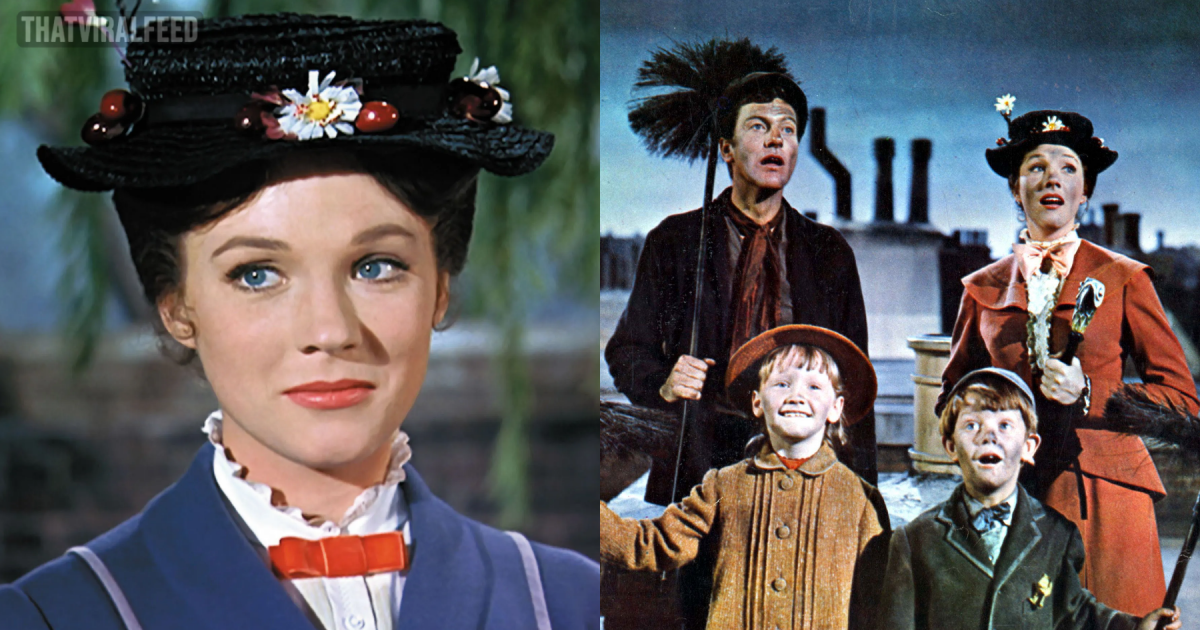
The beloved Disney classic "Mary Poppins," starring Julie Andrews and Dick Van Dyke, first graced screens in December 1964 and is on the cusp of celebrating its 60th anniversary.
advertisement
In honor of this milestone, the film is set to make a comeback in UK cinemas next month.
In anticipation of its re-release, the British Board of Film Classification (BBFC) took another look at the film's certification.
Initially awarded a 'U' rating, signifying it as 'suitable for all,' the BBFC has now revised its rating to PG, which stands for 'parental guidance suggested.'
This shift reflects the BBFC's concerns over certain scenes that might not be entirely appropriate for young viewers.
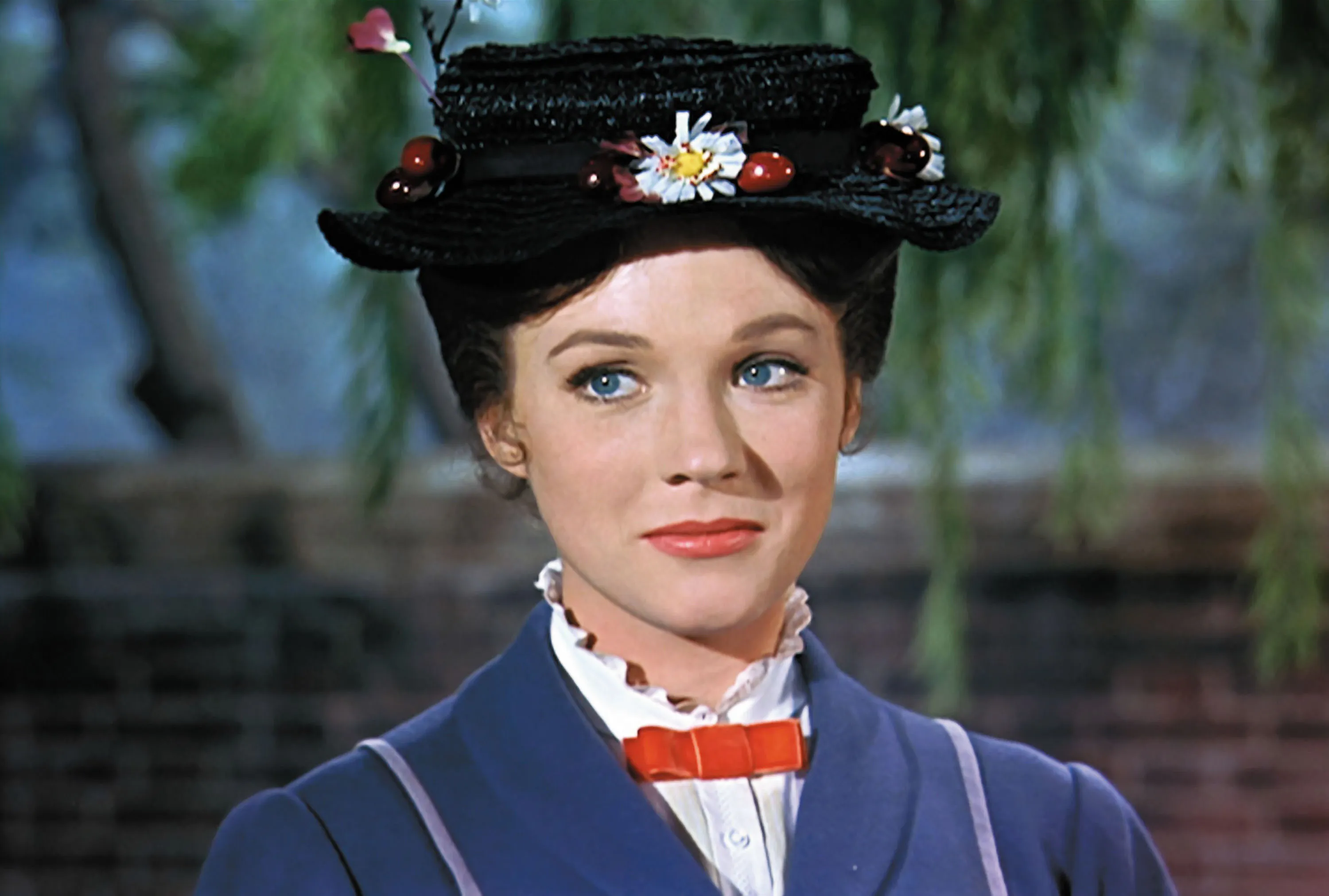
Credits: Donaldson Collection/Getty Images
The reclassification stems from the film's use of "discriminatory language," specifically the term "hottentots," which appears twice in the movie.
advertisement
This term, originating from the 17th century and used by white individuals to describe the Khoikhoi people—Southern Africa's first pastoralists—is now recognized as derogatory.
Notably, the character Admiral Boom employs this slur in the film, and his use of the term goes unchallenged by other characters.
A spokesperson for the BBFC elaborated on the decision, stating:
"We originally classified Mary Poppins U on its release in 1964, and again in 2013 for a theatrical re-release. Most recently, the film was resubmitted to us in February 2024 for another theatrical re-release, and we reclassified it PG for discriminatory language.
advertisement
"Mary Poppins includes two uses of the discriminatory term 'hottentots'. While Mary Poppins has a historical context, the use of discriminatory language is not condemned, and ultimately exceeds our guidelines for acceptable language at U.
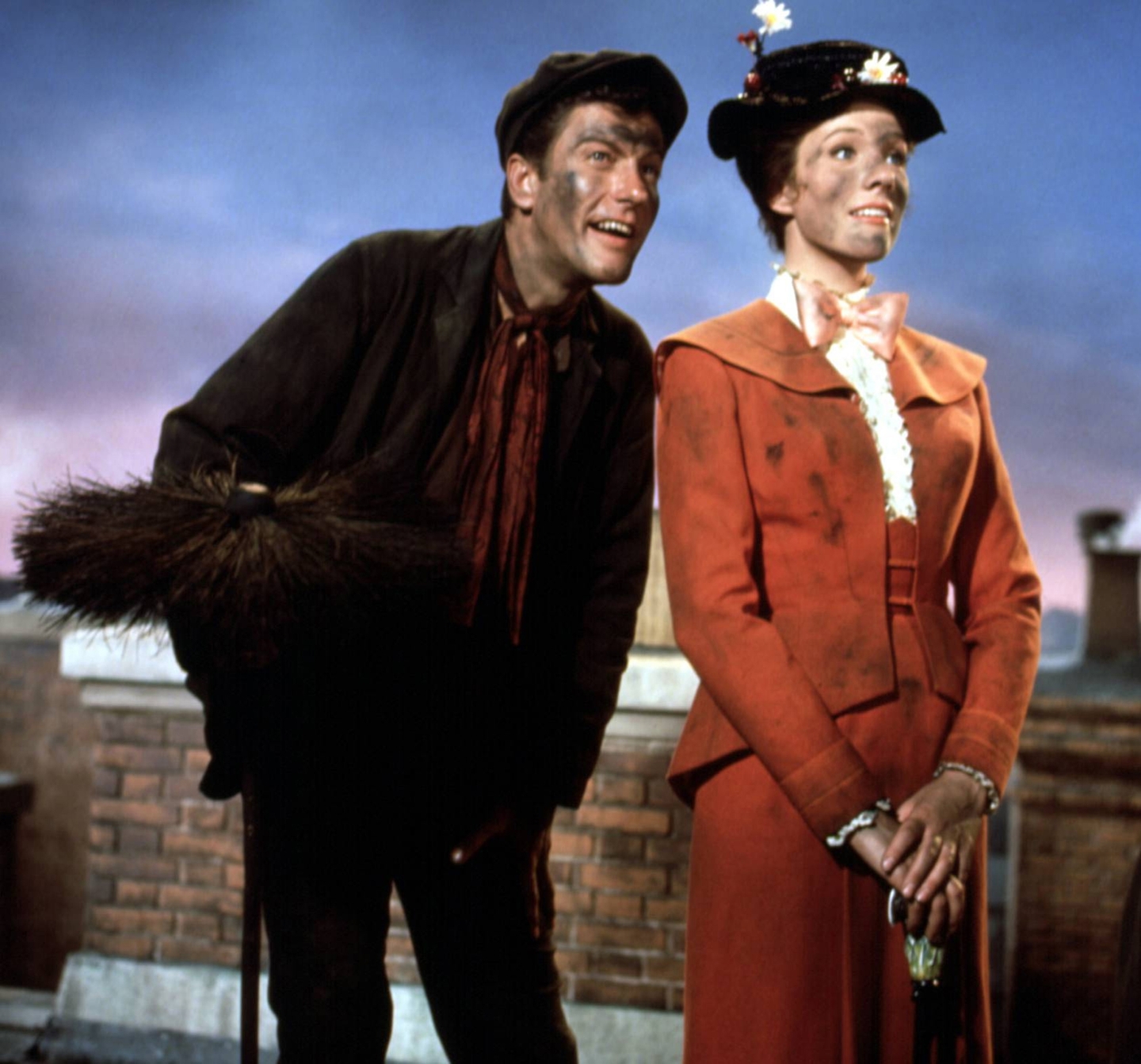
Dick Van Dyke and Julie Andrews in Mary Poppins.
Credits: Donaldson Collection/Getty Images
"We therefore classified the film PG for discriminatory language. We understand from our racism and discrimination research, and recent classification guidelines research, that a key concern for people, parents in particular, is the potential to expose children to discriminatory language or behaviour which they may find distressing or repeat without realising the potential offence.
advertisement
"Some language or behaviours are therefore not permitted at U or PG in any circumstance, or are wholly dependent on context. Content with immediate and clear condemnation is more likely to receive a lower rating."
The BBFC's decision has sparked a mix of reactions on social media.
advertisement
Some users have criticized the change as 'ridiculous,' expressing their disbelief that "Mary Poppins" would now require parental guidance for viewing.
One user commente: "Mary Poppins is trending because in 2024 it's been decided film should be changed from U to PG rating."
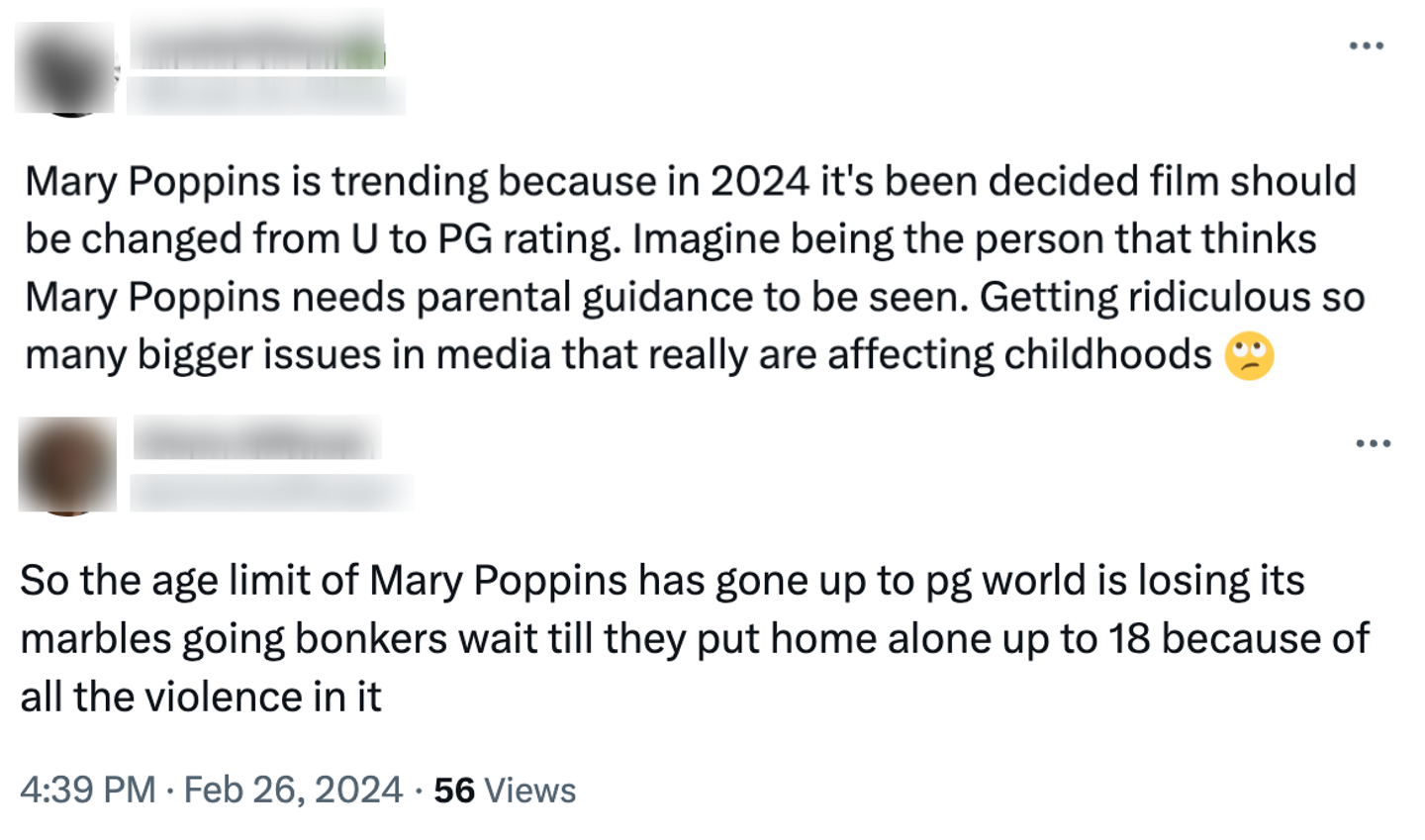
Some people have criticized the change.
Credits: X
"Imagine being the person that thinks Mary Poppins needs parental guidance to be seen. Getting ridiculous so many bigger issues in media that really are affecting childhoods."
advertisement
Another remarked: "Pathetic! We are helping children become afraid of their own shadows - the complete opposite to building resilience."
"The most ridiculous thing I have ever heard," echoed a third.
advertisement
However, not everyone views the new certification negatively.
Some individuals believe the change from 'U' to 'PG' isn't a significant issue.
"Don't really think a change from U to PG is that catastrophic," one person wrote.
advertisement
"Social standards change. This is normal," another added.
While someone else noted, "There are more things to get angry about in the world than Mary Poppins having the rating changed from 'U' to 'PG'."