

The new Barbie has been widely welcomed, though some people still had a few thoughts to share
advertisement
Social media users have been praising Mattel for releasing what many are calling an ‘accurate and real’ Barbie doll designed to represent autism.
The US toy company officially revealed the doll on Sunday, January 11, before it arrived in stores around the world the following day.
According to Mattel, the autistic Barbie was developed over an 18-month period, with direct guidance from the Autistic Self Advocacy Network to ensure the design felt thoughtful and authentic.
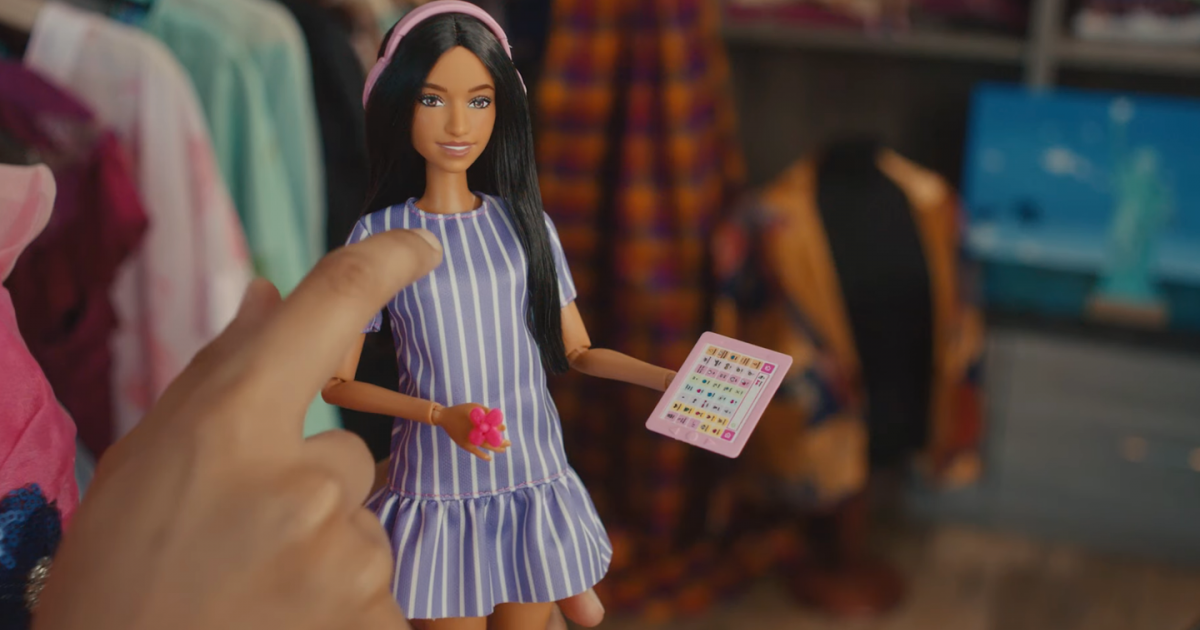
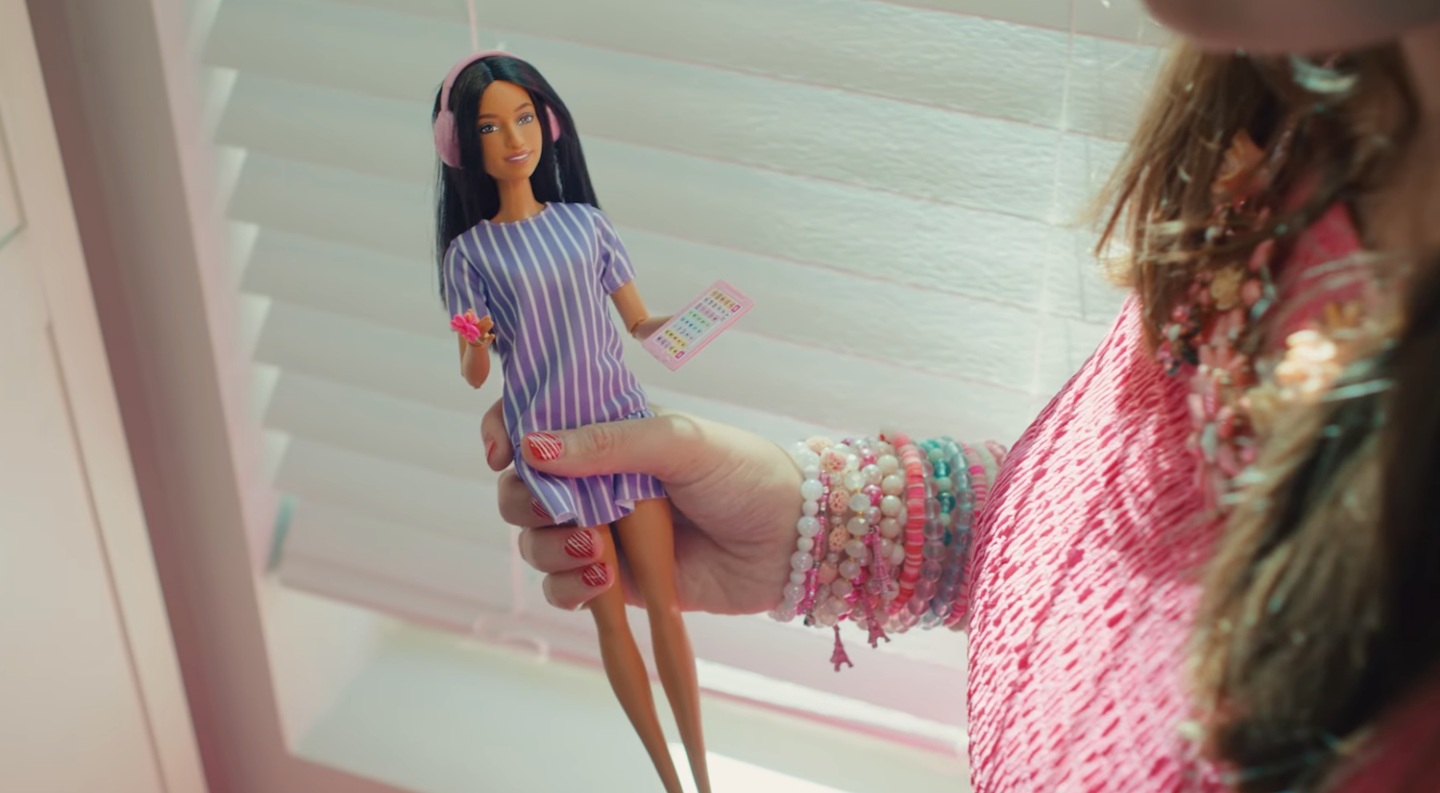
The doll includes moveable elbows and wrists, which allow for stimming movements such as hand flapping and other common gestures.
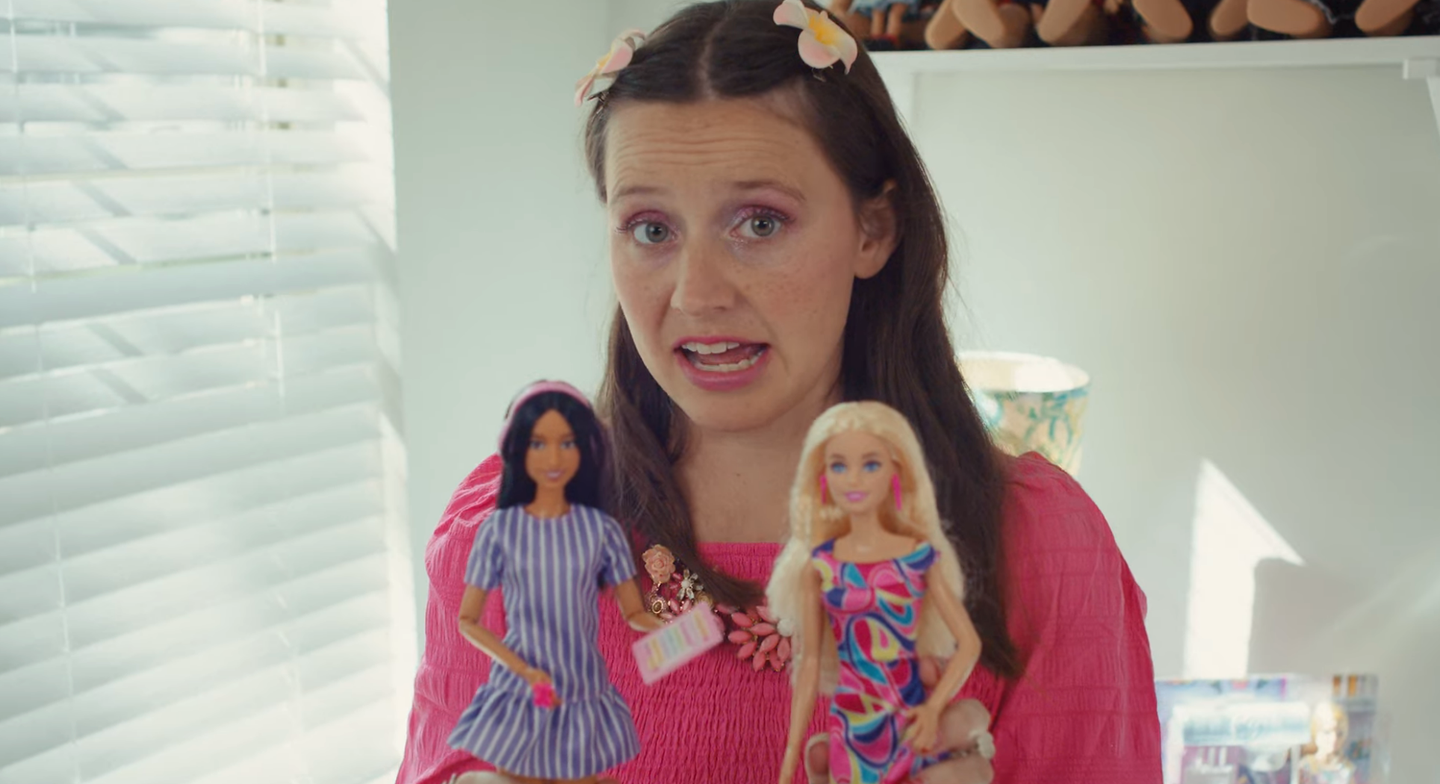
Its eye gaze is also angled slightly to one side, a detail that many parents and autistic adults immediately noticed and appreciated.
Each Barbie comes with a pink finger-clip fidget spinner, noise-canceling headphones, and a tablet, all items that some autistic people use to help with focus and sensory regulation.
She is dressed in a loose-fitting purple pinstripe dress with short sleeves and a soft, flowing skirt, a design choice intended to prioritize comfort.
The new Barbie doll represents people with autism
Mattel
advertisement
Estimates from the CDC’s ADDM Network suggest that around one in 31 eight-year-old children in the United States have been identified as having Autism Spectrum Disorder.
According to the Mayo Clinic, autism affects brain development and can shape how people perceive others and interact in social situations.
It may influence communication, social relationships, and patterns of behavior, which can sometimes include repetitive or restricted actions.
The Mayo Clinic also emphasizes that autism looks different for every child, with behaviors and needs varying depending on whether symptoms are mild, moderate, or more pronounced.
Jamie Cygielman, Mattel’s global head of dolls, said: "Barbie has always strived to reflect the world kids see and the possibilities they imagine, and we're proud to introduce our first autistic Barbie as part of that ongoing work."
"The doll, designed with guidance from the Autistic Self Advocacy Network, helps to expand what inclusion looks like in the toy aisle and beyond because every child deserves to see themselves in Barbie."
Following the announcement, many people took to social media to share their reactions, with the overall response leaning strongly positive.
Autistic Barbie has an off-centre gaze, unlike original Barbie dolls
Mattel
advertisement
One user on X, formerly Twitter, wrote: "They made an autistic barbie and she's looking at the ground (accurate and real)."
"Fair play, for such a massive company, it's lush to see how hard @Barbie are working to make dolls that represent a wide variety of kids," another person commented.
"Their new one has accessories that autistic children often use. That's such a big deal, when they're often othered in social settings."
advertisement
Commenting on the doll’s flexible wrists and elbows, one person wrote: "This is 100% my favourite feature, this is such a clever idea," alongside three crying-face emojis.
The response on Reddit was similar, with one member of the r/Barbie subreddit saying: "I literally let out a squeal of excitement when I saw this post!"
Another added: "I want this so bad for my daughter."
advertisement
Not everyone was sold on the doll’s outfit, however, with some people focusing their criticism on the clothing.
"She's cute. Dress is meh but I like her," one person wrote, while another agreed, adding: "Can't the doll have cool basics?"
A third commenter shared their view, saying: "Yeah the stripes are overwhelming to look at."
advertisement
The autistic Barbie arrives five months after Mattel released its type 1 diabetes Barbie, following the debut of the Down syndrome Barbie in 2024 and the blindness Barbie in 2023.
All of these dolls are part of Mattel’s inclusive Fashionista line, which the company says now includes more than 175 different looks.
Mattel has said the range is designed to help children better understand the world around them by encouraging play that reflects experiences beyond their own.