

The kitchen is stocked, the restaurant is ready, but customers still cannot buy a meal there.
advertisement
A McDonald's in California has been open since the 1970s, but it has never served a single paying customer. That may sound strange, especially since the company spent $1 million on the site.
Across the world, McDonald's is thought to bring in around $72 million to $75 million in revenue each day. That huge figure comes from more than 40,000 restaurants operating in over 100 countries.
Yet one of those 40,000 locations, tucked away in California, has never earned even one cent from a normal food order. It looks like a place where you could pull up, order fries, and leave with a bag of food, but that is not what it was built for.
Even without making money from customers, the franchise-style site has stayed open in the City of Industry in Southern California's San Gabriel Valley since the late 1970s.
Over the years, plenty of hungry drivers have pulled in after seeing what looks like a regular McDonald's. Many only found out something was off when they reached the drive-through and saw no employees waiting to take an order.
That is because this McDonald's branch is not really a fast-food restaurant in the usual sense. It is open as a working site, but not as a place where the public can walk in and buy a burger.
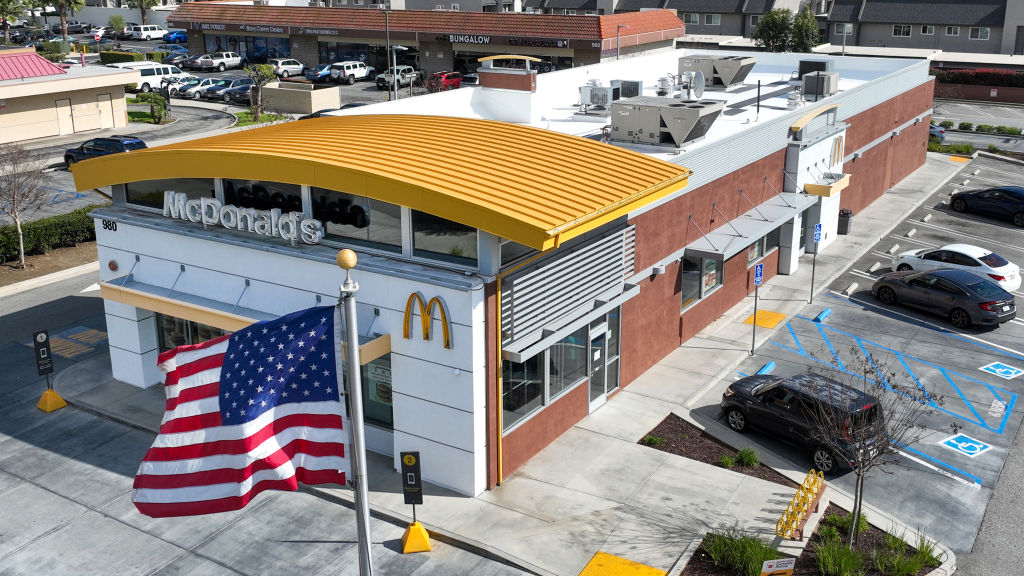
It's estimated that McDonald's rakes in $25 billion in annual revenue.
Robert Gauthier/Los Angeles Times via Getty Images
advertisement
Instead, the global fast-food chain created the lookalike restaurant so it could be used as a filming location for commercials and other production work.
The site was built in 1978 with a $1 million budget, giving McDonald's its own controlled place to shoot ads without shutting down a real restaurant or getting in the way of daily business.
From the outside, the building was made to look like a normal McDonald's location. Inside, it also copies the familiar setup, but a few important changes make it better suited for cameras than customers.
According to the Los Angeles Times, the ceilings inside the so-called McStudio are a little higher than ceilings in a standard McDonald's. That extra space helps crews fit the larger lighting equipment needed during filming.
The lower level includes a dressing room for actors and other talent working on shoots. Outside, even the trees can be moved, which gives production teams more control over how the restaurant looks on camera.
There are also no prices listed on the menu boards above the cash registers. That detail makes the set easier to update over time, since prices can change and old numbers could quickly make a commercial look dated.
advertisement
Before McDonald's built this purpose-made set, the company had to use real franchise locations when it wanted to film a commercial.
That came with a cost. The fast-food giant would have to pay a franchise about $5,000 a day in lost sales, because filming could disrupt the normal flow of customers and staff.
Although this mock McDonald's is used for filming, it is not just an empty shell made to look good on camera. The location can also produce real food when a shoot calls for it.
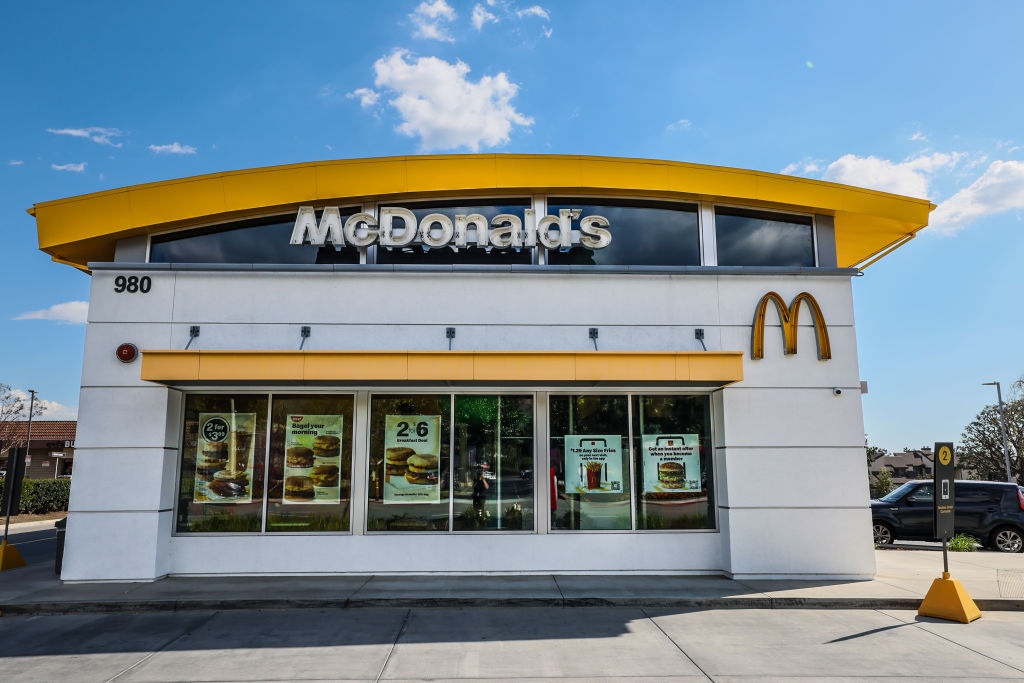
The global chain built the filming studio more than 50 years ago.
Robert Gauthier/Los Angeles Times via Getty Images
advertisement
The production center includes two working kitchens. One is fitted with McDonald's equipment such as baskets and griddles, while the other holds tools and extras like dry ice and sesame seeds so food stylists can prepare burgers for close-up shots.
Speaking to The Times in 1988, Linda Magruder-Briggs, who was the advertising production manager at the time, said: "We could be open for business tomorrow if we wanted."
The location of the set was also chosen with care. It was not placed there by chance, and its spot in Southern California made it far more useful for the kind of work McDonald's needed to do.
advertisement
Because the site is close to Hollywood, actors, crews, and other production staff can travel to and from the restaurant with less hassle.
That access helped make the McStudio a busy filming space. By 1988, around 1,000 commercials had already been filmed there, showing how useful the unusual restaurant had become for the company.
So while it may look like a McDonald's that missed its chance to serve the public, it has had a very different job for more than 50 years. Its purpose has been to sell the image of McDonald's, not the meals themselves.