

It seems like falling in love might be easier in the future as according to scientists 'love potions' will be available in a few years that will make it possible for people to spark romance with partners of their choice with the help of these drugs. However, Dr. Anna Machin, an evolutionary anthropologist has warned about the ethical dilemma of these kinds of drugs.
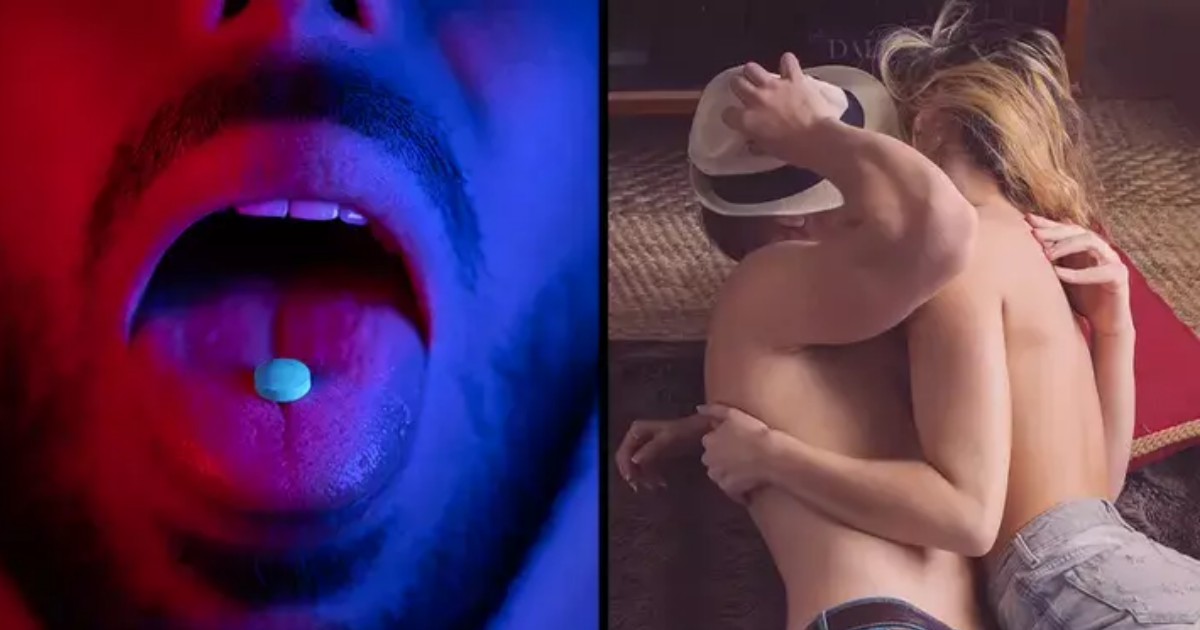
MDMA "Love Potions" That Will Make People Fall In Love Will Be Available Within A Decade
By
Aleena in
Science and Technology
On 10th June 2022
advertisement
Drugs that use the oxytocin 'cuddle hormone' or even tiny doses of ecstasy to stimulate romance and help couples fall back in love could be available in a matter of years.
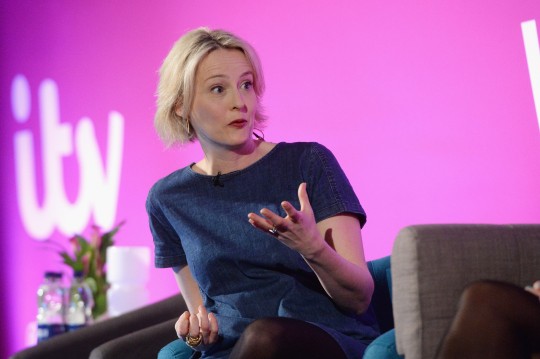
According to Oxford University anthropologist Dr. Anna Machin, certain drugs can mimic the effect of falling in love on the brain.
Getty Images
She told Cheltenham Science Festival: 'There are lots of ethical questions… but love drugs are certainly on the horizon.'
She added: 'We know enough now about the neurochemistry of love to probably suggest some things you could take to enhance your abilities to find love – or to increase the possibility that you will stay in love when it's getting a little bit tricky.'
advertisement
‘And certainly one of the frontiers of love research commercially – can you imagine how much money you make? – is in exploring these possible love drugs.’
In fiction, love potions play an important role. Consider Shakespeare's Midsummer Night's Dream and the comedy that ensues after Titania is given an aphrodisiac to fall in love with Bottom.
Getty Images
However, Machin is confident that a real-life version will be available within the next three to five years.
‘Oxytocin could be available within a decade for people to squirt up their nose before they go out on a Saturday night – at the same time as a glass of prosecco.’
advertisement
She added: ‘There are more ethical questions surrounding MDMA [ecstasy] so that is likely to take longer.’
Hugging raises oxytocin levels in the human body. 'It could help people become more confident when dating and help them fall in love,' said Dr. Machin, author of Why We Love.
advertisement
Dr. Gillinder Bedi, author, explained: “We found that MDMA produced friendliness, playfulness, and loving feelings, even when it was administered to people in a laboratory with little social contact. We also found that MDMA reduced volunteers' capacity to recognize facial expressions of fear in other people, an effect that may be involved in the increased sociability said to be produced by MDMA.”