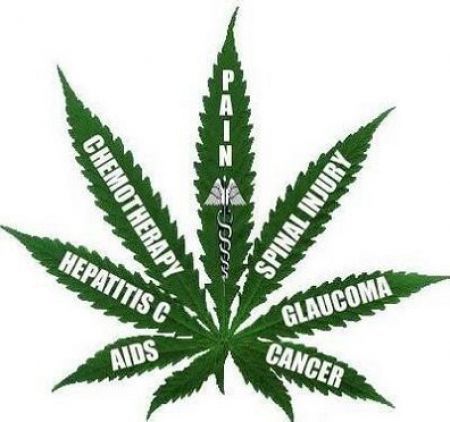
If you have any of these ailments you may want to read this:
Aid/HIV, Glaucoma, Hepatitus C, Cancer, Crohns Disease, Chmotherapy, Spinal Injury, Pain, High Blood Pressure


If you have any of these ailments you may want to read this:
Aid/HIV, Glaucoma, Hepatitus C, Cancer, Crohns Disease, Chmotherapy, Spinal Injury, Pain, High Blood Pressure
This is no secret One of the most common uses of Marijuana is to relieve Nausea. Jamaican women have been using Cannabis to relieve nausea in early pregnancy. Now don't get your feather in a ruffle. Studied have been conducted and there is no evidence of any negative effects on the babies born to these women. They even followed up with a five year study on the children and still no negative effects. In fact these studies prompted more studies because the opposite was found that these children seemed to excel in comparison to children who's mother abstained from cannabis in early months.
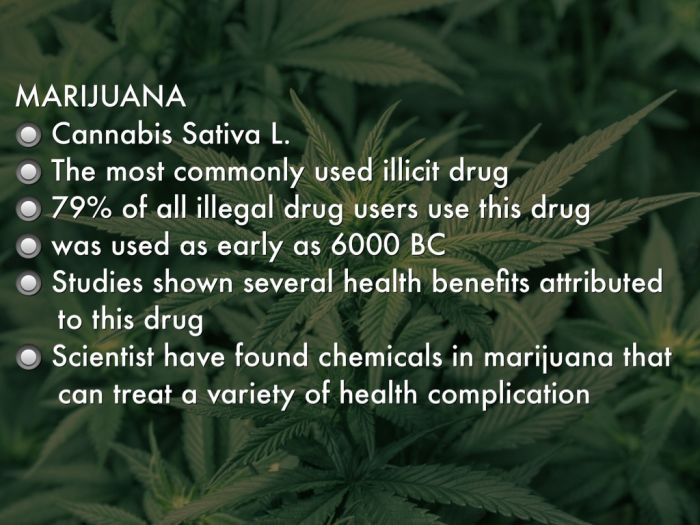
IT is estimated that 20% of the population lives with chronic pain. Is it any wonder we have an pain pill and heroin addiction epidemic on our hands?
New studies indicate that treating chronic pain with inhaled cannabis helps to significantly reduce the amount of opiates needed to bring relief. Substantially reducing the dependence on opiates.
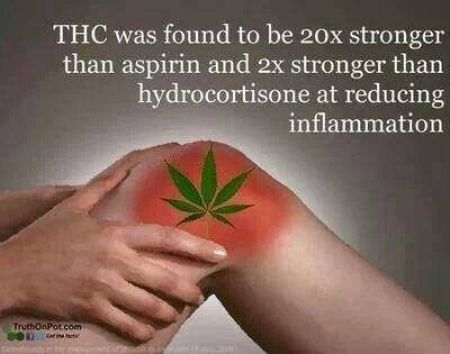
THC was found to be 20 times more effective than Aspirin and 2 times more effective than Hydrocortisone at reducing inflammation.
While the exact cause is not know what we do know is that seizure are electrical impulses throughout the entire brain, which distorts consciousness. The other thing we know is that there is a reduction in both frequency of incidence and severity of seizures in people treated with cannabinoids.
Crohn's disease affects between 400,000 and 600,000 people in North America. There is no known pharmaceutical of surgical treatment or cure for Crohn's disease.
New Studies indicate that Cannabinoids inhibit gastrointestinal mobility relieving abdominal pain and discomfort for those suffering from many gastrointestinal disorders.. Cannabinoids also reduce inflammation and fluid retention.
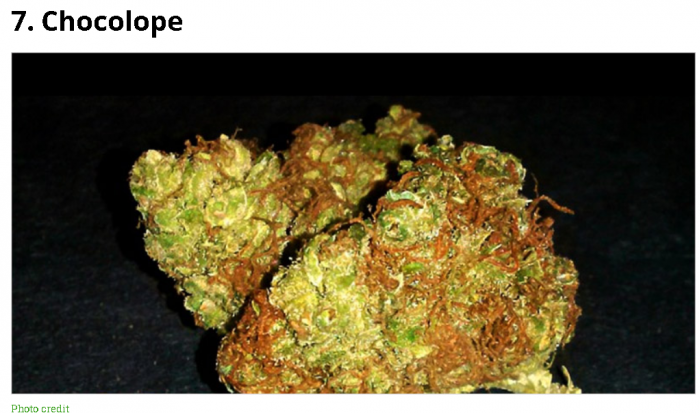
The active ingredient in Cannabis is as we all know THC. The FDA has approved THC in the form of Marinol and Cesamet by prescription for poor appetite in people with AIDS/HIV and other conditions.
The FDA has also approved THC, a key ingredient in marijuana, to treat nausea and improve appetite. It's available by prescription Marinol (dronabinol) and Cesamet (nabilone).
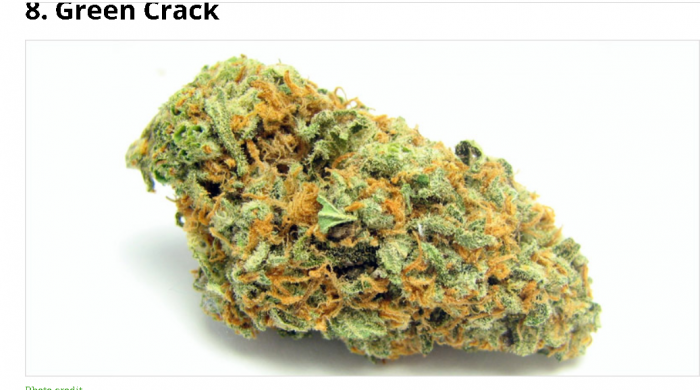
A very common reason for using Marijuana is relief from stress ans anxiety. More beneficial than benzodiazepines because Cannabis does not increase depression in individuals prone to depression. Relieves anxiety without increasing depression.

Studies are being conducted now on the benefits of Cannabis for people with psychiatric disorders, primarily Bi-Polar and depression. With the overwhelming problems and side effects associated with customary Antidepressant medications Medical Marijuana for these disorders could bring enormous relief to those who suffer from common side effects of current psychiatric medications.
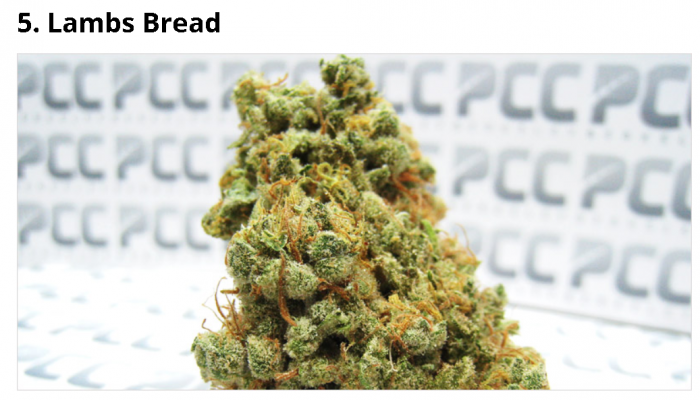
Finally...This has been coming since 2014. But it is finally going legal for vets with PTSD Nearly a fourth of our vest are suffering with PTSD and recent approval by the FDA will allow relief for many.
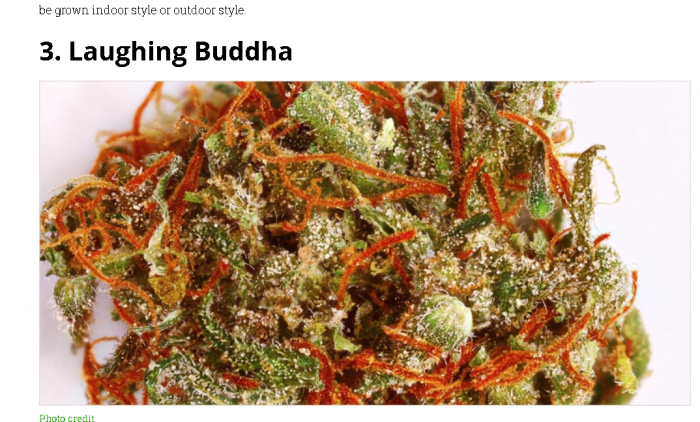
We've known this for years and it was one of the first uses for medical marijuana.
Marijuana works by reducing blood pressure causing a dilation of the blod vessels and capalaries. This is where the Red-eye syndrome comes into play.
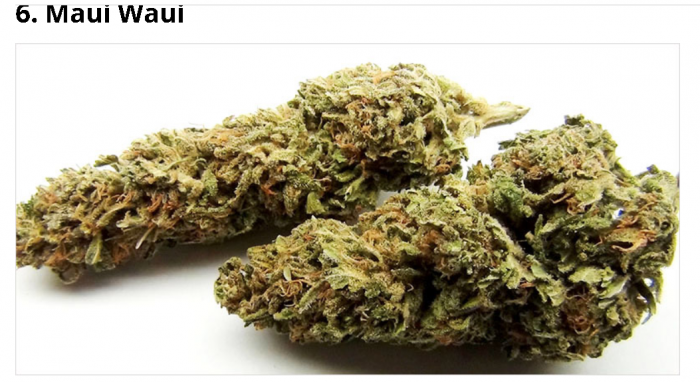
THC and other cannabinoids such as CBD slow growth and/or cause death in certain types of cancer cells growing in laboratory dishes. Some animal studies also suggest certain cannabinoids may slow growth and reduce spread of some forms of cancer. And of course we all know that cancer patients have used Marijuana to treat the debilitating Nausea and sickness associated with chemotherapy.
The American Cancer Society supports the need for more scientific research on cannabinoids for cancer patients, and recognizes the need for better and more effective therapies that can overcome the often debilitating side effects of cancer and its treatment. The Society also believes that the classification of marijuana as a Schedule I controlled substance by the US Drug Enforcement Administration imposes numerous conditions on researchers and deters scientific study of cannabinoids. Federal officials should examine options consistent with federal law for enabling more scientific study on marijuana.
Support for legalization is at 62 percent among adults under 30, 56 percent among those aged 30 to 49, 49 percent among those aged 50 to 64, but only 31 percent among those over 65 according to a recent Gallup poll.