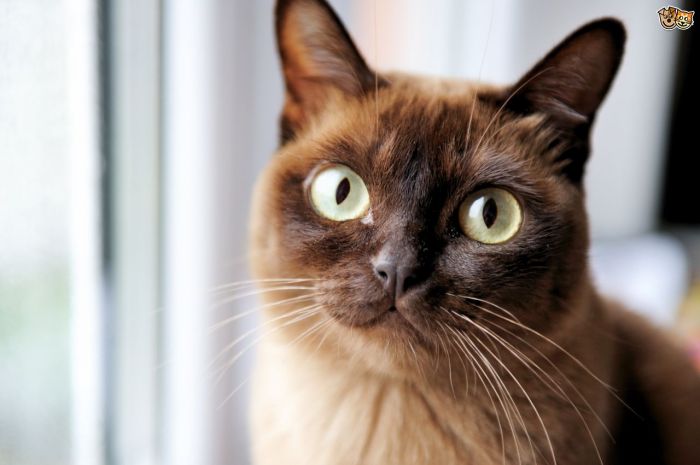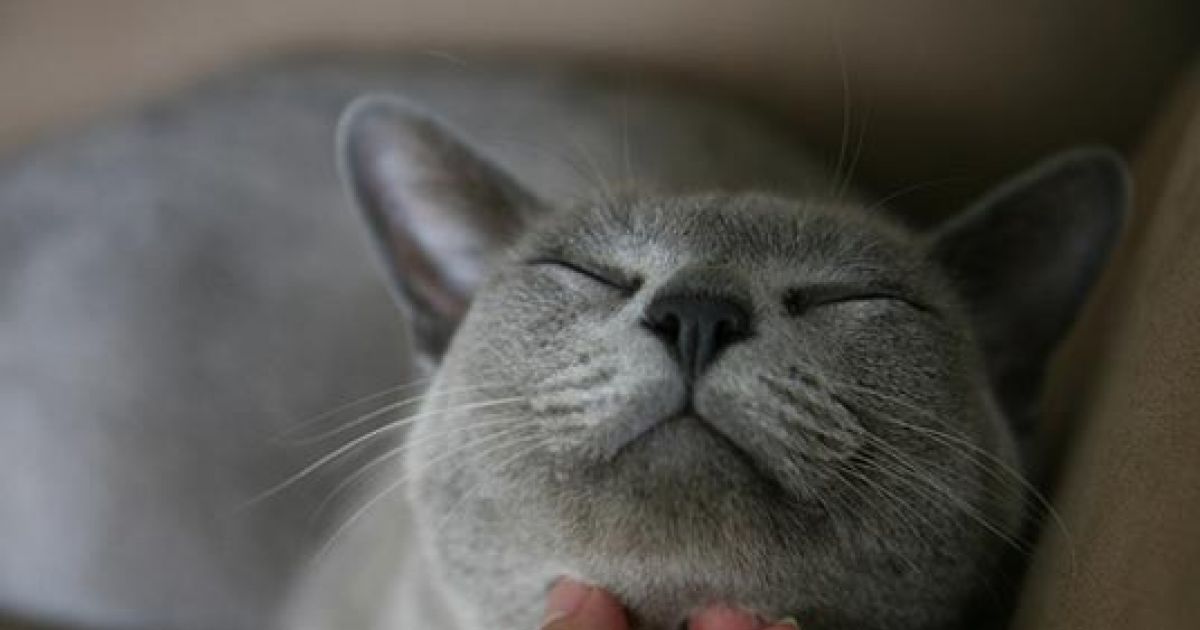
The classic description of the Burmese is that he feels like a brick wrapped in silk
more solid & substantial than his appearance would suggest.
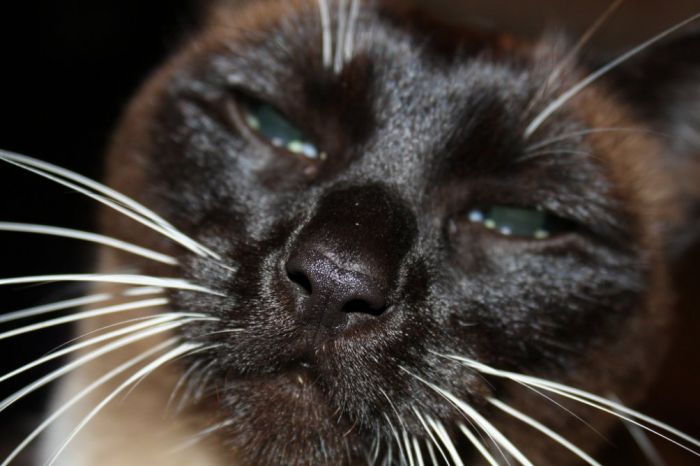
His short coat is silky to the touch, but beware:
Beneath that softness lies a cat who is ready, willing, and able to run your life with a single motion of his paw.
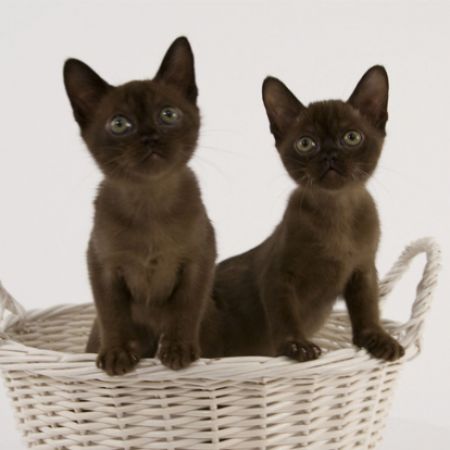
The Burmese loves his people and wants nothing more than to follow them around and make himself available for petting.
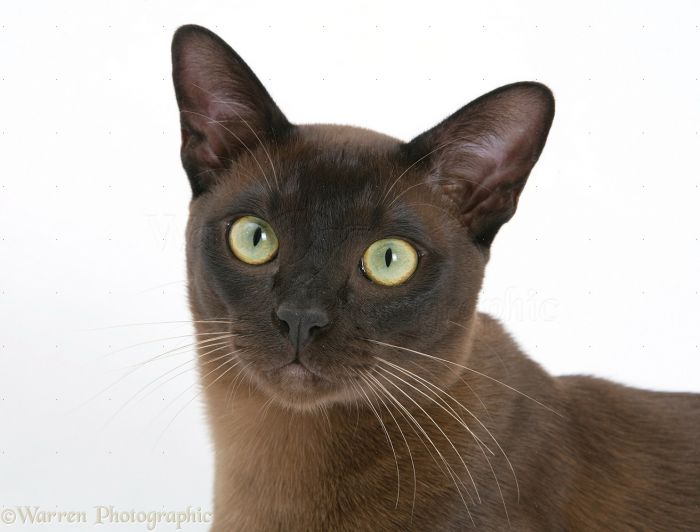
“They love to be with people,”
said Burmese expert Marie Denoyer of Sarasota, Florida, who has lived with the "engaging, delightful, young at heart" cats since 1980. "Burmese owners should have time in their day to engage in play activity with their cats."
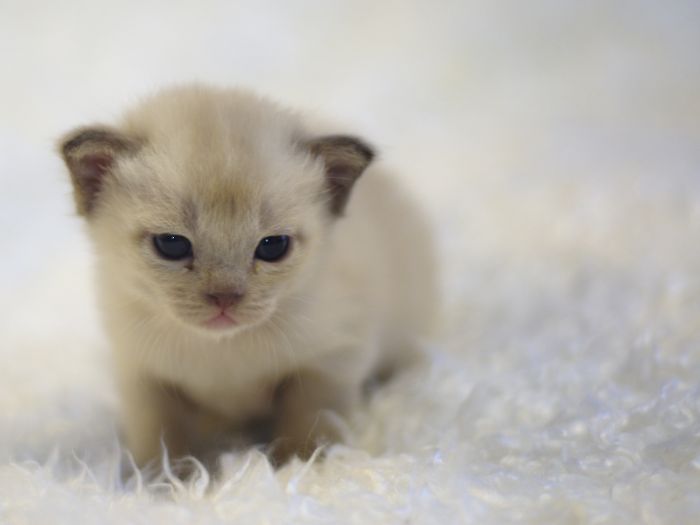
Burmese kittens are fearless and curious, always climbing and investigating.
They grow up to be playful adults and can often be found playing fetch.
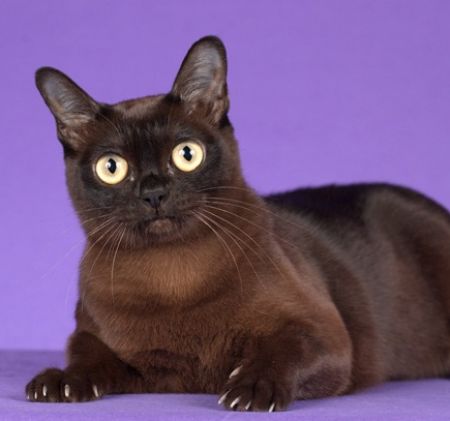
Burmese want to be with you all the time, ideally on your lap.
You might find yourself running errands just to get a break from this lovingly demanding cat. If you don't want to be that close to a cat, the Burmese probably isn't for you.
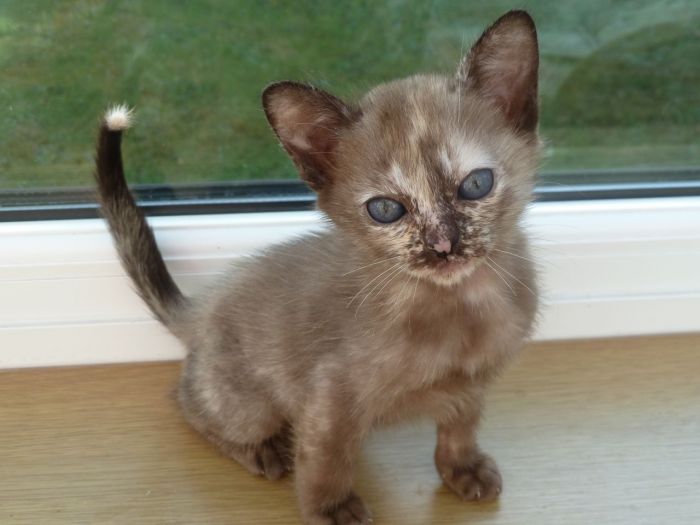
The best home for a Burmese is one with a person or family
who will give him lots of love and attention and make sure he always has a cozy lap whenever he wants.
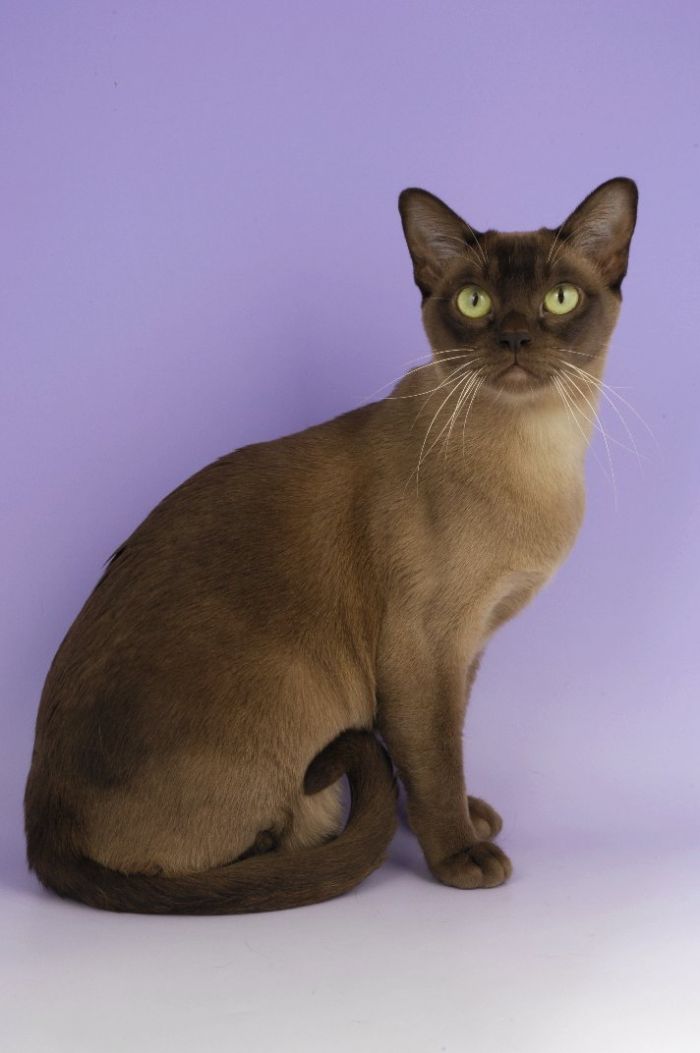
The Burmese is rather talkative, which isn’t surprising, because he is a cousin of the Siamese.
They're sometimes nicknamed "Chatty Cathy" for their habit of telling you their opinion on absolutely everything.
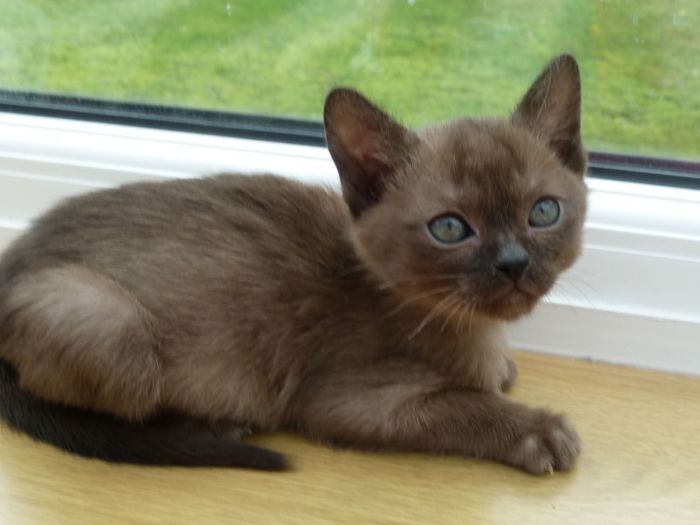
A healthy Burmese can live a long time
as long as 14 years or more. The record holder for the breed is a Burmese in Australia who lived to be 27 years old.
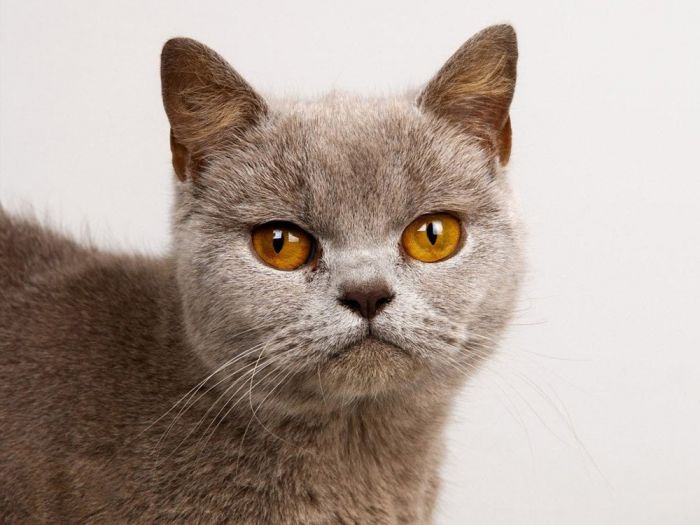
The Burmese has a low level of genetic diversity, according to a study conducted by feline geneticist Leslie Lyons.
Outcrossing to Bombays, Tonkinese, and Burmese-type cats imported from Southeast Asia is currently allowed in breed registries with the goal of improving the breed's genetic diversity.
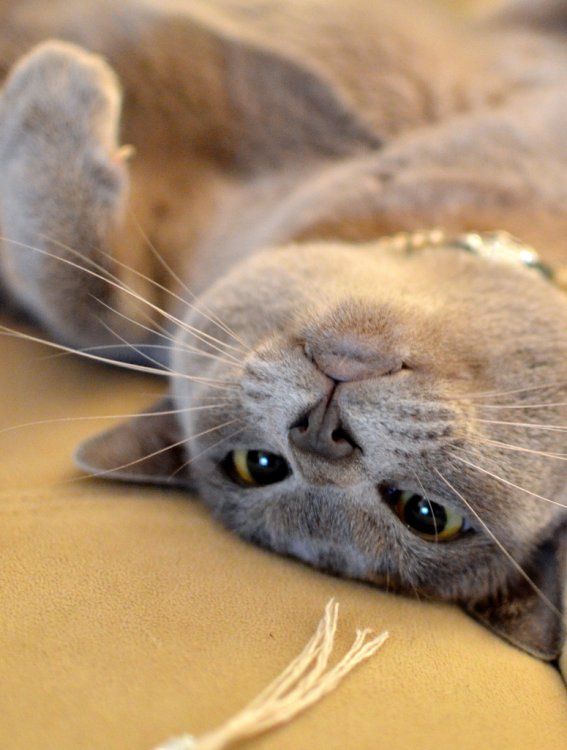
Health problems that might be seen in the Burmese include craniofacial deformity
which has been largely eliminated thanks to careful breeding practices as well as predispositions to kidney failure and diabetes mellitus.
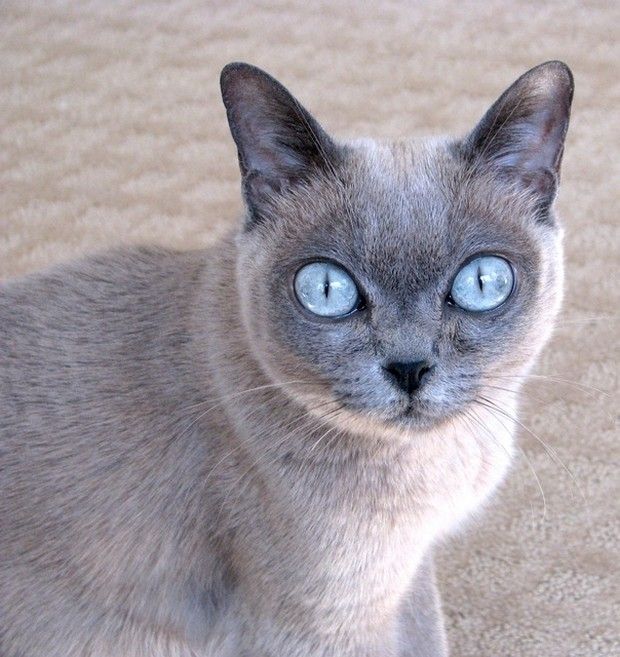
The Burmese originated in Southeast Asia and was developed in the United States.
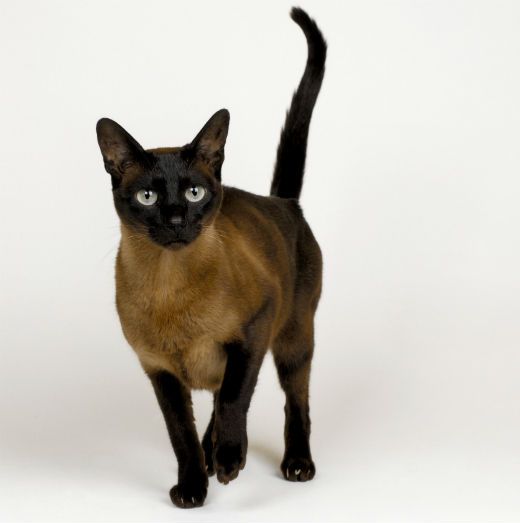
The Burmese breed came to the United States in 1930
when Dr. Joseph Thompson got a little walnut-brown cat he named Wong Mau in Burma hence the name Burmese.
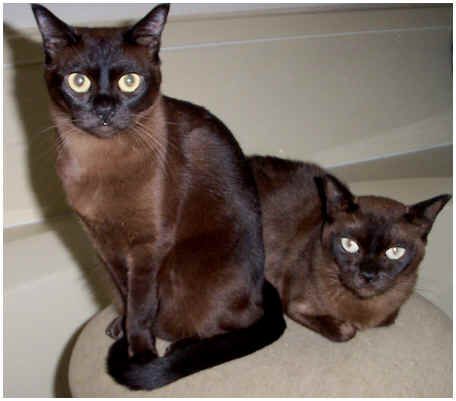
The Burmese is related to the Siamese.
Thompson, working with geneticist Billie Gerst, bred Wong Mau to Siamese cats to create the solid-brown breed.
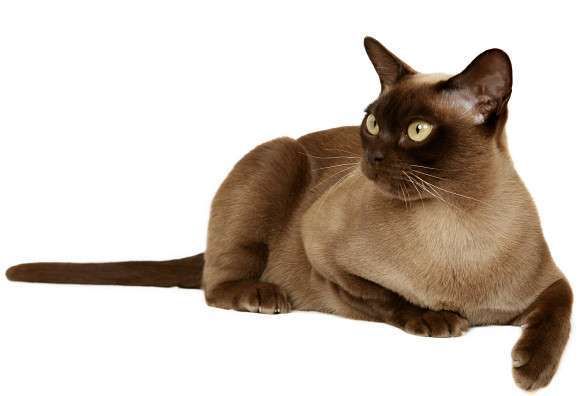
In fact, when the cats were first exhibited in Britain
at the Crystal Palace cat show in 1871, they were referred to as chocolate Siamese.
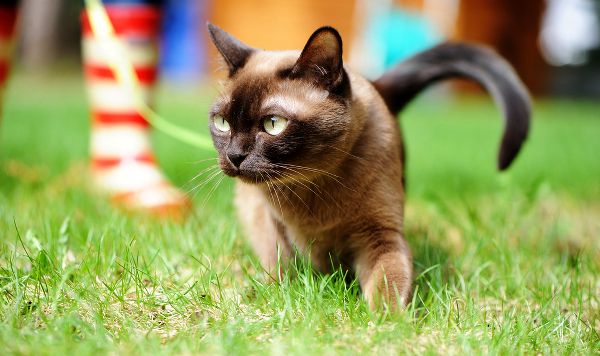
In 2014, the Burmese was the 16th most popular breed registered by the Cat Fanciers’ Association
out of 43. The European Burmese is ranked 32nd.
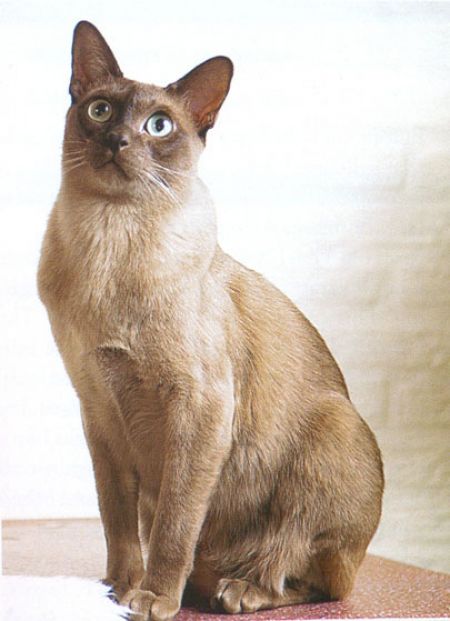
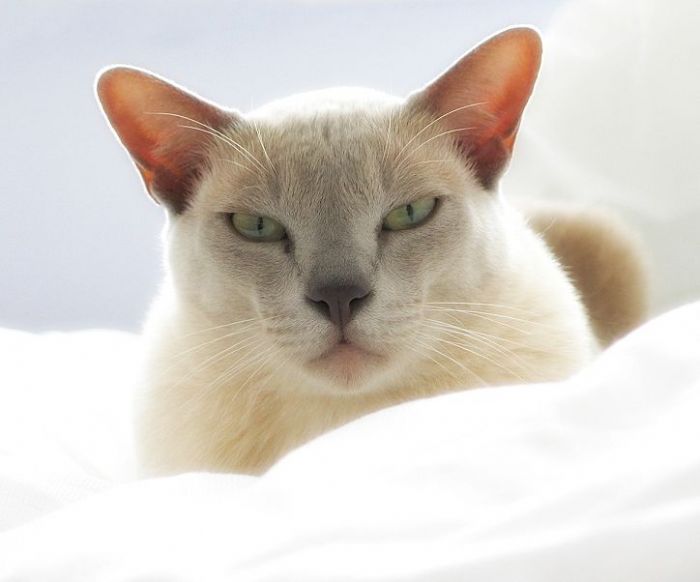
The Burmese comes in four recognized colors:
sable the beautiful dark, rich brown that most people associate with the breed blue, champagne, and platinum.
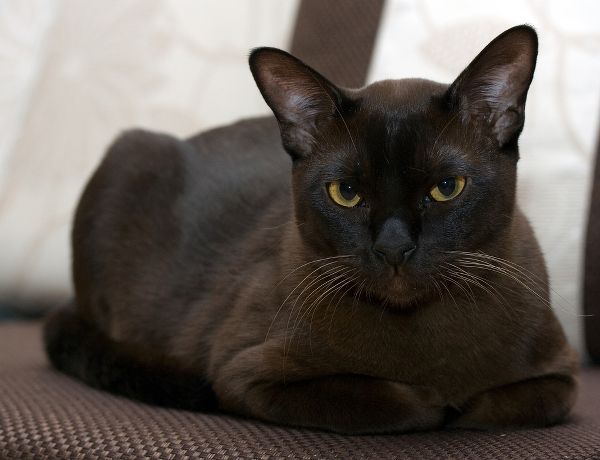
The cats also stand out for their large, golden eyes.
Burmese have been used to create three other breeds: the Tonkinese, Bombay, and Burmilla.
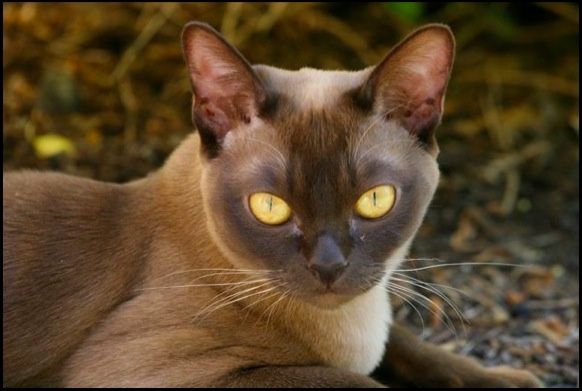
There are two types of Burmese.
The American Burmese is more substantial, with a compact and muscular body, broad head, and round eyes.
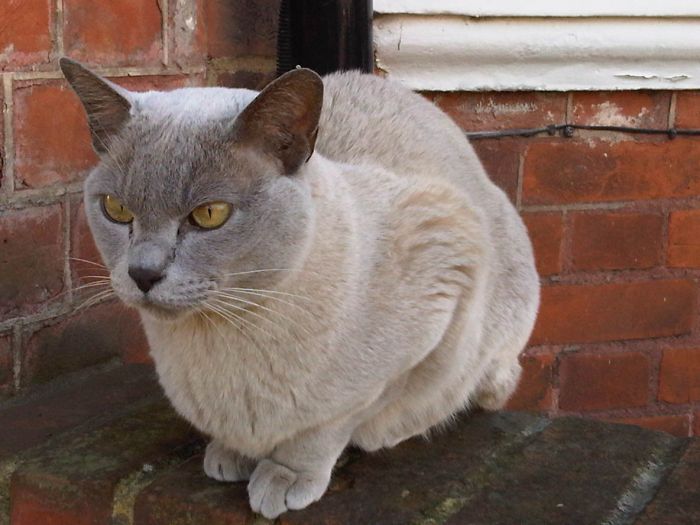
The European Burmese has a longer, more slender body with a wedge-shaped head, almond-shaped eyes, and large, pointed ears.
Both are sociable and talkative.