

Extra-terrestrial water is found for the first time in the meteorite that landed in UK. The meteorite crashed into a driveway in the Gloucestershire town of Winchcombe last February and is believed to hold clues about where the water in the Earth's vast oceans came from.
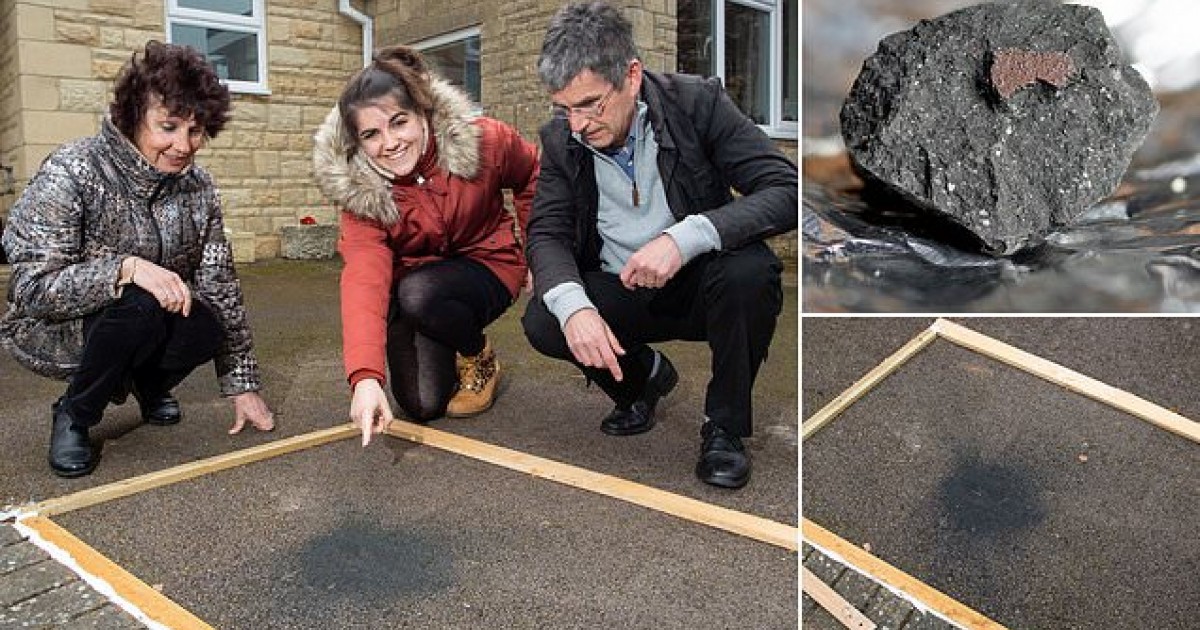
Meteorite That Fell On A Driveway In UK Contains Extra-terrestrial Water
By
Zainab Pervez in
Science and Technology
On 19th September 2022
advertisement
Extra-terrestrial water has been discovered for the first time in a meteorite that landed in the UK. Liquid from within the space rock closely resembles that in Earth’s oceans, giving an exciting clue to how life was seeded on this planet
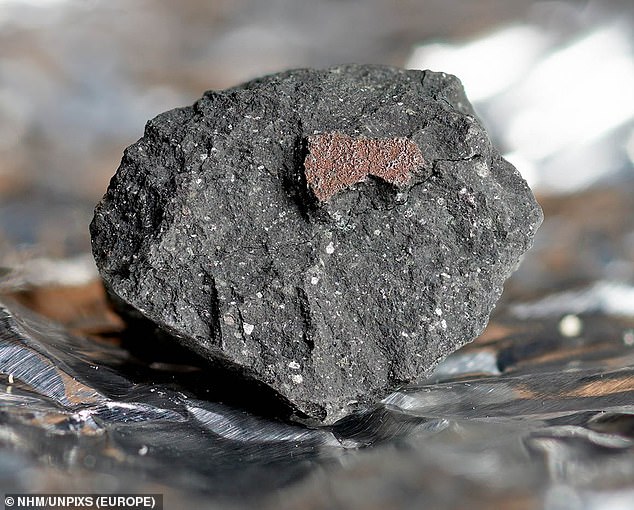
The chunk of space rock came from the asteroid belt between Jupiter and Mars, and crucially contains significant amounts of water which match closely to that on Earth, as well as amino acids - important building blocks of life.
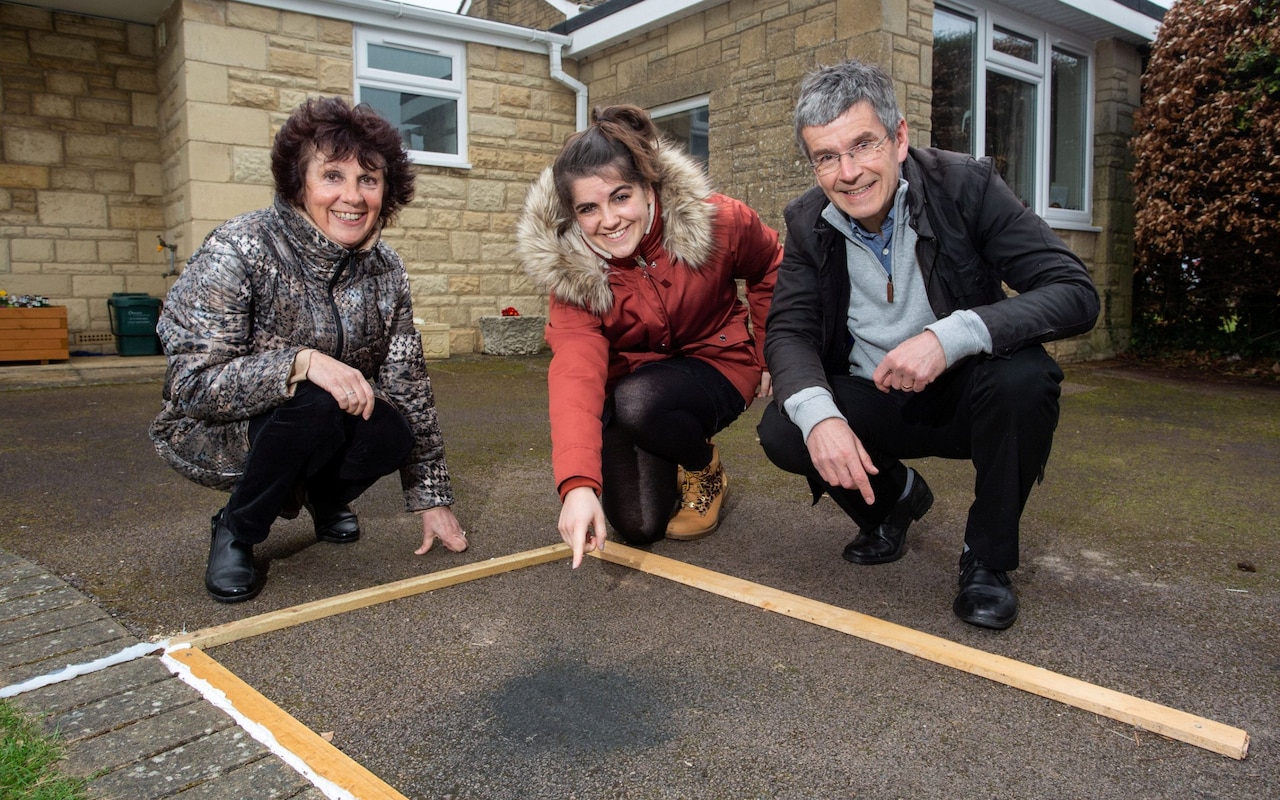
The Winchcombe meteorite landed on a driveway in Gloucestershire in February last year, and was found so soon after impact that researchers believe it is one of the most pristine ever discovered.
Sara Russell, a meteorite researcher at the Natural History Museum, described the meteorite's discovery as a 'once-in-a-lifetime event'.
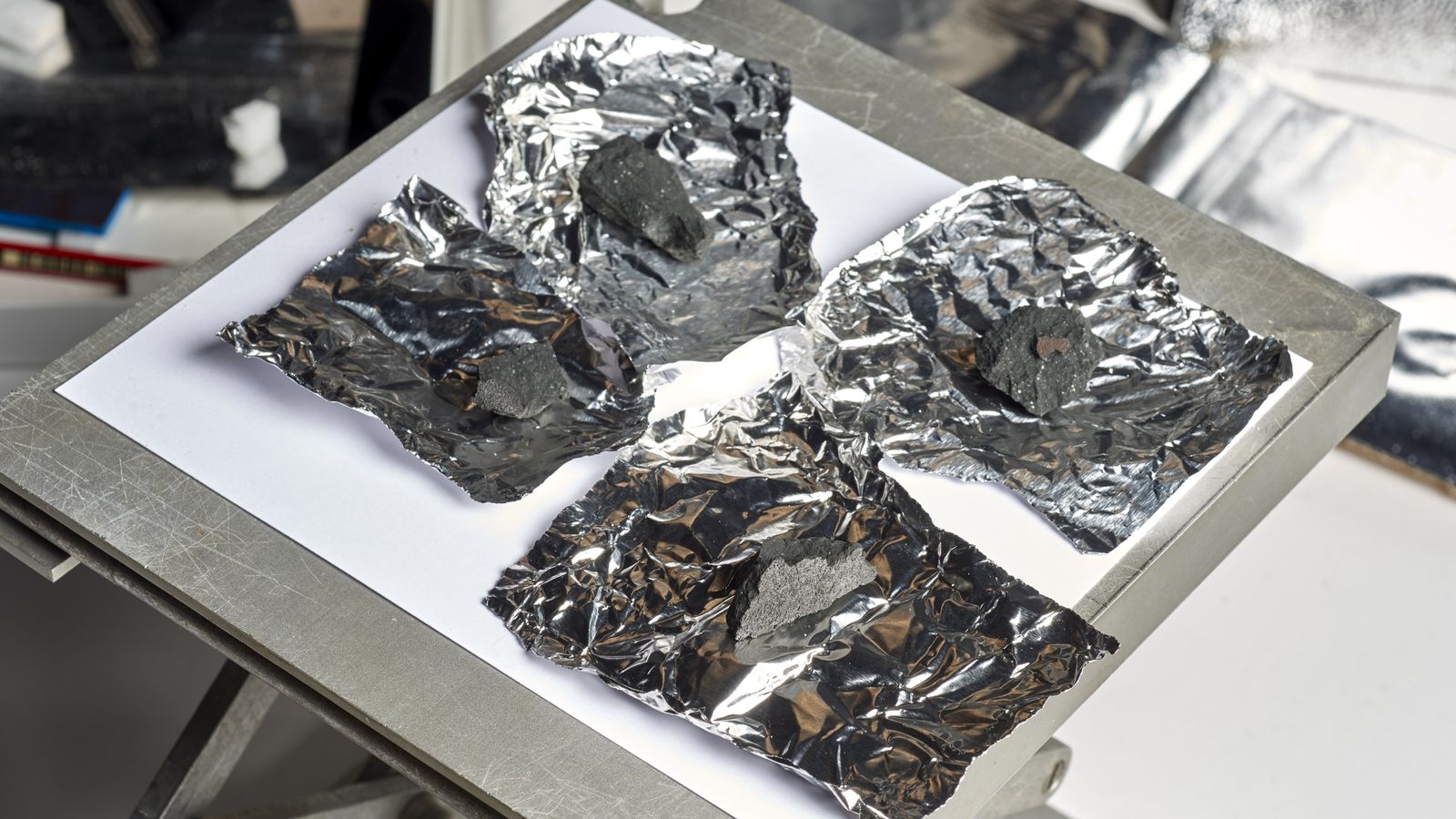
Very little survived from the dramatic crash landing, leaving a few pounds of material falling to Earth in Winchcombe. All of the pieces of meteorite material found in the town were then moved to the Natural History Museum.
advertisement
Dr Ashley King, of the Planetary Materials Group at NHM and the UK Fireball Alliance, told delegates at the British Science Festival in Leicester:
“What's really exciting for us for us is that Winchcombe meteorite was collected about 12 hours after landing, so the water that's in the rock hasn't been contaminated with the water that we have in our atmosphere. So it's basically really fresh.
“We can be really confident when we measure the water that it is extra-terrestrial water. The composition of that water is very very similar to the composition of the water in the Earth’s oceans.
“So it’s a really good piece of evidence that asteroids and bodies like Winchcombe were delivering really important contributions to the Earth’s oceans.
“It’s also got two per cent carbon, and a significant fraction of that is organic materials, like amino acids. If you want to start making DNA and stuff, you need amino acids, so all of these starting materials are locked up in the Winchcombe meteorite.”
"The composition of water on comets, at least a few that we visited, doesn't really match the earth's oceans, but the composition of the water in the Winchcombe meteorite is a much better match.
"So that would imply that carbonaceous asteroids were probably the main source of water for earth."
advertisement
The Winchcombe meteorite was originally part of a larger carbonaceous asteroid, which formed around 4.6 billion years ago, from the leftover planet building material of the early Solar System.
But after a chunk was knocked off, it took around 300,000 years to reach Earth, scientists believe. It contains around 12 per cent water, which is locked up in minerals in a kind of mud.
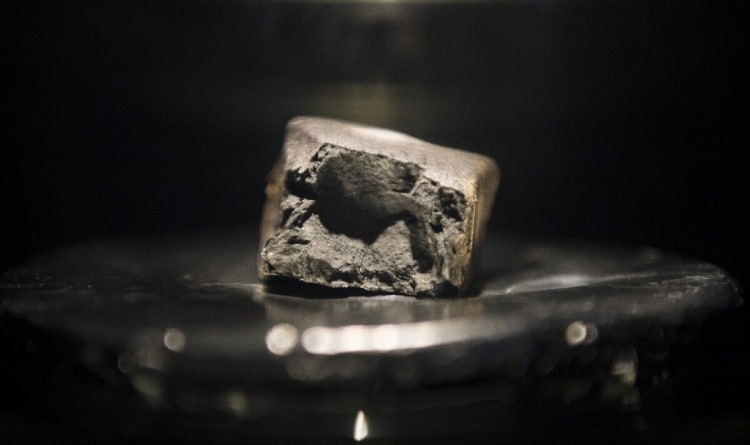
It was the first to be found in Britain since 1991, and fragments are now on display at the Natural History Museum.