

The tech giant’s ambitious Nokia gamble ended up costing far more than it delivered after the 2012 acquisition

Microsoft Spent Nearly A Decade And $7.6 Billion On A Product That No Longer Exists
By
maks in
Science and Technology
On 12th January 2026
advertisement
Microsoft spent nearly a decade trying to reshape the mobile phone market, investing heavily in an ambitious vision that ultimately never reached its full potential.
Instead of refining and continuing the project, the company shut down the entire division, which disappointed many users who had grown fond of devices like the Nokia Lumia.
In 2015, the global tech company announced it would cut 7,800 jobs and confirmed it had taken a massive $7.6 billion loss related to its mobile phone business.
This followed an earlier announcement in 2014, when Microsoft revealed it was eliminating 12,500 jobs tied to its Nokia operations, which it had acquired for $7.3 billion in 2012.
At the time, chief executive Satya Nadella said the company needed to rethink its direction, and despite early optimism, the Lumia line quietly came to an end in 2016.
"We are moving from a strategy to grow a standalone phone business to a strategy to grow and create a vibrant Windows ecosystem including our first-party device family," said Nadella, per The Guardian. "In the near term, we'll run a more effective and focused phone portfolio business while retaining capability for long-term reinvention in mobility."
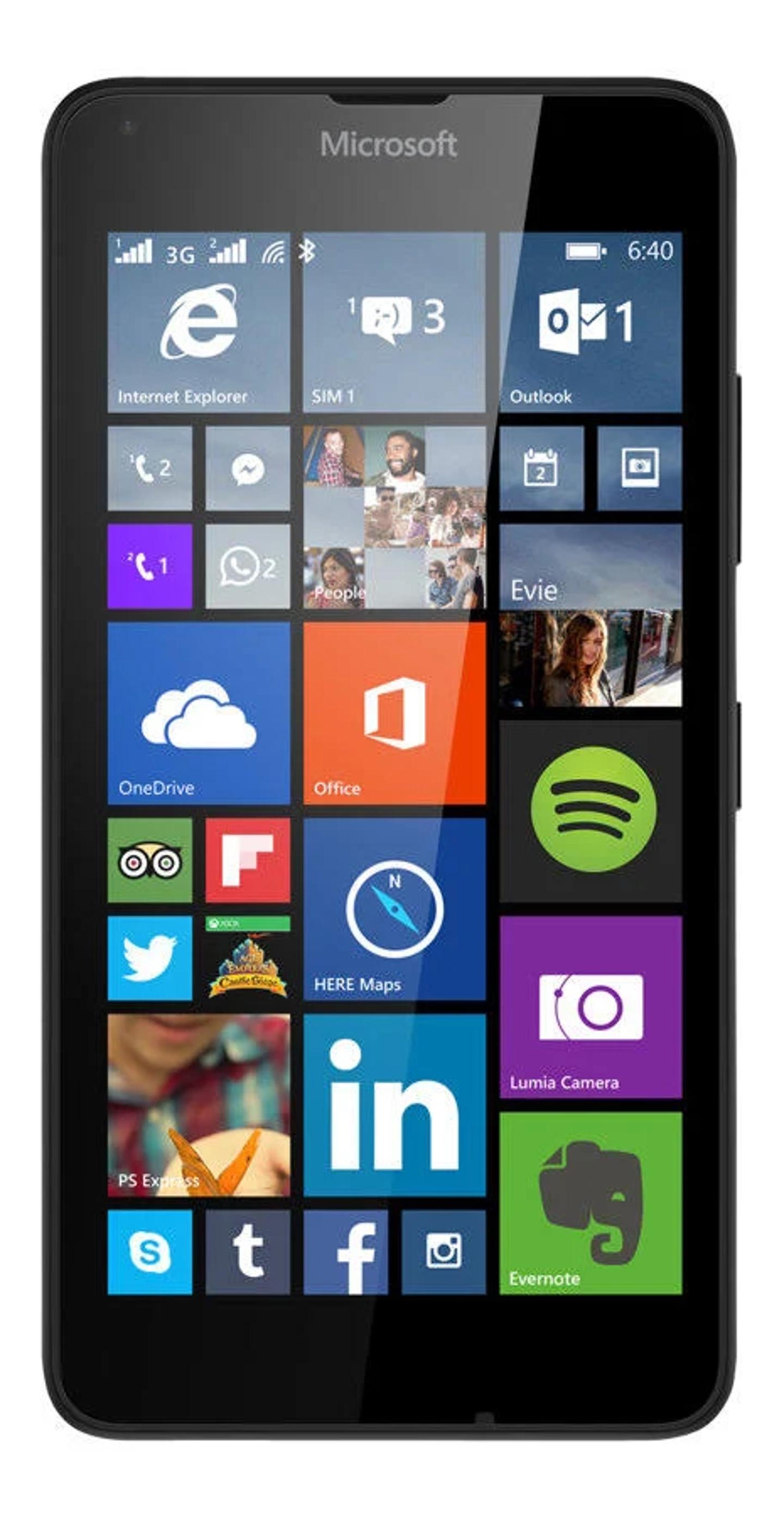
The Lumia series was popular but flawed
CeX
advertisement
Former CEO Steve Ballmer had pushed for the purchase of Finland’s Nokia to support Microsoft’s Windows Phone platform, but competition from Apple and Google quickly intensified.
As rival devices continued to improve at a rapid pace, Microsoft struggled to keep up, and the investment ended up costing more than it returned.
So where did things go wrong?
Back in 2008, Microsoft announced plans to develop its own Windows-based phone, and by 2010, the software was ready and later rolled out across the Lumia range.
The phones allowed users to access familiar tools like Microsoft Word, Excel, and PowerPoint, making it easier to work while away from a computer.
With features that mirrored basic laptop functionality and a clean touchscreen design, the Lumia phones initially attracted strong interest.
advertisement
Despite early enthusiasm, the devices struggled to match the speed and consistency of updates offered by Apple and Google.
The Lumia line ultimately released only nine models, and plans for an additional phone were abandoned before launch.
Customer feedback was mixed, with some users reporting performance issues such as lag, freezing, and slow response times.
The phone series was discontinued
Photo Illustration by Igor Golovniov/SOPA Images/LightRocket via Getty Images
advertisement
In comparison, Apple also invested heavily in projects that never reached consumers, reportedly spending around $1 billion a year for a decade on a canceled initiative.
While Ballmer supported continued investment in mobile devices, Satya Nadella took over as CEO in 2014 and viewed declining sales as a sign it was time to move on.
As a result, the mobile phone project was shut down and never revived.
advertisement
Microsoft later attempted a return to the mobile space with the Surface Duo, a dual-screen smartphone running on Android.
The device was unveiled on October 2, 2019, and officially released on September 10, 2020, as part of the Surface lineup.
However, that effort also ended quietly, with the Surface Duo line discontinued in 2023 following the release of the Surface Duo 2 in 2021.
advertisement
In hindsight, the entire journey came at a huge financial cost, even if some former users still look back fondly on their Lumia devices.