

A sleep expert has also explained how improving your bedtime habits and removing one common distraction can make a big difference
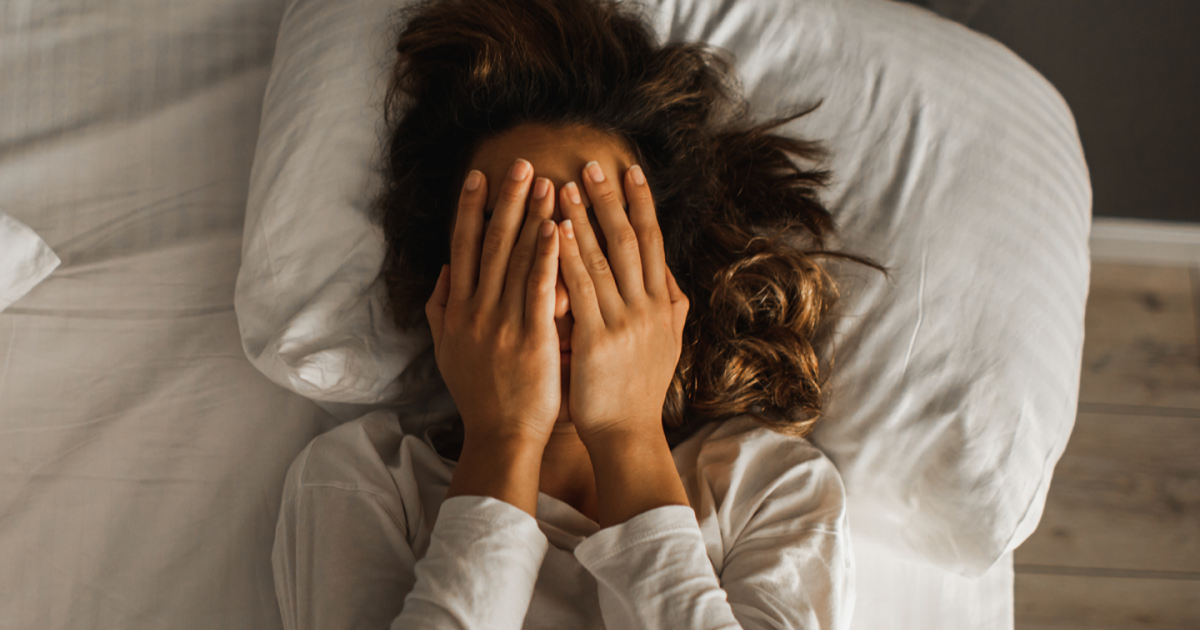
Expert Shares 'Military Sleep Method' That Can Help You Fall Asleep In Just Two Minutes
By
maks in
Health and Fitness
On 6th October 2025
advertisement
If you find yourself tossing and turning at night, unable to quiet your thoughts or relax your body, the so-called military sleep method might be the simple trick you’ve been looking for. This technique promises a quick way to fall asleep and has recently gained attention for its surprisingly easy approach.
Experts recommend that adults between 18 and 64 years old get around seven to nine hours of sleep each night. But many people insist they function fine on only four or five hours. According to researchers, that can take a serious toll on your body and mind, even if you don’t notice it right away.
Chronic lack of sleep has been linked to several long-term health issues, including poor concentration, reduced memory, heart disease, and diabetes. Not getting enough rest doesn’t just make you tired—it can also increase your risk for major medical problems over time.
People often sleep far less than they should for many different reasons—some struggle with insomnia, others deal with restless legs, and many simply have poor sleep routines that keep them awake longer than necessary.
If this sounds familiar, then trying the military sleep method might be worth your time. It’s designed to help your body relax fully and drift off without relying on medication or complicated routines.
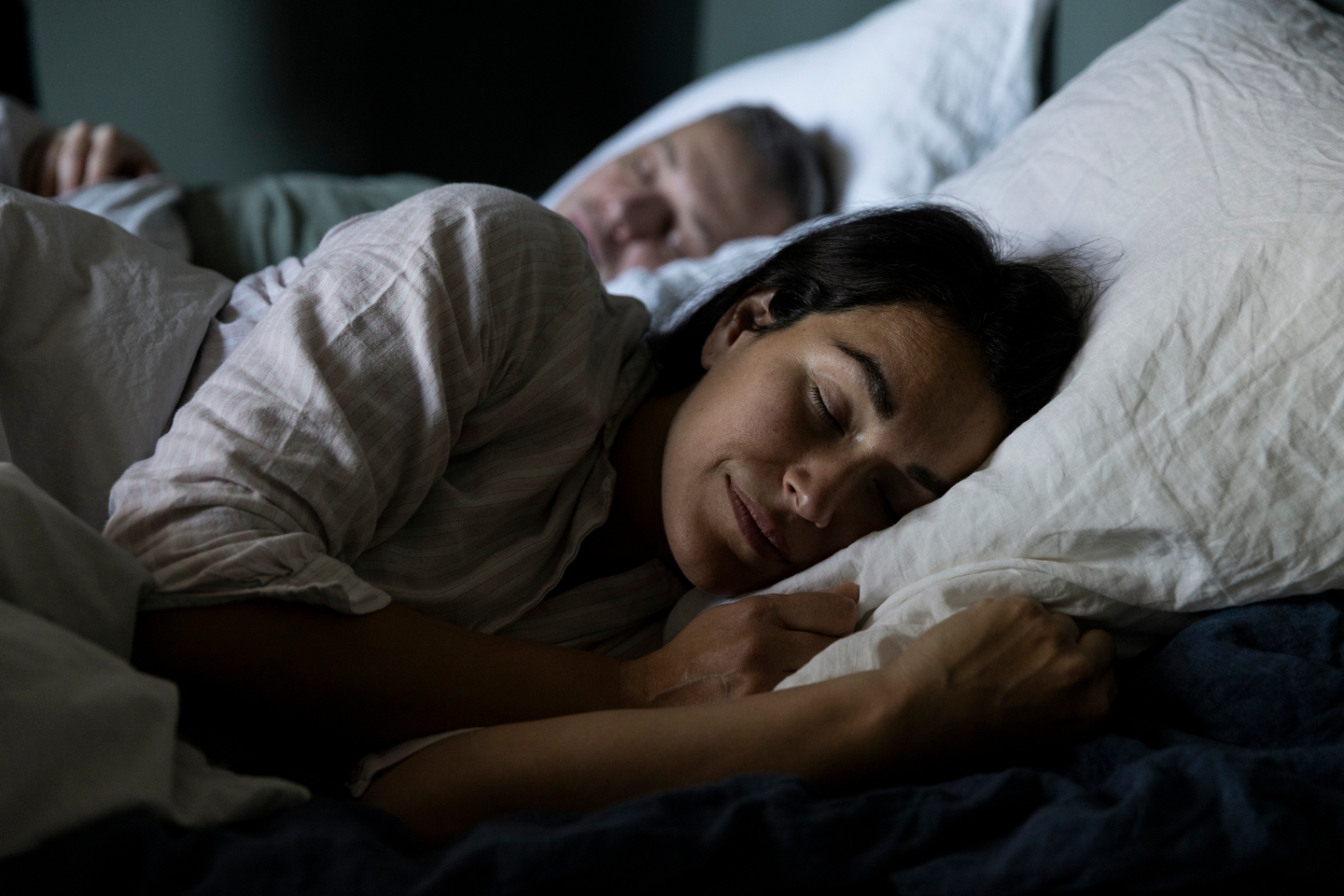
The military sleep method can take just two minutes if you get it right
Getty Stock Image
advertisement
What is the military sleep method?
The military sleep method first appeared in the 1981 book Relax and Win: Championship Performance, where it was described as a training technique used to help soldiers fall asleep quickly, even in stressful or noisy environments. The goal was to teach them how to rest under pressure so they could perform better when awake.
The method blends slow breathing, mindfulness, and visualization to calm both the mind and body. It focuses on physically releasing tension and mentally clearing away distractions before sleep.
When done correctly, it’s said that most people can fall asleep in less than two minutes—a result that explains why it’s become so popular among those desperate for better rest.
"Understandably, when you're having trouble falling asleep, you want to find the thing that's going to help get you there quickly, which is probably why things like the military sleep method have become so popular," Dr. Alaina Tiani explained to the Cleveland Clinic.
"I have patients asking about it more and more." Her comments show how more people are turning to structured techniques like this to solve their sleep troubles naturally.
advertisement
How to do the military sleep method correctly
There isn’t one single “correct” way to follow the military sleep method, since every person’s body relaxes differently. Still, experts generally recommend starting with steady breathing and progressive muscle relaxation to help the body unwind.
Close your eyes, inhale deeply through your nose, and exhale slowly. Once you’ve found a calm rhythm, shift your attention to relaxing your muscles one by one. Visualization is key—it helps your body follow your mind’s lead toward stillness.
Start by loosening the muscles on your scalp, then move down to your forehead, eyebrows, and eyes. Continue toward your nose, mouth, and jaw, imagining all the tension leaving your face as you go.
advertisement
Once your face feels relaxed, focus on your neck and shoulders, then slowly move down through your arms, hands, and fingers, allowing each area to feel heavy and still.
Then bring your attention to your chest, and after that, your thighs, legs, calves, and feet. The goal is to release tightness from head to toe until your entire body feels completely at ease.
When your body is relaxed and your breathing steady, the next step is to clear your mind of wandering thoughts and focus only on rest. This mental reset is what allows the physical relaxation to take hold.
advertisement
Good Housekeeping suggests picturing peaceful scenes in your mind, like floating in a canoe on a calm lake under blue skies for 10 seconds, or lying in a soft black velvet hammock surrounded by darkness. If imagining scenes isn’t your style, simply repeat the phrase “Don’t think” in your head for about 10 seconds to block intrusive thoughts.
Experts say that once you’ve practiced the technique a few times, the entire process should take no more than two minutes from start to finish. With consistency, your body will begin to associate the method with sleep, making it easier to drift off over time.
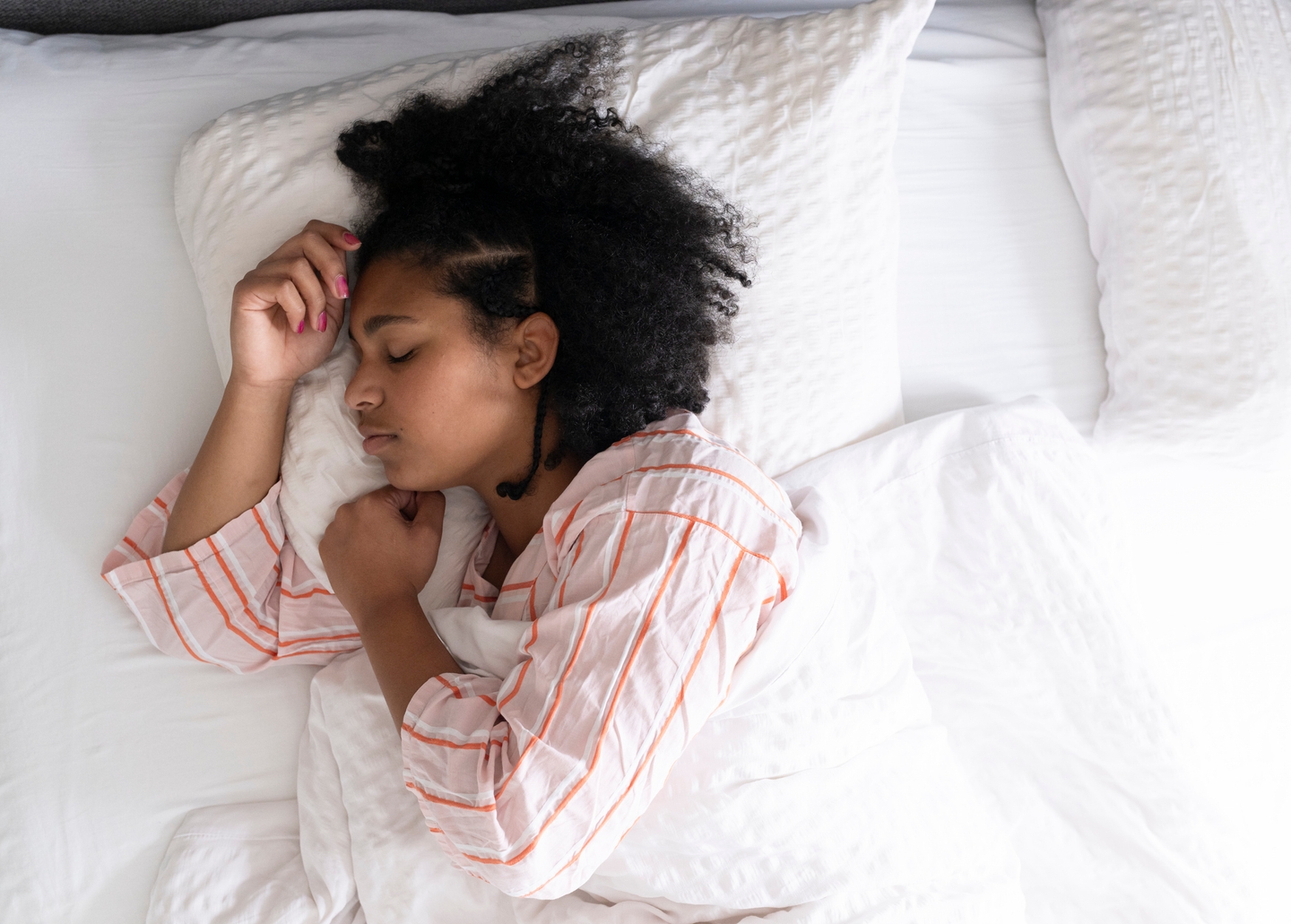
You can also improve your sleep hygiene by banning phones from the bedroom
Getty Stock Image
advertisement
Why doesn’t the military sleep method work for everyone?
According to Healthline, if the military sleep method doesn’t seem to work for you, the problem might not be the technique itself but how your body and mind are approaching it. Some people need more time to learn how to control their breathing or fully relax their muscles before it becomes effective.
Experts also note that certain conditions, such as anxiety or attention deficit hyperactivity disorder (ADHD), can interfere with your ability to fall asleep quickly using this method. These factors make it harder for the brain to settle down, even when the body is relaxed.
Dr. Tiani mentioned that one of the biggest obstacles is putting too much pressure on yourself to fall asleep fast. The more you worry about it, the harder it becomes to actually rest.
advertisement
"We're seeing a phenomenon where sleep is becoming performance-based or gamified," the sleep specialist said. "You can track sleep on your fitness device, and you get a score. You want to get good sleep, of course. But all that information can build a lot of pressure to 'win the sleep game.'"
"We've seen people work so hard to sleep and try so many 'sleep hacks' that it backfires. Because the pressure is so intense," she added. "You can even develop sleep anxiety where you dread going to sleep night after night." These insights highlight how trying too hard to “win” at sleeping can actually backfire, creating even more anxiety about bedtime.
advertisement
Other ways to improve your sleep hygiene
Sleep expert Adeel ul-Haq shared several practical tips to help improve your overall sleep quality. His advice includes maintaining a balanced diet, moving your body daily, and aiming for at least an hour of physical activity each day to burn off excess energy.
"This can be anything from walking to going to the gym. It doesn't have to be complicated. As long as I get to move around, it helps me feel more tired when it comes to bedtime," he told The Mirror. "However, I never exercise rigorously after 6pm as studies have shown this can have a negative effect on your sleep."
"For me, exercising early in the morning allows me to go about my daily routine and feel tired when I jump into bed and I can fall asleep in less than two minutes." His emphasis on routine exercise reflects how small, consistent habits can naturally improve sleep without relying on medication or drastic lifestyle changes.
advertisement
The expert also advised keeping a regular bedtime and wake-up schedule, even on weekends, to help regulate your body’s internal clock. He suggested that banning electronic devices from the bedroom can make a big difference for people who often scroll through their phones before bed.
"Blue light can interfere with melatonin production which disrupts our sleep. I did try using blue light glasses in the past, but I have the best sleep when I don't use my phone before bed," he explained. Avoiding screens allows the brain to produce melatonin properly, helping you fall asleep faster and stay asleep longer.