


After ‘quiet quitting,’ a new workplace trend called ‘quiet vacationing’ is making waves
advertisement
Some employees are taking time away from their desks without formally telling their managers.
Since the pandemic, hybrid work has become standard for many companies. Employees often split their time between home and the office, only coming in on certain days each week.
Last year, Forbes reported that about 68 percent of US employers offered some level of flexibility around work location. At the same time, only around one-third expected staff to return to full-time office work.
That flexibility may shift in some sectors. Donald Trump signed an executive order ending remote work for federal employees and requiring a return to in-person roles, even though some office spaces were reportedly not fully prepared.
For workers who still have remote options, however, a new approach has started to appear. It is known as “quiet vacationing.”
advertisement
What is 'quiet vacationing'?
The concept is similar to a “workation,” where someone travels but continues working from a different location.
In this case, employees take a trip or step away from their usual routine without officially booking annual leave.
This approach is easier for people who work fully remote and do not have frequent meetings or calls that require them to be visibly present.
There is also a more questionable version of the trend. Some millennials appear online as though they are working, while actually running errands, meeting friends, getting appointments done, or simply relaxing at home.
So how do they manage it without raising suspicion?
Many rely on scheduling emails in advance and sending occasional messages to give the impression that they are active and focused at their laptops.
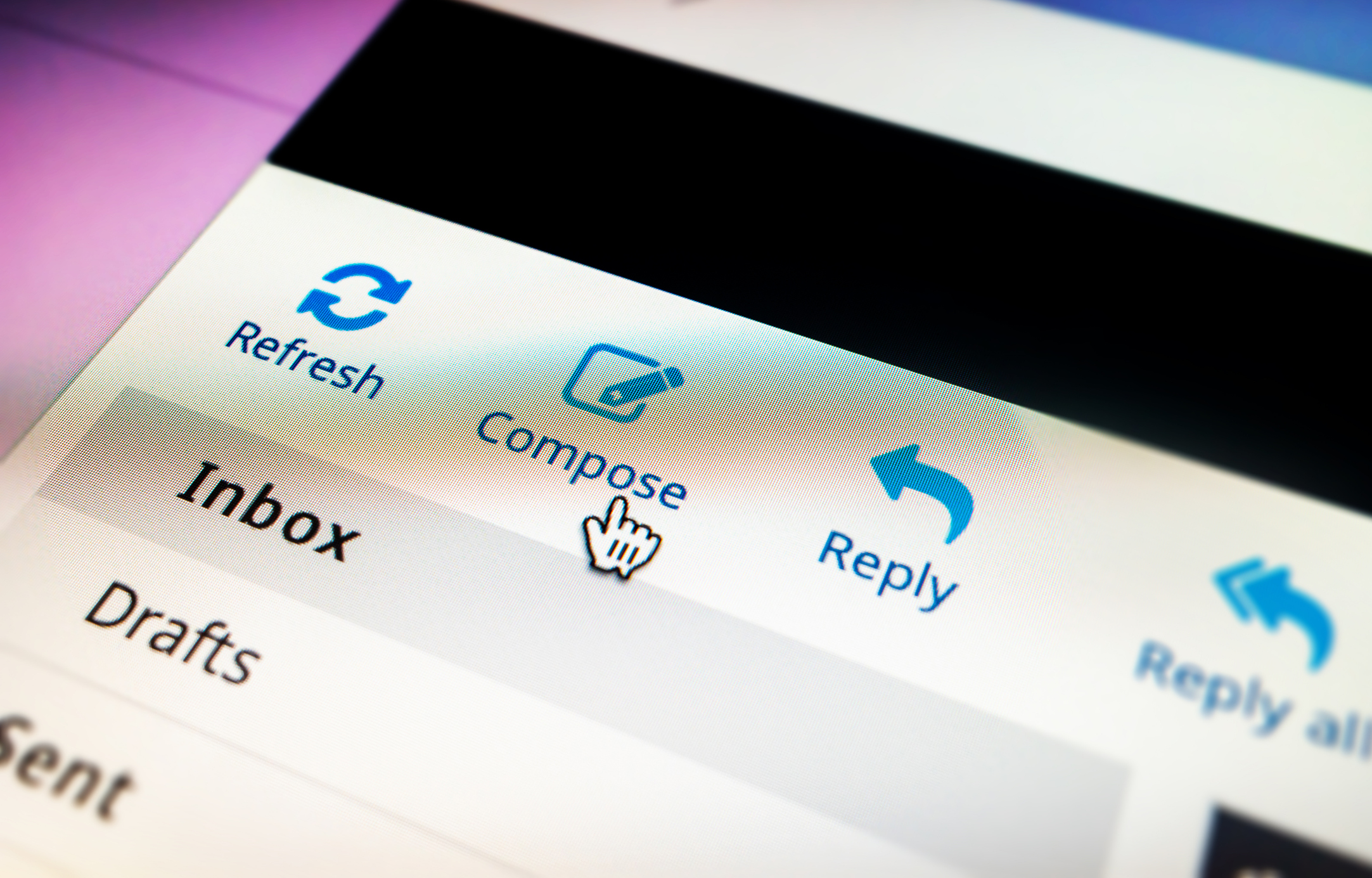
People will schedule emails to make it look like they're working
Getty Stock Image
advertisement
On social media, some users openly praise the email scheduling feature.
One person wrote on Twitter: "Thank God for GMail's 'schedule send' feature because most of the time I do my task ahead of their deadlines and just schedule send them a day before so my boss or the clients think I'm taking my time when I'm just really just chilling."
Another shared: "Scheduling the emails an hour after work starts so it looks like I'm locked in but I'm still in bed."
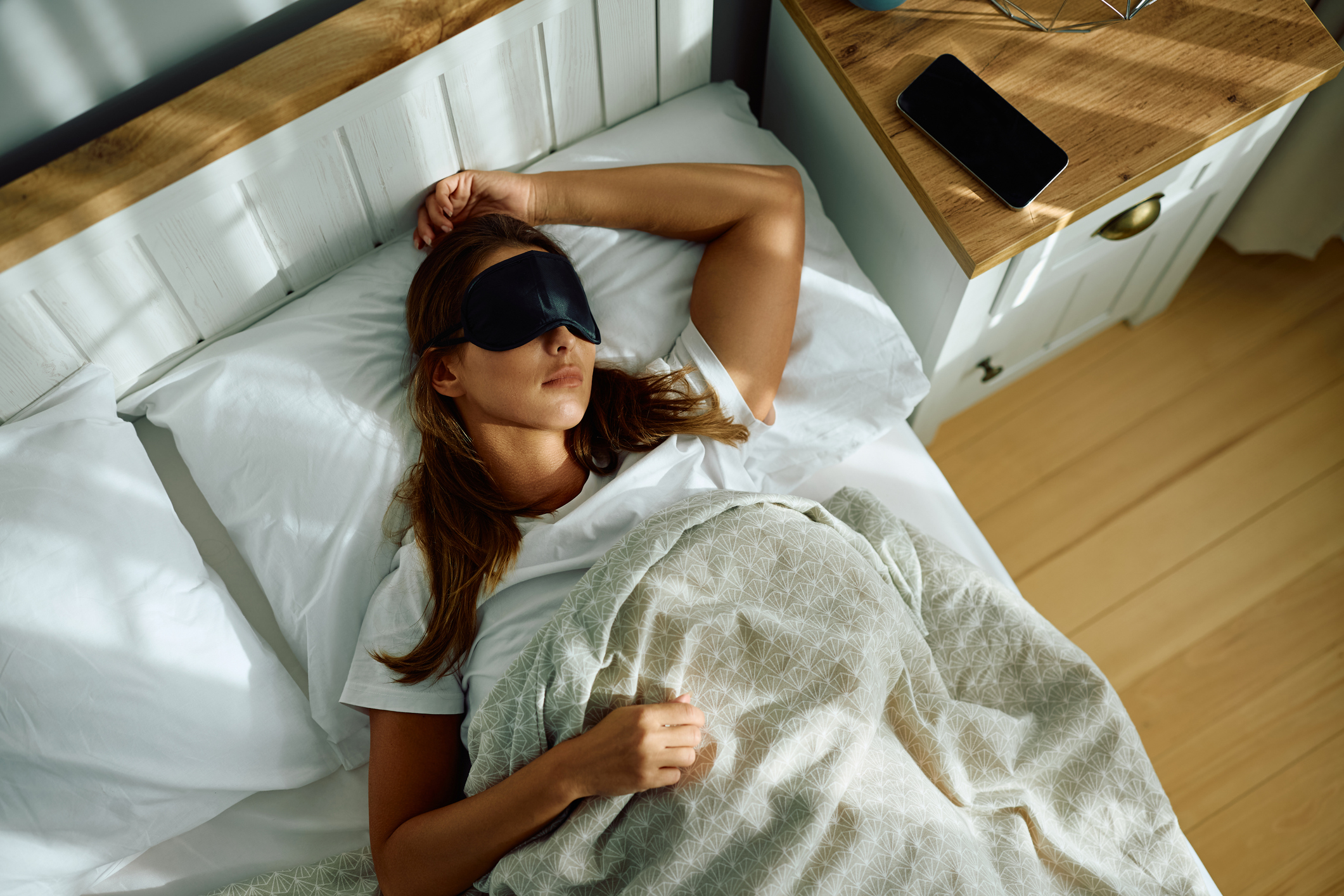
People will schedule emails so they can stay in bed for longer
Getty Stock Images
advertisement
Is it a good idea?
In reality, it carries risk. If an employer finds out, it could damage trust and may even lead to disciplinary action.
There is also the issue of rest. A “quiet vacation” does not provide the same mental break as formally stepping away from work responsibilities.
Karyn Rhodes, VP of HR Services at isolved, told Forbes: "These 'hush trips' are just a temporary solution. Without truly unplugging from work and establishing work-life boundaries, employees are more likely to burn out over time, negatively impacting their well-being and productivity."
advertisement
In the end, formally requesting time off may still be the safer choice. It allows employees to fully disconnect without worrying about consequences later.