Proper contact lens hygiene is nothing to roll your eyes at: A new government report warns that bad habits (like wearing your lenses to bed) can lead to eye infections and possibly permanent injuries.

Mistakes You're Making With Your Contacts
By
Editorial Staff in
Health and Fitness
On 31st August 2017
advertisement
#1
The U.S. Centers for Disease Control and Prevention (CDC) examined more than 1,000 cases of contact lens-related infections reported to a federal database over the last decade, and found that nearly 1 in 5 of those infections resulted in eye damage—either a decline in vision, a scarred cornea, or the need for a corneal transplant. Yikes.
But the agency also found that by simply using your contacts the way you're supposed to, you can protect your peepers: About 25% of the reported cases involved behaviors known to put a person at greater risk of eye infection.
“Contact lenses are a safe and effective form of vision correction when worn and cared for as recommended,” said Michael Beach, PhD, director of the CDC’s Healthy Water Program, in a press release about the survey. “However, improper wear and care of contact lenses can cause eye infections that sometimes lead to serious, long-term damage.”
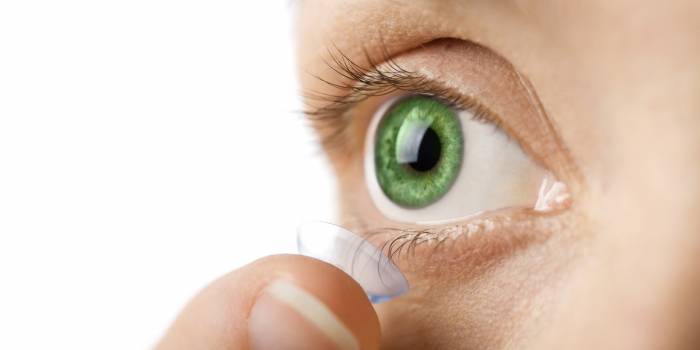
Below are the mistakes you might be making, and what to do instead.
#2 Sleeping in contact lenses
“Sleeping in contact lenses increases your risk of infection between five and 10 times,” says Steinemann. That’s because when you sleep in your lenses, any germs that do find their way onto your contacts are held against your eye for longer, making them more likely to cause problems. The decreased airflow that comes with long-term contact wear also reduces the eye’s ability to fight infection, adds Steinemann. There’s no shortcut here—just stash your lens case and contact solution somewhere you’ll see it before turning in to encourage you to go to bed bare-eyed.

advertisement
#3 You handle your lenses with dirty fingers
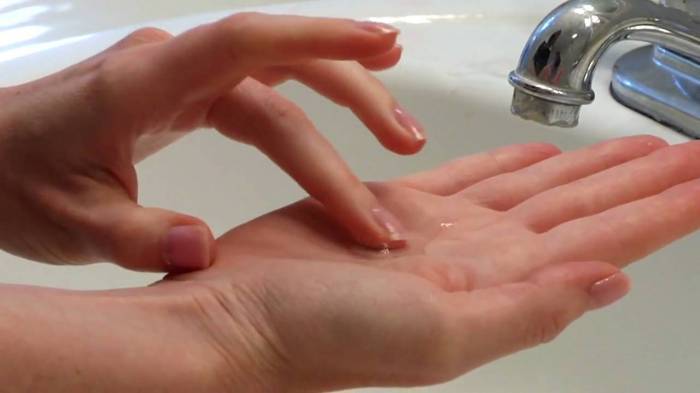
To avoid transferring oil, dirt, and bacteria to your eyes (ew), clean your hands before you clean your contacts. "Contact lenses are foreign bodies as is," says Randy McLaughlin, OD, an ophthalmologist at Wexner Medical Center in Columbus, Ohio. "Add outside germs into the mix and that can lead to infection."
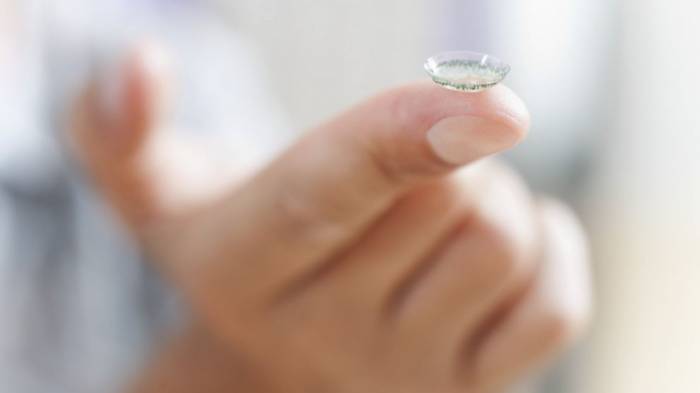
#4 Using water to clean your lenses
Even riskier than swimming while wearing contacts is storing your lenses in tap water. “Even though tap water is pure enough to drink, it’s not sterile,” Steinemann says. Acanthamoeba also lives in tap water, so soaking lenses in water from the sink is an invitation to infection. Instead, you should always store them in solution.
It’s also important to wash your hands before putting your lenses in and taking them out – and never leave old solution from the day before in the case (use all new solution, don’t just top it off). Rub and rinse the contacts with solution after each use.
advertisement
#5 You don't change your solution daily
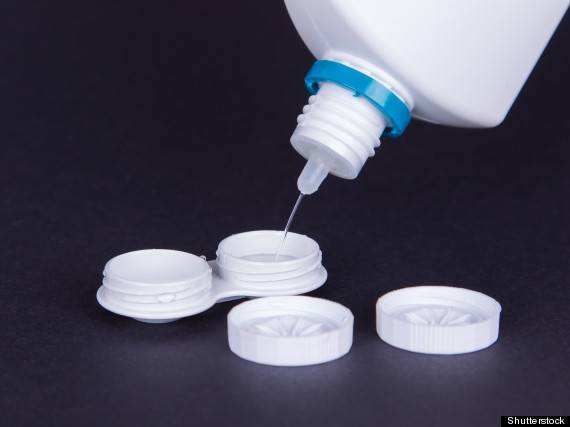
Would you do your laundry in dirty water? That’s how it is when you reuse contact lens solution. You should always empty and rinse your contact lens case. Fill your case with fresh solution every time you store your contacts, and don’t ever mix it with old solution. Consider daily disposable lenses if you are not using them now in order to eliminate the need for contact lens solution and overnight disinfection.
Avoid these mistakes when wearing your contact lenses to keep your eyes free from infection and injury.
advertisement
#6 You swim while wearing your contacts
The CDC strongly advises you to keep your contact lens away from water, including pool water. The water may contain many microorganisms that become trapped in contacts and can cause infection. One rare infection that could lead to blindness is caused by Acanthamoeba, a microscopic amoeba.

advertisement
#7 You leave your lenses in too long
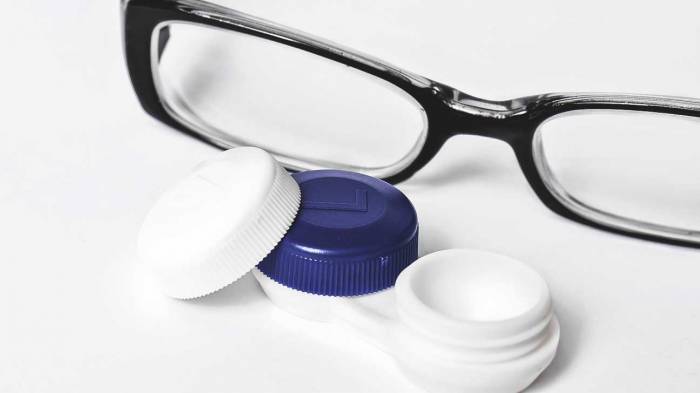
When you're at home and on weekends, give your eyes a break and wear your glasses, says Berkeley, Michigan-based ophthalmologist Steven Shanbom, MD. In a prior interview with Health, he recommended that lens wearers keep their contacts in for no more than 12-14 hours a day.
advertisement
#8 Using expired solution, lenses, or drops
There’s nothing wrong with saving a slightly-past-its-prime bottle of contact lens solution, right? Actually, there could be. “These solutions have cleansers that kill bacteria on your lenses, so you want to make sure all of those ingredients are still doing their job,” Chaudri says.
The same thing goes for the lenses themselves, which sit in a sterile solution that can break down over time. Artificial tears and prescription eye drops also have expiration dates that you should pay close attention to, as well. And definitely don’t rinse your contact case or store contacts in any liquid that’s not sterile, like tap or distilled water; both have been associated with Acanthamoeba keratitis, a drug-resistant corneal infection.
advertisement
#9 You apply your makeup first.
Nope! Makeup goes last. Both Dr. Brisco and Dr. Lee stressed the importance of putting your contacts in before you start executing that perfect winged liner, so that the lens isn’t catching any mascara or shimmery shadow on its way to your eye. This should go without saying — but you also always want to make sure you’re inserting and removing your contacts with clean hands.

advertisement
#10 You get creative with cleaning.
As difficult as it is to believe, both Dr. Brisco and Dr. Lee have had patients who do this don’t. So we’ll say it again for them: never use spit to clean your contacts or put them in your mouth. Using tap water to rinse or store your soft contact lenses is also something to avoid; the water can contain microbes that will hurt your eyes. “Always use solution that is meant to clean and store reusable soft contact lenses,” says Dr. Lee. “Read and follow the solution manufacturer’s instructions. For reusable lenses, this generally means rubbing and rinsing the lenses with multipurpose solution to get the deposits and debris off.”
advertisement
#11 You blink through the pain.
“Never put contact lenses in your eye if your eyes are irritated and painful,” says Dr. Lee, who recommends checking in with your eye doctor to make sure you’re getting proper treatment before wearing your lenses. Likewise, attempting to insert a lens with a tear or a chip in it is also a bad idea. “Throw it away and get a new lens,” she instructs. Basically, toughing it out is never a good idea where your vision is concerned.