You may not be able to see or smell it, yet it may be growing in your home and the reason you feel sick. Mold poisoning may be impacting your health. Here are symptoms of mold sickness you need to know.
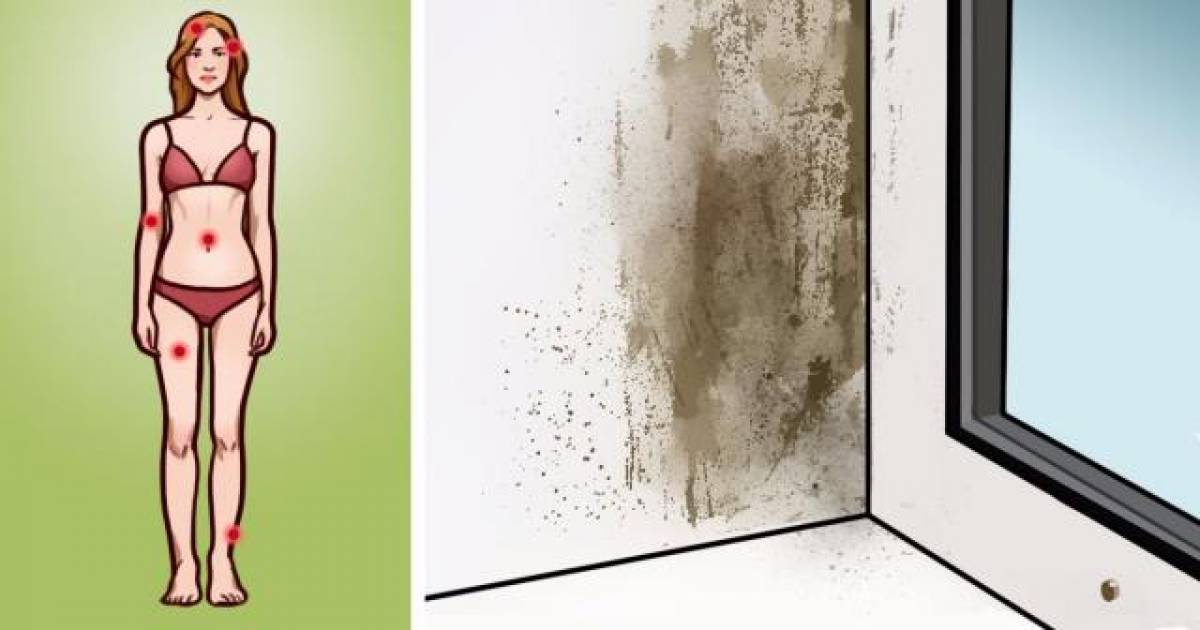
Mold Illness: Signs, Symptoms And What You Need To Know
By
Sughra Hafeez in
Health and Fitness
On 29th December 2017
advertisement
What is mold?
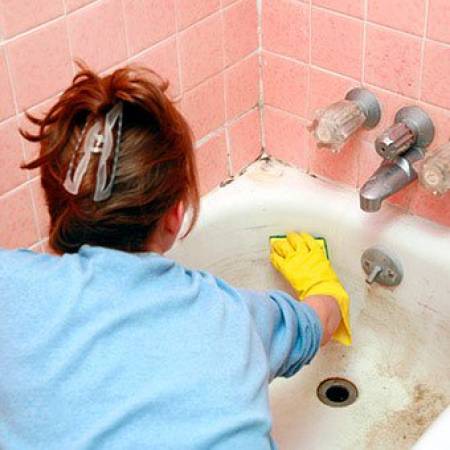
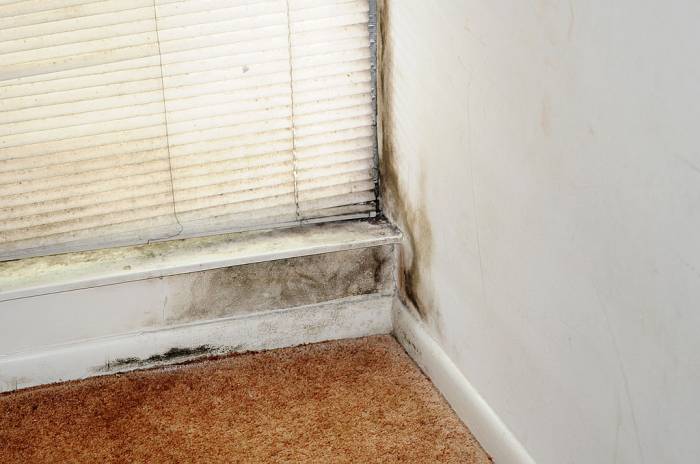
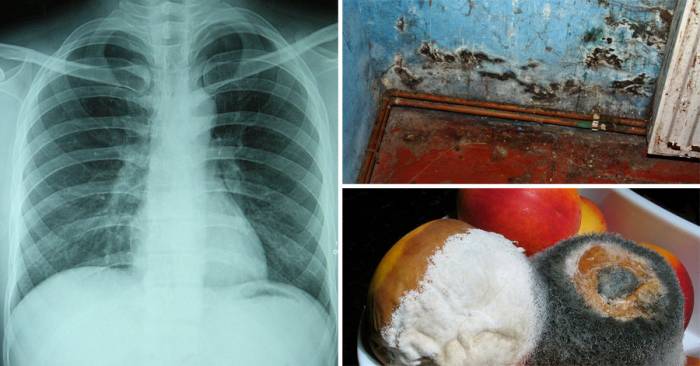
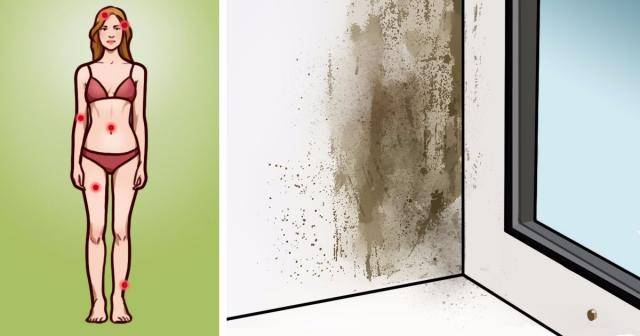
Molds are various types of fungi (singular = fungus) that grow in filaments and reproduce by forming spores that can travel through the air. The term mildew is sometimes used to refer to some kinds of mold, particularly mold in the home with a white or grayish color or mold growing in shower stalls and bathrooms. Mold may grow indoors or outdoors and thrives in damp, warm, and humid environments. Mold can be found in essentially any environment or season.
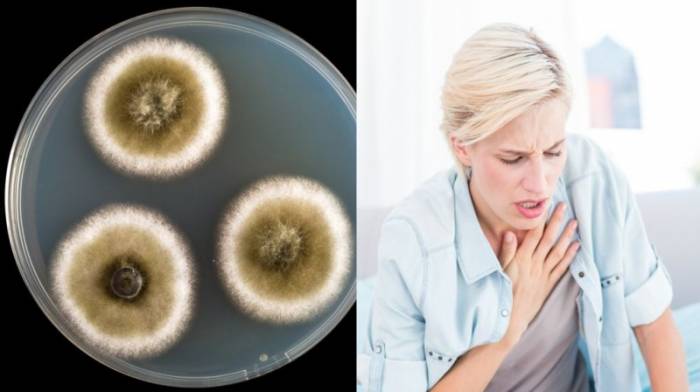
Mold illness can be very scary.
According to Surviving Mold, the mold is composed of biotoxins the body cannot process. When these biotoxins enter the body, they can wreak havoc on the body, causing a range of symptoms.
advertisement
What kinds of health risks may be linked to mold?
Molds produce irritating substances that may act as allergy-causing substance (allergens) in sensitive individuals. Furthermore, some molds produce toxic substances known as mycotoxins, but mold itself is not poisonous or toxic. Symptoms and signs of mold allergy may include.
Sneezing
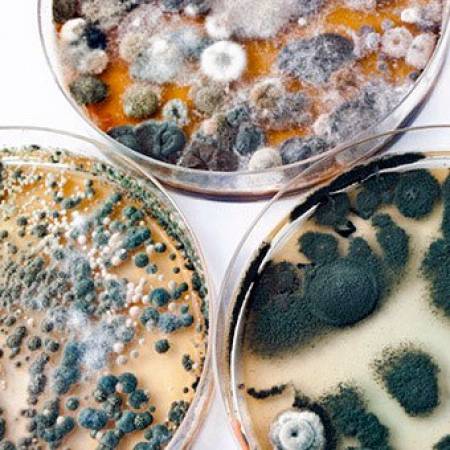
Sneezing is common among people if triggered by cold or may be dust. Also, mold can cause these sneezes. At first, it may appear like signs of a common cold or else some common allergic reaction to an external factor. Mold spores cause nose and throat irritation making you sneeze.
advertisement
Runny or stuffy nose
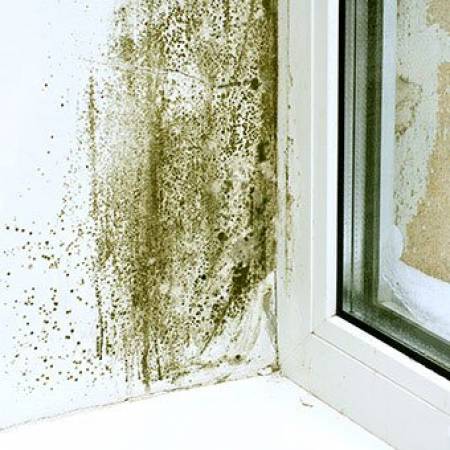
Both a runny and stuffy nose is another symptom. This is primarily due to the immune system creating mucus to defend against mold spores and stop them from coming into the body.

advertisement
Itchy eyes, nose, and throat
Just like other allergens, such as pollen, mold triggers the body to release histamine. Histamine causes a wide range of reactions. Some of the most common are itchy eyes, nose, and throat.
advertisement
Watery eyes
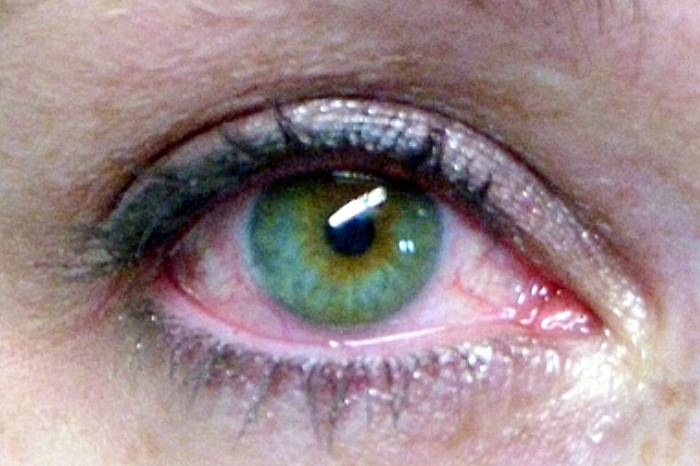
Histamines also causes the eyes to water. This is because histamines are chemicals in the immune system that work to flush the body of allergens and other toxins. In some cases, histamines trigger watering of the eyes to push allergens out of the body.
advertisement
Mold Causes Cancer
The biochemical complexities of Mold Exposure and the interactions between cellular forced chemical production have given way to evidence that mold/fungi may be the cause of some forms of cancer – yes, mold causes cancer.
Aflatoxin, a mycotoxin, produced by a species of mold known as Aspergillus, has been documented to have caused liver and kidney cancer in human beings.
Through specific DNA testing, National Treatment Centers for Environmental Disease can demonstrate that certain proteins in the DNA strand can be affected by mycotoxins, forcing the reprogramming of certain proteins in the DNA strand to produce not only mutagenic cells but also carcinogenic cells.
advertisement
Asthma
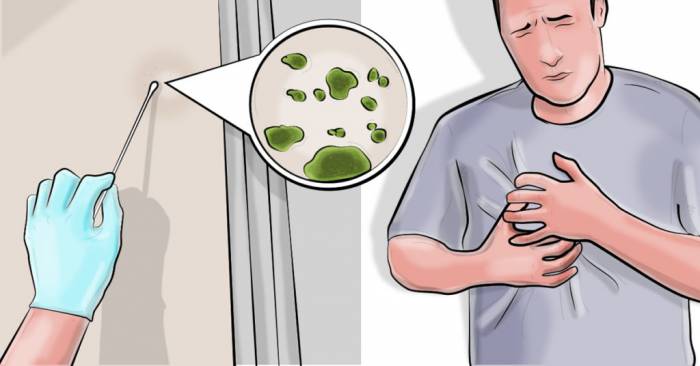
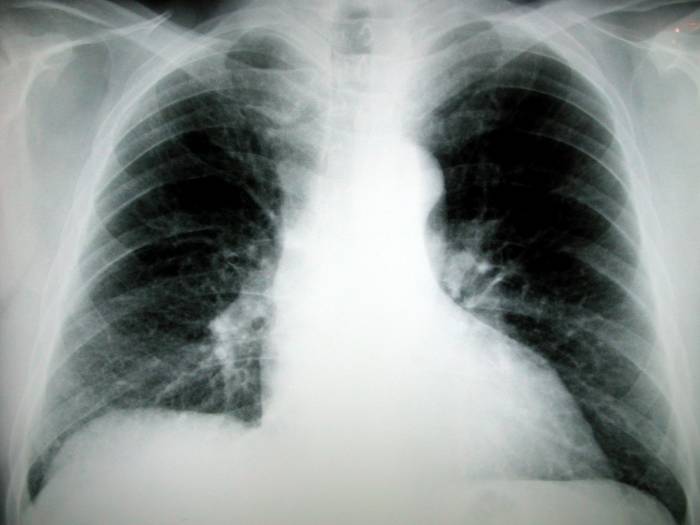
Centers for Disease Control, “CDC”, reports 57% of all Asthma is environmentally induced, this includes mold exposure victims. Being diagnosed with Asthma and then it simply going away, or going dormant is a sign of misdiagnosis. Re-exposure to mold or other environmental impacts can cause a flare up of the condition. Asthma a defined is a permanent and irreversible condition of the lungs, a disorder that causes the airways of the lungs to swell and narrow, leading to wheezing, shortness of breath, chest tightness, and coughing.
advertisement
Lupus
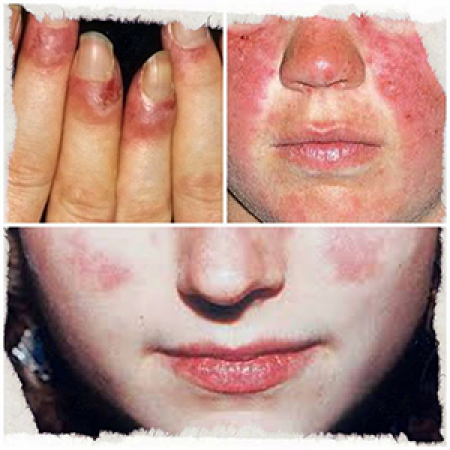
As with other inflammatory conditions, Lupus is a common misdiagnosis for mold exposure victims. Systemic lupus erythematosus (SLE) is a disease that leads to long-term (chronic) inflammation. The cause of the inflammatory condition is not well understood and many times all three components required for a diagnosis of Lupus are not present. Sometimes patients may receive a Lupus diagnosis with only two of the diagnostic components present, commonly these are an elevated Antinuclear Antibody “ANA” and an elevated Titer. Many Lupus patients once treated for mold exposure, their symptoms of Lupus subside.
advertisement
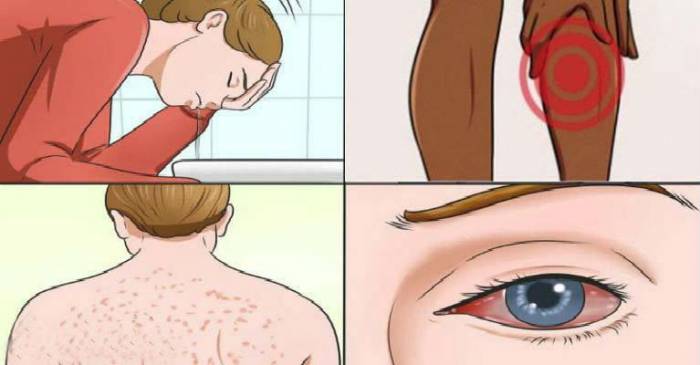
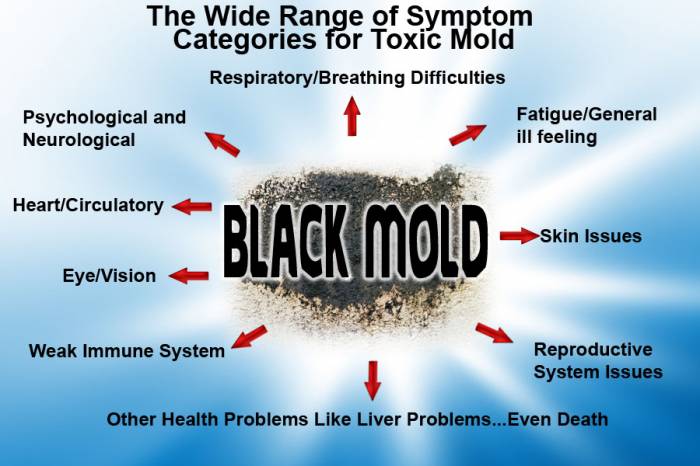
Levels of Symptoms
Level 1:
Sneezing
Itchy skin
Itchy eyes
Headache
Skin irritation
advertisement
Level 2:
Feeling constantly fatigued
Continuing headaches
Nausea
Nosebleeds
Breathing problems
Loss of appetite
Weight loss
Loss of hair
Diarrhea
Vomiting
Short-term memory loss
Nervous disorders
Swollen glands under the arms
Asthma attacks
Chronic sinus infections
Chronic bronchitis
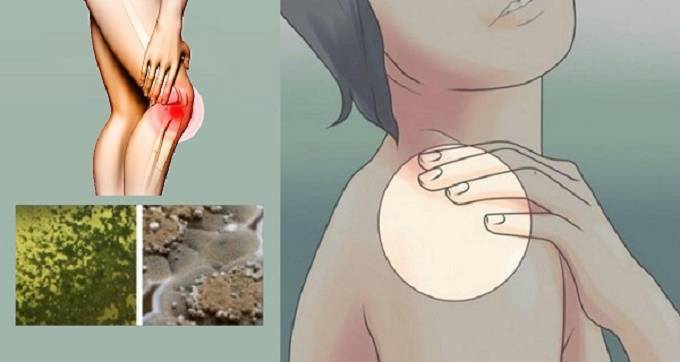
Pain in joints and muscles
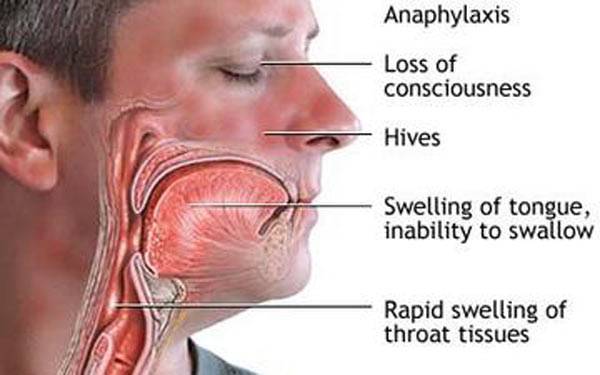
Level 3:
Long term memory loss
Blindness
Brain damage
Bleeding lungs
Reduced exercise capacity
Brain fog
Chemical sensitivities
Food sensitivities
Cancer
Death
advertisement
How do I Treat Mold/mycotoxin Exposure?
Remove yourself from the contaminated environment first. (don’t even think about going on to other treatments until you get out of the contaminated environment).
Avoid exposure to porous items (paper, clothing, etc) from the moldy environment.
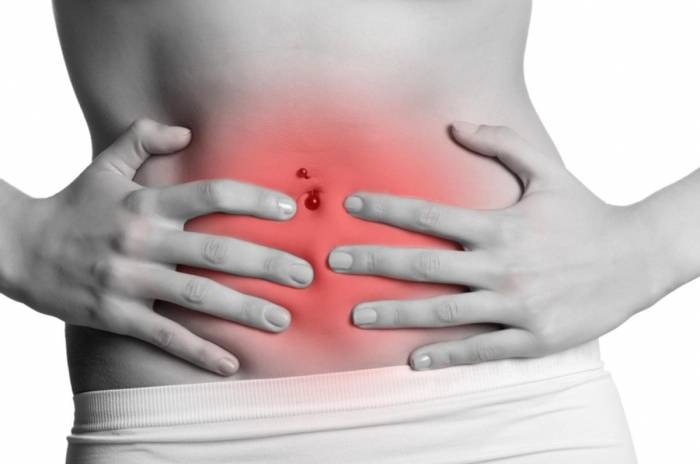
Use clay, charcoal, cholestyramine or other binders to bind internal mycotoxins
The Shoemaker protocol has proven effectiveness for cholestyramine powder or prescription Welchol as off-label bile sequestering agents to decrease the total toxic load of mold and other toxins from water-damaged buildings.
Upgraded Coconut Charcoal or GI Detox to bind toxins in the gastrointestinal tract and Glutathione Force to support glutathione, which is often depleted in toxin-related illness.
advertisement
While you are using binders, you must maintain normal bowel function and avoid constipation.
You can add magnesium citrate, buffered C powder, or even gentle laxatives if needed but constipation is the enemy of detoxification!
Treat colonizing molds/fungal or bacterial infections in the body
Common locations of colonization include sinuses, gut, bladder, vagina, lungs
Test and treat for candida overgrowth – living in an environment with mold leads to immune dysregulation that allows candida to overgrow in the body in some immunocompromised patients.
Enhance detoxification support
Some common supplements used to aid detox are liposomal glutathione, milk thistle, n-acetylcysteine, alpha lipoic acid, glycine, glutamine, and taurine. Methylation support is also key and involves optimal levels of methylcobalamin (B12), methyl-folate, B6, riboflavin, and minerals
advertisement
Avoid common mycotoxin containing foods.
Corn, wheat, barley, rye, peanuts, sorghum, cottonseed, some cheeses, and alcoholic beverages such as wine and beer. Others include oats, rice, tree nuts pistachios, brazil nuts, chiles, oilseeds, spices, black pepper, dried fruits, figs, coffee, cocoa, beans, bread.