

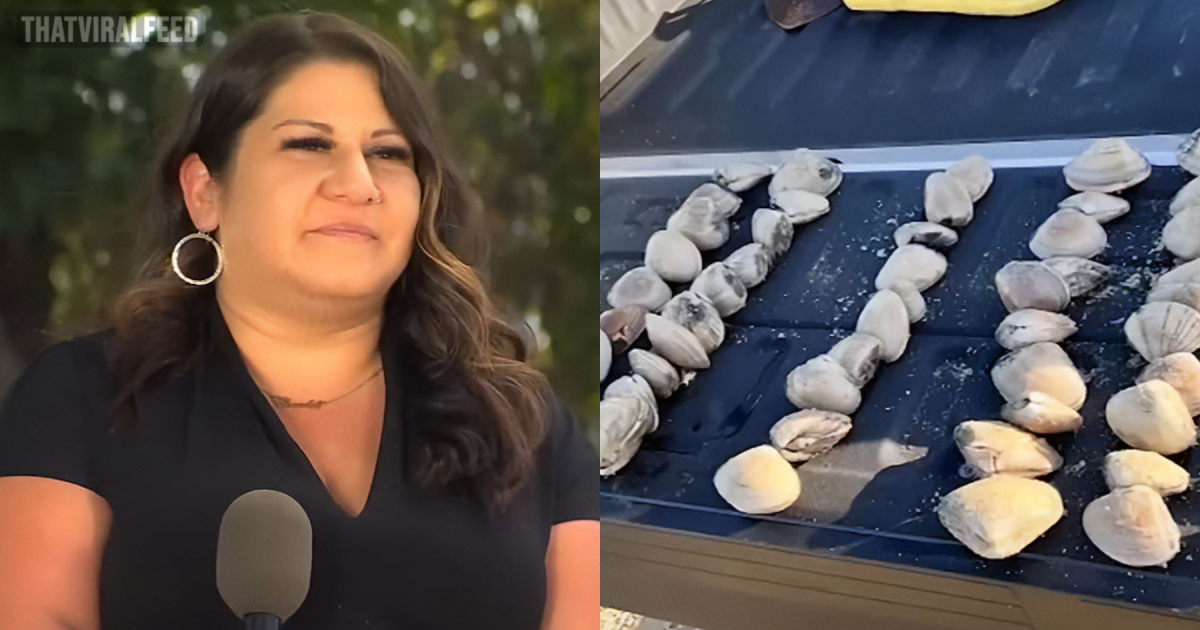
Without proper knowledge of fishing regulations in the US, simple things such as picking up seashells can land you in very hot water.
advertisement
A pearl of advice: It’s best not to collect heaps of random "seashells" on Californian beaches, because you might actually need a fishing license to do so.
Obtaining a fishing license in the United States is generally a straightforward process, but it can become a major headache if you find yourself without one when needed.
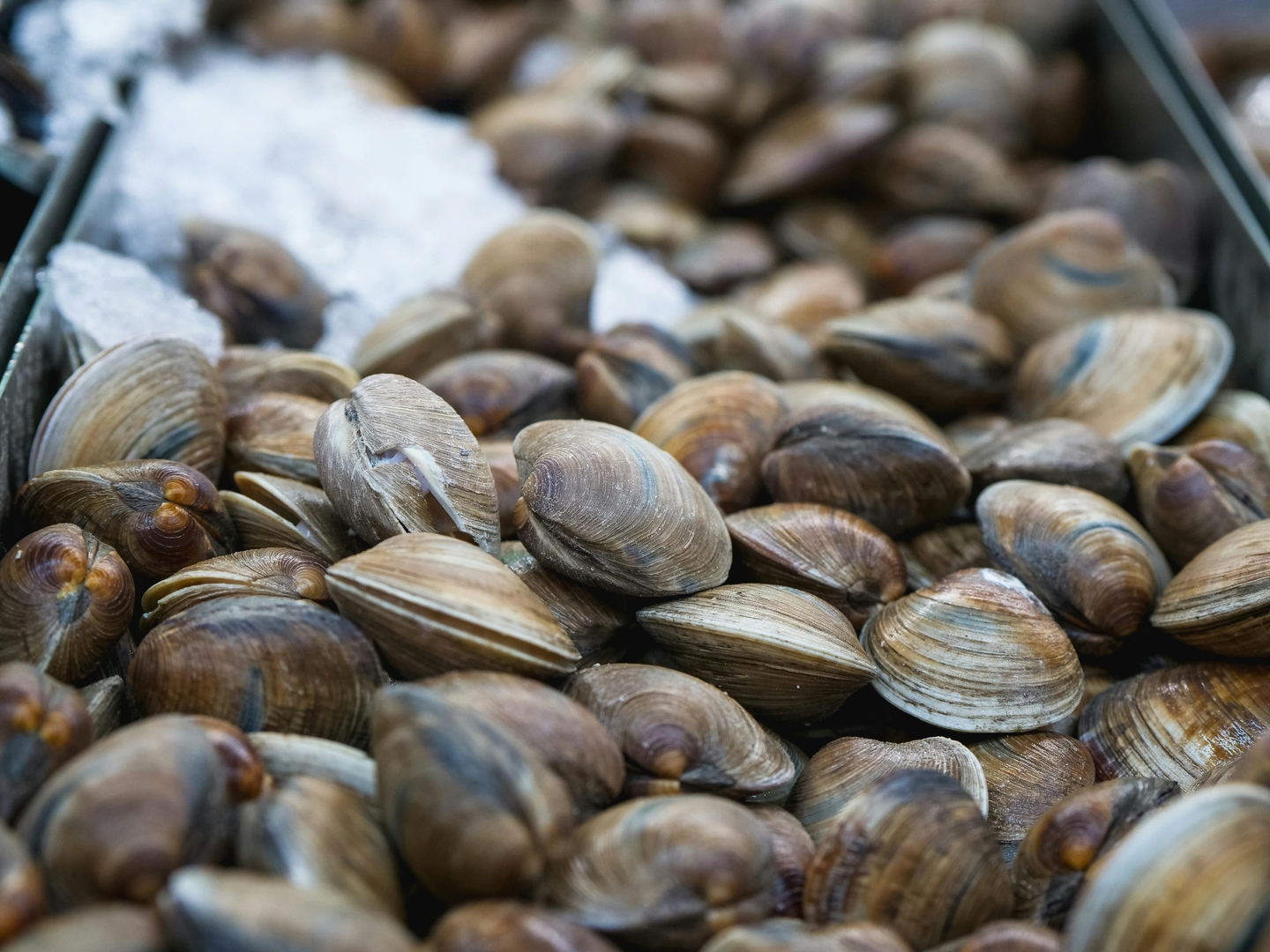
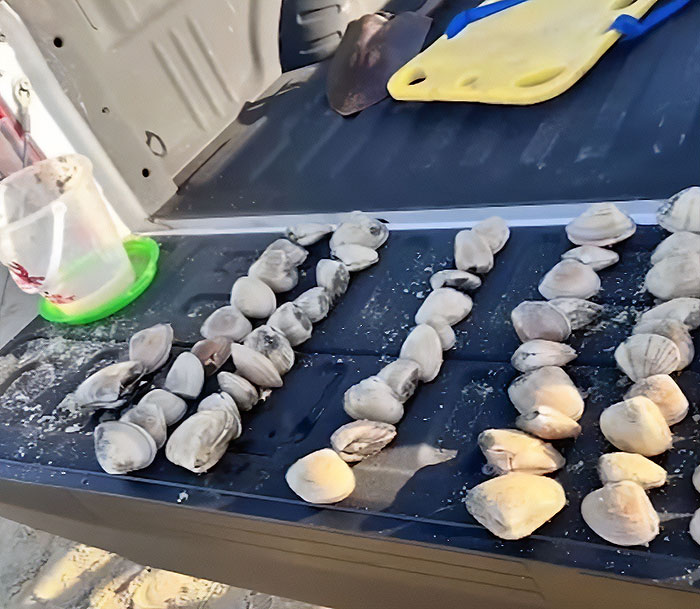
Collecting clams is illegal without having a fishing license.
Pexels / Kindel Media
People who fish on a regular basis are likely well aware of this and possess the necessary licenses to sidestep potential fines.
However, individuals who have never even cast a line could find themselves facing significant penalties for actions as simple as gathering what they assume to be harmless seashells on beaches or near lakes teeming with fish.
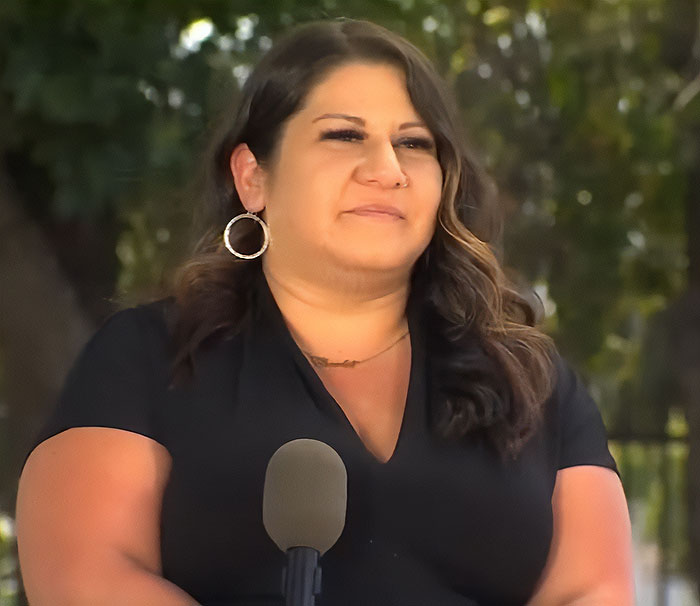
This exact scenario played out for Charlotte Russ, a mom from California.
advertisement
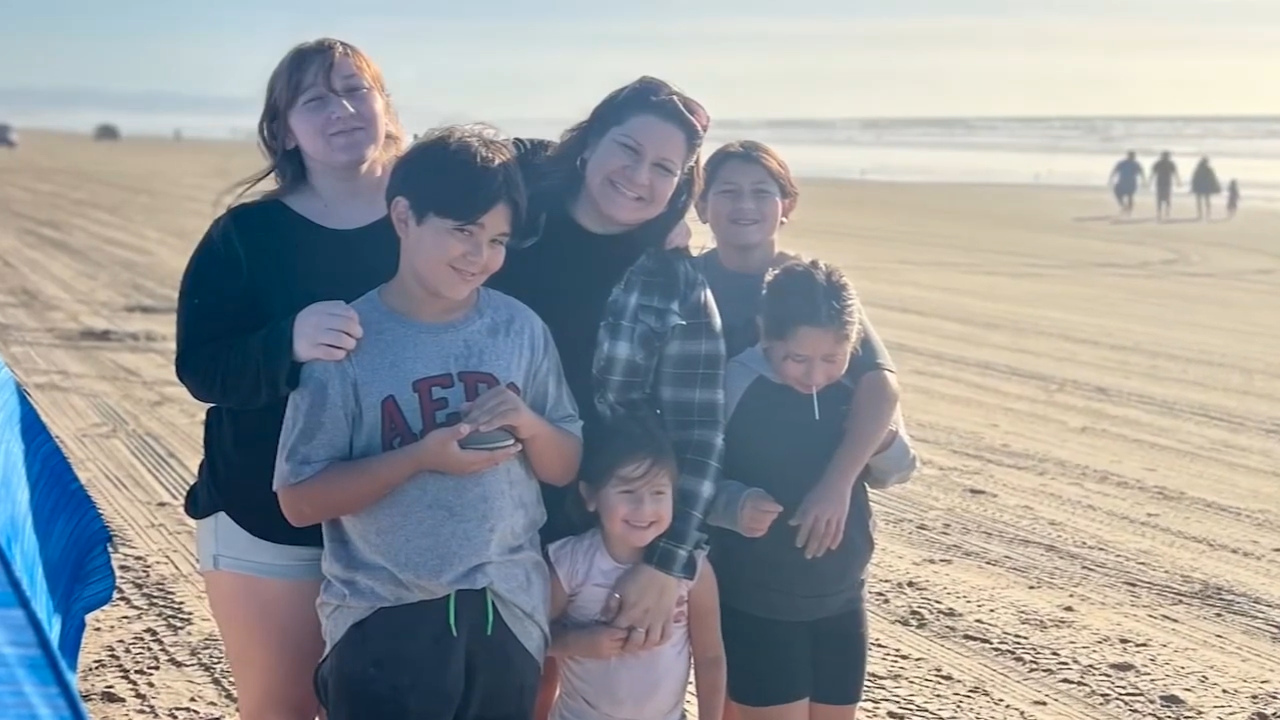
She brought her kids to a well-known beach that had a plentiful supply of clams.
Her children, mistaking the clams for harmless seashells, collected a total of 72 and piled them into the back of their mother’s truck.
YouTube / ABC30
This action, though innocent, violated state regulations and resulted in some serious consequences for their mother.
Charlotte was confronted with the harsh realities of the local clam collecting regulations when she was hit with a staggering $88,000 fine for her children’s mistake.
The situation was compounded by the fact that they lacked a fishing license.
advertisement
Additionally, the specific clams they collected were juveniles, which are strictly off-limits for collection, even for those holding the appropriate permits.
Lieutenant Matthew Gil, representing the Department of Fish and Wildlife, spoke to ABC 7 to shed light on the matter.
YouTube / ABC30
He emphasized that the illegality of collecting clams without a license is particularly serious when the clams are not fully mature.
advertisement
"The reason we got it we have these regulations is because we have to let them get to 4 and a half inches" Gil explained.
Gil explained, "So they can have they can have offspring every year. They had juvenile clams."
advertisement
When discussing the hefty $88,000 fine she faced, Charlotte Russ shared how it deeply affected the enjoyment of their family outing.
"It made me really sad and depressed, and it kind of ruined our trip," Russ explained.
YouTube / ABC30
She also commented on the educational impact of the incident, noting:
advertisement
"They know now at the beach don't touch anything, but they know now what a clam is, compared to what a seashell is now, I've had to explain that to them."
Lt. Gil also offered advice on how to distinguish between a clam and a seashell, noting that if it's hard to pull apart, it is likely a clam.
advertisement
In the end, after presenting her case to a judge and explaining the circumstances, Russ's overwhelming $88,000 fine was reduced to a more manageable $500.
This resolution significantly lightened the burden on the Fresno mom.
YouTube / ABC30
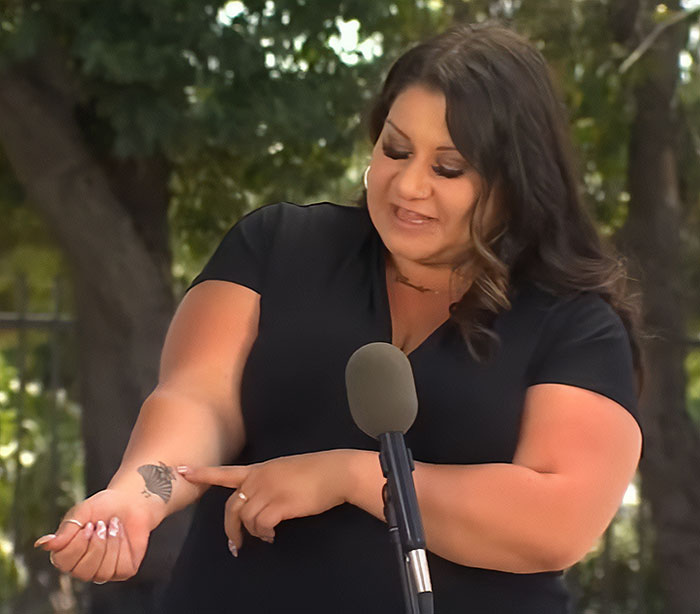
Charlotte concluded the shell of a trip with a playful tattoo depicting a shellfish with the number 72 on her wrist.
advertisement
Charlotte concluded the shell of a trip with a playful tattoo depicting a shellfish with the number 72 on her wrist.
"So I got this after I ‘won’ my case, in Pismo," Charlotte quipped.
She summed up the whole experience by saying: "It was definitely one expensive trip to Pismo, unforgettable."
advertisement